


One Frenchie's Miserable, Itchy Skin Built an Entire Dog-Skincare Brand
Michael Kim couldn't find a shampoo gentle enough for his allergy-prone French Bulldog, so he built one with a veterinary dermatologist. The story behind Floof, and why dog skin needs its own rulebook.

Affiliate disclosure. This article contains affiliate links. We may earn a small commission if you buy through a link, at no extra cost to you. How we handle recommendations.
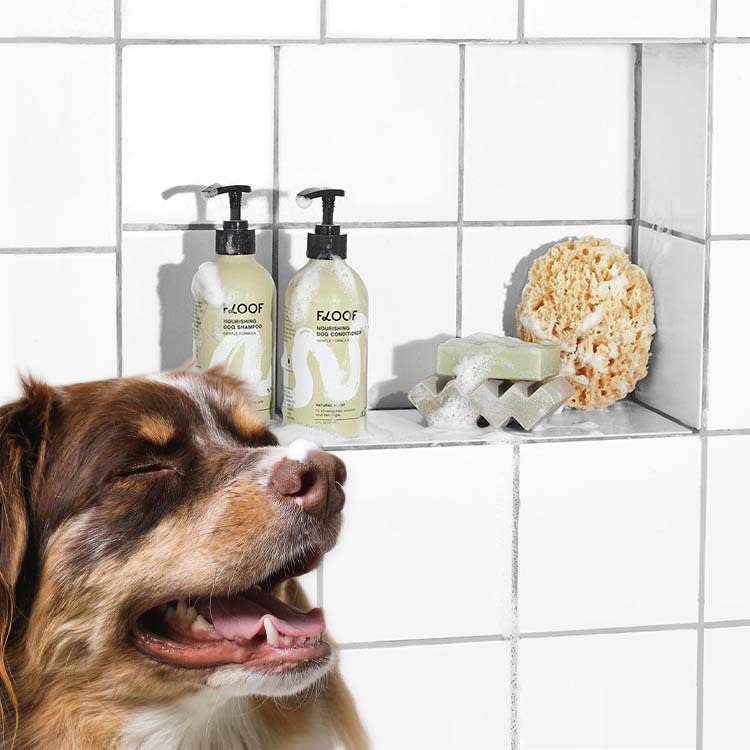
Almost every good pet brand starts the same way: a specific animal has a specific problem, and someone who loves that animal cannot fix it with anything on the shelf. For Floof, the animal was a French Bulldog named Leo, and the problem was skin that would not stop itching.
Michael Kim got Leo during the pandemic, his first Frenchie, and he was not prepared for how much his puppy would struggle. By around six months old, Leo had developed bad allergies, and eventually the licking and irritation followed. Kim did the responsible thing and went to the vet, then went looking for a gentle, high-quality product to care for Leo’s skin at home. He kept coming up empty.
A skincare guy who couldn’t find dog skincare
Kim was not a random founder stumbling into the pet aisle. He had previously worked at Dr. Squatch, a men’s personal-care brand, so he already understood formulation, clean ingredients, and how a premium wellness product is supposed to feel. He had also seen firsthand how much high-quality skincare helped his own skin issues, and he wanted that same standard for his dog. When it didn’t exist, he decided to make it, and he was smart enough not to do it alone.
Two things he learned in his research shaped everything that came after. The first was a regulatory gap: the rules governing what goes into dog grooming products are far looser than most owners assume, so “gentle” and “natural” on a bottle can mean very little. The second was a piece of physiology that reframes the whole category.
Why dog skin plays by different rules
Dogs have skin that is roughly three to five times thinner than ours. That single fact changes the math on everything you pour over them. Thinner skin is more permeable and more easily irritated, which means harsh ingredients that a human might tolerate can do real damage to a dog. It also means the pH target is different. Dog skin sits more alkaline than human skin, so a product formulated for people is, chemically, the wrong tool.
People assume dog skin is just tougher because it’s under fur, and it’s actually the opposite. It’s thinner and more sensitive, and it doesn’t share our acidity, so a human shampoo isn’t a gentle stopgap for a dog, it’s the wrong product entirely. Matching the pH and dropping the harshest cleansing agents is where most of the benefit comes from.
To get the formula right, Kim brought on a board-certified veterinary dermatologist, Dr. Jennifer Schissler, as the brand’s resident derm and advisor. He hadn’t even known the specialty existed until his research turned it up, and there are very few of them. Rather than reverse-engineer an existing formula, he and Schissler spent about a year working with skincare chemists to build something new, tuned to that more alkaline pH and to canine sensitivities.
The surfactant problem
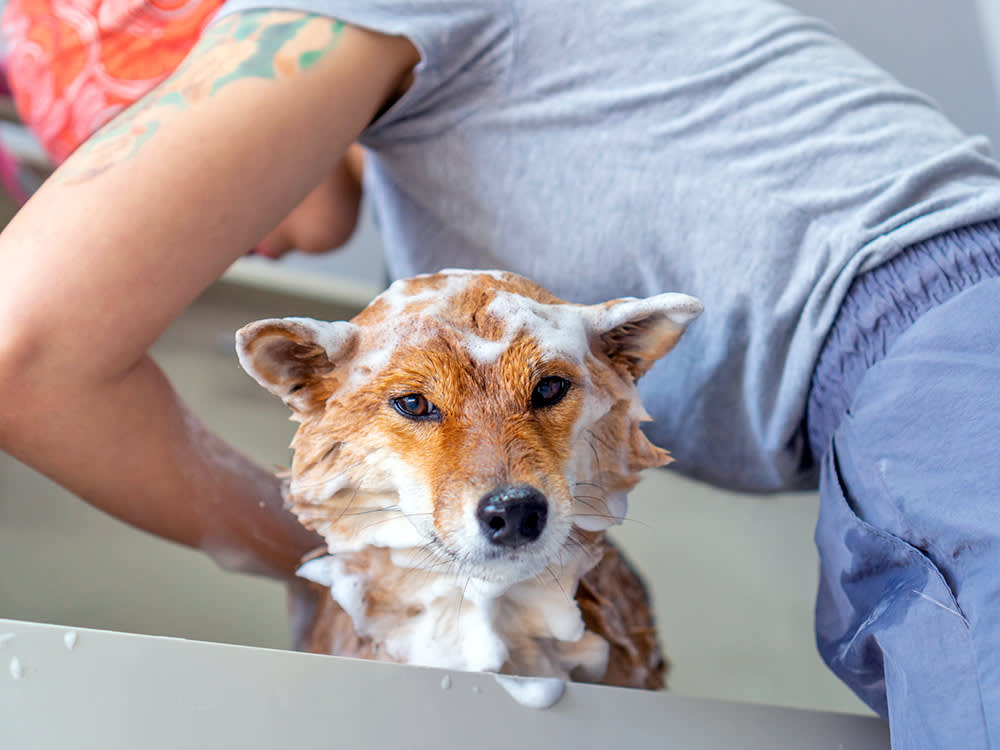
The heart of the shampoo debate comes down to surfactants, the agents that actually lift dirt and oil off the skin. By Kim’s account, the vast majority of dog shampoos lean on harsh surfactants, commonly SLS or coco betaine. Surfactants themselves are not the enemy; without them, a wash can’t clear away the bacteria, dirt, and allergens a dog picks up. The goal was to keep the cleansing power while swapping the aggressive agents for gentler ones and adding ingredients that moisturize rather than strip.
That fixes a stubborn myth, too. Plenty of owners believe they can only bathe a dog once every few months or they’ll strip its natural oils. With a genuinely gentle formula, the opposite advice makes more sense: washing more often actually helps, because it rinses away the allergens and residues a dog collects walking on treated sidewalks, from road salt to lawn pesticides. If that stuff sits on itchy skin, it keeps the cycle going.
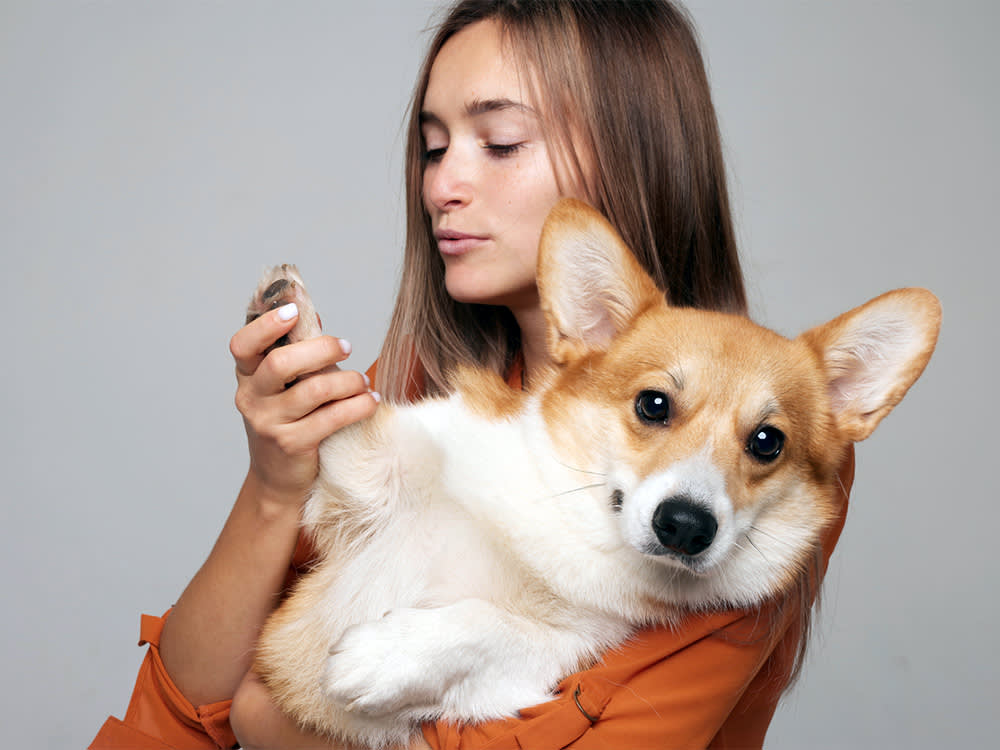
For the paw and nose balm, Schissler pushed for one specific trait: it had to dry fast. Many balms use a Vaseline-style base that stays greasy, so the moment a dog trots off, the cream picks up dirt and gets tracked everywhere. A fast-absorbing cream stays where you put it and does its job.
Human-grade, with an asterisk
Kim’s larger frustration was that nearly every corner of the dog world had gone “premium” except grooming. Food brags about human-grade ingredients; supplements and accessories have leveled up; grooming largely hadn’t. Floof set out to close that gap, using human-grade ingredients, with a crucial caveat that only a dermatologist would catch. A few ingredients that are perfectly safe for people are not safe for dogs, so those came out, and the pH was pulled toward that more alkaline, dog-appropriate range. Human-grade, in other words, but not human-formula.
Sustainability was baked in from the start, which is not cheap for a self-funded startup, since eco-friendly packaging usually costs more. Floof leaned in anyway, and built for refills: buy the shampoo with its pump the first time, then remove the pump and reorder just the aluminum-capped bottle, cutting down on plastic with every restock.
What’s new since Floof launched
Floof went to market in the summer of 2023 with a short, focused line, and it has kept growing. The brand’s Gentle Essentials range is still built around that veterinary-dermatologist-formulated approach, and Dr. Schissler, who brings well over a decade of specialty experience, remains involved in the formulation and education side. The line has also expanded its retail reach: the Floof Soothing Paw Cream, the fast-drying, lick-safe balm for cracked paws, dry noses, and wrinkles, is now available on Amazon, which makes the brand’s most vet-driven product easy to try without a specialty order. The shampoo and conditioner are still sold direct through Floof’s own site, including the refill bottles.
The bigger takeaway holds regardless of which brand you buy: your dog’s skin is thinner, more sensitive, and less acidic than yours, so reach for a product actually made for dogs, match it to any skin condition your vet has flagged, and don’t fear a more regular bath as long as the formula is genuinely gentle.
References
Not a substitute for your vet. Our guidance is educational. For urgent symptoms, contact a vet or emergency clinic right away. Editorial standards
Dr. Chen is a small-animal veterinarian who leads health and safety coverage at The Pet Times. She writes and reviews the bulk of our illness, condition, and safety content, translating clinical guidance into clear, practical advice owners can act on at home.
Meet our experts ↗Keep reading
 Health & WellnessYour Dog's Skin Is a Third as Thick as Yours. Wash Accordingly.Dr. Priya Nair · 9 min
 Health & WellnessThe Bath Mistake That Ends in a Vet Bill: Letting Your Dog Stay DampDr. Lena Park · 6 min
 Health & WellnessBathing Your Dog More Won't Fix the Smell. Finding It Will.Dr. Priya Nair · 8 min
 Health & WellnessYour Puppy's Coat Is Going to Change. Here's When to Shrug and When to WorryDr. Mara Chen · 6 min
 Health & Wellness'Natural' Dog Shampoo Isn't a Safety Claim. Nobody Is Checking.Dr. Priya Nair · 7 min
 Health & WellnessYour Dog's Cracked Paws Are Trying to Tell You SomethingDr. Lena Park · 8 min