


Your Dog's Cracked Paws Are Trying to Tell You Something
Dry, crusty paw pads aren't just a moisturizing problem, they're a clue. The right fix depends entirely on why they're dry, from hot pavement to allergies to a rare genetic condition. Here's how to read them, and when to worry.

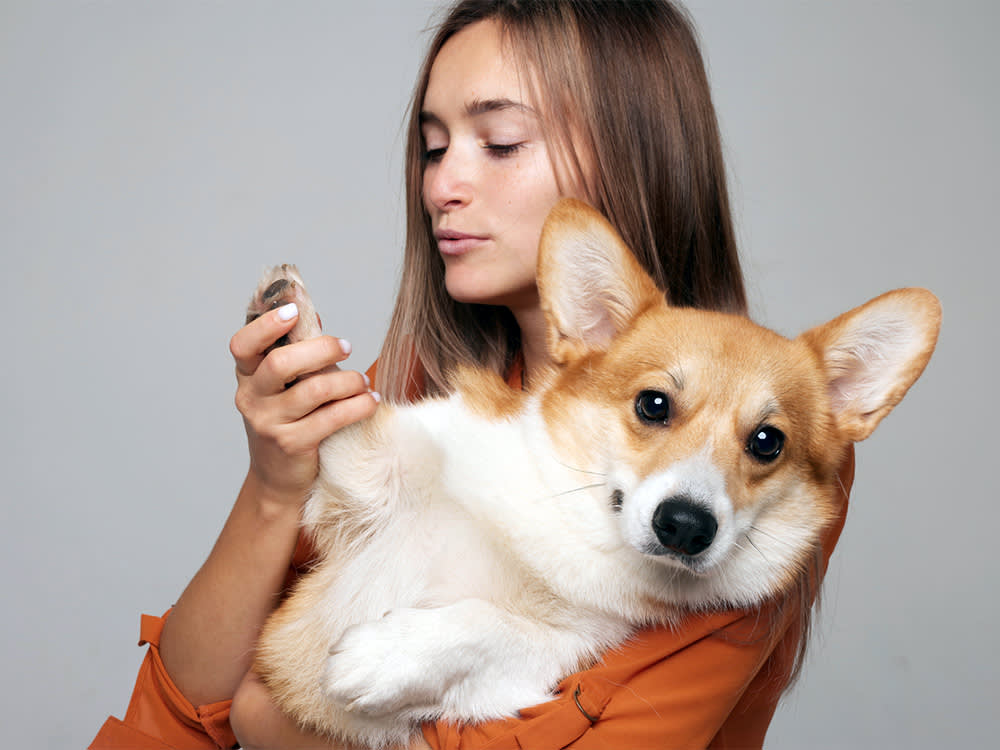
Dog paws are built to take a beating. They are in constant contact with the ground, and the pads are made of a thick, specialized layer of skin that is far tougher than anything on the rest of the body. So when a dog’s paws start looking dry, crusty, or cracked, the useful question is not “which balm do I buy?” It is “why are they like this?” Because the pads are a surprisingly honest window into what is happening with your dog, and the right fix depends entirely on the cause.
What’s normal, and what isn’t
A dog’s pads will naturally look and feel different depending on their age, activity, health, and environment, and they change through the day, a bit like a dog’s nose. They are supposed to be fairly dry, but they should still be smooth. They may feel a little damp in hot weather or after exercise, because pads actually have sweat glands that help shed heat, and they may be wet if your dog has been licking at them.
The catch is that pads are not great healers. When they take damage, they tend to recover by going dry, crusty, and flaky, which is why an injured paw so often looks like a “dry paw.” So it is generally best not to obsess over the daily look of your dog’s feet, but to know which changes are worth a second look:
- A roughened or irregular pad surface
- Fissures or cracks
- Bleeding
- Pain when you press on the pad
- Limping
- Open wounds or blisters
- Raised, firm, circular areas, similar to corns
People come in ready to fix the skin, when the paw is really just reporting a problem somewhere else, an allergy, a limp, extra weight. Moisturize a cracked pad all you want, but if the dog is favoring a sore leg or scratching from allergies, the pads will keep telling you the same thing until you treat the actual cause.
The seven usual culprits
If you are staring at your dog’s feet wondering what changed, it is usually one of these:
1. Hot or cold surfaces. Pads are tough, but temperature extremes overwhelm them. On a sunny 95°F (35°C) day, asphalt can climb to around 140°F (60°C) by midday, hot enough to burn pads quickly, so avoid pavement walks in the heat. At the other end, very cold ground can cause frostbite through reduced circulation and freezing tissue.
2. Rough terrain. Rocky or uneven surfaces cause lacerations and abrasions. Creeks and shorelines are especially sneaky, because slick underwater surfaces conceal sticks and debris that slice a paw open.
3. A sudden spike in activity. Take your normally couch-bound dog on a long hike and do not be shocked by paw problems afterward. Pads build protective calluses over time, just like the soles of our feet, so ramp up exercise gradually.
4. Extra weight. Carrying extra pounds puts more pressure on the paws, making injury more likely and driving callus buildup that can leave the pads looking drier.
5. Pain elsewhere. A dog with a sore leg will limp to protect it, which forces the other legs to carry more weight. That creates abnormal wear on the weight-bearing paws and changes how they look.
6. Allergies. Dogs with allergic dermatitis, whether from environmental, contact, flea, or food triggers, often develop lesions on their paws that read as dry and flaky. Getting the allergies under control usually returns the pads to normal.
7. Other health conditions. A number of medical issues can crust or roughen the pads, including contagious diseases like distemper, autoimmune conditions like pemphigus foliaceus, and genetic disorders like hereditary footpad hyperkeratosis.
When dry paws need a vet
See your veterinarian if your dog’s pads change suddenly, if there are obvious wounds, or if your dog starts limping or seems painful around the feet. Depending on what they find, they may prescribe medication and recommend activity changes to prevent further damage. If the paws are not improving, your vet may suggest a biopsy to check for a more serious underlying condition.
How they’re treated
Some healing paws need nothing but time and protection. For more severe or stubborn damage, a vet may recommend therapies such as:
- Omega-3 fatty acids to support healing
- Steroids to control a suspected autoimmune or allergic disease
- Pentoxifylline to improve blood flow in certain conditions
- Vitamin E to support skin repair
- Topical balms to protect and nourish the pads
Topical products, hydrating creams or protective waxes, are a common choice for paws worn down by harsh conditions. Applying them well is its own small skill, and the step-by-step in the how-to box above (lay your dog down, clean, dry thoroughly, apply a thin layer, use a cone if advised, reward) makes it far easier on both of you.
Simple home care and prevention
For mild dryness, your vet may suggest something simpler. A common at-home move is a small amount of coconut oil worked onto the pads, using the same calm, treat-heavy routine. Do not let your dog lick it off, though, because some dogs are sensitive to extra dietary oils and can get diarrhea.
Prevention is where you win the most. Dogs who spend time on very hot or very cold ground may need foot protection, and teaching your dog to wear booties can head off a lot of injuries. Start that training before the weather turns extreme, since most dogs need time to adjust to the strange sensation of walking in boots.
What newer research adds
Most dry paws are still exactly what they look like: an environmental or wear problem that responds well to balms, protection, and a little patience. But the science on the outlier cases has gotten sharper. Researchers have now linked hereditary footpad hyperkeratosis in some breeds to a specific gene variant (FAM83G), which is part of why a vet may take a genetic or biopsy-based approach when a young dog develops thick, crusty pads that do not fit the usual environmental story. The practical takeaway has not changed, though: if the dryness is stubborn, painful, or came on without an obvious cause like heat or a big hike, that is your cue to let a vet look rather than reaching for one more balm.
References
- “How Hot Does Pavement Get in the Summer?” University of Georgia Cooperative Extension.
- Riser, W. H., et al. “Biochemical and histopathological evaluation of changes in sled dog paw skin associated with physical stress and cold temperatures.” Veterinary Dermatology.
- Caswell, J. L., et al. “Macroscopic distribution, histopathology and viral antigen expression in dogs with canine distemper virus-induced hyperkeratosis.” Journal of Veterinary Diagnostic Investigation.
- Drögemüller, M., et al. “A mutation in the FAM83G gene in dogs with hereditary footpad hyperkeratosis.” PLOS Genetics.
Common questions
What should I do if my dog's dry paw pad cracks?
See your veterinarian for advice on treating it and, if needed, tests to rule out an underlying cause. Balms and booties can help cracked pads heal and protect them while they recover.
Is there medication for dry paws on dogs?
Yes. Most dry paws are treated with supplements, topical products, and protection, but some dogs need systemic medication if there's a more serious cause behind the dryness.
Not a substitute for your vet. Our guidance is educational. For urgent symptoms, contact a vet or emergency clinic right away. Editorial standards
Dr. Park is a board-certified emergency and critical care specialist. She reviews our health and safety content for clinical accuracy and contributes guides on recognising urgent conditions. Her focus is helping owners act quickly and correctly when it matters most.
Meet our experts ↗Keep reading
 Health & WellnessNothing in Your Pantry Will Cure Your Dog's Itch. 11 Things Will Make Tonight Bearable.Dr. Nina Kohl · 8 min
 Health & WellnessFifteen Seconds Is Grooming. A Minute Is a Symptom.Dr. Mara Chen · 7 min
 Health & WellnessMost Home Remedies for Dog Skin Do Nothing. Three Are Worth Keeping in the House.Dr. Nina Kohl · 11 min
 Health & WellnessThose Flakes on Your Dog Aren't Dry Skin. They're a Readout.Dr. Amara Solis · 7 min
 Health & WellnessYour Puppy's Coat Is Going to Change. Here's When to Shrug and When to WorryDr. Mara Chen · 6 min
 Health & WellnessOne Frenchie's Miserable, Itchy Skin Built an Entire Dog-Skincare BrandDr. Mara Chen · 6 min