


Those Flakes on Your Dog Aren't Dry Skin. They're a Readout.
Dog dandruff is almost never the actual problem. It's a signal from the skin about something underneath, allergies, a hormone imbalance, even mites that only look like flakes. Learning to read it gets your dog relief faster.
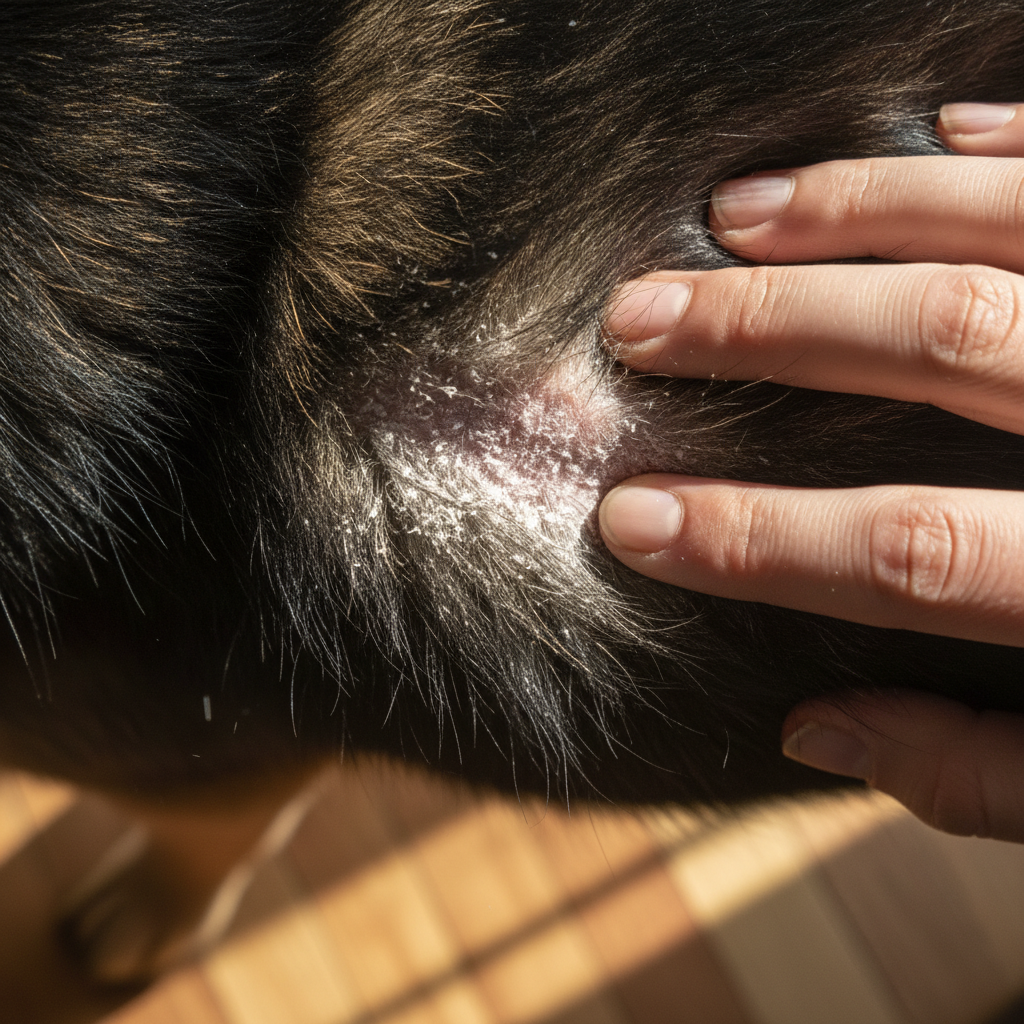
When people spot white flakes in their dog’s coat, they usually file it under “dry skin” and reach for a moisturizing shampoo. Sometimes that’s right. Often it isn’t, and that’s the reframe worth having: dandruff is rarely a standalone condition. It’s the skin’s way of reporting that something else has gone wrong, sometimes on the skin’s surface, sometimes deep in the body’s chemistry. The flakes are a readout, and different underlying problems produce different-looking readouts. Learn to interpret them and you skip a lot of trial and error, because the fastest route to relief runs through a diagnosis, not a bottle.
What dandruff actually is
Every animal constantly sheds dead skin cells, that’s normal. Dandruff is what happens when something disrupts the skin’s cell-turnover cycle and those cells start flaking off in excess. Classic dandruff shows up as light-colored flakes sitting on the skin’s surface or caught in the fur. But depending on the cause, a flaky dog may also have greasy fur, patches of hair loss, itching, redness, a bad odor, or bumps, and those extra clues are exactly what help pin down what’s going on.
The types, because the type is the clue
Several distinct conditions all get called “dandruff,” which is why a vet’s specific diagnosis matters so much.
Seborrhea sicca is the dry, flaky version most of us picture. These dogs need treatments that hydrate the skin while addressing whatever’s driving the flaking.
Seborrhea oleosa is the greasy version, skin and coat that feel oily on top of being flaky, and it calls for treatments aimed at that excess oil.
Primary versus secondary seborrhea is the big fork. Primary seborrhea is a genetic defect in the skin cells themselves that causes excess flaking, usually starting young. Secondary seborrhea, which is most cases, means the dog picked up the flaking later because of some other underlying problem. That distinction decides everything about treatment.
“Walking dandruff” is the sneaky one, and it isn’t dandruff at all. It’s a mite called Cheyletiella that lives on the skin’s surface and looks like flakes, until you notice the flakes are moving. The upside: it’s easy to clear with topical anti-parasitic medication.
What’s driving it
Because most dandruff is secondary, the useful question is always “flaking from what?” Common answers:
Allergies. Food or environmental allergies inflame and irritate the skin, and they’re one of the most frequent culprits behind a flaky coat.
Skin infections. Bacteria, yeast, or parasites like fleas and mites all damage the skin and can trigger dandruff.
Genetics. Primary seborrhea, that direct skin-cell dysfunction, is often inherited, and it turns up more in spaniel breeds, German Shepherds, West Highland White Terriers, and Bulldogs.
Systemic disease. This is the one people miss. Hormone imbalances from hypothyroidism, Cushing’s disease, or diabetes change the skin’s normal makeup and can express as dandruff, which is why a whole-body problem sometimes shows up first as flakes.
Nutrition. A poor or imbalanced diet, or a food allergy, shows up in the coat.
Dry skin. Genuinely dry environments can do it, and so can over-bathing, which strips the natural oils that protect skin and coat.
What newer research adds
If there’s one at-home lever with real evidence behind it, it’s fatty acids. Research on the canine skin barrier has consistently found that omega-3 and omega-6 fatty acids help calm inflammation and improve the skin’s ability to hold moisture, which is why so many veterinary dermatology plans now build them in, through diet or supplements, alongside whatever else is being treated. It’s not a cure-all, a dog with untreated hypothyroidism or a raging flea infestation needs those handled first, but supporting the skin barrier from the inside has moved from folk wisdom to a standard part of the toolkit. Ask your vet about dosing rather than guessing, since the amount that helps is higher than what’s in most maintenance diets.
Treating it
Because “dandruff” spans so many conditions, treatment has to be tailored, a desert-dry dog and a dog with unregulated hypothyroidism need completely different plans. Once your vet has a specific diagnosis, the common tools include:
Bathing. Anti-dandruff and medicated shampoos target specific problems, and there are different formulas for dry versus oily skin, so expect some trial and error to find one your dog tolerates. If there’s an infection or allergy on top, your vet may prescribe a medicated shampoo that treats those too.
Topicals. Applied to the skin directly, often alongside other treatments. Omega-3 and omega-6 topicals can reduce inflammation and boost moisture in dry skin, and antimicrobial sprays help control secondary yeast or bacterial infections.
Preventive care. Staying current on deworming and flea-and-tick prevention matters for every dog but especially one with fragile, inflamed skin, where a flea infestation is even more damaging. Dogs with skin conditions should be on year-round flea prevention for that extra buffer.
Diet and supplements. A complete-and-balanced diet appropriate for your dog’s life stage supports healthy skin and coat. Some dogs need a specialized diet for a food allergy or extra fatty acids, and supplements like fish oils and probiotics may help. Certain forms of dandruff also respond to targeted additions like vitamin A as part of a treatment protocol.
Grooming. Regular brushing keeps skin and coat healthy, and matted fur is painful and unsanitary. For dogs in active treatment, keeping the coat trimmed short helps shampoos and topicals actually reach the skin.
The word ‘dandruff’ makes people think small, like it’s a cosmetic thing to rinse away. But I’ve had flaky-coat visits end in a thyroid diagnosis. I treat the flakes as a question, not an answer. Once we know whether we’re dealing with allergies, an infection, a hormone problem, or just a dog who’s bathed too often, the treatment almost picks itself, and the dog gets comfortable a lot faster than if we’d just kept buying shampoo.
Preventing it
Do what you can to keep skin and coat healthy: feed a complete-and-balanced diet, brush and groom regularly, and stay on year-round flea, tick, and deworming prevention. Not every cause is preventable, so if your dog shows signs of a skin problem, see a vet promptly. Skin conditions tend to snowball as secondary problems pile on, so catching the underlying cause early means less damage, less discomfort, and a faster return to a normal, non-flaky coat.
References
- Heinrich, N. “Seborrhea in Animals.” Merck Veterinary Manual, September 2024. merckvetmanual.com
- Lundberg, A., et al. “Diagnosing Common Skin Conditions of Dogs and Cats in Community Medicine Practice.” Today’s Veterinary Practice, May/June 2022.
- Nuttall, T., et al. “Update on Pathogenesis, Diagnosis, and Treatment of Atopic Dermatitis in Dogs.” Journal of the American Veterinary Medical Association, vol. 254, no. 11, 2019, pp. 1291–1300.
- Bauer, John E. “Therapeutic Use of Fish Oils in Companion Animals.” Journal of the American Veterinary Medical Association, vol. 239, no. 11, 2011, pp. 1441–1451.
Not a substitute for your vet. Our guidance is educational. For urgent symptoms, contact a vet or emergency clinic right away. Editorial standards
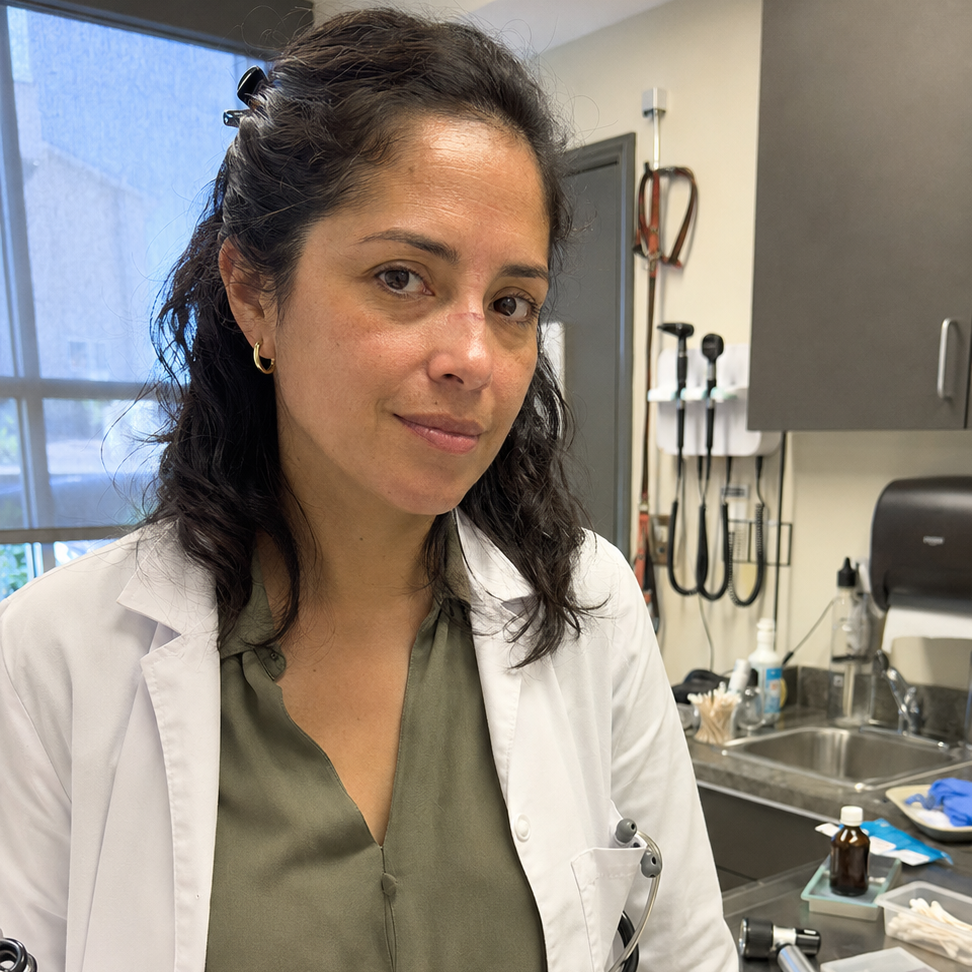
Dr. Solis is a board-certified veterinary dermatologist with over twelve years of clinical experience. She advises on skin conditions, allergies, and grooming practices that affect coat and skin health. All dermatology and allergy content at The Pet Times is reviewed by her team before publication.
Meet our experts ↗Keep reading
 Health & WellnessMost Dog Hair-Loss 'Remedies' Treat the Wrong ThingDr. Mara Chen · 9 min
 Health & Wellness'Natural' Dog Shampoo Isn't a Safety Claim. Nobody Is Checking.Dr. Priya Nair · 7 min
 Health & WellnessYour Dog's Cracked Paws Are Trying to Tell You SomethingDr. Lena Park · 8 min
 Health & WellnessBathing Your Dog More Won't Fix the Smell. Finding It Will.Dr. Priya Nair · 8 min
 Health & WellnessNothing in Your Pantry Will Cure Your Dog's Itch. 11 Things Will Make Tonight Bearable.Dr. Nina Kohl · 8 min
 Health & WellnessThe Bath Mistake That Ends in a Vet Bill: Letting Your Dog Stay DampDr. Lena Park · 6 min