


Bathing Your Dog More Won't Fix the Smell. Finding It Will.
A stinky dog is a location problem, not a hygiene problem. Here's the odor map: what each smell means, where it's coming from, and when more bathing makes it worse.

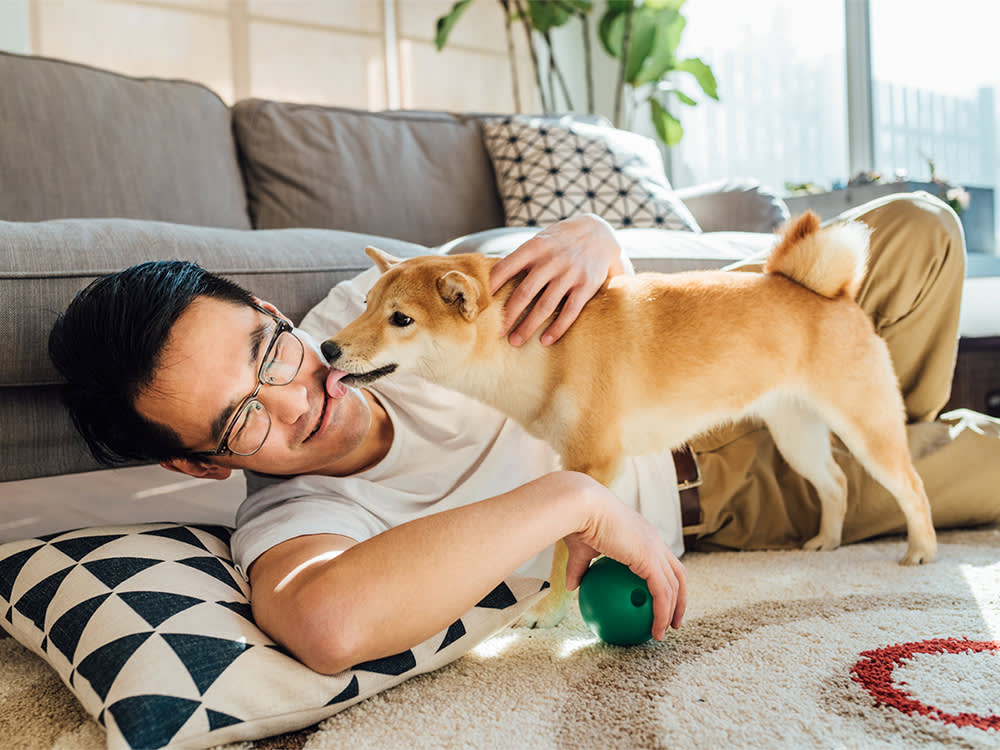
The instinct, when a dog starts to smell, is to wash the dog. It is also, more often than not, the wrong move. A great many “smelly dog” cases are dogs who are being bathed too often, which strips the coat, irritates the skin, and hands the yeast and bacteria that cause the odor a better environment to grow in.
Here is the more useful way to think about it. Dog odor is a location problem. The smell is coming from somewhere specific, and the somewhere is almost always one of six places: the mouth, the ears, the skin (especially where it folds), the anal glands, the gut, or the coat itself. Each of those sites produces a distinctive smell, and each one has a different fix. Some of them are grooming. Several of them are medicine.
So before you reach for the shampoo, get your nose close and find the source.
The six places the smell is actually coming from
The mouth
Bad breath is the single most common source of “my dog stinks,” particularly in older dogs, and it is not a breath problem. Halitosis in dogs comes from plaque and tartar, exactly as it does in us, and behind the smell is inflamed gum, infected root, and bacteria with a direct line into the bloodstream.
Brush the teeth. Actually brush them, with a dog-safe paste, on a schedule you keep. Raw bones can help scrape plaque under close supervision. And if what you are smelling is genuinely rotten rather than just stale, book a professional exam and cleaning. That smell means disease, not neglect.
The ears
Ear infections produce one of the foulest smells a dog can generate, and they are common: allergies, mites, excess hair, trapped moisture, underlying disease, and, ironically, over-cleaning all set them up. Dogs with hairy or floppy ears are the usual suspects.
An ear is talking to you when you see scratching or rubbing at the head, redness, discharge, and, of course, the odor. That combination is not a bath. It is an appointment.
The skin, and especially the folds
Skin fold dermatitis is exactly what it sounds like: warm, damp, oxygen-poor real estate between rolls of skin, colonized happily by yeast and bacteria. Shar Peis, French Bulldogs, Pugs, Basset Hounds, and Boxers are the classic cases.
This is also where the “wet dog” smell comes from, everywhere on the body, not just the folds. The yeast and bacteria that live normally on canine skin are mild-smelling when dry, and they get loud when wet. If your dog smells like a wet dog while dry, the balance has tipped.
The anal glands
If your dog is scooting across your carpet, stop reading and book a vet visit. The anal glands produce a genuinely unforgettable fishy, brown-note smell, and they are supposed to empty on their own when a dog poops. When they do not, they impact.
Impaction is often managed by periodic manual expression at the vet. In some dogs, a change in diet reduces how often that is needed, sometimes substantially. Either way, this one is not solvable with shampoo.
The gut
Dogs fart. It is not, on its own, a diagnosis. More than 99% of the gas moving through the intestinal tract is odorless, so the loud stuff is a small minority of what is happening down there. But excessive, foul flatulence, particularly if it is new, points at food intolerance or another gastrointestinal problem, and it is worth mentioning to your vet rather than living with it.
The systemic smells
Some odors are not local at all. Bad breath can be the first sign of kidney disease or diabetes rather than dental disease. Kidney disease sits near the top of the worry list for senior dogs, and it announces itself early with exactly this kind of vague, wrong-smelling change, plus bad breath and, often, accidents in the house.
That is the important asterisk on this whole article. A new smell in an older dog is a medical event until a vet says otherwise.
The smell is data, and I wish more people brought it to me instead of washing it off before the appointment. Sweet or chemical on the breath is a very different conversation from rotten on the breath, and both are different from a dog who smells like a damp towel all over. Tell me what it smells like and where you had to put your nose to find it, and you have done half of my job.
The yeast that explains most of it
There is a single organism sitting underneath a surprising number of these smells, and knowing its name changes how you think about dog odor.
Malassezia pachydermatis is a lipid-loving yeast that lives, in small numbers, on perfectly healthy dogs. Its normal addresses are precisely the places that go wrong: the ear canals, the skin folds, the lips, the armpits, between the toes, and, notably, in and around the anal sacs. It is not an invader. It is a tenant.
The problem is overgrowth. Give it heat, humidity, damp skin, or a dog whose immune system or skin barrier is compromised (allergic dogs are the classic case), and the population explodes. The clinical picture is itchy, greasy, reddened, thickened skin, often with a yellowish or grey scale, and a smell veterinary dermatology literature politely describes as rancid fat.
Two practical consequences follow.
First, this explains why the smell is so often worse in the humid months, worse in the folds, and worse in the ears. It is the same organism finding the same conditions in different places.
Second, it explains why a scented shampoo makes things worse. You have added moisture to a yeast’s favorite environment and covered the odor for a day. Malassezia overgrowth is treated with medicated shampoos, and sometimes systemic antifungals, chosen by a vet who has actually looked at the skin. The over-the-counter bottle with the lavender label is not in that fight.
How much bathing is right
Assuming your vet has confirmed there is no medical cause, the answer is: less than you think.
A dog with normal, healthy skin does not need frequent baths. Every other week is a reasonable outer limit for a dog you are trying to de-funk, and many dogs are perfectly well served by a bath a few times a year and whenever they get filthy. Watch the skin as you go. Flaking, redness, or itching after bathing means you are overdoing it.
Dogs with actual skin disease are the exception, and they are the exception in both directions. They often need more frequent bathing, with specific medicated shampoos, on a schedule your vet sets. Diseased skin is not a place to improvise a routine. Ask.
What to actually do at home
Wash your bedding, not just your dog. If you sleep with your dog, your sheets are a reservoir of oils, dander, and dirt, and they are half of the smell in your bedroom. Every three to four days is the recommendation for pet parents who share a bed, especially if you have noticed an odor. Wash the dog’s bed and blankets on the same day you bathe the dog, and the whole thing becomes one chore instead of two.
Brush, seriously. Brushing pulls out the dead coat and dander that carry odor, and it keeps that material off your furniture and bedding.
Vacuum more than feels reasonable. Fur accumulates faster than anyone estimates. Regular vacuuming keeps the house from smelling like the dog and helps keep fleas from setting up.
Use scent carefully. Lavender and chamomile are among the few essential oils with real evidence for a calming effect in dogs, and used properly, in a diffused, well-ventilated space, they can make a room pleasant. They are a top note, not a treatment, and they should never be applied to a dog’s coat or skin.
The one-minute odor map
Put your nose to work in this order.
- Breath? Dental disease, or, if it is sweet or ammonia-like, a systemic problem. Vet.
- Ears? Infection. Vet.
- Folds and belly? Yeast or bacterial dermatitis. Vet, then medicated bathing.
- Back end, plus scooting? Anal glands. Vet.
- All over, even when dry? Skin flora out of balance, often Malassezia. Vet.
- None of the above, and the dog is otherwise well? Congratulations, it is a hygiene problem after all. Brush, wash the bedding, and give them a bath.
Notice how many roads lead to the vet. That is not defensive medicine, it is the honest answer: most dogs who genuinely stink have something wrong, and shampoo is what people reach for when they have skipped the diagnosis.
What’s new since this was written
The bigger shift in veterinary dermatology has been away from thinking of dog skin as sterile-until-infected and toward treating it as a microbiome, a working community of bacteria and yeast that is usually in balance and occasionally is not. Recent reviews of Malassezia describe an almost symbiotic relationship between the yeast and the staph bacteria on canine skin: each makes the environment friendlier for the other, which is why the smelly, greasy, itchy dog so often turns out to have both at once.
The practical translation for owners is unglamorous but real. Smell is the earliest and cheapest sign that the balance has tipped, and it usually shows up weeks before the skin looks obviously bad. If your dog smells different than they did last year, that is worth an exam, not an extra bath.
References
- Bond, R., Morris, D. O., Guillot, J., et al. (2020). Biology, diagnosis and treatment of Malassezia dermatitis in dogs and cats: Clinical Consensus Guidelines of the World Association for Veterinary Dermatology. Veterinary Dermatology, 31(1), 27–e4.
- Guillot, J., & Bond, R. (2020). Malassezia Yeasts in Veterinary Dermatology: An Updated Overview. Frontiers in Cellular and Infection Microbiology.
- Cornell University College of Veterinary Medicine, Riney Canine Health Center. Chronic Kidney Disease.
- American Veterinary Medical Association. Pet Dental Care.
- Merck Veterinary Manual. Anal Sac Disease in Dogs.
Not a substitute for your vet. Our guidance is educational. For urgent symptoms, contact a vet or emergency clinic right away. Editorial standards
Dr. Nair is a veterinarian focused on diet and feeding. She covers everyday nutrition, treats, and the many "can they eat this?" questions owners ask, grounding each answer in what is actually safe and sensible for dogs and cats.
Meet our experts ↗Keep reading
 Health & Wellness'Natural' Dog Shampoo Isn't a Safety Claim. Nobody Is Checking.Dr. Priya Nair · 7 min
 Health & WellnessOne Frenchie's Miserable, Itchy Skin Built an Entire Dog-Skincare BrandDr. Mara Chen · 6 min
 Health & WellnessMost Dog Hair-Loss 'Remedies' Treat the Wrong ThingDr. Mara Chen · 9 min
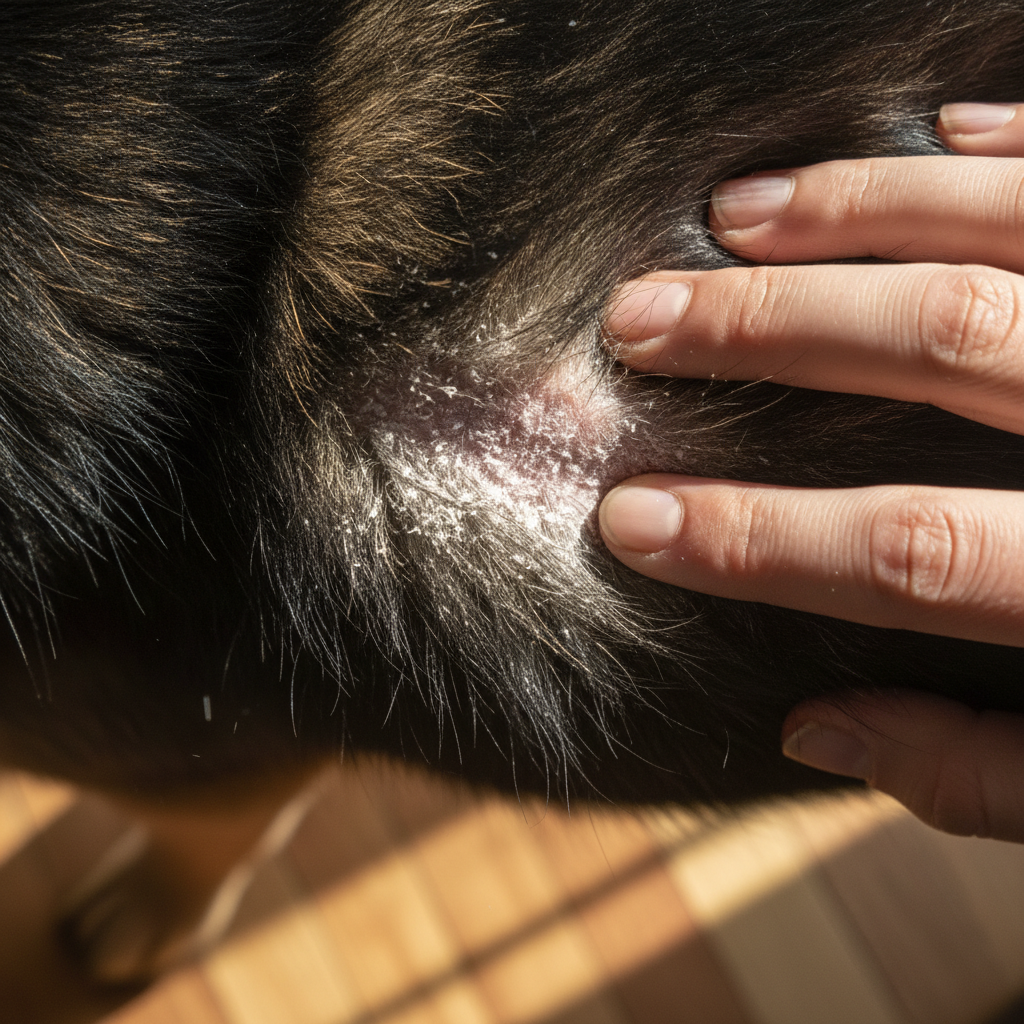 Health & WellnessThose Flakes on Your Dog Aren't Dry Skin. They're a Readout.Dr. Amara Solis · 7 min
 Health & WellnessFifteen Seconds Is Grooming. A Minute Is a Symptom.Dr. Mara Chen · 7 min
 Health & WellnessMost Home Remedies for Dog Skin Do Nothing. Three Are Worth Keeping in the House.Dr. Nina Kohl · 11 min