


Answers Dog Food Recall: The Lot Numbers Matter Today, the Handling Every Day
The FDA flagged Salmonella and Listeria in specific lots of Answers raw dog food. Here are the exact lots to pull, plus the part the recall notice leaves out: why raw diets keep showing up in these alerts and how to handle them safely.

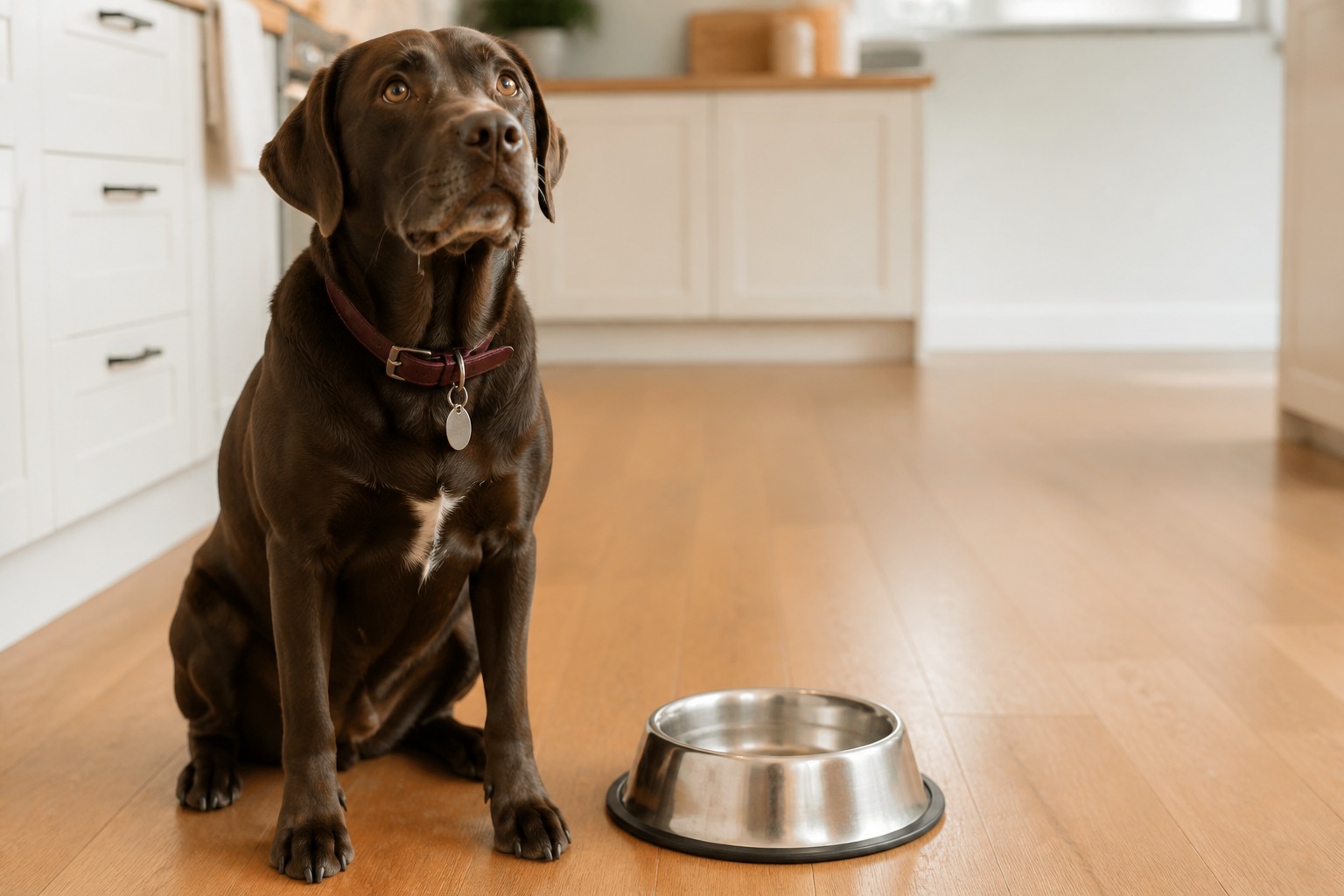
A food recall notice is built to answer one question fast: do I have the affected product? So start there. But the Answers Pet Food recall is also a useful moment to understand something the notice does not tell you, which is why a brand keeps turning up in these alerts and what that means for how you handle any raw diet, recall or not.
First, the part you can act on right now
Answers Pet Food has issued a voluntary recall of several products after Food and Drug Administration testing found Salmonella and Listeria monocytogenes. The affected products are Answers Detailed Beef Formula for Dogs, Answers Straight Beef Formula for Dogs, and Answers Straight Chicken Formula for Dogs.
They were sold in four-pound cartons. Check the lot codes:
- Detailed Beef Formula for Dogs — lot “BUBD MAY 06, 2026”
- Straight Beef Formula for Dogs — lot “BUBD JAN 31, 2026”
- Straight Chicken Formula for Dogs — lots “BUBD JAN 02, 2026” and “MAR 11, 2026”
If you have product from any of these lots, the FDA says to throw it out or destroy it so children, pets, and wildlife cannot reach it. Wear gloves or use paper towels when you handle it, and sanitize any surface it touched. For a refund, Answers asks customers to email a receipt and photo to info@answerspetfood.com.
So far no illness has been linked to the recall; the lots are being pulled preventively, which is exactly how the system is supposed to work.
Why these two bacteria are the concern
Both pathogens can sicken dogs and the people who live with them.
The first clues are usually digestive: a dog who skips meals, vomits or has diarrhea, runs a fever, seems drained, or flinches when you touch the abdomen. A more severely affected dog can tip into signs of shock, pale gums, weakness, collapse, from the toxins these bacteria produce. That dog needs a vet the same day, not a wait-and-see at home.
The human risk is real and easy to underestimate. People most often infect themselves not by eating pet food but by handling it and then touching their mouth, a utensil, or a counter. The FDA notes that children, older adults, and anyone with a weakened immune system face a higher risk of serious Salmonella infection, and Listeria is particularly dangerous in pregnancy. If you handled an affected lot, or your dog ate it, monitor everyone’s symptoms and call your physician or veterinarian if any appear.
The context the recall notice leaves out
Here is what a single recall page cannot show you: the pattern. This is not a one-off. In June 2025, after a facility inspection, the FDA issued a formal warning letter to Answers Pet Food citing violations and Salmonella and Listeria contamination across multiple retail-sampled lots. A brand drawing a warning letter and then a recall is a signal worth weighing, not background noise.
The deeper pattern is about the category, not just the company. Raw and minimally processed diets show up in bacterial recalls far more often than cooked ones, because cooking is what kills these organisms and raw food skips that step. The FDA’s own testing of raw pet foods found Salmonella in a meaningful share of samples and Listeria in even more, and a Cornell study was able to culture potentially dangerous bacteria from roughly 42 percent of raw cat foods tested, versus none of the cooked ones. None of that means every raw feeder will face a sick pet. It does mean the baseline risk is structurally higher, which is why these alerts keep landing on raw brands.
“If you feed raw, the recall list is the emergency, but the handling is the everyday job,” Mehta says. “Treat raw pet food the way you’d treat raw chicken for your own dinner, because microbiologically that’s what it is.”
A safe-handling routine for any raw diet
Whether or not your brand is on a list today, these habits cut the risk every day:
- Wash your hands with soap for 20 seconds before and after handling the food.
- Clean bowls, scoops, and prep surfaces with hot, soapy water after every meal, and don’t prep pet food where you prep your own.
- Store raw food frozen or refrigerated, separate from human food, and thaw it in the fridge rather than on the counter.
- Pick up and discard uneaten raw food promptly instead of leaving it out.
- Be extra cautious if anyone in the home is pregnant, very young, elderly, or immunocompromised. For those households, many vets recommend reconsidering raw feeding altogether.
How to report a problem
If your pet gets sick from a food, you are not just protecting your own dog by reporting it, you are how the next recall gets triggered. The FDA’s Safety Reporting Portal accepts pet-food complaints, and your veterinarian can submit clinical details. Keep the packaging, the lot code, and a sample if you can; that paper trail is what turns one sick dog into an investigation that pulls a bad lot off shelves.
References
- “Answers Pet Food Voluntarily Withdraws Certain Limited Lots of Beef and Chicken Dog Foods.” U.S. Food and Drug Administration. https://www.fda.gov/safety/recalls-market-withdrawals-safety-alerts/answers-pet-food-voluntarily-withdrawals-certain-limited-lots-beef-and-chicken-dog-foods-due
- “Get the Facts! Raw Pet Food Diets Can Be Dangerous to You and Your Pet.” U.S. Food and Drug Administration. https://www.fda.gov/animal-veterinary/animal-health-literacy/get-facts-raw-pet-food-diets-can-be-dangerous-you-and-your-pet
- “Outbreaks and Advisories.” U.S. Food and Drug Administration. https://www.fda.gov/animal-veterinary/news-events/outbreaks-and-advisories
- “How to Report a Pet Food Complaint.” U.S. Food and Drug Administration. https://www.fda.gov/animal-veterinary/report-problem/how-report-pet-food-complaint
Not a substitute for your vet. Our guidance is educational. For urgent symptoms, contact a vet or emergency clinic right away. Editorial standards
Dr. Mehta is a board-certified veterinary nutritionist who evaluates pet food formulations, ingredient quality, and the science behind dietary trends. He writes and reviews all nutrition content at The Pet Times, including our food rankings and feeding guides.
Meet our experts ↗Keep reading
 Health & WellnessA Puppy Ate 24 Socks and Survived. Your Laundry Pile Was the Warning.Sara Lim · 4 min
 Health & WellnessYour Dog Is Not a Carbon Monoxide Detector. Don't Treat Them Like One.Dr. Priya Nair · 6 min
 Health & WellnessThe Scrape You Shrug Off Is the One That Turns DeadlyDr. Amara Solis · 6 min
 Health & WellnessYour Dog Ate Chocolate: The Weight-and-Type Math That Tells You What to DoDr. Ravi Mehta · 7 min
 Health & WellnessYour Dog Ate a Chicken Bone. Where It Lands Decides Everything.Dr. Ravi Mehta · 6 min
 Health & WellnessEvery Second You Spend on Snakebite First Aid Is a Second Your Dog Is DyingDr. Ravi Mehta · 8 min