
Someone with an active cold sore inevitably worries about the enthusiastic face-licker in their life: can I give this to my dog? It is a fair question, and the answer is a flat, reassuring no. Human cold sores cannot infect dogs, full stop, and no amount of slobbery affection will change that. But the more interesting story is the one that runs the other way. Dogs have their own herpesvirus, and while it is a shrug for most adult dogs, it is one of the quiet killers of newborn puppies. Understanding the difference is what keeps you from panicking over a harmless lick, and alert to the situation that genuinely matters.
Why your cold sore stays yours
Cold sores in people are caused by herpes simplex virus (HSV-1 and HSV-2). Herpesviruses are, as a rule, loyal to a narrow range of species, and human herpes simplex does not cross into dogs. So the sore on your lip is not going anywhere near your dog’s biology, however much face-kissing goes on.
One aside worth filing away for reasons that have nothing to do with dogs: HSV-1 can spread to a few small mammals, notably rabbits and chinchillas, and in those species it can cause severe, sometimes fatal neurological disease. If you have an active cold sore, keep your distance from pet rabbits and chinchillas. Dogs, though, are simply not susceptible.
Canine herpesvirus: a different virus with a different personality
Dogs have their own version, canine herpesvirus (CHV-1, also called canine alphaherpesvirus-1). It spreads through direct contact between dogs and from a mother to her puppies before, during, or after birth. Like human herpesviruses, once a dog is infected, the virus stays for life, going latent in the facial nerves and reactivating during stress, illness, or immune suppression. Dogs can shed it on and off for years, often without ever looking sick.
And it is common. Prevalence varies by region and setting, but blood testing has found infection rates as high as 86 percent in some populations. Because its worst effects fall on developing and newborn puppies, it has been tracked most closely in breeding dogs, where rates run higher in shared facilities like kennels than in ordinary households.
The key point: lifelong infection does not mean lifelong symptoms. Most dogs beat back the active infection and carry the virus quietly for the rest of their lives.
The one situation that is genuinely dangerous: newborn puppies
This is where canine herpesvirus earns its grim reputation. Newborn puppies run a lower body temperature than adults and depend on their mother and littermates for warmth, and the virus replicates most readily right in that neonatal temperature range of about 95 to 97 degrees Fahrenheit. In puppies under three weeks old, the results can be catastrophic.
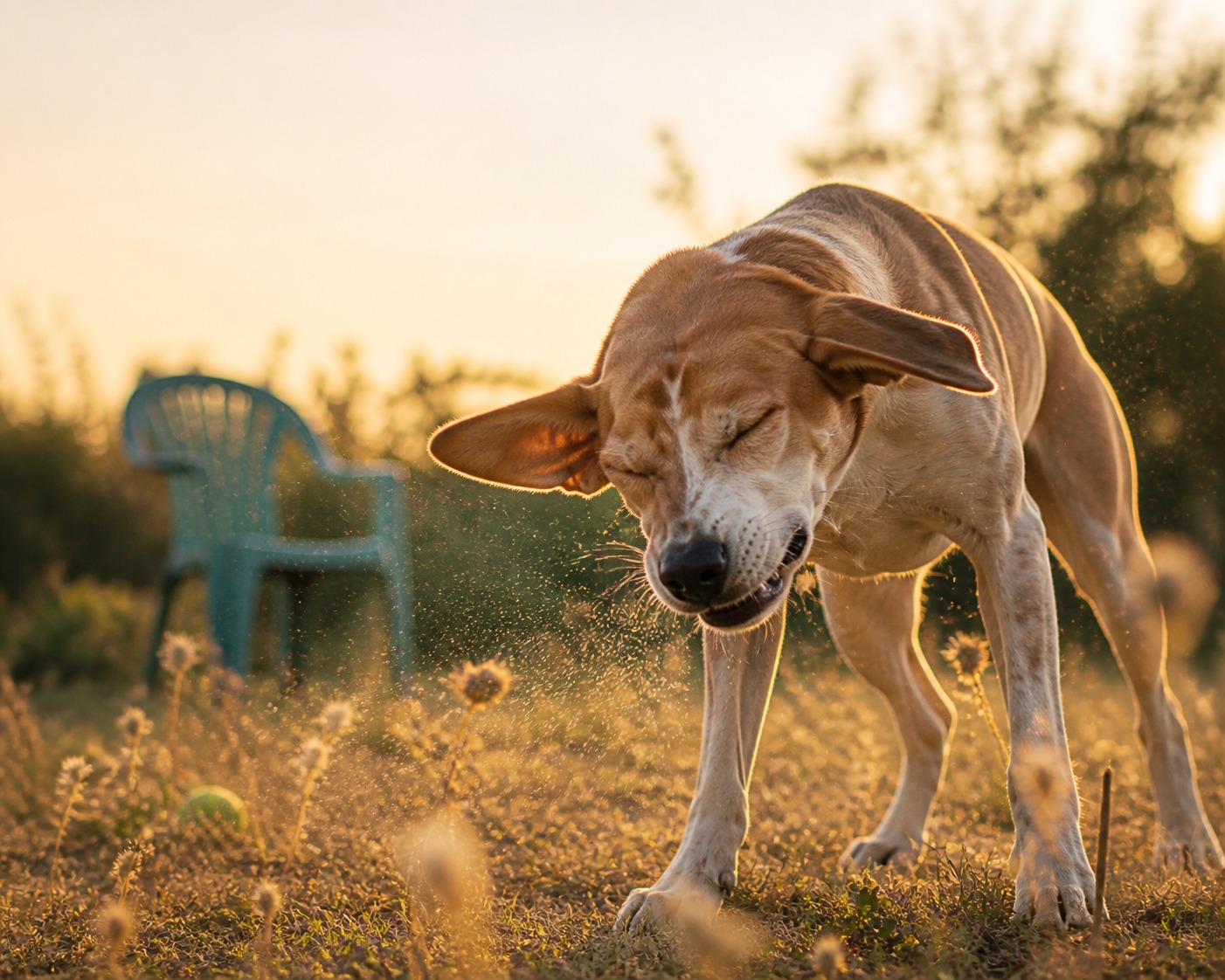
Signs of herpesvirus in newborns include poor or absent nursing, weight loss, diarrhea, abdominal pain, mental dullness, difficulty breathing, nasal discharge, seizures, bruising, and low body temperature. Tragically, most puppies infected in the womb or in the first days of life die within days. Those who survive can be left with lifelong neurological problems such as blindness or trouble walking. Puppies infected after three weeks of age tend to fare much better, often showing only upper-respiratory signs like coughing, sneezing, and eye or nasal discharge.
“The version of this virus that keeps breeders up at night isn’t anything you’d see in a family pet, it’s the litter,” says Dr. Mara Chen. “In a newborn, herpesvirus can move through a litter in a matter of days, and by the time the signs are obvious it’s often too late. That’s why the prevention conversation lives with breeding and whelping, not with your adult dog’s lifestyle.”
What it looks like in adult dogs
In healthy adults, canine herpesvirus is frequently invisible. When it does cause signs, they usually resemble an upper-respiratory infection, and in fact CHV-1 is one of the pathogens folded into the canine infectious respiratory disease complex better known as kennel cough. Some dogs develop genital signs, small fluid-filled blisters or redness around the genitals. A minority develop eye involvement, including ulcers on or around the surface of the eye. In immunocompromised adults, the infection can rarely turn serious, spreading and causing pneumonia, organ disease, or neurological illness. In breeding females, active infection can reduce fertility, shrink litters, and cause abortions or stillbirths.
Notably, none of that includes cold sores. The mouth lesions people worry about are not how this virus shows up.
So what is that sore on your dog’s lip?
Since it is not a cold sore, it deserves a real diagnosis. Dogs get lesions around the mouth for a range of reasons that have nothing to do with herpes: autoimmune disorders, ulcers secondary to dental disease, contact with a caustic substance, skin infections, and sometimes cancer. Because the causes are so different, and a few are serious, guessing is a bad idea.
Do not reach for the drugstore shelf. Antiviral ointments do nothing for these lesions, and zinc creams are actually toxic to dogs if licked. Instead, have your vet examine the sore. Depending on how it looks, they may swab it for bacteria or yeast, take a sample of cells, or biopsy it. Treatment follows the cause: a dental cleaning to remove plaque contacting the lips, antibiotics for an infected wound, steroids for an autoimmune condition, or surgery if it turns out to be a tumor.
Prevention that actually applies
Because dogs do not get cold sores, there is nothing to prevent on that front, and no natural remedy is needed; just keep any mouth wound clean. What is worth doing is broader mouth and immune health. Keep vaccinations current for both puppies and adults to control the other bugs behind canine respiratory infections. And take dental care seriously, brushing your dog’s teeth and following your vet’s cleaning schedule, because dental disease is a leading cause of the very lip ulcers people mistake for cold sores. If you ever notice a new wound or lesion around your dog’s mouth, get it checked promptly. Catching it early spares your dog pain and rules out the problems that matter.
What newer guidance adds
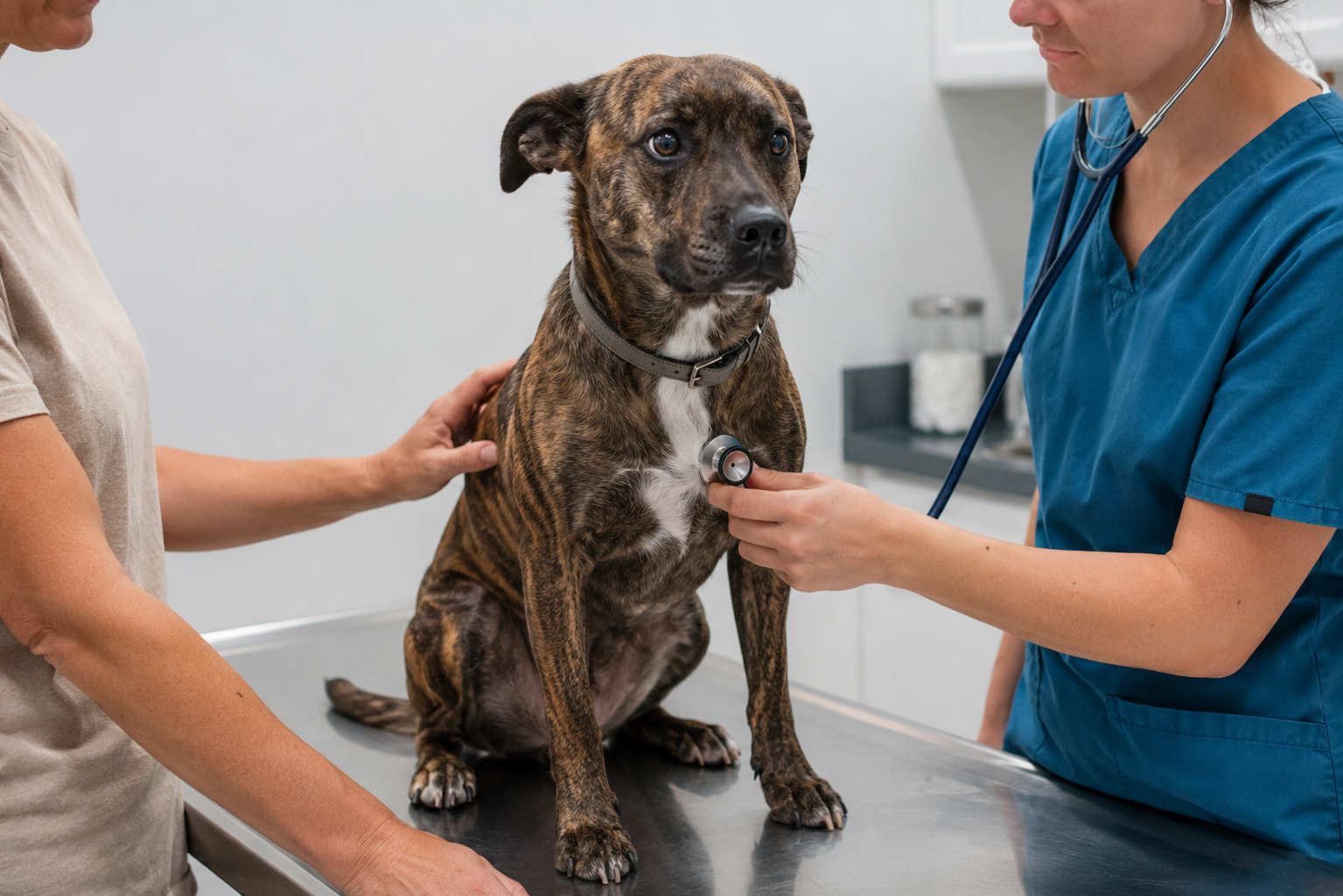
There is no cold-sore vaccine coming for dogs, because dogs do not get cold sores, but the vaccine picture for canine herpesvirus itself is worth a note for anyone breeding. There is still no CHV vaccine licensed in the United States. In the UK and Europe, a vaccine (Eurican Herpes 205) is available for breeding females: it is given to the pregnant mother so that protection passes to the puppies through her, shielding them during those critical first days of life. Availability of that European vaccine has fluctuated in recent years, so breeders in those regions should confirm supply with their vet rather than assume it is on the shelf. For the average pet owner in the US, none of this changes the day-to-day: keep the dental care up, and see your vet about any mouth lesion.
The bottom line
Dogs cannot get cold sores. Human herpes simplex does not infect them, so your cold sore is not a threat to your dog. Dogs carry a separate herpesvirus that is mild or silent in adults and dangerous mainly to newborn puppies, a breeding concern, not a face-licking one. And any sore around your dog’s mouth is a reason to call the vet, not to reach for antiviral cream, because it is something other than a cold sore and could point to a problem worth treating.
References
- Evermann, James F., et al. “Canine Herpesvirus.” Merck Veterinary Manual, 2023, https://www.merckvetmanual.com.
- Opstelten, Wim, et al. “Treatment and Prevention of Herpes Labialis.” Canadian Family Physician, vol. 54, no. 12, 2008, pp. 1683-1687, https://pmc.ncbi.nlm.nih.gov/articles/PMC2602638.
- Samies, Nicole L., and Scott H. James. “Prevention and Treatment of Neonatal Herpes Simplex Virus Infection.” Antiviral Research, vol. 176, 2020, 104721, https://pubmed.ncbi.nlm.nih.gov/32044154.
- European Medicines Agency. “Eurican Herpes 205.” EMA.europa.eu. Accessed 2 July 2026, https://www.ema.europa.eu/en/medicines/veterinary/EPAR/eurican-herpes-205.
- Grest, P., et al. “Herpes Simplex Encephalitis in a Domestic Rabbit.” Journal of Comparative Pathology, vol. 126, no. 4, 2002, pp. 308-311, https://pubmed.ncbi.nlm.nih.gov/12056779.