


Most Cat Colds Are Harmless. Learn the One Kind That Isn't.
Yes, cats get colds, and most run their course in a week or two with barely any help from you. The skill worth having is spotting the small number of cases that are something worse, including, now, bird flu.

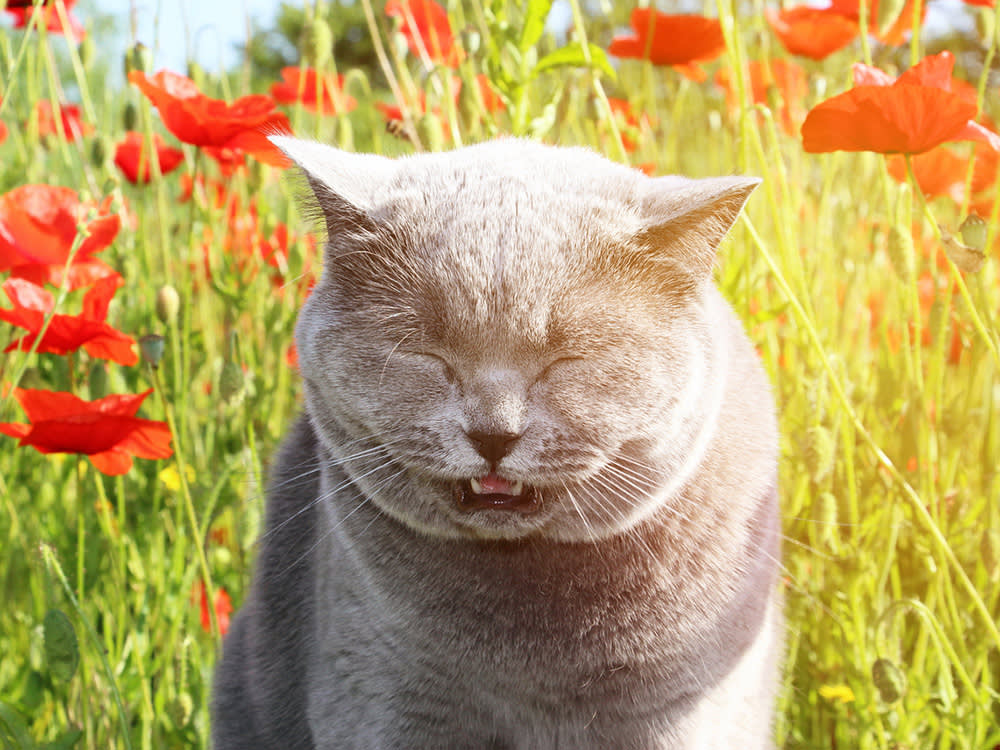
Here’s the reassuring truth first: yes, cats get colds, and the overwhelming majority of them are minor. A sniffly, sneezy cat with a runny nose usually has a garden-variety upper respiratory infection that clears up in a week or two, often with little more than patience and a warm place to rest. So the real skill isn’t panicking at the first sneeze. It’s knowing how to tell the ordinary cold, which needs almost nothing from you, from the small number of cases that are something more serious, a category that, as of the last couple of years, includes bird flu. That line is what this article is really about.
First, the good news about the common cat cold
A “cat cold” is an upper respiratory infection, or URI, and like the human common cold, most cases resolve on their own in about five to ten days. A cat with a mild infection can have a runny nose, sneezing, and some audible congestion while still feeling basically fine, playing, eating, and acting like themselves. That combination, real symptoms but a cat who’s clearly okay, is the picture of a cold you can manage at home.
And here’s a relief for anyone nursing their own cold on the couch: you can’t trade germs with your cat. The viruses behind cat colds are different from human cold viruses, so cuddling your sick cat won’t give you their sniffles, and your sore throat won’t become theirs. Cross-species cold-swapping isn’t a thing.
What’s actually causing it
Most cat colds are viral. The two big culprits are feline herpesvirus and feline calicivirus, which together drive the majority of feline URIs. Sometimes bacteria join in, most commonly Chlamydia felis or Mycoplasma felis, though these are usually secondary players rather than the original cause. (And no, these feline versions of herpes and chlamydia are not the human ones from health class.) Both main viruses are highly contagious among cats and spread fast wherever cats live in groups, like shelters and rescues.
Two quirks are worth knowing. Feline herpesvirus, like human herpes, never fully leaves, it lies dormant and tends to flare during stress, so a cat who had a URI as a kitten may get sniffly again years later during a move or a houseful of visitors. And calicivirus is hardy in the environment, surviving up to a month on bedding, clothes, and surfaces, which is why it spreads so easily through indirect contact. A vet can test to identify the exact bug, but often won’t, because cats are frequently recovering by the time results come back and the supportive treatment is the same regardless.
Home care for the ordinary cold
If your cat has a mild URI, still eating and reasonably bright, most of the job is comfort care. A steamy bathroom, sit with your cat while a hot shower runs for about ten minutes, once or twice a day, helps loosen congestion. Give them a warm, quiet spot to rest. Gently wipe discharge from the nose and eyes with a damp cloth. And because a congested cat can’t smell well, and cats who can’t smell their food often stop eating, offer slightly warmed wet food to amp up the aroma and keep them eating. Most mild colds improve within one to two weeks with nothing more.
One hard rule: never give human cold or decongestant medicine to a cat. Many are toxic to cats, whose bodies process drugs very differently from ours. If medication is needed, it comes from your vet.
The red flags that mean call the vet
Now the part that matters most. Certain signs lift a case out of the “watch at home” category. Greenish discharge from the nose or eyes, swollen or squinting eyes, coughing, lethargy, and fever point to a more serious infection. A hoarse, pathetic-sounding meow can accompany these. In severe cases you may see mouth ulcers, open-mouthed breathing or panting, loss of appetite, and dehydration.
Any of these warrants a call to your vet. So does a cold that drags on past a couple of weeks, or symptoms that are severe from the start, because not every runny nose is a cold, allergies, nasal polyps or tumors, bad dental disease, or a foreign object like a blade of grass lodged in the nose can all mimic a URI. And if your cat is ever struggling to breathe, that’s an emergency: go to a vet or emergency clinic immediately, don’t wait.
Kittens, senior cats, and cats with weakened immune systems deserve a lower threshold for calling, since infections hit them harder and last longer. When in doubt, your vet can decide over the phone whether it’s watch-and-wait or come-in.
I tell owners the ordinary cat cold is one of the few things I’m genuinely relaxed about, most resolve on their own, and forcing medication on a cat who doesn’t need it just adds misery. What I want people watching for is the shift: a cat who stops eating, breathes with an open mouth, goes quiet and floppy, or develops anything neurological. That’s no longer a cold, and with bird flu circulating, it’s a picture I take very seriously now.
The new reason not to ignore a serious case
For years the “when to worry” conversation was about bacterial infections and the vulnerable cats above. It now has another dimension. Since late 2024, H5N1 avian influenza has been causing severe, frequently fatal illness in cats, and its early signs can overlap with a URI: fever, lethargy, loss of appetite, nasal and eye discharge, sneezing, and coughing. What sets bird flu apart is that it often progresses to neurological signs, wobbliness, tremors, seizures, or blindness, and it carries a very high fatality rate, unlike the survivable common cold.
The cats most at risk are those exposed to the virus through raw meat, raw poultry, or raw milk, or through contact with wild birds or dairy-farm environments. If your cat has any of those exposures and develops respiratory illness, especially with any neurological sign, call your vet right away and mention the exposure so they can take precautions rather than bringing the cat straight into a waiting room. This is the one “cold” you never want to wait out.
Preventing colds in the first place
The best home therapy is prevention. Keep your cat’s core vaccines current, they may not prevent every infection, but they reduce severity and speed recovery. Avoid crowded boarding and contact with sick cats. Keeping cats indoors (or outdoors only on a harness or in an enclosed catio) cuts exposure to both cat viruses and, importantly now, wild birds carrying H5N1. For a cat with a herpesvirus history, minimizing stress, from visitors, new pets, moving, or construction, helps prevent flare-ups. And a complete, balanced diet supports the immune system doing the actual fighting.
What’s new since this was written
The headline change is bird flu. Through 2025, public-health and veterinary agencies documented H5N1 infections and deaths in domestic cats, including strictly indoor cats whose exposure traced to raw food, and at least one case of a cat transmitting the virus to a person. Current guidance specifically flags the combination of respiratory and neurological signs as a reason to seek urgent care and to tell the clinic about any raw-food or bird exposure in advance. For an illness that used to be almost entirely reassuring, that’s a meaningful addition to the “when to worry” list.
The core home care hasn’t changed, most cat colds remain mild and self-limiting, but the outer edge of the differential is scarier than it was. The takeaway isn’t to panic at a sneeze; it’s to know the specific red flags, neurological signs, open-mouthed breathing, a cat who stops eating, and act fast when you see them.
FAQs
What is “cat flu”? It’s an umbrella term for upper respiratory infections in cats, caused by feline viruses and sometimes bacteria. Like a human cold, it mainly affects the nose and throat. It is not the same as H5N1 avian influenza.
When should I take a sneezing cat to the vet? If the discharge is clear and there are no other symptoms, home care is usually fine. See the vet for colored discharge, coughing, appetite loss, mouth ulcers, lethargy, any breathing difficulty, or symptoms lasting more than two weeks.
Can a cat cold go away on its own? Yes, most mild feline URIs resolve within one to two weeks with supportive care. The exceptions are severe infections and vulnerable cats, who need veterinary attention.
References
- Cornell Feline Health Center. Feline Upper Respiratory Infection.
- Gourkow N, et al. “Associations Among Weight Loss, Stress, and Upper Respiratory Tract Infection in Shelter Cats.” Journal of the American Veterinary Medical Association, 2013.
- Cornell Feline Health Center. H5N1 Avian Influenza and Your Cat.
- Centers for Disease Control and Prevention. Managing Cats Exposed to Bird Flu (H5N1).
This piece discusses cat illness for general education and isn’t a substitute for veterinary care; when in doubt about your cat’s symptoms, contact your vet.
Not a substitute for your vet. Our guidance is educational. For urgent symptoms, contact a vet or emergency clinic right away. Editorial standards
Dr. Chen is a small-animal veterinarian who leads health and safety coverage at The Pet Times. She writes and reviews the bulk of our illness, condition, and safety content, translating clinical guidance into clear, practical advice owners can act on at home.
Meet our experts ↗Keep reading
 Health & WellnessVets Are Done Calling Frequent Vomiting 'Normal' for CatsDr. Lena Park · 9 min
 Health & WellnessYour Cat Peeing on Your Bed Isn't Spite. It's a Symptom.Dr. Priya Nair · 8 min
 Health & WellnessGarlic and Cats: The Toxin That Hides in Plain Sight on Your PlateDr. Amara Solis · 6 min
 Health & WellnessYour Cat's 'UTI' Probably Isn't One. Here's What's Really Going OnDr. Lena Park · 8 min
 Health & WellnessYour Cat Doesn't Have to Eat the Lily. The Vase Water Will Do.Dr. Amara Solis · 9 min
 Health & WellnessYour Kitten Can't Poop: When It's a Pumpkin Fix and When It's an EmergencyDr. Priya Nair · 7 min