


There's No Cute Buzz for Dogs. Alcohol Goes Straight to Poisoning.
Dogs can technically get drunk, but they skip the fun and land in toxicity. Here's how little it takes, the hidden sources beyond your drink, and exactly what to do.

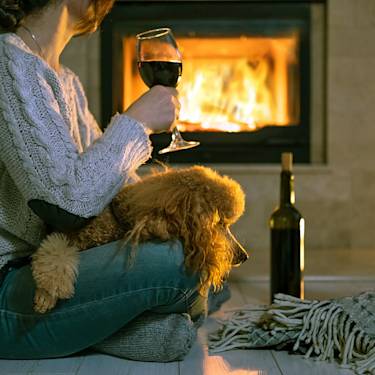
There is a certain genre of viral video, a dog laps up a spilled drink and wobbles around while people laugh, that gets the science exactly backwards. Dogs do not get a pleasant buzz. Ethanol, the alcohol in every drink you enjoy, is a toxin to them, and a dog’s body skips straight past “tipsy” into the symptoms of poisoning. The gap between a person’s night out and a dog’s reaction to the same amount of alcohol is enormous, and it is why “just a lick” is never the harmless party trick it looks like.
What actually happens when a dog drinks alcohol
Swallowed alcohol is absorbed rapidly from a dog’s digestive tract, and symptoms can appear within a short window. The dog’s liver races to break the ethanol down, and once the dose outpaces what the liver can clear, toxicity sets in. Alcohol goes on to affect the brain, the gut, breathing, and a dog’s ability to hold a safe body temperature and blood sugar. One detail people rarely consider: dogs can also absorb enough alcohol through their skin to get sick, which matters for products like hand sanitizer.
How little it takes
The amount that tips a dog into toxicity depends on a few things, and none of them work in a dog’s favor. First is the concentration of the drink. Just as with people, there is a wide range: beer and hard cider carry less ethanol than vodka, tequila, or whiskey, so the stronger the drink, the smaller the dangerous dose. Second is the dog’s size, and this is the big one. A small dog is affected by a fraction of what a large dog can absorb.
Concretely, a 10-pound dog can become sick from less than one to two tablespoons of alcohol, and a 50-pound dog from as little as three to four tablespoons, depending on the product. Those are tiny amounts. And because mixed drinks often contain other things that are toxic or unhealthy for dogs, some dogs get sick from a combination even when the alcohol itself was minimal.
The sources you’re not thinking about
Your cocktail is the obvious hazard. The sneaky ones are all over the house. Ethanol, methanol, and isopropanol turn up in hand sanitizer, perfumes and colognes, mouthwash, some cleaning products, and, importantly, in rotting fruit and rising bread dough, where fermentation produces alcohol directly. Raw yeast dough is a double threat, expanding in the warm stomach and generating ethanol as it ferments. All of these belong well out of a dog’s reach, not just the liquor cabinet.
Signs of alcohol poisoning in dogs
Symptoms usually show up within a few hours and can escalate. Neurological signs are the most common and range from mild to frightening:
- Wobbly, uncoordinated walking
- Trembling or shaking
- Excessive sleepiness or, conversely, confusion and disorientation
- Whining or crying
- Seizures or, in severe cases, coma
Digestive upset like vomiting and diarrhea is common too. At higher doses, alcohol can cause labored breathing or stop a dog’s breathing altogether, and some dogs develop dangerously low blood sugar and low body temperature. The severe end of this list is genuinely life-threatening.
The framing I wish more people had is that there is no recreational dose for a dog, there’s only a toxic one. By the time a dog looks ‘drunk,’ it’s already showing neurological toxicity. And with a small dog and a strong drink, the margin is razor-thin, so I’d rather get a phone call about one lick than a late-night emergency because someone waited to see what happened.
What to do if your dog gets into alcohol
Move quickly and call for guidance. Contact your vet or a pet poison hotline right away, because the right next step depends on your dog’s size and exactly how much pure alcohol they consumed, and the professionals can do that math with you. Do not try to make your dog vomit; alcohol is absorbed so fast that decontamination usually is not an option by the time you notice.
If the amount is concerning, your vet will likely send you in for emergency supportive care and monitoring. If they judge it minor, they may have you watch your dog at home, keeping them calm and quiet until the effects pass. Either way, follow their instructions closely. While you wait, keep an unsteady dog away from stairs and other fall risks, and give them a soft, quiet place to rest where they cannot hurt themselves.
What about “dog-friendly” drinks?
Fresh, clean water is and should stay your dog’s main beverage. A couple of alternatives come up:
“Dog beer.” These products exist, and the ones reviewed for this piece contain no alcohol, they are essentially flavored waters. An occasional taste is fine if your dog enjoys it. Just be aware some contain added sugar or salt that is not great in quantity.
Mocktails and other human drinks. Alcohol-free does not automatically mean dog-safe. Consider every ingredient: some contain spices, artificial sweeteners like xylitol (which is highly toxic to dogs), or heavy sugar and salt. Read before you share.
When it’s a same-day emergency
Any dog that has consumed a large amount of alcohol, or that shows signs of illness after getting into any alcohol-containing product, needs a vet right away. If you are unsure whether the amount your dog got will make them sick, call a pet poison hotline immediately rather than waiting to find out. Mild signs often resolve with basic supportive care, but seizures, breathing trouble, low blood sugar, and low body temperature are the kind of emergencies that require intensive, hands-on monitoring by professionals.
The bottom line
Dogs can get drunk, but they get none of the buzz and all of the poison. Even small amounts of concentrated alcohol can seriously harm a dog, especially a small one, and the danger extends well beyond your glass to sanitizer, rotting fruit, and rising dough. There is no safe amount, so keep everything alcoholic out of reach, and if your dog does get into something, call your vet or a poison hotline right away rather than waiting to see what happens.
References
- Gwaltney-Brant, Sharon. “Alcohol Toxicosis in Animals.” Merck Veterinary Manual, March 2025, https://www.merckvetmanual.com/toxicology/food-hazards/alcohol-toxicosis-in-animals.
- Wismer, Tina. “Ethanol Toxicosis: A Review.” Today’s Veterinary Practice, March/April 2017, https://todaysveterinarypractice.com.
- ASPCA Animal Poison Control Center. “People Foods to Avoid Feeding Your Pets.” Accessed 2 July 2026, https://www.aspca.org/pet-care/animal-poison-control/people-foods-avoid-feeding-your-pets.
- Pet Poison Helpline. “Alcohol.” Accessed 2 July 2026, https://www.petpoisonhelpline.com/poison/alcohol.
Common questions
How much alcohol is dangerous for a dog?
There's no safe amount. A dog under 10 pounds can show signs of toxicity from less than a tablespoon of alcohol, depending on the concentration. Smaller dogs and stronger drinks mean less is needed to cause harm.
What should I do if my dog drinks alcohol?
Call your vet or a pet poison hotline right away. Alcohol is absorbed fast, so inducing vomiting usually isn't an option. Based on your dog's size and how much they drank, they'll advise home monitoring or emergency care.
Is dog beer safe?
The dog beers on the market are alcohol-free, essentially flavored water, so an occasional taste is fine. Just watch for added sugar or salt. Never give a dog real, alcoholic beer.
Not a substitute for your vet. Our guidance is educational. For urgent symptoms, contact a vet or emergency clinic right away. Editorial standards
Dr. Solis is a board-certified veterinary dermatologist with over twelve years of clinical experience. She advises on skin conditions, allergies, and grooming practices that affect coat and skin health. All dermatology and allergy content at The Pet Times is reviewed by her team before publication.
Meet our experts ↗Keep reading
 Health & WellnessPut Down the Neosporin. Your Dog Is Just Going to Eat It.Dr. Ravi Mehta · 7 min
 Health & WellnessDogs Barely Sweat to Cool Down. That's Why Heat Sneaks Up on Them.Dr. Mara Chen · 8 min
 Health & WellnessCooked Salmon Is a Gift. Raw Fish From a Lake Can Kill Your Dog.Dr. Priya Nair · 5 min
 Health & WellnessTwo Ounces of Gorilla Glue Can Put Your Dog in SurgeryDr. Ravi Mehta · 5 min
 Health & WellnessThe Most Dangerous Vomit Is the One That Never Comes UpDr. Mara Chen · 8 min
 Health & WellnessHydrogen Peroxide for Dogs: The First-Aid Staple That's Being RetiredDr. Ravi Mehta · 7 min