


The Backseat Habits That Turn a Dog Road Trip Dangerous
A dog with its head out the window looks like the whole point of a road trip. It's also one of the riskiest things you can do. Here's how to actually keep your co-pilot safe, from crash-tested restraints to the hotel-floor check nobody remembers.

Affiliate disclosure. This article contains affiliate links. We may earn a small commission if you buy through a link, at no extra cost to you. How we handle recommendations.
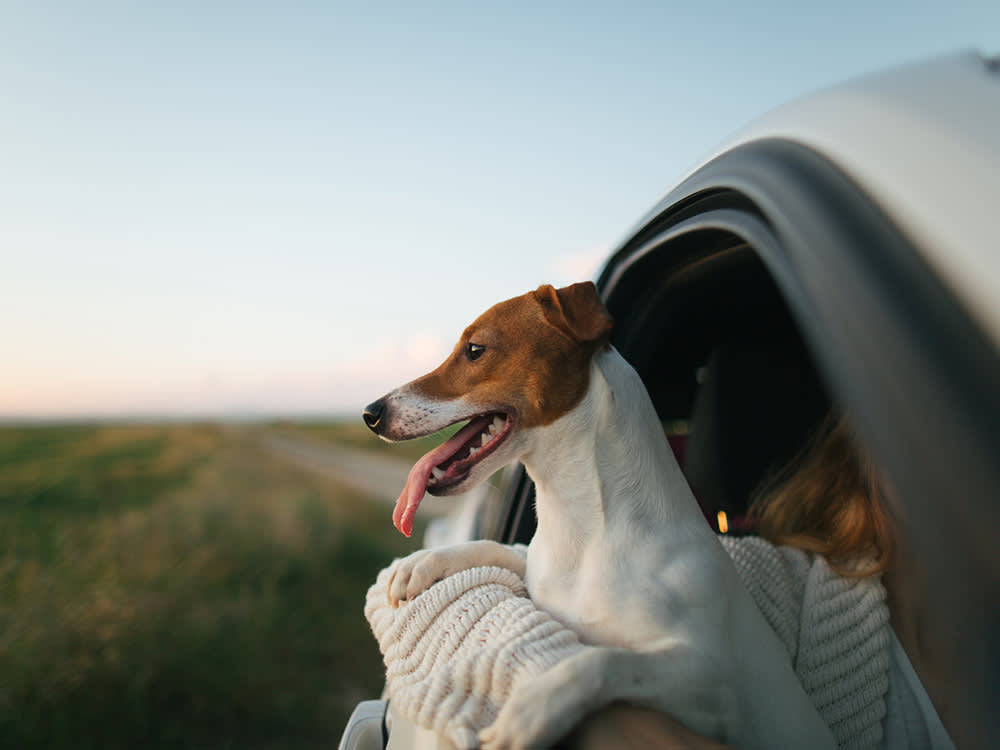
There’s a picture in everyone’s head of the perfect dog road trip: windows down, ears flapping, tongue out, pure joy. It’s a great picture. It’s also a genuinely dangerous way to travel, and it’s the exact thing this guide is going to talk you out of. The good news is that the safe version of the trip is just as fun for your dog and a lot less likely to end at an emergency vet three states from home.
Before you load the car, a few things are worth getting right, because the difference between a smooth trip and a scary one usually comes down to how your dog is secured and how well you’ve planned the boring parts.
Restraint is the whole ballgame
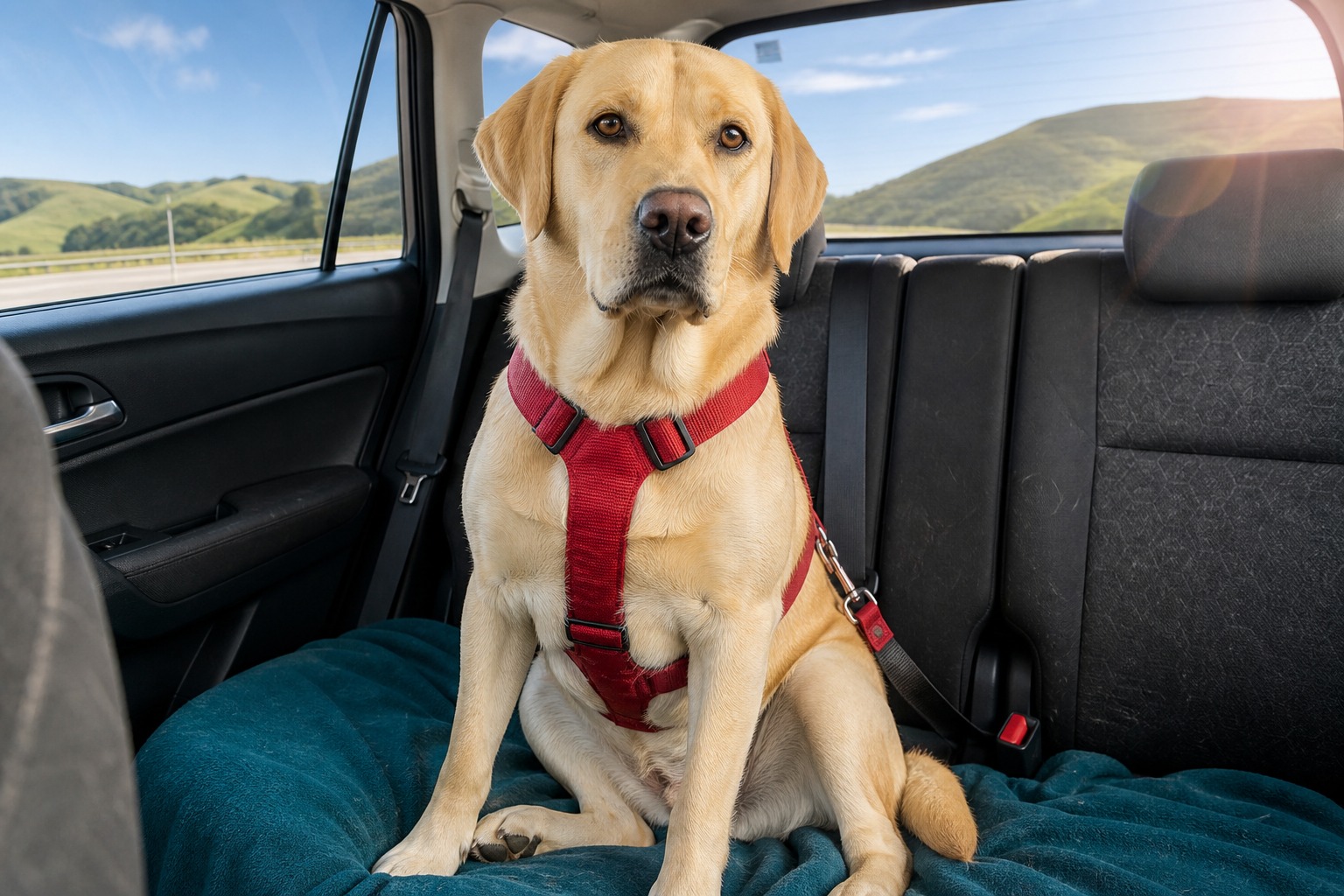
The single most important decision is how your dog rides. Loose in the car is not an option, an unrestrained dog is both a distraction while you drive and a projectile in a collision. Your two good choices are a crate or a well-fitted dog seatbelt, and both should be set up in the back seat.
Why the back seat? Airbags. A deploying front airbag can be fatal to a dog, the same way it’s dangerous for a small child. And skip the rear cargo space in hatchbacks and SUVs, even though it feels roomy. That’s a crumple zone, engineered to absorb impact, which is exactly where you don’t want your dog in a crash.
One rule people skip: a multi-hour drive should never be your dog’s first experience with a crate or harness. Introduce the restraint at home, let them get comfortable, and build up through short rides before the big one. A dog who’s already relaxed in their setup travels infinitely better than one meeting it for the first time on the interstate.
The two changes I push hardest are the back seat and the crash-tested restraint, because they address the failure modes I actually see. A front airbag on a harnessed dog, or a dog launched from an open window, those are the injuries that didn’t have to happen. Buckle them in the back, and most of the real risk on a road trip just disappears.
The safety rules that ride along the whole way
Once your dog is secured, a handful of habits keep the trip out of trouble:
- Start with shorter journeys. Some dogs get carsick, so build tolerance before you commit to a long haul.
- Don’t feed while driving. Feed at least three hours before departure, especially for a dog prone to motion sickness, and keep water within reach.
- Skip the head-out-the-window classic. It dries out their eyes and exposes them to flying debris, and it means they aren’t secured.
- No treats in motion. Dogs have choked eating in a moving car. Save snacks for stops.
- Schedule plenty of stops. Your dog needs to stretch, pee, and shake off energy on any long drive.
- Check the hotel floor on arrival. It’s a step almost no one thinks of: dropped pills are common on hotel floors, and a curious dog will find them.
- Never leave your dog alone in the room. It’s against most hotels’ pet policies and raises the odds they damage something.
- Read the room, literally. In hallways and elevators, remember that not everyone wants to meet your dog, as hard as that is to believe.
Choosing a destination and a route
The upside of traveling with dogs right now is how much the market has grown to meet you. Most booking sites let you filter for pet-friendly stays and will flag size limits. Sites like BringFido list dog-friendly lodging, including campgrounds, and review platforms like TripAdvisor let you search reviews by keywords like “dog” or “pet” to sanity-check a place before you book.
When you map the route, scan ahead for dog-welcoming stops in the bigger towns along the way. Plenty of restaurants with outdoor seating welcome dogs, but not all, and policies change, so call ahead to confirm rather than showing up and hoping.
If your route includes dog parks or trails, mind the etiquette: follow posted leash laws even when it’s tempting to let them run, yield to passing hikers and keep your dog close and under control, and don’t leave bagged poop on the trailside, even biodegradable bags take ages to break down, so carry it out to a trash can or bury the waste (without the bag) off the trail.
The just-in-case list
A little prep here saves a lot of panic later:
- Update microchip and ID-tag information with your current cell number before you leave.
- Carry a recent photo of your dog in case they get lost.
- Find the nearest emergency vet to each hotel so you’re not searching mid-crisis.
- Take enough breaks for stretching and bathroom stops, and keep snacks and water on hand.
- Be very careful about leaving your dog in the car when it’s warm, interiors climb to dangerous temperatures fast, even when it’s only 60 degrees outside.
- Attach key information to your dog’s crate that would help first responders after an accident, and pack a dog first-aid kit.
What’s new: crash-tested gear is now a real standard
The biggest shift since “just get a harness” is that dog car safety now has actual testing behind it. The nonprofit Center for Pet Safety runs independent crash tests on harnesses, crates, and carriers, and publishes which products actually held up versus which failed. Not every product marketed as “safe” passes, and the gap between a certified restraint and a decorative one is the gap between a bruise and a serious injury. When you’re buying, look for gear that’s been crash-tested and certified rather than trusting the label alone. It’s the clearest upgrade you can make to the setup that matters most.
Plan the restraint, plan the stops, plan the just-in-case, and the rest of the trip is exactly the one in the picture, minus the part that puts your co-pilot at risk.
This article covers pet safety and is general information, not veterinary advice. Talk to your vet about motion sickness, restraint options, or any health concern before a long trip.
References
Common questions
What should I feed my dog before a long road trip?
Feed at least three hours before you leave, or skip the pre-drive meal entirely if your dog is prone to nausea. Keep water available and feed a proper meal once you arrive.
What precautions matter most in a new place?
Make sure microchip and ID tag info lists your current cell number before you go, and look up the nearest emergency vet to each stop so you're not scrambling if something happens.
Is a crate or a seatbelt safer?
Both work when they're crash-tested and correctly fitted, and both belong in the back seat away from airbags. The best choice is whichever your specific dog tolerates calmly after acclimation.
Not a substitute for your vet. Our guidance is educational. For urgent symptoms, contact a vet or emergency clinic right away. Editorial standards
Dr. Mehta is a board-certified veterinary nutritionist who evaluates pet food formulations, ingredient quality, and the science behind dietary trends. He writes and reviews all nutrition content at The Pet Times, including our food rankings and feeding guides.
Meet our experts ↗Keep reading
 LivingHalf the Dogs at the Beach Are Not Having Fun. Yours Might Be One.Dr. Mara Chen · 8 min
 LivingA Woman Left Her Dog at the Airport. The Breed Ban That Set It Up Is the Real Story.Jordan Ellis · 4 min
 Health & WellnessThe Waves Aren't the Biggest Beach Danger to Your Dog. The Sand Is.Dr. Priya Nair · 7 min
 LivingYou Buckle Up. In a Crash, an Unrestrained Dog Is a Projectile.Dr. Priya Nair · 7 min
 LivingEvery Trail Closed to Dogs Was Closed Because of a Dog OwnerMarcus Webb · 8 min
 LivingThat Dog With Its Head Out the Window Is a 50-Pound Projectile Waiting to HappenMarcus Webb · 6 min