


The Waves Aren't the Biggest Beach Danger to Your Dog. The Sand Is.
Everyone worries about their dog drowning. The hazards that actually send dogs to the emergency vet after a beach day are quieter: salt water, hot sand, and a bellyful of grit. A vet-informed guide to the real risks, sorted by how likely each one is to ruin the trip.

Affiliate disclosure. This article contains affiliate links. We may earn a small commission if you buy through a link, at no extra cost to you. How we handle recommendations.
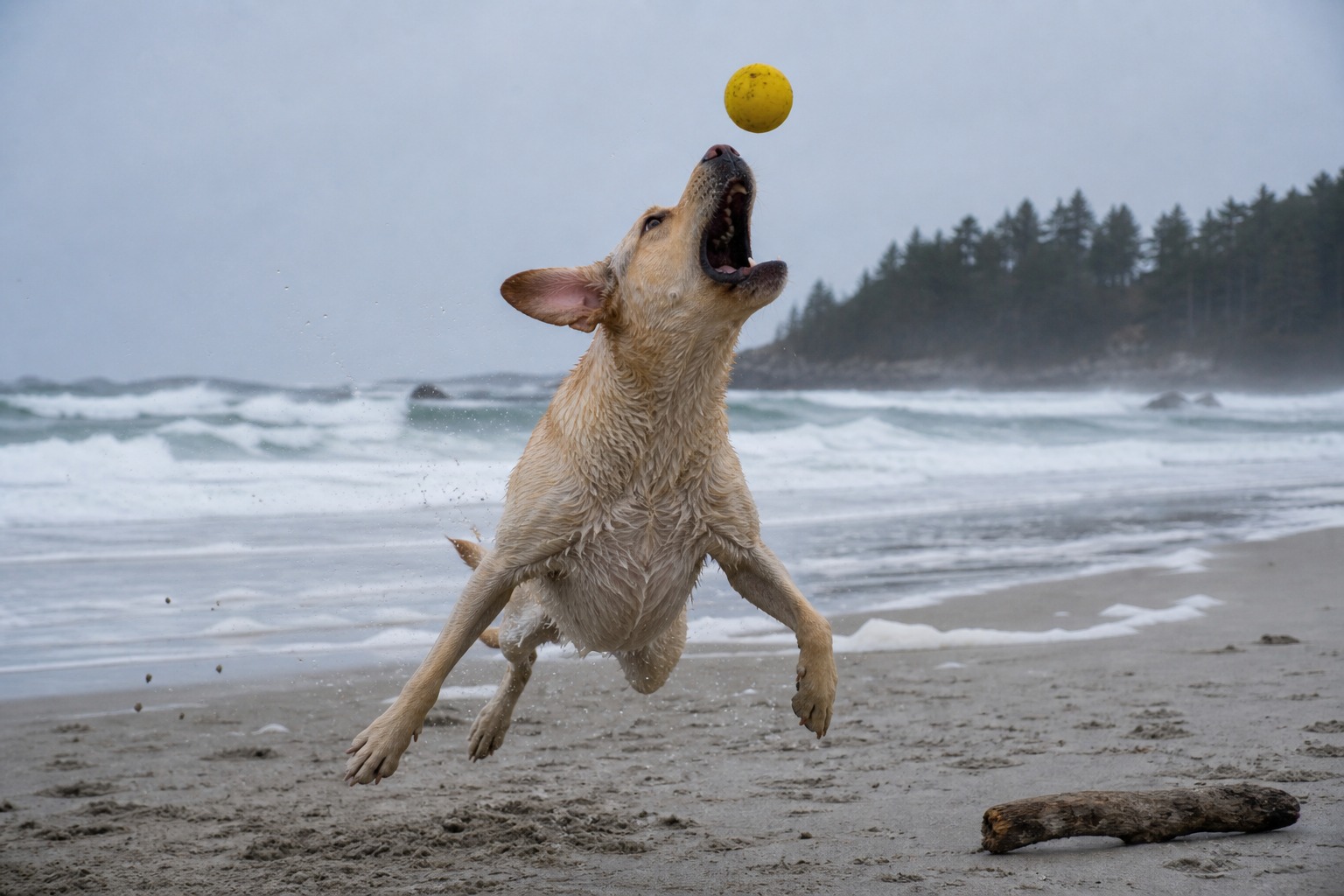
Ask a dog owner what scares them about the beach and they’ll say the same thing: the water. Big waves, a strong current, a dog swept out too far. Those risks are real and worth respecting. But they’re not what fills the emergency vet’s schedule on a hot summer weekend. The injuries that actually happen at the beach tend to be slower and sneakier, a dog who drank the ocean, a dog who burned their paws, a dog who swallowed a stomachful of sand chasing a ball. The danger isn’t dramatic. It’s mundane, which is exactly why people miss it.
So instead of a generic “beach safety” list, here’s the real hierarchy of what goes wrong, roughly ordered by how commonly it lands a dog at the vet. Handle the top of this list and you’ve prevented most bad beach days before they start.
Before you go: is this even a dog beach?
Two minutes of homework saves a wasted trip. Beach rules vary wildly, some stretches ban dogs entirely, some require leashes, and some are only practically usable at certain tides or for certain-sized dogs. Check the managing agency’s rules before you load the car, usually the state or local parks department. Some coastlines are famously dog-friendly end to end; others are patchworks of restrictions. And wherever you land, pack out your dog’s waste the same as you would anywhere, both because it’s the rule and because it’s the neighborly thing to do.
1. Salt water: the most common beach injury there is
This is the one that gets the most dogs, and almost nobody expects it. A dog running in the sun gets thirsty, the nearest water is the ocean, and they start lapping it up. The problem is that seawater is a triple threat, salt, bacteria, and parasites, and a dog who drinks enough of it can get genuinely sick.
A few gulps won’t hurt a healthy dog. But steady drinking leads to what’s often called salt-water poisoning, along with the milder “beach diarrhea” and post-swim vomiting many owners have seen without knowing the cause. As the salt load climbs, watch for early neurological signs, a dog who goes dull, listless, or seems mentally “off.” The prevention is almost insultingly simple and the single most important thing you’ll do all day: bring plenty of fresh water and offer it constantly, so your dog never gets thirsty enough to turn to the sea. Keep an eye on the opposite extreme, too, dogs who obsessively bite at waves or chug during long swims can take in too much plain water and run into water intoxication, so build in rest.
The salt-water cases are so preventable it’s almost frustrating. A dog isn’t choosing to poison themselves, they’re just thirsty and the ocean is right there. Offer fresh water every fifteen or twenty minutes whether or not they seem to want it. And if your dog is unusually sluggish or wobbly on the drive home, or the vomiting and diarrhea don’t ease up, that’s a same-day call, not a wait-and-see.
2. Heat and hot sand: the danger you can test with your own hand
Dogs cool themselves mainly by panting, which is far less efficient than human sweating, so they overheat faster than we do and give fewer obvious warnings. On sand, in full sun, running hard, the risk of heatstroke climbs quickly, and heatstroke can turn deadly in minutes.
Two pieces of the same problem:
The ground. Sand and pavement soak up sun and can hit temperatures that blister paw pads. There’s a foolproof test: press the back of your hand flat to the sand for several seconds. If you can’t hold it there comfortably, it’s too hot for your dog’s feet. Either put them in booties, move to the water’s edge, or save the outing for early morning or evening when the ground has cooled.
The dog. Limit hard activity during peak sun, roughly 10 a.m. to 3 p.m. Give shade, whether a beach umbrella or a break under something, and remember that sprinting on soft sand is genuinely strenuous exercise that can also strain a tendon or ligament in an out-of-shape dog. And the non-negotiable: never leave your dog in a parked car, not even for the minutes it takes to load or unload. A warm day is enough for a car interior to become lethal fast.
3. Sand and the swallowing problem
Fetch on the beach has a hidden cost. A dog who snaps up a ball off wet sand, over and over, takes in grit with every grab, and enough swallowed sand can pack into an intestinal blockage, a serious, sometimes surgical emergency. Discourage the eat-the-beach habit: rinse or swap sandy toys, take fetch breaks, and don’t let a dog graze on sand, seaweed, or whatever’s washed up. On that note, scan the sand and shallows for jellyfish and other marine life, and watch out for the tiny stingers people call “sea lice,” which can leave a dog covered in itchy red welts. A beach is basically a buffet of bad ideas from a dog’s point of view, so steer them away from rolling in, or wolfing down, anything questionable.
4. Swimming: real, but not the way you fear
Swimming itself is usually safe and is excellent low-impact exercise, with a few honest caveats. Not every dog can swim; some breeds are built for it (retrievers, hello), and others sink, panic, or simply hate it, so never assume. Check conditions before anyone goes in, and if there are rip currents or heavy surf, keep your dog leashed so they can’t get in over their head. Any dog doing real swimming or riding along on a boat should wear a properly fitted dog life jacket, and should get a chance to practice wearing it in shallow water before heading deeper.
5. The finishing touches: paws, ears, eyes, and skin
The small stuff that prevents a miserable next day:
- Rinse afterward. Salt is irritating to skin and paws. Hose off the coat and feet after swimming.
- Dry the ears. Trapped water, especially ocean water, is a setup for a bacterial ear infection. Clean and dry the ears after a swim.
- Mind the sun. Yes, dogs sunburn, on noses, bellies, and any thin or light-colored fur. Offer shade, consider a UV shirt, and use a dog-specific sunscreen. Avoid human products containing zinc oxide or salicylates (aspirin), which can be toxic if licked off; check the label, and apply where your dog is least likely to lick.
- Protect the eyes if needed. For breeds prone to eye issues, like Pugs or some shepherds, a pair of canine goggles, yes, “doggles,” guards against sun and blowing sand. A well-reviewed pair of dog goggles is a cheap bit of insurance for a squinty, sensitive-eyed dog.
The short version
If you remember only three things: keep fresh water flowing so your dog never drinks the ocean, test the sand with your hand before you let them run on it, and don’t let fetch turn into a sand-eating contest. Those cover the injuries that actually happen. The dramatic ones you were worried about, the waves, are usually the easiest to manage with a leash and a little common sense.
What newer research adds
Veterinary emergency groups continue to rank heat-related illness among the most preventable serious summer diagnoses in dogs, and the guidance has tightened toward caution: brachycephalic (flat-faced) breeds, overweight dogs, and seniors are now flagged as especially vulnerable, and vets increasingly recommend shifting beach and exercise time to the cooler ends of the day rather than relying on a dog to “self-regulate.” The salt-water risk has also gotten more public attention as more people travel with their dogs, with coastal veterinary clinics reporting predictable summer clusters of salt-toxicity and sand-impaction cases, the same quiet hazards this guide leads with, rather than the dramatic drownings owners tend to fear.
References
- ASPCA, “Hot Weather Safety Tips”
- American Veterinary Medical Association, “Warm Weather Pet Safety”
- Veterinary Emergency Group, “Saltwater Poisoning in Dogs”
- RSPCA, “Keeping Dogs Safe in Summer”
Not a substitute for your vet. Our guidance is educational. For urgent symptoms, contact a vet or emergency clinic right away. Editorial standards
Dr. Nair is a veterinarian focused on diet and feeding. She covers everyday nutrition, treats, and the many "can they eat this?" questions owners ask, grounding each answer in what is actually safe and sensible for dogs and cats.
Meet our experts ↗Keep reading
 Health & WellnessA Pool, a Lake, and the Ocean Will Kill Your Dog in Three Different WaysDr. Lena Park · 8 min
 LivingEvery Trail Closed to Dogs Was Closed Because of a Dog OwnerMarcus Webb · 8 min
 LivingThe Kayak Isn't What Hurts Dogs. The Water Is.Dr. Ravi Mehta · 8 min
 LivingThat Dog With Its Head Out the Window Is a 50-Pound Projectile Waiting to HappenMarcus Webb · 6 min
 LivingFlorida Tried to Outlaw Dogs' Heads Out Car Windows. The Bill Died. The Danger Didn't.Jordan Ellis · 4 min
 Health & WellnessThe Backseat Habits That Turn a Dog Road Trip DangerousDr. Ravi Mehta · 6 min