


Your Dog Growls When You Pet Them. Don't Punish It, Read It.
A growl during affection isn't defiance, it's information, and the worst thing you can do is teach your dog to stop giving it. Here's how to tell a happy rumble from a real warning, and what to actually do.

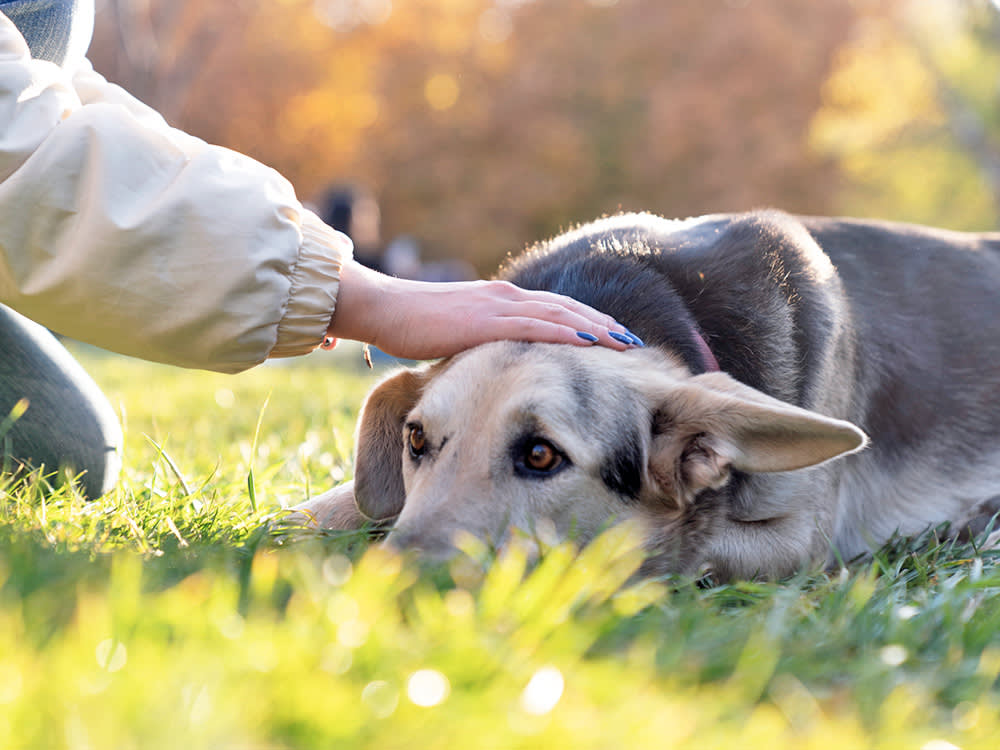
You’re petting your dog, having a nice moment, and out of nowhere comes a low rumble from their chest. Not a snarl. Just a growl, enough to freeze your hand mid-stroke and make you wonder what you did wrong.
Here’s the reframe that changes everything about how you respond: that growl is not your dog being bad. It’s your dog talking. Dogs don’t get words, so they communicate through their bodies, their tails, and yes, their voices, and a growl is one of the clearest sentences in their vocabulary. It’s information about how they feel right now, which makes it useful, not defiant.
Which leads to the single most important thing in this piece, and it runs against most people’s instinct: do not punish the growl. Teaching a dog that growling gets them scolded doesn’t teach them to feel okay about being touched. It teaches them to skip the warning and go straight to the snap. The growl is the smoke alarm. You don’t fix a fire by ripping out the alarm. So instead of silencing it, learn to read it, because a growl during petting can mean half a dozen different things, and the right response depends entirely on which one you’re hearing.
First, is it even a bad growl?
It surprises people, but growling during petting is often completely normal, and sometimes it’s good. Not every growl signals displeasure or a countdown to aggression. Some dogs growl the way a cat purrs, as a sound of pleasure, and the way you tell the difference isn’t the growl itself, it’s the body wrapped around it.
A happy, playful growl comes with loose, relaxed body language. It sounds almost like a yip, and it’s usually paired with a wagging tail, soft eyes, easy ears, and a dog leaning or nuzzling into your hand, actively asking for more. This is a dog enjoying you.
An unhappy growl comes with a body that’s gone tight. Think stiff posture, a rigid stance, a tucked tail, a hard side-eye, ears pinned. Same sound, opposite meaning. Once you start reading the body first and the growl second, most of the confusion disappears.
The reasons behind the rumble
When the growl is the unhappy kind, it’s worth knowing what it might be telling you, because the cause points to the fix.
Sometimes your dog feels vulnerable and wants space. Reach for the belly of a dog who’s deeply asleep and you may get a warning growl, not because they’re aggressive, but because you startled them in a defenseless moment, and the growl is them drawing a boundary.
Sometimes it’s pain, and this one you don’t want to miss. Dogs can’t tell you they hurt, so if your dog growls specifically when you touch one area, a leg, the hip, the back, that growl may be the only report you get of an injury, arthritis, or another medical problem. If it’s localized, persistent, or new, it’s worth a vet visit to rule out something physical.
Sometimes it’s overstimulation. After a long, high-energy play session, a dog trying to wind down may growl when you keep the attention coming. It’s an “I need a break” signal, and it’s common in high-drive dogs who ramp up fast.
Sometimes it’s resource guarding. A dog who’s possessive of a toy, a meal, or even a favorite person may growl if you pet them while they’re eating or clutching a prize. It’s a normal instinct, but one that can ramp up fast, which makes it a good candidate for professional training rather than DIY.
Sometimes it’s fear, especially in dogs with rough histories. A nervous or scared dog growls to say “I’m not comfortable,” usually paired with wide eyes, hackles up, and a tail tucked tight. Here the answer is to slow down and let them come to you.
And sometimes, again, it’s just surprise, a startle response to an unexpected touch on a sensitive spot like the ears or paws.
What to do in the moment
When you hear it, the first job is to not make it worse. Don’t panic, and above all don’t escalate by yelling or getting sharp. Dogs read your emotional state, and meeting a nervous growl with your own tension can push a wobbly moment toward a real one.
Then do the reading. Look at the body. Relaxed and wiggly? Your dog is probably content, and you can carry on. Stiff and still? Back off. If the growl is about feeling threatened or overstimulated, the respectful move is to give space and stop pushing the petting. Dogs, like people, are allowed to not want to be touched in a given moment, and honoring that boundary is what keeps them from needing to escalate to enforce it.
Catch your dog in a settled, easygoing moment, and that’s your opening to build a positive association, rewarding the settled state with a treat, a soft voice, and praise, so petting and affection get linked to good things rather than pressure.
The growl is the most honest thing your dog will tell you all day, and people keep trying to make them stop saying it. When an owner tells me they trained the growling out of their dog, my heart sinks, because what they usually trained out was the warning, not the discomfort. I’d rather have a dog who grumbles and gives me a second to respond than a dog who learned that grumbling gets punished and went quiet right up until the bite.
Changing the pattern over time
If the growling is rooted in discomfort with being touched, you can shift it gradually, with patience rather than pressure.
Desensitize your dog to handling by starting small: brief, intentional petting sessions of a minute or two, several times a day, extending them only as your dog stays comfortable. Reward the calm: any time your dog stays loose and easy under your hand, mark the moment with treats, praise, and a warm voice, so the whole experience gets a positive charge. And use a cue when overstimulation is the trigger, a soft but clear “settle” or “relax” to help them downshift.
When to bring in help
Bring in a qualified trainer or a behaviorist once the growling starts arriving more often, hardens into something aggressive, or shows up alongside other behavior that worries you. They can find the underlying driver and give you a real plan. And if you suspect the growl is about pain, start with your vet, because no amount of training fixes an aching joint.
The reframe is the whole thing. A growl during affection isn’t your dog defying you, it’s your dog trusting you enough to be honest about how they feel. Read the body, respect the boundary, address the cause, and you turn a startling moment into better communication and a closer relationship. Silence the growl, and you lose the one warning system your dog came with.
Because this can involve pain and behavior, treat it as a starting point rather than a diagnosis, and lean on your vet or a qualified behaviorist for anything persistent or escalating.
References
- Gibeault, Stephanie. “Why Dogs Growl and How to Handle It.” American Kennel Club, 7 Feb. 2024.
- Overall, Karen L. Manual of Clinical Behavioral Medicine for Dogs and Cats. Elsevier, 2013.
- “Canine Communication and Body Language.” American Veterinary Society of Animal Behavior (AVSAB).
Common questions
Should I punish my dog for growling when I pet them?
No. Punishing a growl teaches your dog to skip the warning and go straight to snapping. A growl is useful information about how your dog feels. Stop, read their body language, give them space if they need it, and address the underlying cause.
Why does my dog growl when I show them affection?
It can mean several different things: overstimulation, pain, fear, resource guarding, surprise, or, sometimes, contentment. The surrounding body language tells you which. A loose, wiggly dog is likely enjoying it; a stiff, still dog is not.
What does a low growl from a dog mean?
A low rumble paired with relaxed body language, a wagging tail, soft eyes, and easy ears often signals pleasure or contentment. The same sound paired with a stiff body, hard stare, or tucked tail means the opposite. Always read the growl together with the body.
Dr. Chen is a small-animal veterinarian who leads health and safety coverage at The Pet Times. She writes and reviews the bulk of our illness, condition, and safety content, translating clinical guidance into clear, practical advice owners can act on at home.
Meet our experts ↗Keep reading
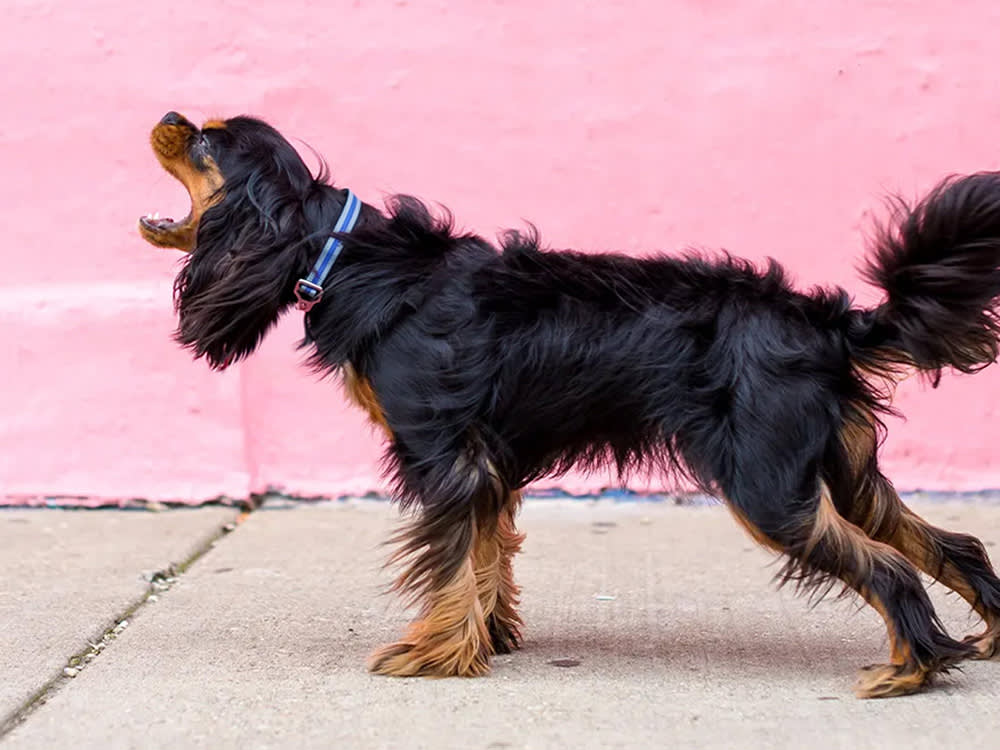 TrainingYour Dog Isn't Throwing a Tantrum. That Word Is Hiding the Real ProblemDr. Nina Kohl · 7 min
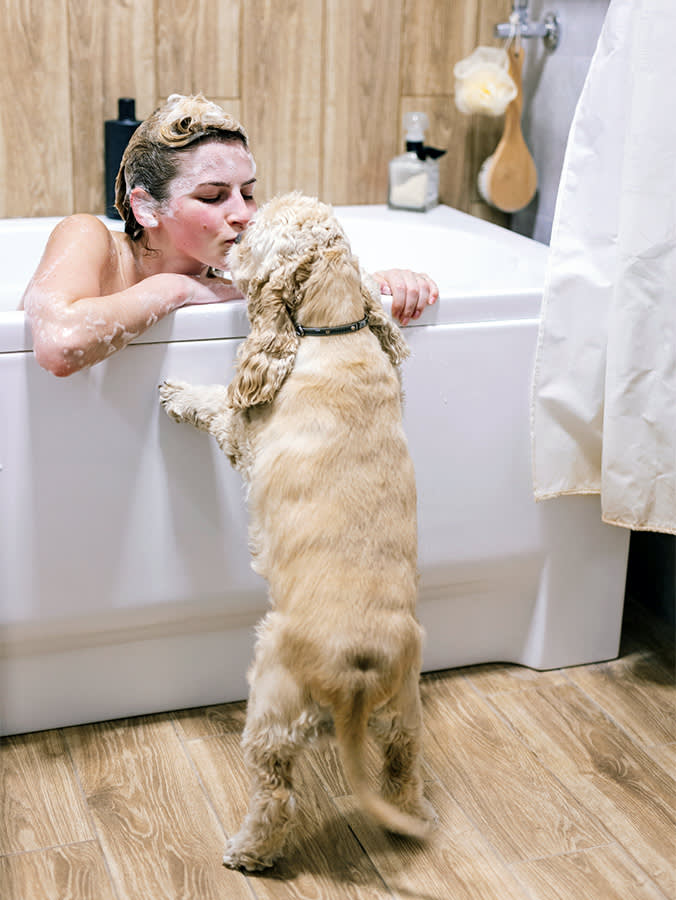 Training5 Reasons Your Dog Follows You Into the Bathroom (One Is Worth Watching)Dr. Nina Kohl · 6 min
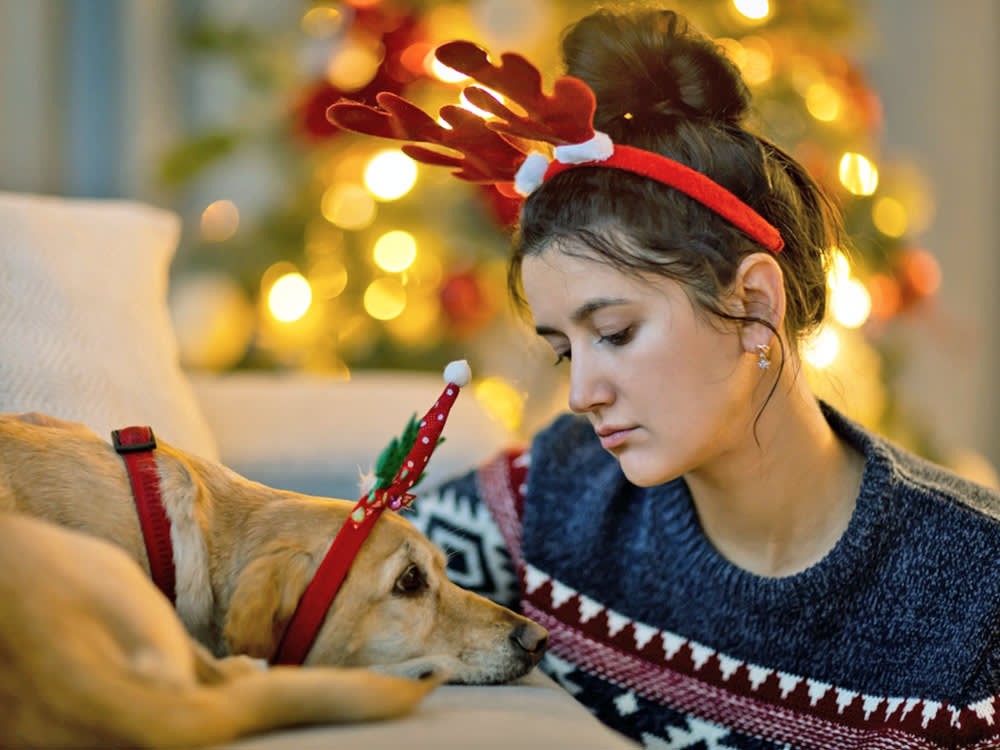 TrainingYour Dog Isn't Shy at Your Party. Six Signs They Want Out.Dr. Lena Park · 8 min
 TrainingThe Dog Park Isn't for Every Dog. 9 Signs Yours Would Rather Be Anywhere Else.Dr. Amara Solis · 6 min
 TrainingYour Dog Isn't Reading Your Face. They're Reading Your Hand on the Leash.Dr. Lena Park · 8 min
 TrainingYou Don't Win Over a Scared Dog. You Become Safe and Boring.Dr. Lena Park · 9 min