


How to Run an Easter Egg Hunt Your Dog Won't End Up at the Vet For
Dogs are natural sniffers, so an Easter egg hunt is a game they'll adore. The catch is that half of Easter is toxic to them. The whole trick is controlling what goes in the eggs.

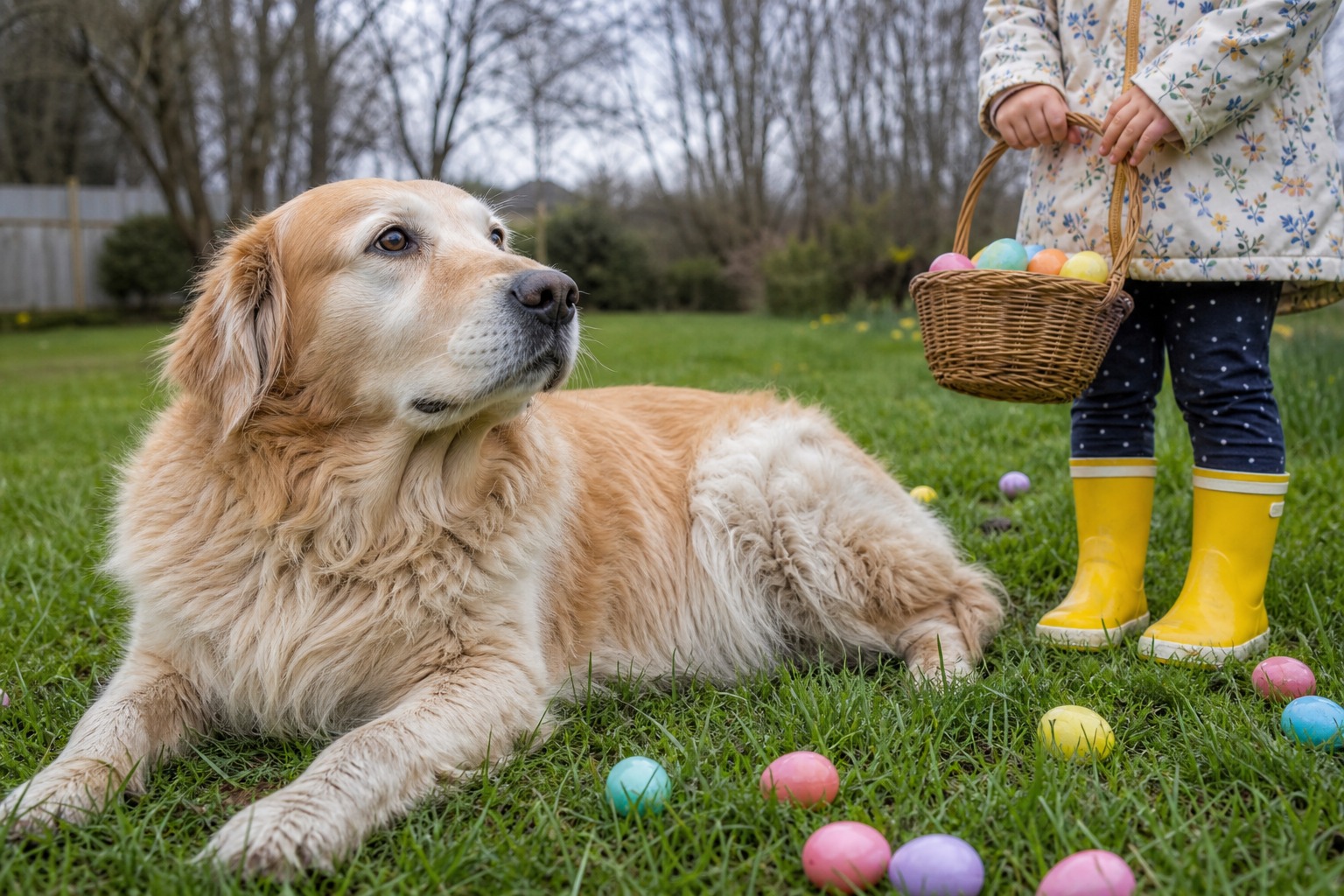
Easter tends to belong to the humans, but there’s no reason your dog should sit out the fun. Dogs are born to sniff and search, which makes an egg hunt one of the most natural games you can hand them. The problem is that Easter is also a holiday built almost entirely out of foods that can hurt a dog. So the single most important thing about a dog-friendly egg hunt isn’t the hiding or the hunting. It’s ruthless control over what you put inside those eggs.
Get that part right and the rest is pure joy: a low-cost, high-reward scent game that tires your dog out mentally and lets them do the thing they love most. Here’s how to pull it off without a scare.
Start with the danger list, because it’s the whole point
Before a single egg gets hidden, know exactly what can never touch this game. These are the Easter staples that send dogs to the emergency vet.
- Chocolate. The classic Easter hazard. Chocolate contains theobromine, which dogs can’t process well, and it can cause everything from stomach upset and diarrhea through to heart palpitations, seizures, and, in severe cases, death. Every chocolate product, especially foil eggs and bunnies, stays fully out of reach.
- Xylitol. This sugar substitute hides in sugar-free candy and, dangerously, in some peanut butters, so always read labels. Even a small amount can trigger a fast, dangerous crash in blood sugar and even liver failure.
- Grapes and raisins. A fixture in hot cross buns and other Easter baking, grapes and raisins are severely toxic to dogs and can cause kidney failure. Keep any baked goods that contain them far from the search area.
If you take nothing else from this piece, take that list. A hunt is only as safe as the least-safe thing your dog might find.
The Easter cases we dread are the sneaky ones, sugar-free candy and peanut butter with xylitol, because owners think ‘sugar-free’ means safer. It’s the opposite for dogs. If your dog gets into chocolate, xylitol, or raisins, don’t wait to see how they do, call your vet or an animal poison line right away, because with these the head start matters enormously.
What you can safely hide
The good news is that plenty of foods make a dog’s egg hunt genuinely rewarding.
- Dog-specific treats. Purpose-made treats, including Easter-themed ones, are formulated with canine health in mind. Look for reputable brands using quality ingredients, and they’ll be both safe and exciting to find.
- Fresh fruits and vegetables. A crunchy, healthy option. Apples, blueberries, and celery are favorites with most dogs. Just remove any seeds or pits first, since a stray pit or seed is a choking risk.
- Plain cooked meat. Protein-rich and universally loved. Plain cooked chicken or turkey works beautifully, and lamb is a fitting seasonal pick loaded with protein and amino acids. Keep it plain, though: no cooked bones, no seasoning, and no sauces, which can upset a dog’s stomach.
How to run the hunt
With the menu sorted, the mechanics are simple, and they’re spelled out step by step in the how-to above. The short version: choose a secure location so nobody wanders off, hide dog-safe treats and toys rather than anything chocolate, let your dog search (leaning on a “find it” cue if they have one), reward every discovery with real enthusiasm, and keep your eyes on them the entire time.
That last point matters more than it seems. Supervision is what stops a hunt from turning into a hazard, whether that’s your dog nosing into something they shouldn’t or simply pushing themselves too hard. If they start to flag or seem overwhelmed, call it, offer water, and let them rest. The goal is a happy, tired dog, not a frazzled one.
Don’t let the treats run the show
Even with everything on the safe list, moderation still rules the day. A pile of treats, however wholesome, can lead to an upset stomach and, over time, unwanted weight. The standard veterinarians use is that treats should make up no more than about 10 percent of your dog’s daily calories. If your egg hunt is going to blow past that, do the sensible swap: pull a portion of your dog’s normal meal for the day and hide that instead. Dry kibble works especially well for hiding, particularly for a food-motivated dog who’ll happily hunt down their own dinner one piece at a time.
Play it that way and an Easter egg hunt becomes what it should be: a safe, enriching, slightly ridiculous good time that lets your dog be a dog, no vet visit required.
References
Dr. Solis is a board-certified veterinary dermatologist with over twelve years of clinical experience. She advises on skin conditions, allergies, and grooming practices that affect coat and skin health. All dermatology and allergy content at The Pet Times is reviewed by her team before publication.
Meet our experts ↗Keep reading
 FoodA Food Truck for Dogs Sounds Like a Gimmick. The Argument Behind It Isn't.Nina Vasquez · 7 min
 FoodBugs Are Officially Dog Food Now. Are Cricket Treats Worth It?Dr. Priya Nair · 6 min
 FoodOat Milk Is Fine for Your Dog. The Carton Is the Problem.Dr. Mara Chen · 6 min
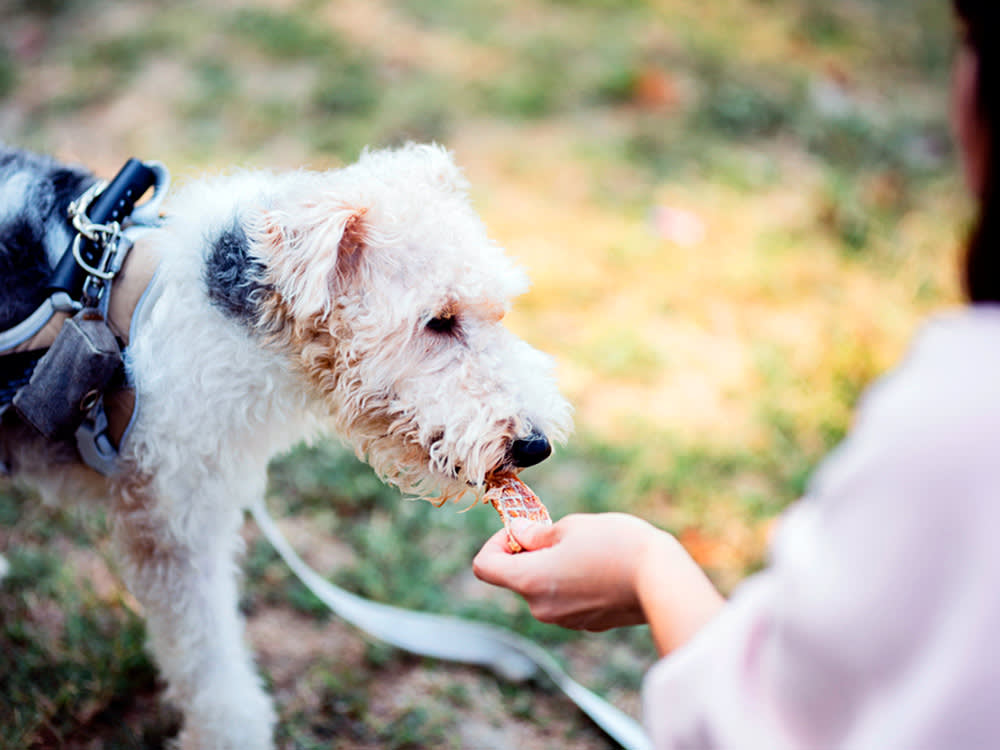 FoodBeef Jerky and Dogs: The Word Tells You Nothing, the Label Tells You EverythingDr. Mara Chen · 7 min
 FoodSkittles Aren't the Candy That'll Send Your Dog to the ERDr. Lena Park · 6 min
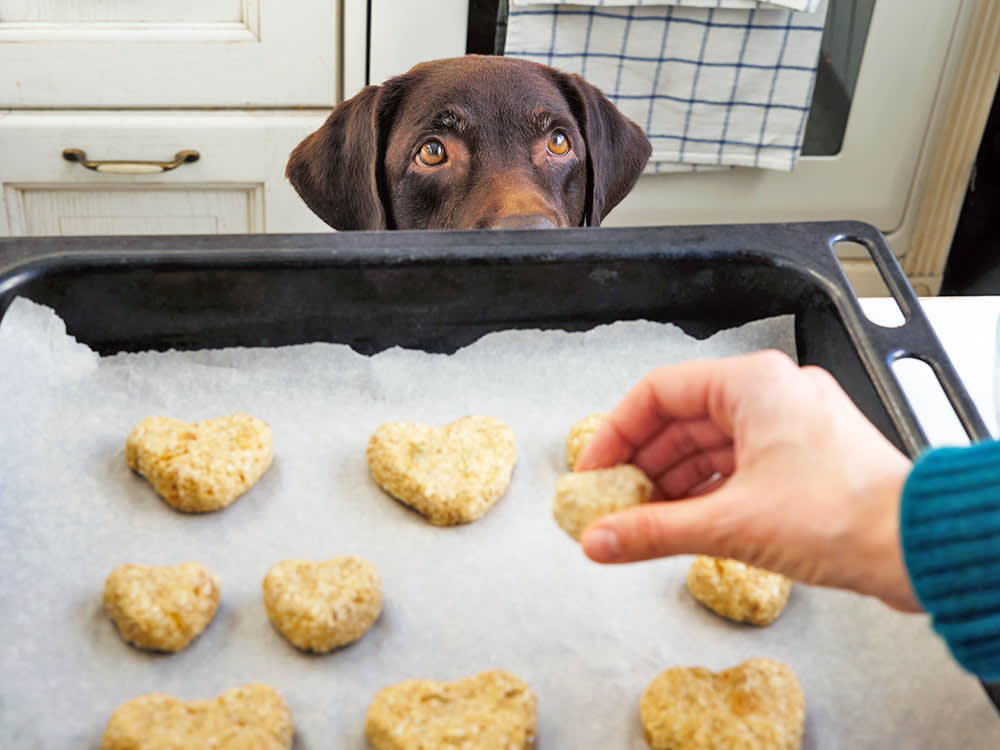 FoodTurmeric Barely Absorbs in Dogs. This Treat Recipe Fixes the Flaw.Dr. Nina Kohl · 5 min