


Daycare Is a Skill, Not a Sign-Up. Get Your Dog Ready First.
Doggie daycare and dog walkers aren't services you just book, they're situations your dog has to be prepared for. Here's the readiness checklist, the on-ramp, and the honest part: some dogs shouldn't go, and that's not a failure.

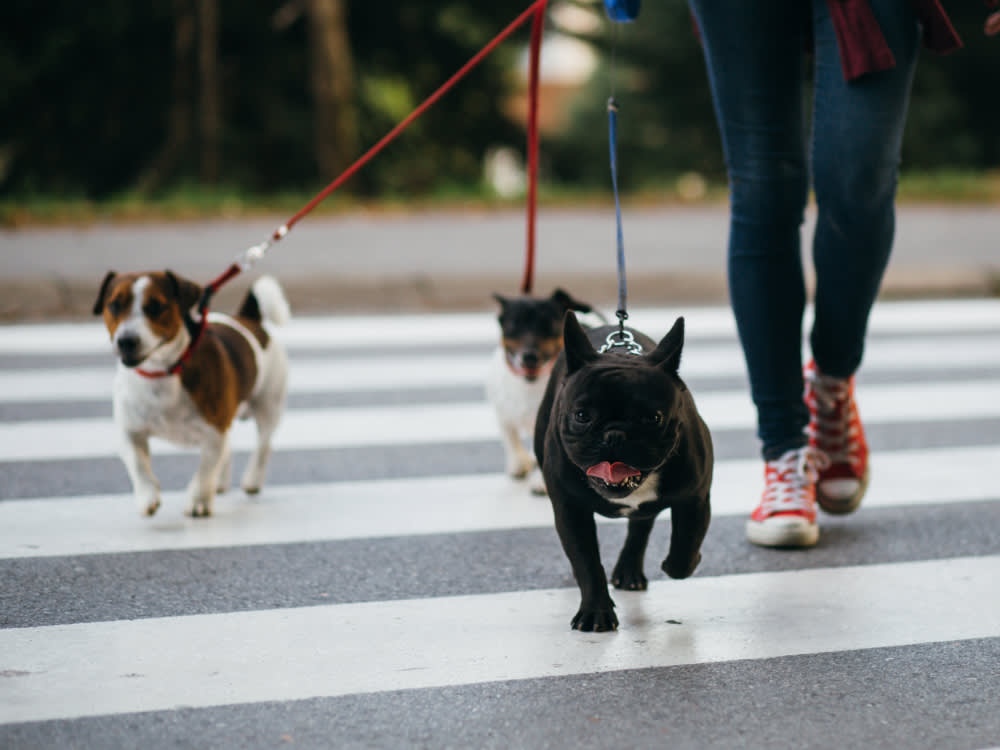
There’s a quiet assumption baked into how we talk about doggie daycare and dog walkers: that they’re services you buy, like a lawn crew. You book it, you drop off the dog, done. But a daycare or a walker isn’t really something you sign up for. It’s a situation your dog has to be ready for, and readiness is a set of skills you build before day one, not something the facility installs on arrival.
Get that backwards and it goes badly, sometimes permanently. Your dog won’t be invited back if the environment isn’t right for them, if they create safety problems for staff or other dogs, or if they’re simply too much to manage. So the real prep isn’t paperwork. It’s a skills checklist, an on-ramp, and an honest fit test, including the possibility that the answer for your particular dog is no.
None of this is to talk you out of it. Raising a dog is so much easier with help, and daycare and walkers are two of the best kinds. They let your dog get out and have fun even when you’re working long hours, dealing with a health issue, or otherwise can’t provide all the exercise and stimulation they need. Life happens; that’s what these services are for. The point is just to set your dog up to succeed at them.
The skills your dog needs before daycare
Preparing for daycare comes down to one goal: your dog has a good time without wrecking anyone else’s, the staff’s or the other dogs’. Which means showing up with a handful of skills already in place.
1. Real social practice. To enjoy daycare, a dog has to be comfortable playing with other dogs, one-on-one and in groups. A social butterfly who wants to romp with everyone will probably love it. A dog who isn’t used to multi-dog play needs practice first, ideally starting in small groups and working up to bigger ones, as long as they’re actually enjoying it.
Here’s the thing daycare cannot do: teach an unsure dog to like other dogs. Picture taking someone with crippling social anxiety and “curing” it by dropping them into a loud party with a hundred strangers. That’s essentially what sending an under-socialized dog to daycare feels like to the dog, too intense, likely to backfire, and capable of making them less social, not more.
2. Recall and basic cues. Work on your dog’s recall so they’ll come when a staff member calls, which matters because staff may need to pull your dog out of a brewing problem. Teaching a sit-to-greet and polite leash walking also makes staff enjoy handling your dog, which counts for a lot.
3. Crate comfort. If the facility uses crates, teach your dog to be relaxed in one. Many daycares alternate group play with crate breaks so dogs can rest.
4. A meet-and-greet first. Before you ever leave your dog there alone, bring them by for a quick visit, a walk-around and a hello with the staff, so the sights, sounds, and smells aren’t a shock on day one.
Ease into it, don’t dump them in
When you do leave your dog for real the first time, keep it short, an hour or so, even if you’re paying for the full day. It’s far better for your dog to leave wanting more than to be wrung out from hours of nonstop activity and wakefulness. If that short visit goes well and your dog seems genuinely happy, judged by what you see and what the staff tells you, stretch it to a few hours next time, then a full day if that lands. This gradual on-ramp is how you find out whether daycare works for your dog without gambling their whole first impression on it.
The honest part: not every dog likes daycare
This is the piece the industry undersells. Plenty of dogs don’t enjoy daycare, and that’s completely okay. For some it feels less like a party and more like a schoolyard scuffle. Others get so revved up by the stimulation that they can’t be their best selves. Training can sometimes help a dog cope better, but a dog who’s frightened or wildly over-aroused may simply not be a good candidate for a full day with a big group, and that’s about their personality and needs, not a character flaw.
People treat a dog washing out of daycare like the dog failed a test. There’s no test. Some dogs are homebodies who’d rather have a walk and a nap, and forcing the group scene on them just makes everyone miserable. Match the dog to the setup, not the other way around.
So keep the staff in the loop on how your dog acts, what they like, and anything they need, and only keep it up if it’s truly working. It can be hard to answer “does my dog even like daycare?”, but watch them: are they eager to go in, or reluctant? At daycare, do they look loose, comfortable, and happy, or fearful and stressed? A fearful, stressed dog is telling you something. Choosing a high-quality daycare that fits your particular dog stacks the odds toward a good outcome.
What daycare is good and bad at
The upsides are real. Instead of being home alone while you work, your dog gets a stimulating day, the chance to play, and time around people and dogs in a place that isn’t the house. They’ll often come home pleasantly tired, so you get your evening back instead of playing cruise director.
The downsides are equally real. Some dogs find the whole thing stressful and end up prickly and defensive, because they want more room and quiet than the place gives them. A bad experience can leave a dog less able to handle other dogs, and some get so wound up around dogs that they start acting rudely, barreling into and leaping on every dog they meet.
A myth to bust: daycare is not puppy socialization
If you’re hoping daycare will socialize your puppy, it won’t, and it shouldn’t be asked to. True socialization means exposing a puppy to lots of positive new experiences during the narrow window from about three to fourteen weeks, and it only applies to puppies that young. Most daycares won’t even accept a dog under four months, which is already past that window. That’s a good thing, because the risk of a bad experience in those early weeks, an experience that could leave lasting marks, is too high. Asked when a puppy can start daycare, the honest answer is usually not until late adolescence. A few facilities with small, constantly supervised groups and skilled staff can create good experiences for younger dogs, but there’s always a risk of a bad one that sticks. It’s the same reason young puppies shouldn’t go to dog parks.
Prepping for a dog walker
A dog walker asks for a slightly different set of skills, all aimed at making your dog pleasant and manageable to walk.
1. Familiar gear. Make sure your dog is used to the equipment the walker will use. They should be walked on a familiar, safe, comfortable leash, collar, or harness that also works for the walker.
2. Good leash manners. Walkers deeply appreciate a dog who stays calm while the collar or harness goes on and the leash clips, whether that means sitting or just standing still. If your dog pulls, teach loose-leash walking; it makes the outings better for everyone.
3. Comfort with a stranger in the home. Your dog also has to be okay with a walker letting themselves in. Some dogs greet any visitor happily; if yours is uneasy about a stranger entering while they’re home alone, set up practice sessions where people come over while you’re there and toss treats or toys so your dog builds a happy association. Once those people aren’t strangers, your dog handles them coming in without you far better. If you’re worried your dog might be aggressive or very nervous with a visitor, work with a qualified behaviorist first.
What dog walkers are good and bad at
The pro is straightforward: your dog gets out for exercise and fun. The con is that you’re handing your dog’s safety and happiness to someone else, which only works if that person can read your dog’s emotions and behavior and respond well. Not every dog is a fit for walking services. An easygoing, agreeable dog with no alarming habits, no slipping the collar, no bolting, will match a wide range of responsible walkers. A dog who’s reactive, fearful, aggressive, or the kind who slips a collar and bolts needs a walker who specializes in exactly those issues, and even then it’s worth doing your homework, because specialization is no guarantee the benefits outweigh the risks. If your dog falls in that harder category, loop in a professional trainer or behaviorist who can tell you whether, and when, your dog is ready.
Daycare and dog walkers make life with a dog easier and richer, but only when the dog is set up to handle them. Build the skills, ease in, watch honestly, and you’ll know pretty quickly whether you’ve got a dog who thrives on the chaos or one who’d rather skip it.
References
- American Veterinary Society of Animal Behavior. “Position Statement on Puppy Socialization.” avsab.org.
- American Kennel Club. “Doggie Daycare: Is It Right for Your Dog?” akc.org.
- Fear Free Pets. “Reducing Fear, Anxiety, and Stress in Boarding and Daycare Settings.” fearfreepets.com.
Common questions
How can I tell how my dog is doing at daycare or with a walker?
Beyond what the staff reports, read your dog's body language at drop-off and pickup, and when they greet their walker. Eager and loose is a good sign; hanging back, stiff, or shut down is not.
What should I tell the daycare or dog walker about my dog?
Share what your dog loves, what stresses or upsets them, which cues they know, and any health issues or allergies. The more the staff knows, the better and safer the experience.
Sasha Ford is a certified cat behaviour consultant who has worked with shelters, catteries, and private clients across the country. They review all feline behaviour content at The Pet Times, with expertise in multi-cat households, indoor enrichment, and stress-related disorders.
Meet our experts ↗Keep reading
 Training8 Ways to Be the Dog Owner Your Building Doesn't Complain AboutMarcus Webb · 8 min
 LivingEvery Trail Closed to Dogs Was Closed Because of a Dog OwnerMarcus Webb · 8 min
 LivingRenaming Your Rescue Won't Confuse Her. Keeping a Poisoned Name Might.Dr. Amara Solis · 6 min
 TrainingYour Dog Doesn't Fail at Restaurants. They Fail in the First 90 Seconds.Dr. Nina Kohl · 7 min
 Health & WellnessA Man Shot a Dog for Running at Him. He Was Never Charged.Marcus Webb · 8 min
 LivingThe 'Trainer' Who Starved 133 Dogs Is Finally Going to Prison for 15 YearsNina Vasquez · 5 min