


6 Climate Wins That Make Eco-Friendly Pet Parenting Easier
Climate news reads like all doom, so here is the other ledger: six concrete wins, from the PFAS finally leaving your pet's food bag to right-to-repair going national, that quietly make greener pet parenting easier.


Climate news has a way of leaving you stuck between fear and helplessness. The antidote is not to look away, it is to keep a second ledger: the wins. Progress is real, it is arriving faster than the headlines suggest, and a surprising amount of it lands right in the daily rhythm of having a pet, the food bag you toss, the walk you take, the phone you drop at the dog park. Here are six developments that make eco-minded pet parenting a little easier, each one already in motion rather than merely promised.
1. The “forever chemicals” are finally leaving your pet’s food bag
This is the win that most directly touches your pet, and it graduated from promise to fact. PFAS, short for per- and polyfluoroalkyl substances, are grease- and water-repelling coatings that turned up in fast-food wrappers, microwave popcorn bags, and, yes, pet food bags. They persist in the environment for generations and have been linked to liver damage, reduced fertility, and cancer. In February 2024, the FDA confirmed that manufacturers had completed a phase-out of the grease-proofing PFAS used in U.S. food packaging, a step the agency said eliminates the primary source of dietary PFAS exposure from food-contact uses. The FDA followed up in early 2025 by declaring dozens more PFAS food-contact authorizations no longer effective. The upshot for you: the bag your kibble comes in is meaningfully safer than it was two years ago. The next frontier is making it universally recyclable.
2. Carbon-tracking apps that target your footprint, not just offsets
A generation of carbon apps now estimates your emissions in genuinely smart ways: connecting to smart-home devices to track energy use, sensing whether you are driving or walking, and syncing with your card to tally the footprint of purchases. From there they suggest personalized changes, like walking to the vet instead of driving. The meaningful shift is philosophical. Older apps mostly pointed you toward offsets, letting you pay to make the guilt go away. The newer wave focuses on helping you shrink your own footprint, and pawprint, directly, which is where the durable reductions actually come from.
3. A push for cleaner air on your daily walk
The Environmental Protection Agency tightened its standard for PM 2.5, the fine particulate pollution from cars, buses, and power plants that irritates airways and worsens asthma, in both people and pets. The prior limit had gone more than a decade without an update before the agency lowered it. Clean-air advocates argue it could go lower still, but the tightened standard is projected to prevent thousands of premature deaths a year, and it makes the air on your daily dog walk cleaner in a way you and your dog both breathe.
4. Upcycled pet food goes mainstream
Unlike recycling, which turns waste back into roughly what it was, upcycling turns it into something more valuable. In pet food, that means treats made from fruits, vegetables, and meat cuts that would otherwise be thrown away. Once a niche, the category now has a certification label, a growing roster of brands, and university researchers working on how to fold more meat co-products into treats. What was a “watch this space” a couple of years ago is now a full shelf at many retailers.
5. Right-to-repair went from one state to a national wave
Drop your phone at the dog park, or fill it with photos of your cat, and it is far easier to fix now than it was. New York’s Digital Fair Repair Act was first, but it is no longer alone: California and Minnesota both put right-to-repair laws into effect on July 1, 2024, requiring manufacturers to share the parts, tools, and documentation consumers need to repair their own electronics. Colorado’s law takes effect in January 2026 and Oregon’s in 2027, and several of these newer laws go further by banning “parts pairing,” the trick of software-locking a component so only the manufacturer can swap it. Notably, repair bills have now been introduced in all fifty states. Every device repaired instead of replaced is electronic waste that never happens.
6. Insect-protein pet food clears the regulatory bar
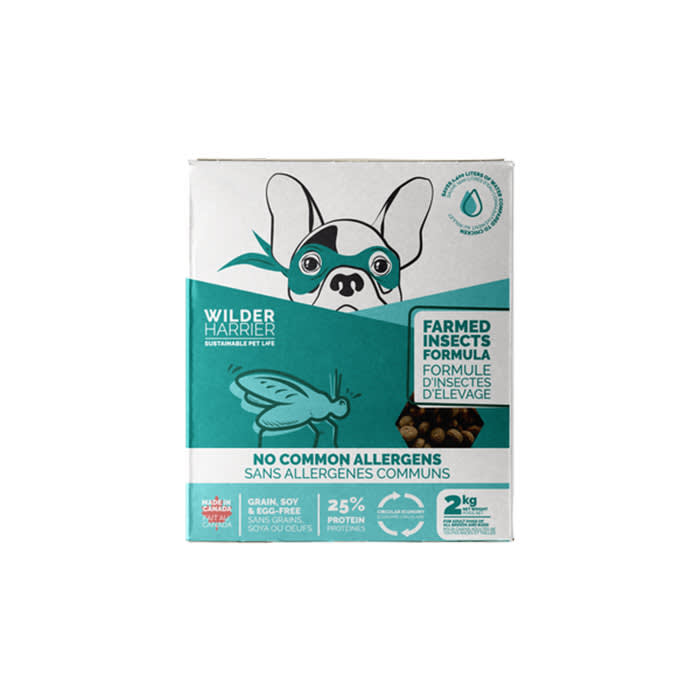
The newest entry, and the one most likely to raise an eyebrow at the food bowl. Insect protein, chiefly from black soldier fly larvae, uses a fraction of the land, water, and feed of conventional meat and turns organic waste streams into nutrition. It has moved from novelty to a genuine option as regulators and pet-food ingredient bodies have recognized these ingredients for use in dog and cat food, and a growing set of brands now sell insect-based kibble and treats. For pet parents who want to shrink their animal’s carbon pawprint without going vegetarian, it is the most concrete lever to appear in years, and it is finally on the market rather than in a lab.
The throughline
Read together, these are not scattered feel-good items. They trace one direction of travel: safer materials, smarter tools, cleaner air, less waste, and lower-impact food, all arriving in the ordinary places a pet touches your life. The problem is enormous, but so is the momentum, and a good deal of it now makes the greener choice the easier one.
References
- U.S. Food and Drug Administration. “FDA Announces PFAS Used in Grease-Proofing Agents for Food Packaging No Longer Being Sold in the U.S.” Feb. 2024. https://www.fda.gov/food/hfp-constituent-updates/fda-announces-pfas-used-grease-proofing-agents-food-packaging-no-longer-being-sold-us
- U.S. Environmental Protection Agency. “Final Reconsideration of the National Ambient Air Quality Standards for Particulate Matter (PM 2.5).” https://www.epa.gov/pm-pollution/final-reconsideration-national-ambient-air-quality-standards-particulate-matter-pm
- Upcycled Food Association. “Upcycled Certified Products.” https://www.upcycledfood.org/upcycled-certified-products
- iFixit. “Right to Repair Laws Have Now Been Introduced in All 50 US States.” https://www.ifixit.com/News/108371/right-to-repair-laws-have-now-been-introduced-in-all-50-us-states
Tom Hadley writes about training and behavior, helping owners understand what their pets are trying to tell them. His work covers everyday manners, decoding common behaviors, and the small changes at home that make dogs and cats easier to live with.
Meet our experts ↗Keep reading
 LivingPet Composting: Turning Your Pet's Remains Into New LifeClaire Sutton · 9 min
 Product Picks'Natural' Pet Care Is a Word Nobody Checks. Read the Back of the Bottle.Dr. Amara Solis · 7 min
 LivingPet-Safe Flooring, Ranked by How Your Dog Actually Uses the FloorLeila Torres · 8 min
 LivingPet-Safe Cleaning Is About How You Clean, Not Just What You BuyNina Vasquez · 6 min
 LivingHow to Spot a Genuinely Low-Waste Pet Brand, Using Boba&Vespa as the TestLeila Torres · 5 min
 LivingOnly Three Logos Mean 'Cruelty-Free.' Everything Else Is Theater.Leila Torres · 8 min