


How to Spot a Genuinely Low-Waste Pet Brand, Using Boba&Vespa as the Test
"Eco-friendly" is the easiest claim in the pet aisle to fake. Here's a four-question test for separating real sustainability from greenwashing, run against one brand that actually passes it.

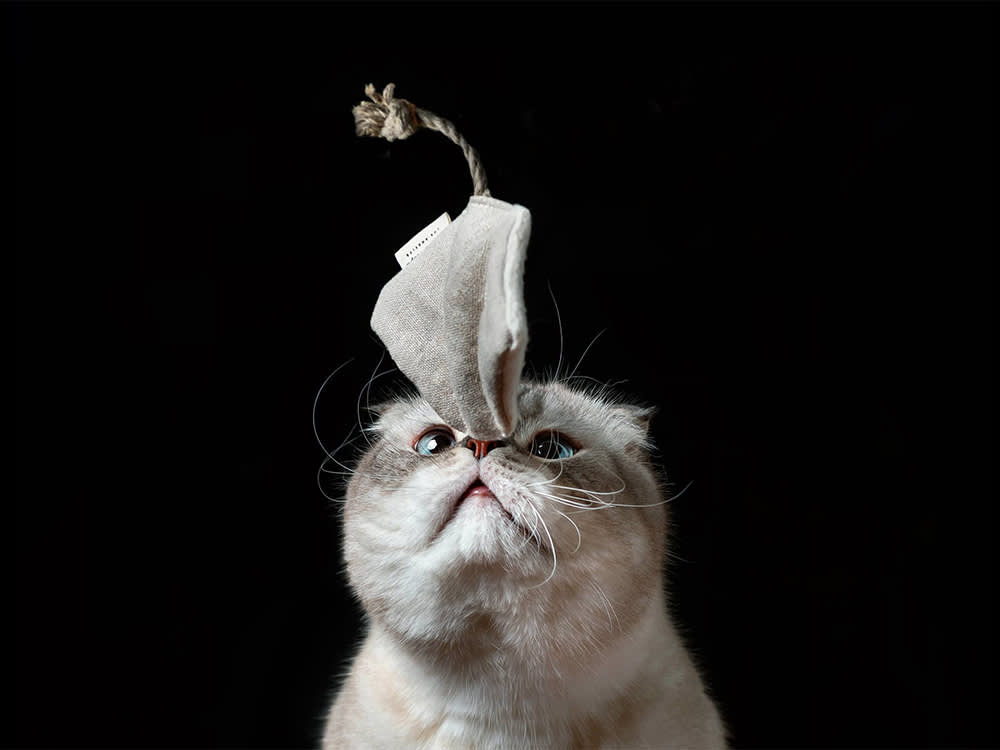
“Eco-friendly” is one of the cheapest claims a pet brand can make and one of the hardest for a shopper to verify. Slap a leaf on the label, use the word “natural,” and a plastic toy can pass for a planet-saver. The pet category is especially prone to it, because we buy a steady stream of disposable, quickly destroyed, hard-to-recycle stuff, toys, bags, grooming bottles, and we want to feel good about it. So instead of simply praising another green brand, here is something more useful: a four-question test for telling real low-waste pet goods from greenwashed ones, run against a brand that actually holds up to it, Boba&Vespa, the cat-and-dog company founded by Mariya Newman and Chia Wu and named for Wu’s two cats.
Why this test matters at all
The backdrop is not subtle. The world produces hundreds of millions of tons of plastic a year, and the great majority of it is never recycled. Roughly eight million tons of plastic waste flows into the ocean annually, killing marine life, and researchers are now finding microplastics throughout the soils where food grows. A pet household generates a surprising amount of that stream: a squeaky toy disemboweled in an afternoon, a “compostable” bag that never composts, a grooming bottle in the landfill. Every honest swap is a small win, which is exactly why brands have an incentive to fake the swap. The four questions below are how you check.
Question 1: What is it actually made of, named specifically?
Real low-waste brands name their materials; greenwashed ones gesture at “sustainability.” Boba&Vespa spells its out: hemp, jute, bamboo, wood, cotton, and cardboard, with additions on the way. That specificity is the tell. Their Hemp Dog Bone toy, for instance, uses a hemp-cotton canvas stuffed with organic cotton and stitched with rugged cotton thread, and the brand explicitly refuses plastic squeakers, which are a genuine hazard if a dog swallows one. A vague “made with natural materials” on a competitor’s tag, with no list, is the opposite signal.
Question 2: Does “compostable” mean your backyard, or a facility you’ll never visit?
This is the question that catches the most greenwashing, so it is worth slowing down on. Most “compostable” bioplastic bags require an industrial composting facility, hot, controlled, and not where your trash goes, to break down at all. Toss one in a home compost or a landfill and it behaves like plastic. Boba&Vespa’s poop bags are made from maize flour and vegetable oil and are certified home-compostable, meaning they actually disintegrate in a backyard setup. That distinction, home versus industrial, is the single most useful thing to check on any compostable pet product. And the caveat applies to both: even genuinely compostable bags will not break down sealed in a landfill, so they only deliver if you actually compost them.
Question 3: Is the safety benefit real, or just a vibe?
Low-waste materials often come with a second, concrete payoff that a vibe-based green brand can’t claim: they are safer in your pet’s mouth. Because Boba&Vespa’s toys are plastic-free, a dog who destroys one is not ingesting toxic dyes or swallowing shards of hard plastic, and because the cotton is organically grown, there is no pesticide or herbicide residue heading into your dog’s mouth either. When a brand’s sustainability story doubles as a safety story, it is usually doing real work rather than marketing.
Question 4: Does the design serve the animal, not just the aesthetic?
Greenwashed products tend to look eco and function poorly. The honest ones design for the animal first. Boba&Vespa’s “Water Gem” cat house is built from sustainably sourced wood-cardboard with zero dyes or glues, but what actually draws cats in is the design: a cradling base, an elevated opening, and headrests built right in to suit feline instincts, with corrugated cardboard that allows airflow and temperature regulation and a natural wood scent that calms anxious cats. The Pyramid Cat Toy set looks like plain hemp triangles to us, but the plush plastic-free toys are filled with buckwheat hulls for crinkle and organically grown catnip for aroma, and cats reportedly lose their minds over them. The point is that sustainability and “actually works” are not a trade-off here, which is how you know the green claim is load-bearing.
The takeaway you can carry into any aisle
You do not need to memorize a single brand to shop better. Ask the four questions: Are the materials named specifically? Does “compostable” mean home or industrial? Is there a real safety payoff? Does the design serve the animal? A brand that answers all four cleanly, as Boba&Vespa does, is doing the work. One that hides behind a leaf logo and the word “natural” is selling you the feeling without the substance. The planet, and your pet’s stomach, can tell the difference even when the label is trying to blur it.
Note for shoppers: Boba&Vespa sells through its own site rather than Amazon, so the links here are direct to the brand. We’ll flag an Amazon-stocked equivalent if one becomes available.
References
Leila Torres leads our Living coverage, from home life and travel to the products and rescue stories that come with sharing a life with animals. She edits and writes across the section, with a soft spot for pieces about the bond between people and their pets.
Meet our experts ↗Keep reading
 Product PicksThe Greenest Cat Toy Is the One Your Cat Doesn't Reject in a WeekJordan Ellis · 7 min
 Product PicksEco Dog Toys Are the Last Holdout. These $16 Handmade Ones Show Why.Nina Vasquez · 4 min
 Product PicksThis Honeycomb Dog Toy Is Secretly a Bee-Saving MachineLeila Torres · 4 min
 Product Picks'Pet-Safe' Bug Spray Isn't Pet Spray. Read That Before You Buy.Sara Lim · 7 min
 Living'Pet-Safe' Is a Marketing Word. Read the Label Instead.Dr. Nina Kohl · 7 min
 Product Picks7 American-Made Pet Brands Worth Your Memorial Day DollarsLeila Torres · 6 min