


This Homemade Dog Stew Is a Hit. Here's How to Keep It From Hurting Your Dog.
A simple, budget-friendly chicken stew dogs love, plus the one thing almost every homemade recipe gets wrong and how to fix it before it becomes your dog's whole diet.

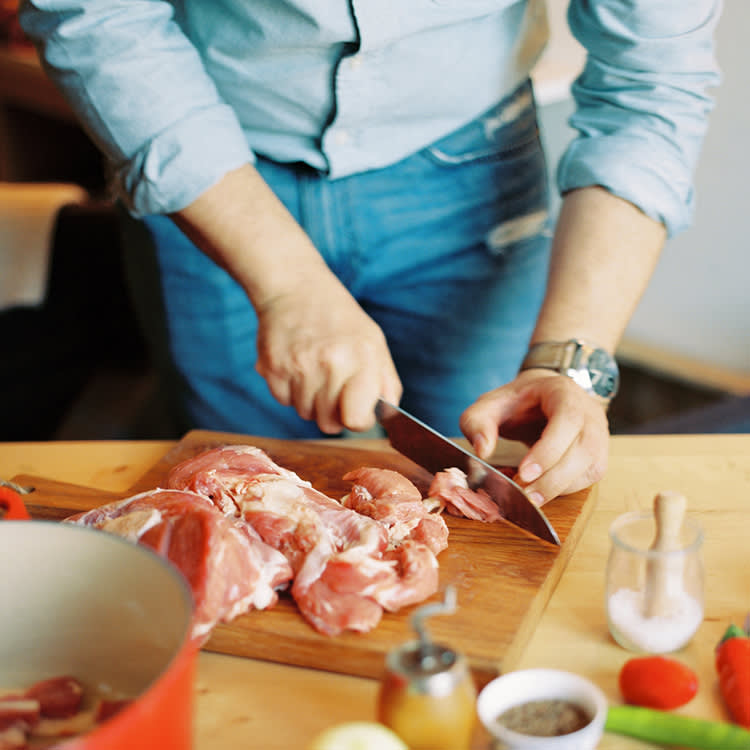
There is a real, understated pleasure in cooking for your dog: knowing exactly what is in the bowl, watching them lose their mind over the smell, and, if you do it right, spending less than you would on premium canned food. This chicken stew delivers on all three. It uses basic ingredients you probably already have, it comes together with almost no fuss, and dogs, in my experience, adore it.
But I want to be upfront with you before you scroll to the recipe, because it matters more than the recipe does. A pot of homemade stew is a wonderful treat, a topper, or an occasional meal. Turning it, or any single home recipe, into your dog’s entire long-term diet is where things quietly go wrong, and the research on this is not subtle. So here is the deal: the recipe first, then exactly how to make it safe to lean on. Do both, and you get the best of homemade without the hidden risk.
The budget case, honestly
Homemade can genuinely cost less. A 15-pound bag of high-end dry food runs about $42, and a 5.5-ounce can of high-end wet food about $2. Feed a medium dog two cans mixed with two cups of dry a day, and you are near $5 daily, before the treats and table scraps that inevitably sneak in. Four cups of this stew comes to roughly $2.25 a day. Over a month, that gap adds up.
Puppy Stew
Ingredients
- 3 lbs. boneless chicken meat with skin (white or dark; skin may be too rich for some dogs, and its inclusion is optional)
- 2 cups brown rice or barley
- 6 large sweet potatoes, peeled and diced
- 6 carrots, peeled and chopped
- 1 medium package (24 oz.) frozen peas or lima beans
- 56 fl. oz. diced tomatoes with juice*
- 3 Tbsp. fresh parsley or oregano
- 1/2 cup fish, safflower, or olive oil
- 1 tsp. iodized salt water
Directions
- Place all ingredients in a 3-gallon stockpot and add enough water to well cover.
- Bring to a boil, then lower to a simmer and cover.
- Cook for two hours until all ingredients are soft and the liquid is reduced, stirring occasionally. If needed, add small amounts of additional water to keep the mixture from going dry.
Nutritional information (per serving)
- Energy: 342 calories
- Protein: 23 grams
- Carbohydrates: 31 grams
- Fat: 14 grams
- Omega-3 fatty acids: 1 gram
- Dietary fiber: 7 grams
- Calcium: 65 mg
*About those tomatoes: you may have heard tomatoes are toxic to dogs. The toxicity actually comes from unripe (green) tomatoes, tomato stems, and tomato leaves, not from fully ripe tomatoes, which are fine.
The part almost everyone skips
Look back at that nutrition panel and one number should jump out to you: 65 mg of calcium per serving. For a food that might be a dog’s main meal, that is strikingly low, and it is the single most common failure point in home cooking for dogs. Calcium is critical for bones, muscle, and nerve function, and a chicken-and-vegetable stew without a proper calcium source and the right calcium-to-phosphorus ratio simply does not supply enough. It is the deficiency that most often turns a “healthy homemade diet” into a slow problem.
This is not a knock on the recipe. It is the nature of home cooking. A stew like this is nutritious and safe as a topper, a treat, or one meal among several, exactly the role most people actually use it for. The trouble only starts when it silently becomes breakfast and dinner, every day, for months.
The dogs I worry about are not the ones getting homemade stew once in a while. They are the ones whose owners lovingly replaced everything with a single recipe and had no idea it was short on calcium, zinc, or essential fatty acids. The fix is not to stop cooking for your dog. It is to balance the recipe, ideally with a board-certified veterinary nutritionist, before it becomes the whole diet.
If you want this stew to carry more of the load, the move is to have a veterinary nutritionist adjust it, which usually means adding a calcium source and a canine vitamin-mineral balancer sized to your dog. Services like the ones offered through veterinary nutrition programs will formulate a complete version for your specific dog. It costs a little upfront and removes the guesswork entirely.
What’s new since this was written: the completeness data is sobering
Recent research has put hard numbers on the risk, and they are worth knowing before you commit to home cooking. A 2025 analysis out of Texas A&M and the Dog Aging Project evaluated 1,726 homemade dog diets and found only about 6 percent had the potential to be nutritionally complete. An earlier UC Davis study reached a similar conclusion, reporting that roughly 95 percent of the homemade recipes it reviewed were missing at least one essential nutrient and many had multiple serious gaps. Strikingly, this held true even for recipes published in books by veterinarians. The nutrients most often missing lined up exactly with the concern above: calcium first, along with essential fatty acids and trace minerals like zinc and copper.
None of this means you should never cook for your dog. It means homemade food deserves the same respect you would give any diet: use it freely as a treat or topper, and if you want it to be the main event, get a nutritionist to make it complete. Your dog gets the meal they love, and you get the peace of mind that it is actually feeding them.
References
- Pezzali, Jennifer G., et al. / Dog Aging Project. “Evaluation of the Nutritional Adequacy of Homemade Diets for Dogs.” American Journal of Veterinary Research, 2025. Texas A&M School of Veterinary Medicine. https://vetmed.tamu.edu/news/press-releases/homemade-dog-diets/
- Stockman, Jonathan, et al. “Evaluation of Recipes of Home-Prepared Maintenance Diets for Dogs.” UC Davis. https://www.ucdavis.edu/news/homemade-dog-food-recipes-can-be-risky-business-study-finds
- American College of Veterinary Nutrition. “Find a Nutritionist.” https://www.acvn.org
This recipe is general information, not veterinary nutrition advice. Talk with your veterinarian or a board-certified veterinary nutritionist before making homemade food a significant part of your dog’s diet, especially if your dog has a health condition.
Not a substitute for your vet. Our guidance is educational. For urgent symptoms, contact a vet or emergency clinic right away. Editorial standards
Dr. Solis is a board-certified veterinary dermatologist with over twelve years of clinical experience. She advises on skin conditions, allergies, and grooming practices that affect coat and skin health. All dermatology and allergy content at The Pet Times is reviewed by her team before publication.
Meet our experts ↗Keep reading
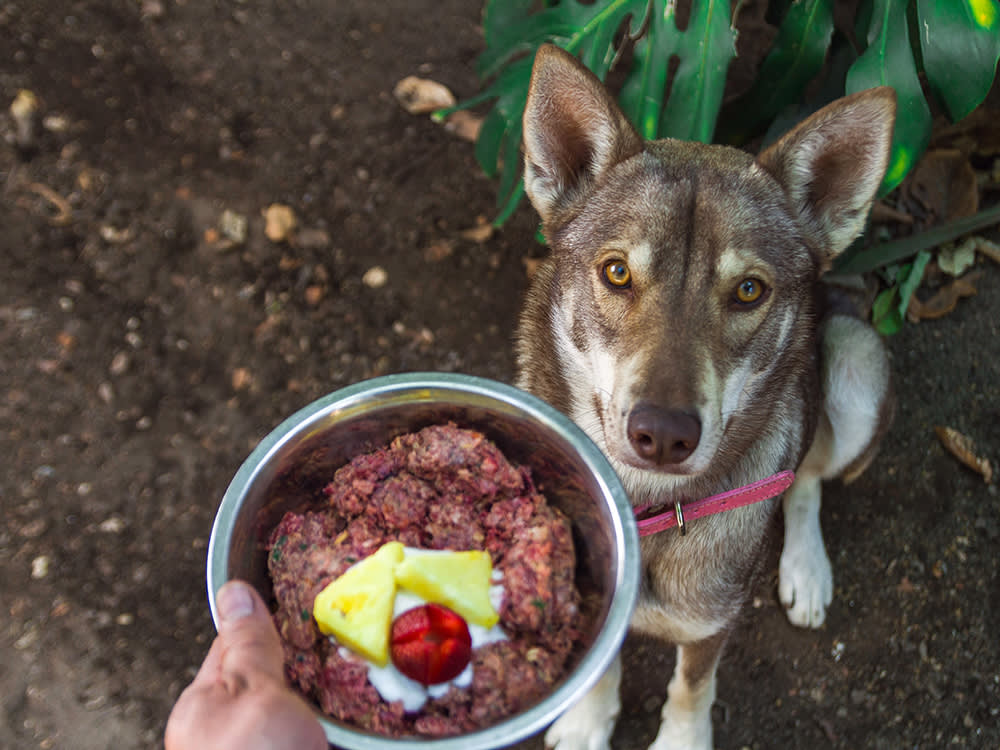 FoodRaw Dog Food's Real Danger Isn't the Meat. It's What You Skip.Dr. Priya Nair · 6 min
 Food"Superfood" Is Marketing. Nutrient Density Is the Real Test.Dr. Priya Nair · 8 min
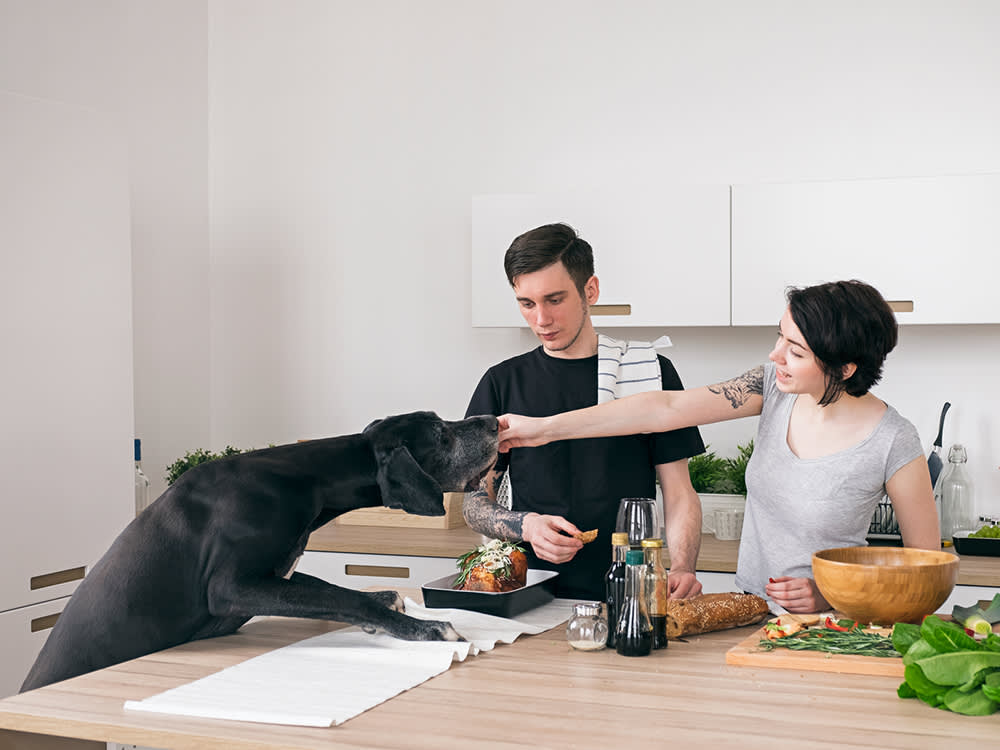 FoodHome-Cooked Dog Food Can Run $3 a Day. The Real Price Is Your Sundays.Dr. Amara Solis · 9 min
 FoodSweet Potato Is a Real Dog Superfood. One Rule Makes It Safe.Dr. Priya Nair · 5 min
 FoodThis Homemade Kibble Looks Complete. Almost No Recipe Actually Is.Dr. Priya Nair · 6 min
 FoodCooking for Your Dog Is the Easy Part. Balancing It Is Where People Fail.Dr. Priya Nair · 7 min