


These Vets Cook Your Dog's Dinner From a 2,000-Year-Old Rulebook
Chi Dog, founded by two veterinarians, delivers fresh-cooked meals built on Traditional Chinese Medicine's food therapy, matching whole-food ingredients to specific health problems.

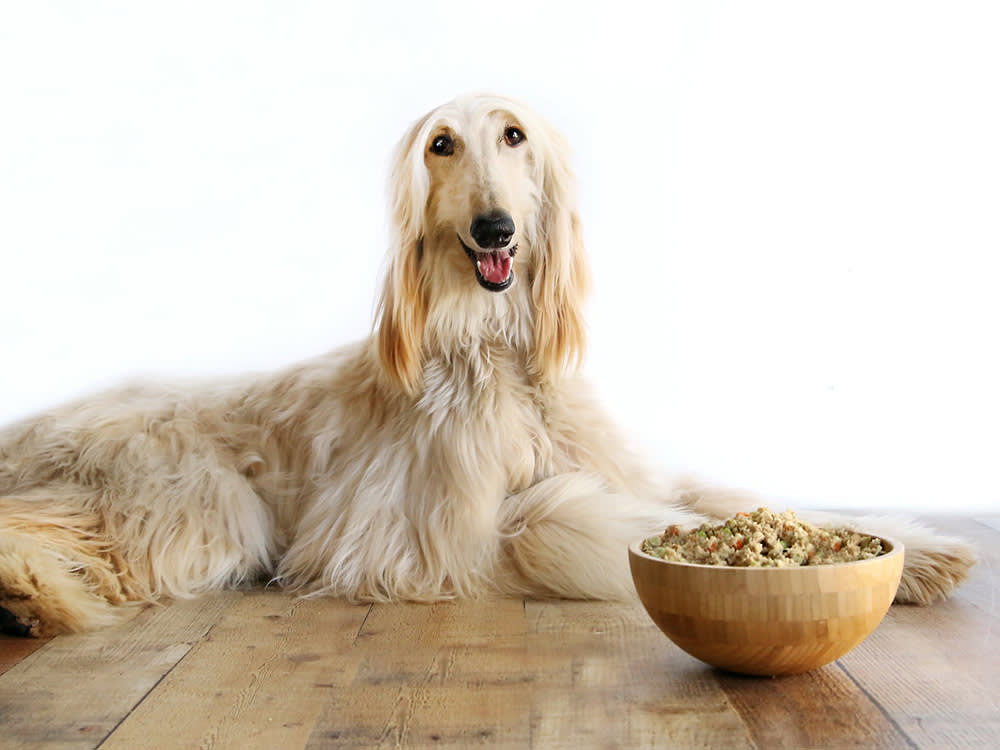
The fresh dog food boom has produced plenty of startups run by marketers who hired a vet. Chi Dog inverted the formula: it was started, owned, and formulated by veterinarians, and it exists to deliver something most fresh-food brands don’t attempt, an ancient Chinese framework for using food as treatment.
Dr. Susan Bohrer, a veterinarian certified in both veterinary acupuncture (CVA) and veterinary food therapy (CVFT), cofounded the company in 2017 with fellow veterinarian Dr. Chris Berg. Before Chi Dog, Bohrer spent years at her clinic teaching pet parents to cook whole-food meals for their dogs using the principles of Chinese food therapy, known as shí liáo, a branch of Traditional Chinese Medicine. The brand grew directly out of a frustration she has described: she kept writing recipes one client at a time, and there was no program that holistic vets or owners could simply order from. So she and Berg built one.
Food sorted by what it treats
The premise of shí liáo is that ingredients do jobs. Foods are traditionally classed as warming or cooling, and matched against a patient’s condition. Warming foods have historically been used for fatigue, digestive sluggishness, and anemia. Cooling foods target “hot” problems: itchy or inflamed skin, rashes, constipation.
Chi Dog translates that into a menu organized by TCM’s five elements, with each diet developed by a veterinary nutritionist and aimed at a category of ailment. The Earth Diet, built on eggs, tofu, and sweet potato, is designed for dogs dealing with obesity and inflammation. The Fire Diet starts from turkey, millet, and carrots and targets heart health, inflammation, and skin conditions. Every recipe is lightly cooked from human-grade whole ingredients and rounded out with skin-supporting oils and a blend of vitamins and minerals so it stands as a complete meal, not a supplement.
Bohrer and Berg have both reported watching lab work improve in their canine patients on whole-food diets, across problems from GI upset to arthritis. That is the sales pitch, but it is worth noting the founders frame it in clinical terms: matching food to problem is what holistic vets are taught to do, and the company was built to make that teachable practice orderable.
Where they deliberately break with tradition
One departure from classic Chinese food therapy stands out: no organ meat. Organ meat is a staple warming food in East Asian cooking, but Bohrer has pointed to a food-safety reason for leaving it out. Because Americans eat relatively little of it, organ meat is less rigorously regulated for human consumption in the U.S. supply chain. She has cited a 2020 study that found a higher prevalence of antimicrobial-resistant foodborne bacteria in retail organ meat around Nashville compared with ground meat.
The other non-negotiable was taste. Bohrer’s position is that holistic should not mean bland, and she still encourages clients to cook for their dogs occasionally as an act of care. The delivery service exists for everyone who loves the idea but does not have time to balance calcium with a mortar and pestle every Sunday.
What’s new since this was written
Chi Dog has grown from a two-vet passion project into a full delivery operation based in Claremont, California, and the menu now spans all five elements: Wood, Fire, Earth, Metal, and Water. The Water Diet is the hypoallergenic option, formulated to support kidney health. The company has also expanded beyond dogs, now offering vet-developed whole-food diets for cats as well.
Pricing currently runs from roughly $17.53 to $49.48 per week per dog depending on portion size and delivery frequency, with a discount on the first box. There is also a veterinary partner program that lets clinics recommend the diets directly, and the company keeps a team of veterinarians and vet techs available to talk clients through food-therapy questions.
Whether or not you buy the five-element framework, the underlying bet has aged well: fresh, lightly cooked, nutritionist-formulated food, prescribed with intent rather than poured from a bag. The 2,000-year-old rulebook mostly gets dogs to eat their vegetables, and there are worse tricks.
References
Not a substitute for your vet. Our guidance is educational. For urgent symptoms, contact a vet or emergency clinic right away. Editorial standards
Marcus Webb writes about the gear, gadgets, and everyday choices that make life with a pet easier. His coverage runs from product picks to training and the causes worth paying attention to, always with an eye on what actually earns a place in your home.
Meet our experts ↗Keep reading
 FoodAn MIT Engineer Fed Her Seizing Dog Raw Meat. Then She Engineered the Safety Problem Out of It.Dr. Ravi Mehta · 6 min
 Health & WellnessThere's a Number for 'Drinking Too Much.' Most Dog Owners Don't Know It.Dr. Lena Park · 8 min
 FoodBroccoli for Dogs: Great Snack, Until You Hit the 10% LineDr. Lena Park · 5 min
 Food7 Foods the Internet Swears Are Bad for Dogs. They Aren't.Dr. Amara Solis · 6 min
 Food9 Human Superfoods Worth Adding to Your New Dog's BowlLeila Torres · 6 min
 FoodYou Can't Train a Dog to Eat Slowly. You Make It Physically Impossible.Dr. Lena Park · 6 min