


Your Cat Isn't Plotting Revenge. They Already Forgot.
That icy stare from across the room feels personal, but the science says your cat lacks the mental machinery for a grudge. Here's what's actually happening, and how to win them back.

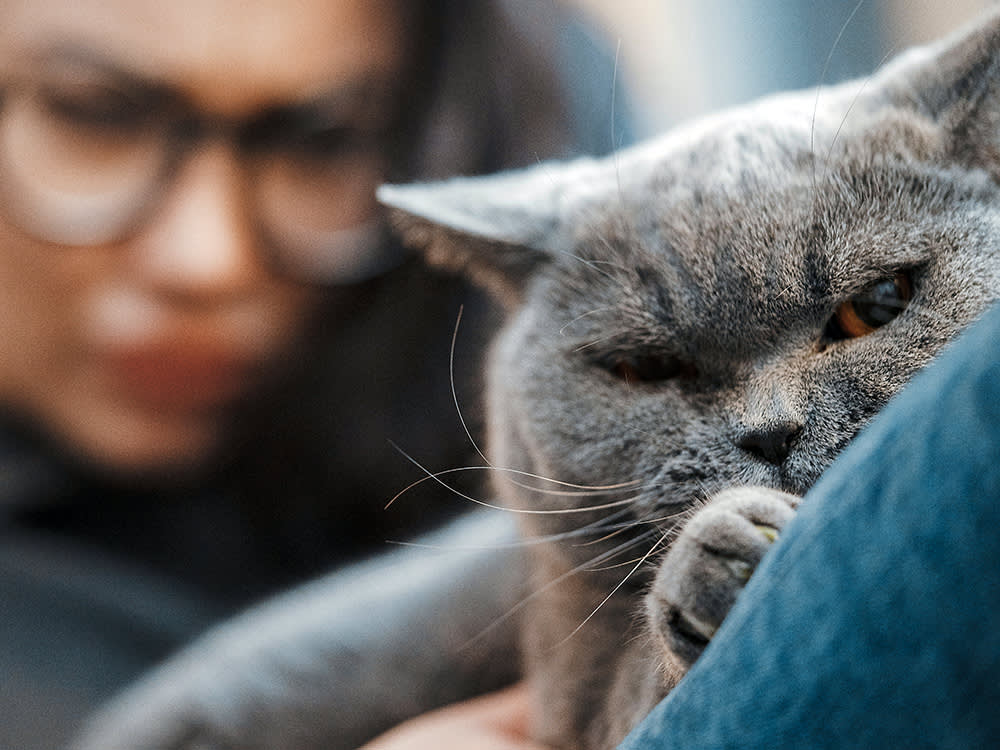
Here is the thing almost everyone gets backwards about the sulking cat: the cold shoulder is real, but the grudge behind it is not. Your cat is not nursing a slight from three days ago. They do not have the equipment for it. What looks like a vendetta is nearly always something much simpler and much more fixable, and once you see it that way, the whole standoff changes.
A grudge is a surprisingly complicated piece of mental work. It requires holding onto an event, assigning blame, and keeping that blame alive over time as a kind of ongoing moral verdict. That is abstract, future-facing thinking, and it is not how a cat’s mind operates.
A grudge means carrying a case file around in your head, and cats simply don’t keep one. They live in what’s happening right now. When a cat acts cold, they’re not replaying an offense, they’re responding to how they feel in this exact moment, and that feeling is almost always about safety.
So why does it feel so personal?
Because cats are reactive, and their reactions can look pointed even when they are not. A cat who runs from your partner or glares from the bookshelf is telling you something is off. They are just working with a very limited vocabulary.
Take the classic “spite pee.” When a cat urinates somewhere they shouldn’t right after you’ve changed something in their world, it is easy to read it as retaliation. It almost never is. A cat whose litter box routine suddenly changed is confused and stressed, and urinating outside the box is one of the only tools they have to signal that the situation has become intolerable. It is a distress flare, not a middle finger.
The tell is what happens next. Punish the cat, and the stress climbs and the behavior often sticks. Change the underlying situation, and it usually resolves. That is the opposite of how you’d handle an actual grudge, and it is a good reminder of what you are really dealing with.
The revenge myth, retired
Because there is no grudge, there is also no vengeance. Cats depend on us completely, and they know it on some level. They are not scheming to punish the hand that feeds them. When your cat does something that reads as payback, they are reacting to stress, boredom, or a change they can’t process, not executing a plan.
This matters because the “vengeful cat” story leads people to respond with frustration, which makes a scared cat more scared. Dropping the story is the first step to actually helping them.
Winning your cat back
If your cat has gone distant, you can absolutely rebuild the bond. The trick is to move at their pace, not yours.
Start by letting all interaction happen on the cat’s terms. Offer a favorite treat, a wand toy, or a slow grooming session, and let them choose whether to engage. Cats reconcile with each other partly through gentle mutual grooming, and calm brushing or soft petting, when they invite it, taps into that same instinct. What you must not do is chase closeness: picking them up against their will, following them around, or flooding them with attention reads as intrusive and pushes them further away.
“The fastest way to lose a wary cat is to crowd them,” says Dr. Kohl. “Give them the option to come to you and then reward it every time they do. Autonomy is the currency here. Respect it and trust rebuilds on its own.”
Then reinforce the good feeling with predictability. Consistent feeding times, familiar resting spots, and low-key enrichment tell a cat the world is stable and you are a safe part of it.
When it isn’t a mood at all
A couple of important caveats. If your cat’s avoidance outlasts a day or two, look hard at what is still going on in the environment. A one-time scare, like someone accidentally stepping on a tail, might buy you a day of distance, but it should not turn a cat permanently against a person. Persistent avoidance means a persistent cause: someone repeatedly startling them, crowding their space, or handling them roughly. Find it and fix it.
Age can also masquerade as a grudge. Many cats grow more independent as their personalities settle between two and four years old. A kitten who was a relentless cuddler may simply mature into a more reserved adult. That is not rejection, it is just who they are becoming.
Finally, watch for the version that is actually medical. A cat who was affectionate and has suddenly turned distant, hidden, or aggressive may be in pain or unwell. Behavior change is one of the first ways cats show illness, and it is worth a vet visit before you chalk it up to temperament.
What newer research adds
Recent work on cat cognition keeps landing in the same place: cats form strong associative memories and clearly read our emotional cues, but there is no evidence they carry the long-term, blame-assigning grudges people imagine. Studies on cat attachment have shown that most cats form secure bonds with their humans and use them as a base of safety, which fits the picture here. A “grudge” is usually a broken sense of safety, and safety is rebuildable.
Researchers have also documented that cats pick up on human facial expressions and tone, and adjust their behavior accordingly. So while your cat isn’t keeping score, they are absolutely noticing how you act around them. Calm, consistent, unhurried energy does more to win a cat back than any treat, because it is the thing they are actually reading.
Cats do not hold grudges. They live in the now, and what they want more than anything is to feel safe. Give them that, patiently and on their schedule, and the cold shoulder thaws.
References
- Vitale, K. R., Behnke, A. C., & Udell, M. A. R. “Attachment bonds between domestic cats and humans.” Current Biology, 2019. https://www.cell.com/current-biology/fulltext/S0960-9822(19)30086-3
- Quaranta, A., et al. “Emotion Recognition in Cats.” Animals, 2020. https://www.mdpi.com/2076-2615/10/7/1107
- “Why Is My Cat Peeing Outside the Litter Box?” Cornell Feline Health Center. https://www.vet.cornell.edu/departments-centers-and-institutes/cornell-feline-health-center
Common questions
How long do cats stay mad?
There's no grudge to outlast, but a cat's stress hormones can take roughly 24 to 48 hours to settle after a frightening event. If avoidance drags on for days or weeks, the cause is almost always something ongoing in the environment, not lingering resentment.
Do cats get revenge when you upset them?
No. Revenge requires planning and moral judgment that cats don't have. When a cat pees on the couch or knocks something over after you've upset them, they're reacting to stress or trying to communicate, not settling a score.
Why does my cat avoid one specific person?
Usually that person is doing something the cat finds unpleasant on repeat: moving too fast, making loud noises, taking their favorite spot, or handling them roughly. The cat has learned to associate the person with discomfort, so they keep their distance. Change the behavior and the avoidance usually fades.
Dr. Kohl is a board-certified veterinary dentist with a particular interest in preventive oral care. She reviews all dental health content at The Pet Times and contributes practical guides on home dental routines, professional cleaning, and oral disease prevention.
Meet our experts ↗Keep reading
 TrainingYour Cat Keeps Running Off. The Fix Is to Chase LessLeila Torres · 8 min
 TrainingYour Cat Isn't Guarding You in the Bathroom. They Hate the Door.Dr. Nina Kohl · 6 min
 Training8 Kind Things You Do That Your Cat Reads as ThreatsDr. Amara Solis · 8 min
 TrainingThat Sound Isn't a Meow. And It Isn't Good News.Dr. Lena Park · 8 min
 First DaysYour Older Cat Doesn't Hate the Kitten. It Hates the Energy.Dr. Priya Nair · 7 min
 TrainingYour Cat Notices the Suitcase. Here's What They Actually Feel.Dr. Nina Kohl · 5 min