


Your Cat's 3 A.M. Meltdown Isn't Random. It's a Schedule You Built
The midnight sprint up the stairs and across your face has a name and a logic. Here's what triggers cat zoomies, how to redirect them, and the one version that means a vet visit.

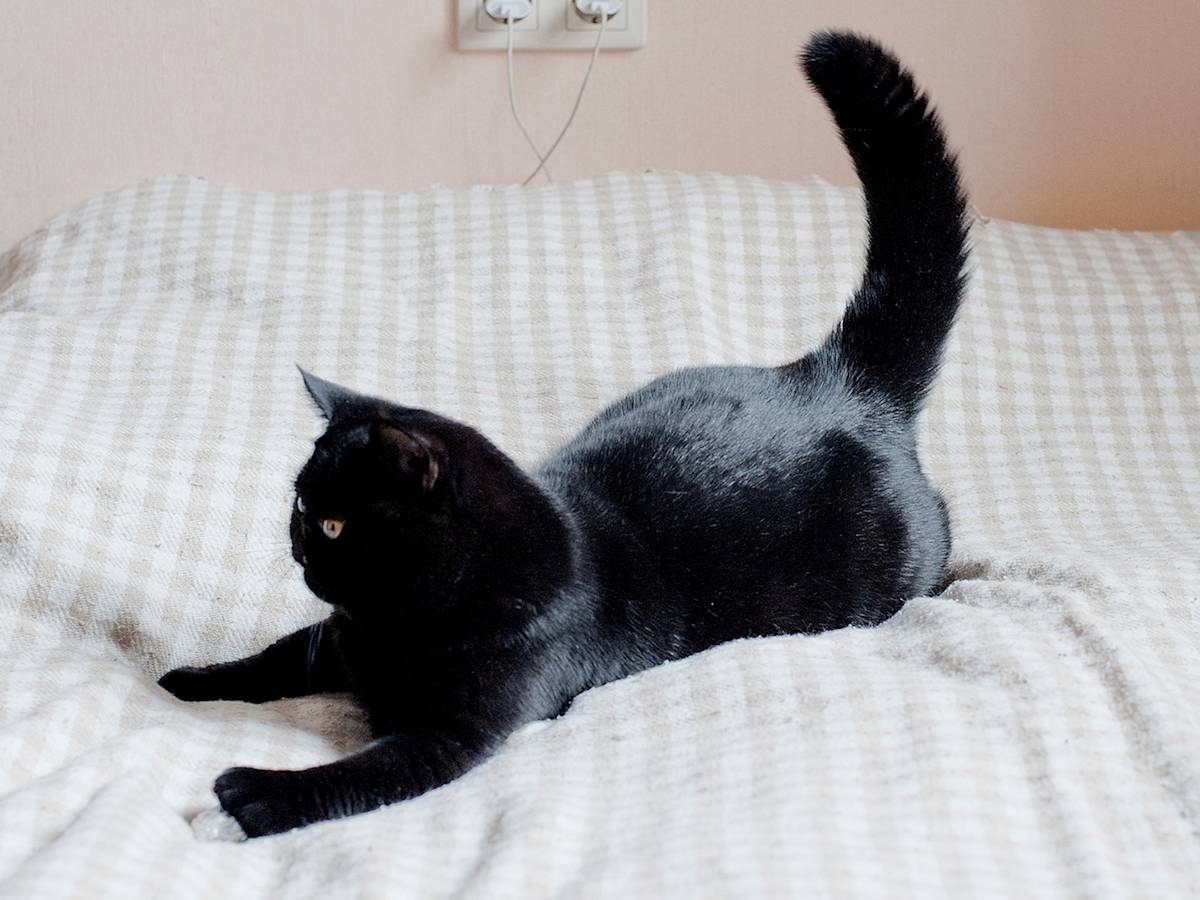
There is a specific flavor of chaos every cat owner knows. The lights are off, you are finally horizontal, and a small animal launches off the top of the refrigerator, banks off the counter, tears up the stairs, comes back down faster, and makes one gravity-defying lunge at nothing you can see. Thirty seconds later it is over, and the cat is grooming a paw like none of it happened.
That burst has a real name, Frenetic Random Activity Period, and here is the part most explainers skip: it is rarely as random as it looks. The timing, the trigger, and even the frequency are usually things your own household is quietly setting. Once you see the pattern, you stop treating zoomies as a mystery and start treating them as feedback.
What a zoomie actually is
A cat sleeps somewhere between twelve and sixteen hours a day. That rest is not idle time, it is stored energy. When a cat wakes from a long stretch of it, the body needs to move, and it needs to move now, so it fires off a short, intense sprint to burn the surplus before settling back down. A healthy episode builds fast, peaks, and shuts itself off within a minute or two. That self-limiting quality is the signature of a normal zoomie, and it is worth remembering, because it is exactly what changes when something is wrong.
A healthy zoomie is a cat spending energy it saved up, and it stops on its own once the tank is empty. What I pay attention to is any version that doesn’t fit the cat’s usual rhythm, because a sudden change in how often or how hard a cat zooms is often the body telling you something before anything else does.
Your schedule is the hidden trigger
Zoomies cluster at two times of day for most cats, first thing in the morning and late at night. That is not a coincidence, and it is not really about the clock. Cats are crepuscular, wired to hunt at dawn and dusk, and the small creatures they are built to chase are busiest in those same low-light hours. A mouse moving inside a wall, a moth against a window, or just the creak of a settling house is enough to flip the switch from nap to full pursuit.
But there is a second, more manmade trigger, and it is the one you can actually adjust. A cat left alone and understimulated all day banks even more energy than usual, and it comes due the moment you are home and still, which is bedtime. If your cat reliably melts down right after you settle in for the night, the meltdown is partly a bill for a quiet day. The good news is that a bill you created is a bill you can pay down on your own terms.
How to redirect the burst instead of fighting it
You cannot train a cat out of needing to move, and trying to punish a zoomie only adds stress to an already wound-up animal. The move that works is redirection: give the energy somewhere useful to go, on a schedule that beats the cat to it.
Aim for a real play session in the window before the usual eruption, early evening for most cats. Use a wand toy, a laser, or anything that lets your cat stalk, chase, and pounce, and let the session actually tire them out rather than ending after two half-hearted swats. A short, satisfying hunt before bed drains the tank you would otherwise be paying for at 3 a.m., and it doubles as bonding time you both get something out of. Feeding a small meal right after that play session leans into a natural hunt-eat-groom-sleep cycle, and many cats will wind down on their own from there.
If the sprints are ending with broken lamps, the fix is the environment, not the cat. Clear the flight path of anything fragile, and give a climbing cat legitimate height to burn energy on, a tree or a shelf, so the ceiling fan stops looking like the only summit worth attempting.
What’s new since this was written: the version that means call the vet
The most important update to how vets think about zoomies is about the ones that are not normal, and it matters most for older cats.
For a middle-aged or senior cat, a sudden jump in how often or how intensely it zooms is not something to shrug off. Frenetic bursts can be an early behavioral sign of hyperthyroidism, an overactive thyroid gland that is common in older cats and pushes the body into overdrive. The tell is rarely the zooming alone. It usually travels with weight loss despite a bigger appetite, increased thirst and urination, and sometimes vomiting or a restless, loud night. Any of that pattern in an older cat is a reason to book an exam and a simple blood test.
In senior cats, a new burst of nighttime activity and disorientation can also point to cognitive dysfunction syndrome, a dementia-like decline, rather than playful energy. And at any age, sudden frantic movement that looks less like joy and more like distress, especially if a cat is biting at its own back or flank, can trace back to pain or skin irritation. The rule of thumb vets now use is simple and worth keeping: ordinary zoomies are consistent and self-limiting, and it is the change in the pattern, not the pattern itself, that earns a phone call.
Short of those red flags, the erratic midnight grand prix is just a healthy cat being a cat. Clear the breakables, book the evening play session, and let the witching hour run its two-minute course.
References
- Cornell Feline Health Center. “Hyperthyroidism in Cats.” Cornell University College of Veterinary Medicine. https://www.vet.cornell.edu/departments-centers-and-institutes/cornell-feline-health-center/health-information/feline-health-topics/hyperthyroidism-cats
- PetMD. “Hyperthyroidism in Cats: Symptoms and Treatment.” https://www.petmd.com/cat/conditions/endocrine/c_ct_hyperthyroidism
- International Cat Care. “Cognitive Dysfunction Syndrome (CDS) in Older Cats.” https://icatcare.org/advice/cognitive-dysfunction-syndrome-cds-in-your-older-cat/
Common questions
Why do cats get zoomies at night?
Cats are crepuscular, most active around dawn and dusk, and their prey is too. After sleeping up to 16 hours a day, they surface with energy to burn right when the house goes quiet, which is also when small sounds are easiest to hear and chase.
When should zoomies worry me?
When they change. A senior cat that suddenly zooms far more than usual, especially alongside weight loss, a bigger appetite, more thirst, or loud nighttime yowling, should see a vet. Those can be signs of hyperthyroidism or cognitive decline rather than ordinary play.
Dr. Kohl is a board-certified veterinary dentist with a particular interest in preventive oral care. She reviews all dental health content at The Pet Times and contributes practical guides on home dental routines, professional cleaning, and oral disease prevention.
Meet our experts ↗Keep reading
 TrainingThat 'Come Here' Cat Video Works. Your Own Voice Works Better.Dr. Lena Park · 7 min
 TrainingYour Cat Screams at 3am Because You Never Let It Finish the HuntDr. Mara Chen · 8 min
 Health & WellnessYour Cat Isn't Being Weird. Plastic Bags Smell Like Food.Dr. Mara Chen · 7 min
 Health & WellnessThe Glow in Your Cat's Eyes Is a Free Eye Exam. Learn to Read It.Dr. Ravi Mehta · 8 min
 Health & WellnessYour Cat Eating Your Shoelaces Isn't a Quirk. It Might Be Pica.Dr. Mara Chen · 7 min
 TrainingPaper Is the Best Cat Toy in Your House. It's Also a Trap.Dr. Ravi Mehta · 7 min