


Your Cat Skips the Vet Because of the Car, Not the Bill
There are more than 90 million cats in American homes and fewer than half get a yearly exam. The reason most owners give isn't money. It's the 20 minutes between the couch and the parking lot, and that part is fixable.

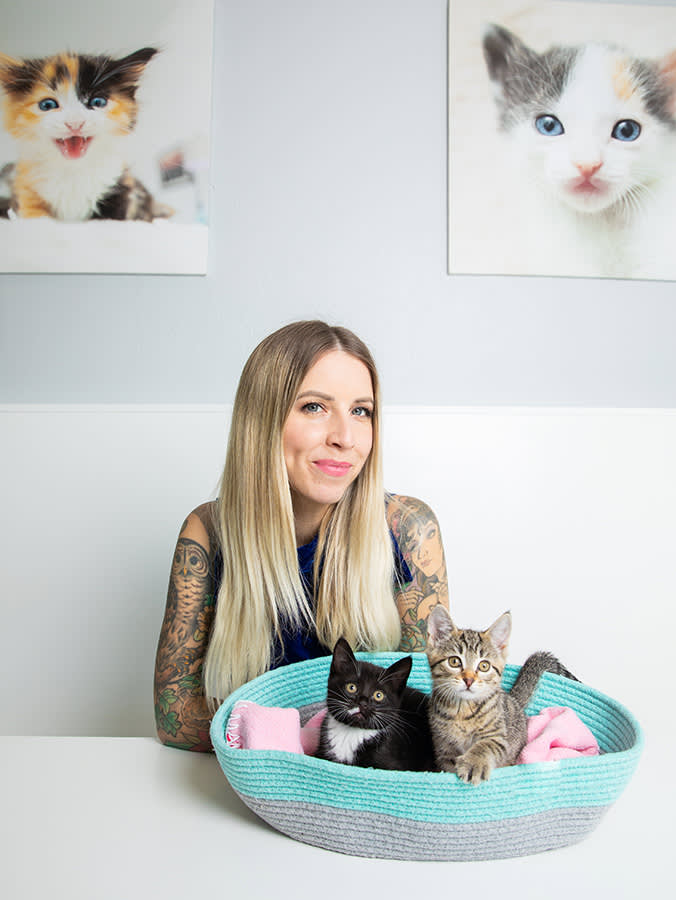
Here is the number that should bother you: there are more than 90 million cats living in American households, and fewer than half of them get a yearly veterinary exam.
That statistic, from the American Pet Products Association and Veterinary Practice News, gets quoted a lot, and it is almost always paired with the wrong explanation. The assumption is that cat owners are cheaper, or lazier, or less attached than dog owners. That is not what the data says.
When Royal Canin looked at why cat owners skip the vet, roughly 30 percent said the same thing: it is a hassle to get the cat there. Not the bill. The transportation.
Which is worth sitting with for a second, because it means the biggest gap in preventive care for the most popular pet in the country is not a medical problem or a financial one. It is a logistics problem. And logistics problems have solutions.
The gap is invisible on purpose
Cats are extremely good at not looking sick. That is not a personality quirk, it is survival wiring: an animal that advertises weakness is an animal that gets picked off. A cat with early kidney disease, a mouth full of painful resorptive lesions, or a slow-growing thyroid problem will very often eat, purr, and greet you at the door right up until the point where the problem is expensive.
“The cat who is ‘fine’ is the one I worry about,” says Dr. Lena Park. “By the time a cat looks unwell in the living room, we are usually not catching something early. We are catching it late and calling it early.”
That is the whole case for the wellness exam. It is not for the cat who is clearly ill. It is for the cat who seems perfect, so that a vet can find the thing you cannot see from the couch.
What the schedule actually is
Kittens are front-loaded. Expect several visits in the first months: blood and fecal testing, the vaccine series, spay or neuter surgery, and growth monitoring.
After that it settles down.
- Adult cats: once a year, minimum. A full physical, weight tracking, dental check, and a conversation about anything that has changed at home.
- Senior cats: twice a year. Cats age faster than the once-a-year rhythm can keep up with, and the diseases that show up in the back half of a cat’s life, kidney disease, hyperthyroidism, diabetes, arthritis, move quickly enough that a twelve-month gap can hide a year of decline.
That is it. For most healthy adult cats, we are talking about one morning a year. Which makes it genuinely maddening that the thing standing in the way is a plastic box.
Fix the box first
Almost every “my cat can’t do the vet” story is actually a carrier story. The carrier lives in a closet. It comes out once a year. The cat sees it, understands exactly what it means, and goes under the bed. You spend forty minutes extracting a furious animal, arrive sweating, and quietly decide that next year is optional.
The fix is boring and it works: stop making the carrier an event.
Leave it out, permanently, with the door off, in a room your cat already uses. Put a blanket in it that smells like your bed. Feed meals in it. Throw a treat in and walk away without watching. You are trying to turn the carrier into furniture. Once your cat naps in it voluntarily, close the door for ten seconds and open it again. Then twenty. Then lift it a few inches. Then carry it across the room. Then drive around the block and come home, so that the car stops being a one-way trip.
On the day itself, throw a towel over the carrier. Cats calm down fast when they cannot see the parking lot, the lobby, or the Labrador.
This is a few weeks of low effort that buys you a decade of easier visits. It is, by a wide margin, the highest-return thing in this article.
Then fix the ride
Plenty of cat owners do not have a car. That used to be the end of the conversation.
It is not anymore. Uber runs a pet-friendly ride option, Uber Pet, which you book instead of a standard ride so the driver knows an animal is coming. There are no breed or size restrictions, drivers earn an extra fee for taking these trips (about $4 in the US), and it is available in a growing list of cities. It is worth knowing the etiquette before you stand on the curb with a yowling carrier:
- Bring the carrier even though it is not strictly required. A cat in a secure carrier is a cat the driver is glad to take. A loose cat in a stranger’s back seat is a cancellation and, potentially, a genuinely dangerous ride.
- Bring a towel or blanket for the seat. Hair and mess are the reason drivers opt out of pet trips.
- Only one pet is included. Anything beyond that is up to the driver.
- Cleaning fees are real if your cat has an accident, which stressed cats do.
Royal Canin leaned on exactly this friction point when it ran its “Take Your Cat to the Vet” campaign with Uber Pet and Hannah Shaw, the New York Times best-selling author of Tiny But Mighty and founder of the rescue nonprofit Orphan Kitten Club. The company handed out 5,000 vouchers worth up to $10 off an Uber Pet ride, in US cities where the service ran. The vouchers are long gone. The insight behind them was correct and is still sitting there unused: subsidize the ride, and people go.
If a rideshare still feels like too much, price out a house-call or mobile vet. They cost more per visit and they cannot run every diagnostic a full hospital can, but for a healthy adult cat’s annual exam, a vet who comes to your kitchen removes the entire problem this article is about.
And fix the clinic
One more lever most owners never think to pull: ask whether the practice is set up for cats.
The American Association of Feline Practitioners runs a Cat Friendly Practice designation for clinics that have done the work, separate feline waiting areas or appointment times, quiet handling, pheromone use, staff trained not to scruff a frightened cat into compliance. If two clinics near you cost the same and one of them has done this, the choice is easy.
You can also simply ask, when you book: can we go straight into a room instead of sitting in the lobby? Most clinics will say yes. Ten minutes of not sharing a bench with three dogs changes how the entire visit goes.
What’s new since this was written
The voucher promotion is over, but the underlying problem it was built around has not moved much, and a few things have gotten easier.
Pet-friendly rideshare has kept expanding, and the rules are clearer than they were: book the pet option, expect a small surcharge, bring a carrier, bring a towel. Meanwhile, house-call and mobile veterinary practices have spread well beyond big coastal cities, which quietly solves the transport problem for a lot of cat owners rather than working around it.
The advice that has aged best is the least expensive part. Nobody is going to hand you a coupon for carrier training. But a carrier your cat will walk into on its own is the difference between an annual exam and a five-year gap, and it costs you a blanket and a few weeks of leaving a door open.
References
- AAHA and the American Association of Feline Practitioners. 2021 AAHA/AAFP Feline Life Stage Guidelines.
- American Association of Feline Practitioners. Cat Friendly Practice.
- Uber. Uber Pet (Pet Friendly Rides).
- Uber. Riding with pets.
- PR Newswire. Royal Canin Partners with Uber Pet and Cat Advocate Hannah Shaw for Annual Take Your Cat to the Vet Campaign.
- Orphan Kitten Club. About.
Common questions
Can I take my cat in an Uber?
Yes, if you book Uber Pet rather than a standard ride. It costs extra, the driver is told a pet is coming, and there are no breed or size limits. A carrier is not technically required, but bring one anyway: it is the difference between a driver who is happy to take you and one who cancels.
My cat screams the whole way. Is the stress worse than skipping the visit?
No. A bad car ride is a bad hour. An undetected kidney or dental problem is a bad year. The right answer is not to skip the visit, it is to make the carrier a normal object in your house so the ride stops being an ambush.
Is there a way to skip the car entirely?
House-call and mobile veterinary practices have expanded in most metro areas. They cost more per visit and cannot do everything a full clinic can, but for a routine wellness exam on a cat who falls apart in the car, they are a legitimate option worth pricing out.
Not a substitute for your vet. Our guidance is educational. For urgent symptoms, contact a vet or emergency clinic right away. Editorial standards
Dr. Chen is a small-animal veterinarian who leads health and safety coverage at The Pet Times. She writes and reviews the bulk of our illness, condition, and safety content, translating clinical guidance into clear, practical advice owners can act on at home.
Meet our experts ↗Keep reading
 LivingOne Cat, Three Flights, Zero Consent: How Mittens Became a Frequent FlyerJordan Ellis · 4 min
 Product PicksThey Live in a Van With Two Cats. This Is the Gear That Survives ItNina Vasquez · 7 min
 Product PicksFor a Cat, the Wrong Harness Isn't Gear. It's an Escape Hatch.Marcus Webb · 7 min
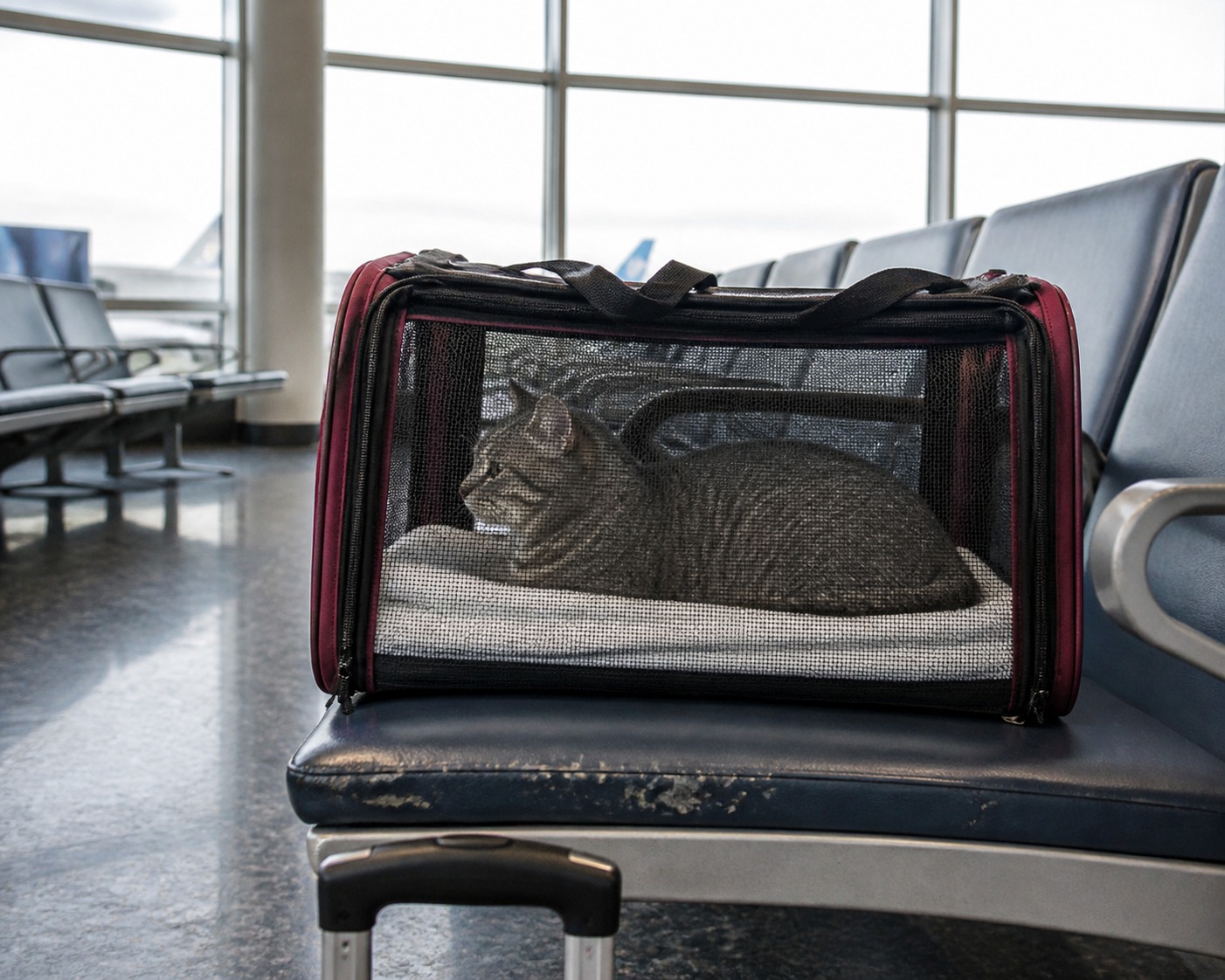 LivingTikTok Makes Flying With a Cat Look Easy. Here's the Part It Skips.Leila Torres · 10 min
 LivingThe Goodbye Ritual You Think Is Sweet Is Stressing Your Cat OutDr. Nina Kohl · 5 min
 LivingYour Cat Will Yowl for 3,000 Miles. Fix the Box, Not the Noise.Dr. Lena Park · 8 min