


Your Cat's Sleeping Position Is a Security Report. Here's How to Read It
From the tucked loaf to the belly-up flop, the way your cat sleeps is a live readout of how safe they feel. A vet walks the positions from most guarded to most trusting, plus the sleep habits that mean it is time to call the clinic.

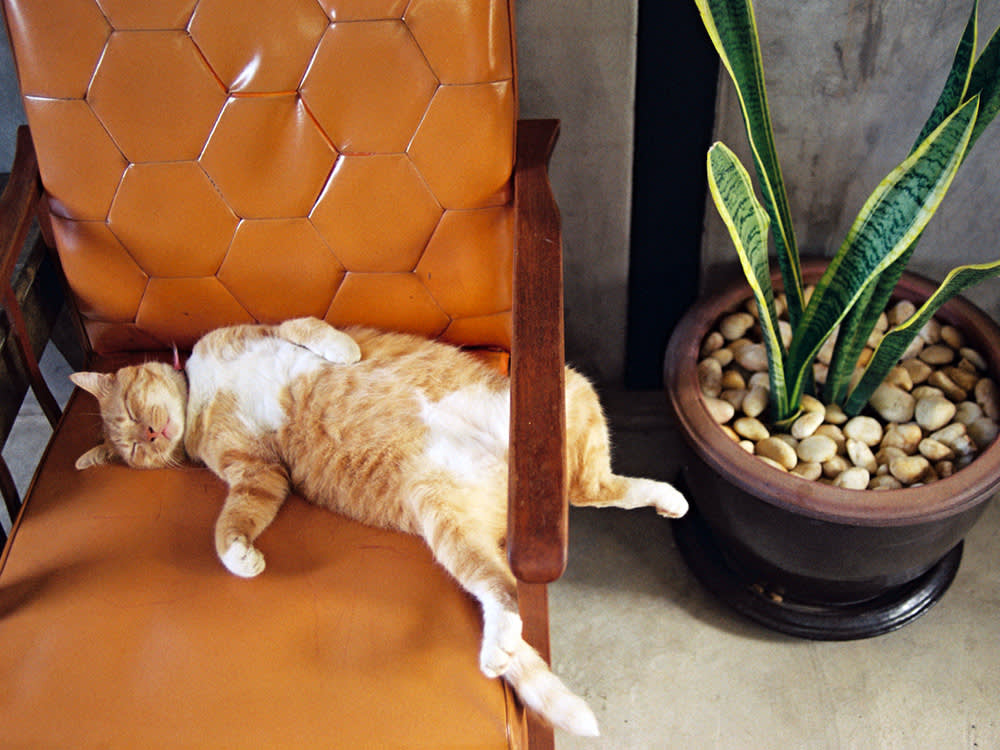
Cats are such committed sleepers that we named a nap after them, clocking well over half their lives asleep. All that downtime is easy to scroll past, but if you actually watch how your cat arranges themselves, you are looking at one of the most honest signals they give. A cat’s sleeping position is essentially a security report: a moment-to-moment readout of how exposed they are willing to be, which tracks directly with how safe they feel in your home.
The logic is simple once you see it. In the wild, a cat is both predator and prey, so at rest they are always making a quiet trade between comfort and readiness. The more of their soft underside a cat exposes, and the harder it would be for them to spring up and flee, the more they are telling you they trust their surroundings. So instead of listing poses at random, here they are along that spectrum, from most guarded to most trusting.
Most guarded: the loaf
The loaf is iconic, belly on the floor, paws tucked neatly underneath, and it is the position of a cat who is resting but staying ready. From a loaf, a cat can be up and gone in an instant, which is exactly the point for an animal wired to flee or pounce at a moment’s notice.
Do not take it personally, though. Some cats are simply more anxious by temperament, sometimes because of past experiences that have nothing to do with you. And plenty of cats loaf up for boringly practical reasons, like knowing dinner is coming and wanting to be poised to sprint for the bowl.
Still cautious, but cozy: the croissant
Curled nose-to-tail in a tight little crescent, sometimes called the shrimp, is a cat conserving heat and instinctively protecting the belly and vital organs, a holdover from a wild past when making yourself small kept you off a predator’s radar. It reads as slightly protective, but do not over-worry it. A curled cat cannot bolt quickly from that shape, and the fact that they have settled into it at all means they are fairly confident nothing is going to come at them.
Could go either way: burrowing
A cat tunneled under a blanket is one of the few positions that is genuinely ambiguous. Some cats are just born burrowers, seeking out enclosed, sheltered spots the way their ancestors sought bushes and porches to hide from the elements and from threats. In that case it is pure coziness. But burrowing can also be a stress response, a way to hide from an unfamiliar guest or a newly arrived pet. The tell is who they are hiding with: a cat tucked under the covers next to you is there because you make them feel secure.
Relaxed and open: side sleeping and the sploot
When a cat flops onto their side in a warm patch of floor, they have crossed into genuinely relaxed territory. Lying on one side is a vulnerable position, so a cat who chooses it is telling you they feel secure, that you have made the space feel safe. (It doubles as temperature control, since cats stretch onto cool tile in summer and into sun in winter.) The sploot, or plank, belly down with front legs stretched forward and back legs trailing behind, sends the same message. That full stretch means they are not braced to leap up. They are sprawled out and off duty.
Maximum trust: belly-up and co-sleeping with you
The belly-up flop is the top of the trust ladder. Every organ is exposed and undefended, and it is an awkward position to scramble out of, so a cat who dozes on their back is handing you the ultimate compliment. Just resist the tummy rub, most cats do not actually enjoy one and will let you know.
Sleeping on you, or pressed against you, is the social version of the same thing: a bonded cat sharing warmth and scent. There is a hidden layer here in multi-cat homes, where position can mirror the pecking order, and a more dominant cat may claim the highest real estate they can, your chest or even your head, as if to say the top spot is theirs. And if your cat gravitates to your armpits, lap, or feet, it is not a comment on your hygiene. It is that those spots carry the most of your smell, and your smell is what makes them feel at home.
When how your cat sleeps is a medical signal
All of the positions above are normal for a healthy cat. But sleep can also be where illness first shows itself, and a few patterns should move you from curiosity to the phone.
Head pressing, where a cat holds their head hard into a wall or the side of the couch and just stays there, is not a quirky pose. It is a recognized sign of a neurological problem such as hepatic encephalopathy, and it warrants a same-day vet call. Repeatedly falling asleep in the litter box can signal gastrointestinal trouble or a urinary tract infection, and a cat who starts sleeping right beside the food or water bowl may be flagging diabetes or a thyroid issue.
More broadly, watch for change. Because cats instinctively mask illness, a meaningful shift in their usual habits is often the earliest clue you get. An aloof cat who suddenly clings, or a social one who withdraws to sleep alone in odd corners, is worth paying attention to.
Cats hide sickness so well that by the time we notice, it can already be advanced. You do not need to diagnose anything from a nap. You just need to notice when your cat’s normal pattern breaks, and let that be the nudge to get them looked at.
So enjoy the loafs and the sploots and the belly-up flops for what they are, a running commentary on how good you have made your cat feel. Just keep one eye on the exceptions, because the same animal who tells you they feel safe by how they sleep will also, if you are watching, tell you when something is wrong.
References
- Cornell Feline Health Center. “Feline Behavior Problems and Normal Behavior.” Cornell University College of Veterinary Medicine.
- Merck Veterinary Manual. “Disorders of the Nervous System in Cats.” Merck Veterinary Manual.
Common questions
Does a curled-up cat mean my cat feels unsafe?
Not usually. The tight curl mostly conserves body heat and instinctively shields the belly, but a curled cat is not easy to spring up from, so a cat who sleeps that way is generally still confident they are safe. Read it alongside the rest of their body language rather than on its own.
Why does my cat sleep on top of me?
Because they feel bonded to you and want your warmth and scent. In multi-cat homes, position can also signal rank, with a more dominant cat claiming the highest spot, like your chest or head. Sleeping on your feet, armpits, or lap is simply a bonded cat gravitating to where you smell strongest.
Which sleeping positions mean I should call the vet?
Head pressing, where a cat rests their head hard against a wall or furniture, is a red flag for a neurological problem and needs a same-day vet call. Repeatedly falling asleep in the litter box can point to a urinary or GI issue, and sleeping right next to the food or water bowl can hint at diabetes or a thyroid problem. Any sudden, sustained change in how your cat sleeps is worth a check.
Dr. Chen is a small-animal veterinarian who leads health and safety coverage at The Pet Times. She writes and reviews the bulk of our illness, condition, and safety content, translating clinical guidance into clear, practical advice owners can act on at home.
Meet our experts ↗Keep reading
 TrainingCalico 'Cattitude' Is Half Myth. Science Found the Other Half.Dr. Nina Kohl · 5 min
 TrainingYour Cat's 3 A.M. Meltdown Isn't Random. It's a Schedule You BuiltDr. Nina Kohl · 4 min
 LivingYour Cat Didn't 'Imprint' on You Like a Duckling. What Actually Happened Is BetterDr. Nina Kohl · 7 min
 TrainingThat Sneer Is Your Cat Tasting the Air. Here's the Organ Doing ItDr. Amara Solis · 5 min
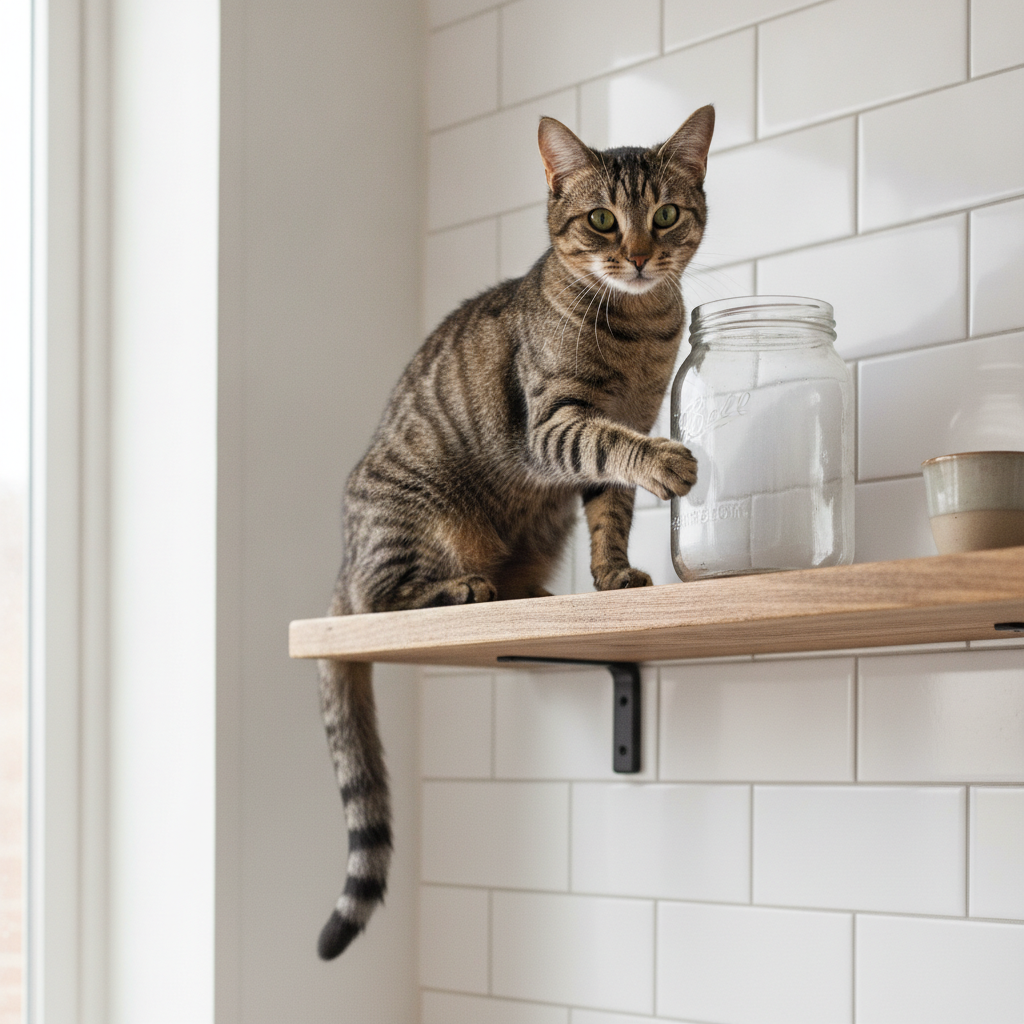 TrainingYour Cat Isn't Being a Jerk When They Swat Things Off the Table. They're Running an Experiment.Dr. Nina Kohl · 5 min
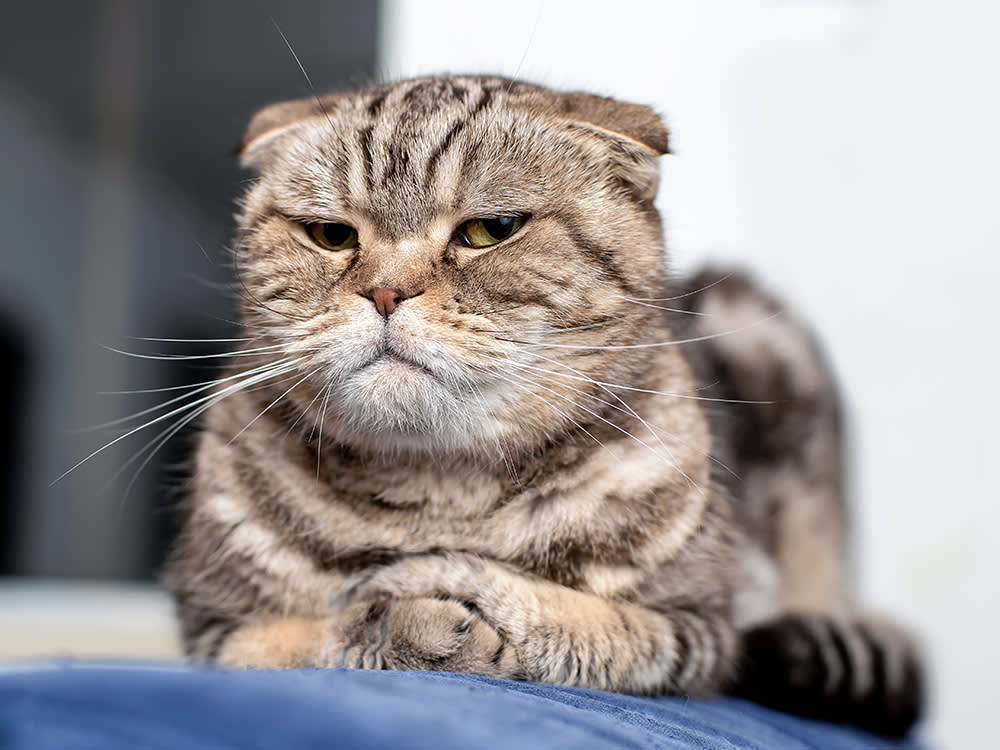 TrainingSome Cats Are Happier as Only Children. Here's How to Tell.Dr. Amara Solis · 7 min