


The 'Ice Is Dangerous for Dogs' Panic Is a 2010 Facebook Hoax
The warning resurfaces every summer: ice water will hurt your dog. Vets who've worked decades in emergency rooms have never seen it. Here's where the myth came from, and what actually keeps a dog cool.

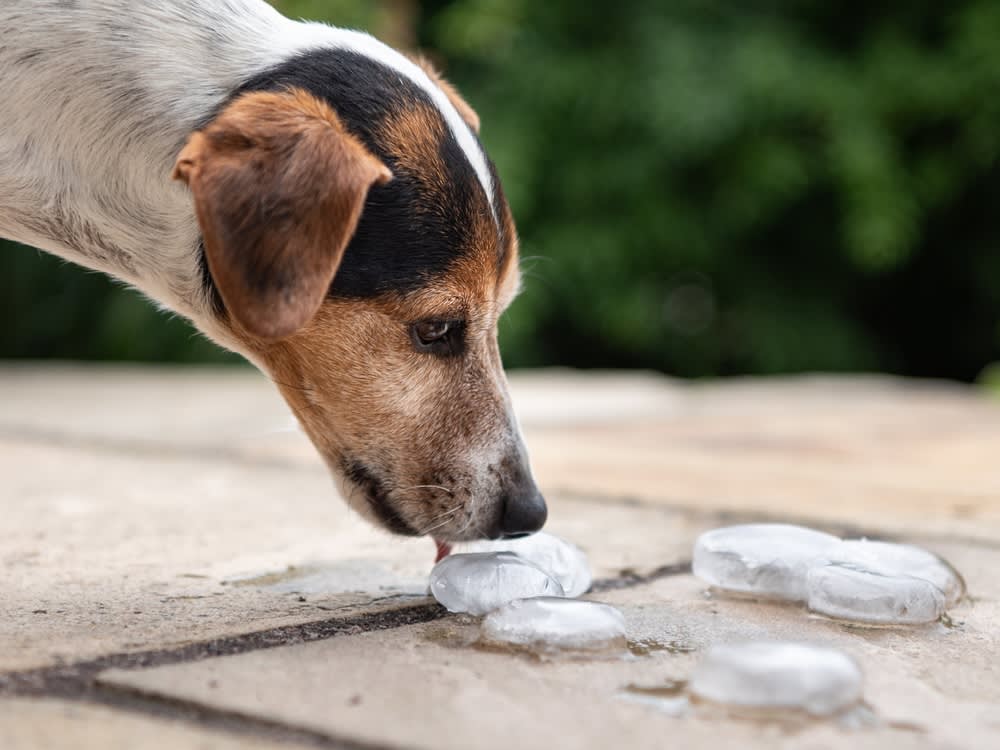
Every summer, like clockwork, the warning goes around again: do not give your dog ice, it is dangerous, it can hurt them, it might even kill them. It gets shared with real alarm by people who love their dogs. And it is, to put it plainly, nonsense, a piece of internet folklore that has been debunked over and over and refuses to die.
Here is the truth, straight up: ice cubes are safe for healthy dogs. The panic is not based on veterinary science. It is based on one scary social media post from more than a decade ago. Once you know where the rumor came from, you can stop worrying about the ice and focus on the thing that actually threatens dogs in summer, which is heat itself.
The short answer: yes, ice is fine
When you ask veterinarians whether ice cubes are safe for dogs, the striking part is not just that they say yes. It is that they cannot figure out where anyone got the opposite idea. A vet with decades in a busy metropolitan emergency hospital will tell you they have never once had a patient come in because it ate ice cubes. That is the reality behind the scary headline.
So when you and your dog are both panting in the backyard, tossing them a cube or two is a perfectly reasonable way to help them cool off. Better still, drop some ice into the water bowl. For some dogs, chilled water is a nudge to drink more, which helps them stay hydrated when it is hot.
I’ve spent years in emergency medicine, and ‘ate an ice cube’ has never been on a chart in front of me. What I do see, constantly, in summer is heatstroke. So it frustrates me when this myth spreads, because it aims people’s worry at a non-problem and away from the thing that genuinely lands dogs in my ICU. Give the ice. Watch the heat.
Two small, sensible cautions
“Safe” does not mean “no thought required.” Two reasonable precautions apply:
Size it to your dog. Use ice cubes your dog can handle without choking. Be especially mindful with puppies, who can choke more easily on anything they are chewing.
Consider the teeth. For a dog with sound, well-maintained teeth, ice is generally a non-issue, but it can hurt a dog whose teeth are already diseased. If your vet has flagged dental problems, ask them before making ice a regular treat.
Neither of these is unique to ice, they are the same commonsense rules you would apply to any hard chew. And note the theme: ice is a treat, not a food group. Plain water should always be your dog’s main way of staying hydrated, summer included. A couple of cubes across the day is a fine bonus; it is not a substitute for a full, fresh water bowl.
Where the rumor actually started
The warning has a paper trail, and it leads nowhere good. Snopes first fact-checked the claim back in 2014, and according to reporting, the underlying scare appears to trace to a single post from around 2010. That post urged people not to give dogs ice or frozen items in the heat, insisting it had “the opposite effect of cooling.”
It does not. But the post kept recirculating, and every time it goes viral, it gets debunked again, only to reappear the next hot season. That is the whole origin story: not a study, not a vet, just one alarming, wrong post that the internet keeps resurrecting.
The real summer threat, and how to handle it
If we are going to worry about something, let it be heat. Here is what actually keeps a dog safe when temperatures climb.
Stick to the shade. You would hate a 90-degree afternoon stuck outside with no shade or air conditioning, and so would your dog. Keep them in a cool, shaded spot with plenty of fresh water.
Time exercise to the weather. Skip the long midday walk when the sun is at its worst. Aim for early morning or late evening instead, and on truly brutal days, skip the workout entirely.
Account for your specific dog. Heat does not hit every dog equally. Heavy-coated dogs, the very young and very old, flat-faced (brachycephalic) breeds, and any dog with a chronic health condition all feel it harder than average. Know where your dog falls and adjust.
Do the pavement test. Not sure if the ground is too hot? Press the back of your hand to the sidewalk. If it is too warm for you to hold comfortably, it is too hot for your dog’s paws. Shift the walk to a cooler time, or try cooling booties.
Never leave a dog to overheat. Whether it is a sun-baked backyard with no shade or, worst of all, a hot car, do not leave your dog somewhere they could overheat, even for a “quick” errand. Never, under any circumstances, leave a dog alone in a parked car.
Know the warning signs
The key to a safe summer is catching heat trouble early, because heatstroke can set in within about 30 minutes. Watch for:
- Excessive panting
- Drooling
- Heavy breathing
- Lethargy
Spot any of these and get your dog into a cool, airy spot right away. Cool, damp towels can help. And seek veterinary care right away, an overheating dog may need real medical support to recover. One thing not to do in that moment: do not rely on ice cubes as your response to actual heatstroke. Cooling a severely overheated dog is a job for a vet, not a snack.
What’s new since this was written
The myth is as stubborn as ever, still making its annual social-media rounds and still being knocked down by fact-checkers and veterinarians each time. Nothing in current veterinary guidance has changed the verdict: ice is safe for healthy dogs in moderation.
What has grown is the attention on the real danger. As summers run hotter, veterinary and welfare groups have leaned harder into heatstroke awareness, emphasizing that it is common, fast-moving, and often preventable with shade, water, smart timing, and never leaving dogs in cars. The ice cube was never the problem. The heat always was.
References
- Snopes. Fact-check of the “do not give dogs ice” claim, 2014.
- American Kennel Club. Guidance on dogs and ice, and on recognizing and preventing heatstroke.
- American Veterinary Medical Association. Warm-weather and vehicle-heat safety guidance for pets.
Common questions
Can ice water make my dog sick or cause bloat?
There is no credible evidence that ice or ice water causes bloat or harm in a healthy dog. The claim traces to a single unverified social media post, not to veterinary science, and has been repeatedly debunked.
How much ice can I give my dog?
A few cubes over the course of a hot day, as an occasional treat, is fine. Ice should never replace fresh water, which must always be a dog's primary source of fluid. Adding a cube or two to the water bowl can even encourage some dogs to drink more.
What are the signs my dog is overheating?
Watch for excessive panting, drooling, heavy breathing, and lethargy. If you see these, move your dog to a cool, ventilated space, use cool (not ice-cold) damp towels, and seek veterinary care right away, heatstroke can develop in as little as 30 minutes.
Not a substitute for your vet. Our guidance is educational. For urgent symptoms, contact a vet or emergency clinic right away. Editorial standards
Dr. Park is a board-certified emergency and critical care specialist. She reviews our health and safety content for clinical accuracy and contributes guides on recognising urgent conditions. Her focus is helping owners act quickly and correctly when it matters most.
Meet our experts ↗Keep reading
 Health & WellnessYour Dog's Tail Went Limp After a Big Day Out. It's Probably Not BrokenDr. Mara Chen · 7 min
 Health & WellnessEvery Second You Spend on Snakebite First Aid Is a Second Your Dog Is DyingDr. Ravi Mehta · 8 min
 Health & WellnessThe Bug Spray in Your Bag Could Poison Your Dog. Reach for These Instead.Dr. Ravi Mehta · 6 min
 Health & WellnessThe Desert Fungus That Ambushes Dogs Through Their NoseDr. Priya Nair · 7 min
 FoodThe Potato Is Innocent. It's the Garnish That Hurts Your DogDr. Mara Chen · 6 min
 LivingShelters Say the Same Thing About Lost Dogs: Nobody Has a Usable PhotoMarcus Webb · 8 min