


The Desert Fungus That Ambushes Dogs Through Their Nose
Valley Fever hides in dry Southwestern soil, rides in on a sniff, and can masquerade as a limp or a lingering cough. Here is how to spot it, treat it, and the vaccine that could change the game.

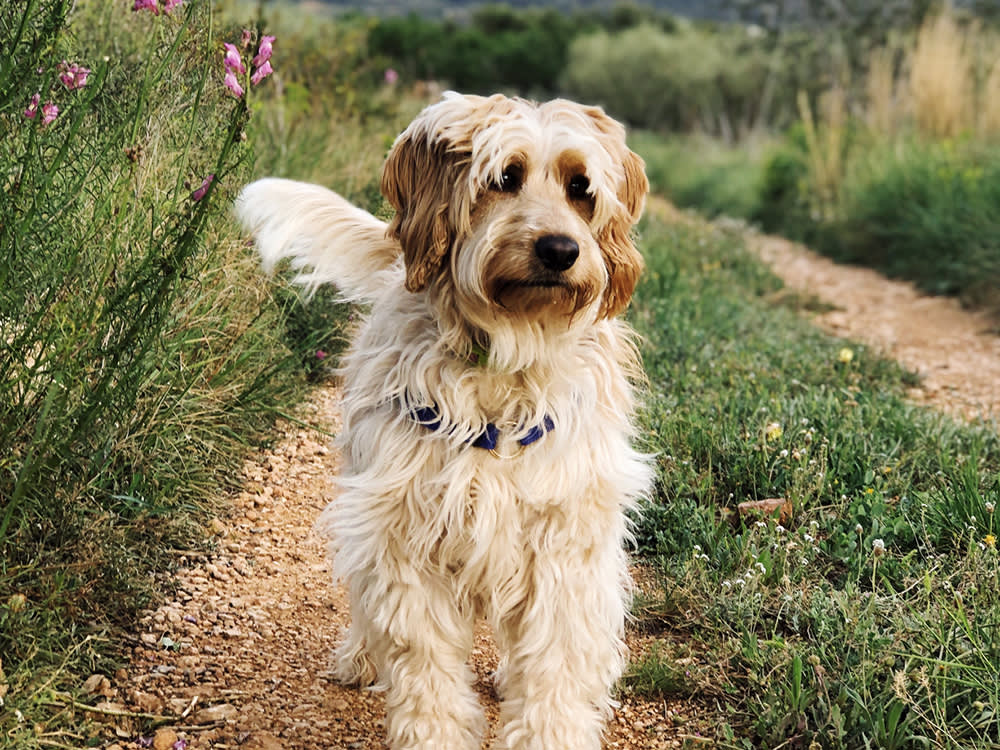
Here is a fear you can add to the pile: in parts of the American Southwest, the dirt itself can make your dog sick. Not the cactus, not the heat, the soil. A fungus called Coccidioides lives in dry ground across the region, and when a dog does the most doggy thing imaginable, sniffing and digging, it can inhale microscopic spores and come down with Valley Fever.
The disease goes by several names, including coccidioidomycosis, California disease, San Joaquin Valley fever, and desert rheumatism. Whatever you call it, the thing that makes it sneaky is not how it spreads but how it hides. Most infected dogs never look sick at all. The ones that do can show up with symptoms so ordinary, a cough, a limp, a little less pep, that the fungus is the last thing on anyone’s mind.
Valley Fever is a great impersonator, and that is exactly what makes it dangerous. I have seen it show up looking like a stubborn kennel cough one week and a sports injury the next. The detail that cracks the case is almost always geography: has this dog spent time on dry Southwestern ground?
Where it lives, and who is at risk
The fungus thrives in arid, dusty soil, and it has been found in the dirt across Arizona, California, Nevada, New Mexico, Texas, Utah, and Washington. Climate is the key. The spores concentrate in dry, dusty conditions, which is why the classic patient is a desert dog.
Valley Fever is strange in how many species it can infect. It has been diagnosed in humans, cows, horses, llamas, apes, tigers, kangaroos, bears, otters, and even dolphins. Among all of them, dogs are the most susceptible, and the reason is behavioral rather than biological: dogs put their noses to the ground and dig, which is a nearly perfect delivery system for inhaled spores.
What it does inside the body
Once inhaled, the spores settle into the nose and lungs and transform into structures called spherules. In a healthy adult dog with a strong immune system, the body usually walls those spherules off and clears them, and the dog never shows a sign. The problem arises in dogs that are very young, very old, or immunocompromised. In them, the spherules keep growing until they rupture, spilling out more spherules that travel and seed infection elsewhere. That runaway cycle is how the disease takes hold in a vulnerable dog.
There are two forms to know. Localized infection stays in the lungs. Its signs are:
- Coughing
- Fever
- Poor appetite
- Fatigue
Disseminated infection is what happens when the fungus escapes the respiratory tract and spreads, often to the bones and joints. Its signs include:
- Lameness
- Swollen joints
- Warmth in the joints
- Loss of appetite
- Fatigue
- Fever
- Weight loss
Any dog showing these signs who lives in, or has recently traveled through, a Valley Fever region should see a vet promptly. The limping-and-swollen-joint version in particular fools people, because it looks like an injury rather than an infection.
Why it is not contagious
This is the reassuring part. Because the disease comes only from inhaling spores out of the soil, an infected dog cannot pass it to another dog, to a cat, or to you. Every case is its own separate encounter with the dirt.
The fungus manages a clever trick to survive. In wet conditions it grows as a mold in the environment; when the ground dries out, it shifts into a spore phase and can wait, dormant, for years. Disturb that dry soil, by digging, by wind, by rain kicking it back into the air, and the spores go airborne and available to breathe in. Inside a dog they convert to spherules and set up the infection, but the dog is a dead end for spread.
Getting a diagnosis
Suspect Valley Fever in any dog with the right symptoms and the right geography, current or recent. The main test is a titer, which checks whether the dog has antibodies against Coccidioides. Vets typically pair it with full bloodwork, a urinalysis, and chest X-rays to gauge how far the infection has traveled.
Treatment, and the patience it takes
Treatment means long-term oral antifungal medication, most commonly ketoconazole, itraconazole, or fluconazole, with your vet choosing the best fit for your dog. “Long-term” is not an exaggeration: these drugs are needed for months and sometimes years. Because they can strain the liver and other organs, routine bloodwork runs alongside treatment the whole way.
The prognosis is genuinely encouraging when the disease is caught in time. Most dogs improve within the first two weeks of starting medication, and it has been reported that more than 90 percent of diagnosed, treated dogs survive. The earlier the diagnosis, the better the odds. The sobering exception is the severely immunocompromised dog with a disseminated infection, where the outlook is guarded. The other thing that matters is finishing the course. Stop the antifungals too soon and many dogs relapse, which is why periodic titers and organ-function tests continue until the vet says it is truly done.
What you can do to prevent it
There is no way to childproof the desert, but you can lower the dose of spores your dog breathes. Keeping dogs indoors more, walking on leash, and sticking to paved paths and sidewalks all reduce nose-in-the-dirt exposure. Reinfection is possible in theory if a dog inhales more spores, though relapses of an existing infection are the more common concern, which is again why the full drug course matters.
One myth deserves a hard no: garlic does not cure Valley Fever. Garlic is toxic to dogs and can trigger life-threatening anemia. Skip it entirely, and take any worry about your dog straight to your vet.
What’s new since this was written
The biggest development is a vaccine. A canine Valley Fever vaccine developed by Anivive Lifesciences is under review by the USDA’s Center for Veterinary Biologics, and if it clears, it would be the first vaccine ever licensed against a fungal disease. Earlier trials found that vaccinated dogs carried a much lower fungal burden, with roughly 90 percent showing minimal signs of disease. Researchers hope a version could eventually protect people too.
The other update is that this is no longer a problem you can assume stops at the old map lines. Cases have been climbing and the range has been creeping outward. California logged more than 10,000 cases in a recent 12-month stretch, about 40 percent higher than the year before, and in Arizona the sharpest increases have shown up in northern regions that were once considered lower risk. The short version for dog owners: if you live anywhere in the dry West, or you are road-tripping through it, Valley Fever belongs on your radar even if it never used to be on your neighborhood’s.
This article is for general education and is not a substitute for advice from your veterinarian. If you are worried about your dog’s health, contact your vet.
Common questions
Will my dog need medication forever?
Not usually, but treatment is long. Antifungal drugs are typically needed for many months, sometimes over a year, and stopping early is the most common reason dogs relapse. Your vet uses bloodwork and titers to decide when it is safe to stop.
My dog only has a cough. Should I worry about Valley Fever?
If you live in or have traveled to the dry Southwest, a cough that lingers is worth a vet visit. A simple lung infection is the milder form of the disease, and catching it early gives the best odds of a full recovery.
Not a substitute for your vet. Our guidance is educational. For urgent symptoms, contact a vet or emergency clinic right away. Editorial standards
Dr. Nair is a veterinarian focused on diet and feeding. She covers everyday nutrition, treats, and the many "can they eat this?" questions owners ask, grounding each answer in what is actually safe and sensible for dogs and cats.
Meet our experts ↗Keep reading
 Health & WellnessThe Old Advice Was to Starve the Pancreas. The Evidence Says Feed It.Dr. Ravi Mehta · 7 min
 Health & WellnessMud Won't Hurt Your Dog. What's Living In It Might.Dr. Priya Nair · 6 min
 Health & WellnessReaching for Pedialyte? Your Dog Almost Always Needs Water InsteadDr. Lena Park · 6 min
 Health & WellnessDistemper Was Nearly Beaten by a Vaccine. It's Creeping BackDr. Priya Nair · 10 min
 Health & WellnessThe Most Dangerous Vomit Is the One That Never Comes UpDr. Mara Chen · 8 min
 Health & WellnessYour Dog Drinks From Puddles. There's a Parasite Waiting in Them.Dr. Priya Nair · 7 min