


An Actor Said Steroids Made His Cat 'Jacked.' It Explains the Most Misunderstood Drug in the Cabinet
A late-night story about a muscle-bound cat is a great prank, and an even better way to understand what steroids actually do for cats. Spoiler: it isn't bodybuilding. It's one of veterinary medicine's most useful and most misread tools.

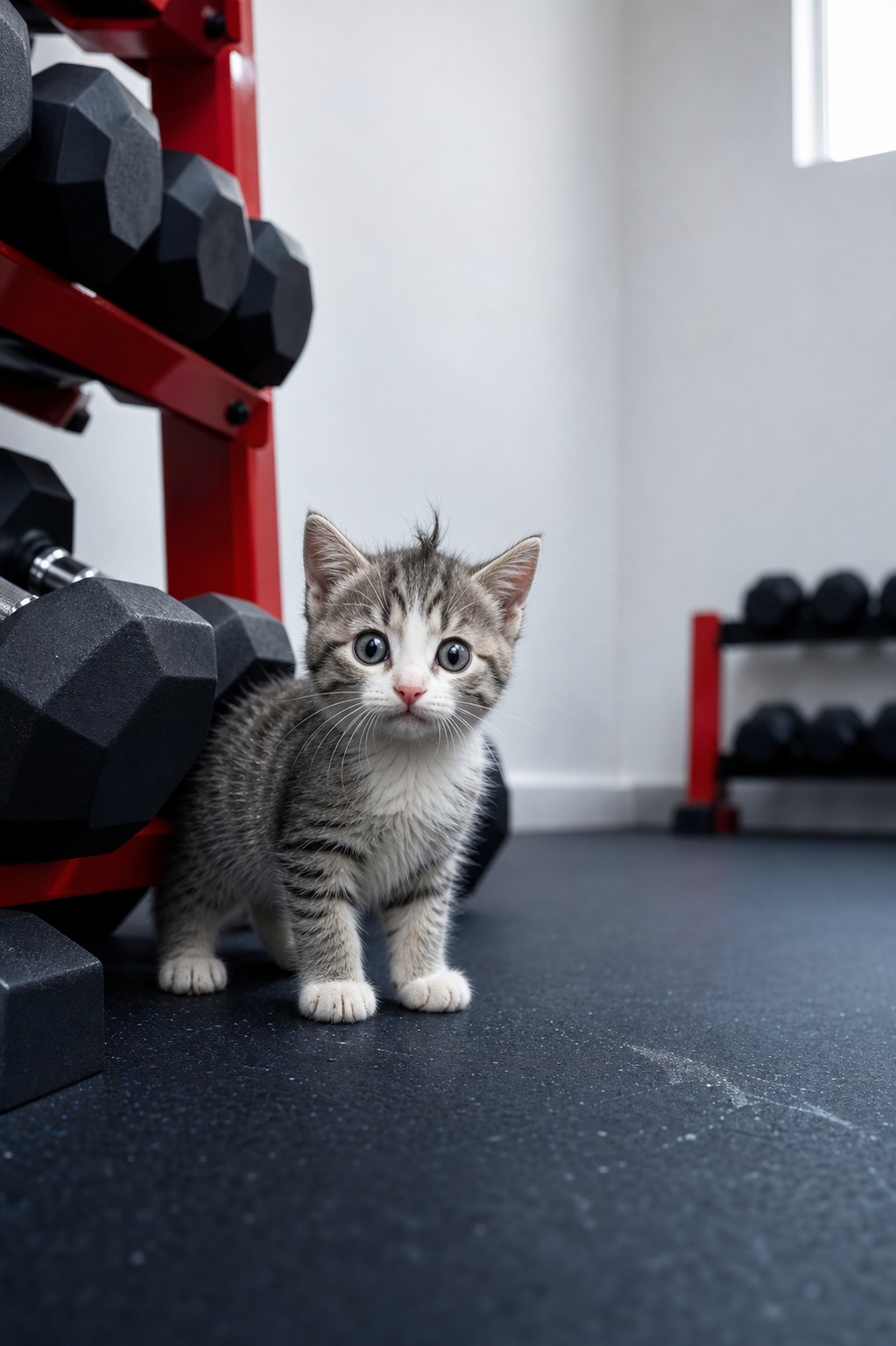
It started as a celebrity prank and turned into the best feline pharmacology lesson on late-night TV. An award-winning actor went on a talk show and described how his cat, after a course of steroids for a brain tumor, had gotten “jacked”, “muscles on muscles,” he said, like a tiny Schwarzenegger. The clip made the rounds, and plenty of people, reasonably, wondered: wait, can that happen? The honest answer is no, and the reason it’s no happens to explain the single most misunderstood class of drugs in any vet’s cabinet. So let’s take the joke seriously, because the truth underneath it is genuinely worth knowing.
The story, and the very reasonable confusion
The setup is real enough to fool anyone. The actor’s family adopted a tough street cat in Costa Rica, a jungle survivor with battle scars who later settled into a pampered indoor life. Years later the cat developed a brain tumor, lost weight, and began walking in circles. A specialist offered a Hail Mary: a course of steroids. The cat not only survived but, by the actor’s telling, came back looking buff.
It’s a great story and an easy thing to half-believe, because “steroids” in everyday speech conjures bodybuilders and home-run records. So we put the question to a vet who has worked alongside neurology specialists on cases exactly like this one.
That’s the joke, and it’s a good one, but it mixes up two completely different drugs that happen to share a nickname. When we say steroids in a case like this, we mean glucocorticoids, prednisolone, that family. They fight inflammation and can act as a kind of chemotherapy in their own right. What they absolutely don’t do is build muscle. The muscle-building ones are anabolic steroids, and we essentially never reach for those in cats.
So the cat got better, possibly fuller, but not ripped. Which raises the more interesting question the prank skates right past: if steroids don’t build muscle, what is this drug actually doing in there?
Two drugs, one nickname
This is the heart of the misunderstanding. The word “steroid” covers two families that do nearly opposite jobs.
Anabolic steroids are the ones that build muscle and tissue, the ones tied to athletes and gym culture. In animals, they’re a rarity.
Glucocorticoids are the ones vets actually use, prednisolone, dexamethasone, and their relatives. They don’t build anything. They quiet things: inflammation, swelling, an overreacting immune system. Picture them less as a protein shake and more as a fire extinguisher. In the tumor case, the steroid wasn’t bulking the cat up; it was shrinking the inflammation around the tumor and, in its own modest way, fighting the cancer, buying the cat comfort and time.
The “fuller” look the actor saw has a mundane explanation too. One of the most common side effects of glucocorticoids is increased appetite.
“Many of these cats have a bigger appetite and generally feel better, so the pounds go on,” Dr. Kohl says. “That’s extra weight, not muscle. You won’t get the lean, chiseled look you might see on a fit dog, and on a cat you basically never will, they carry so much loose skin that even a well-muscled one doesn’t read as ripped. I honestly don’t think I’ve ever laid eyes on a genuinely swole cat. Plenty of rounder ones, sure.”
Why this drug is everywhere in the clinic
Once you understand that glucocorticoids are anti-inflammatory and immune-modulating, their sheer range starts to make sense. Adjust the dose and frequency and the same drug family does strikingly different work:
- Around cancer and tumors, to shrink inflammation, reduce tumor-related swelling, and serve as part of chemotherapy, as in the actor’s cat.
- For allergic, itchy skin, to calm the inflammation behind the misery.
- For autoimmune disease, at higher doses, to suppress an immune system that’s attacking the body’s own tissue.
- As hormone replacement for cats with Addison’s disease, whose adrenal glands can’t make enough steroid hormone on their own.
That versatility is exactly why steroids are reached for so often, and why the nickname causes so much confusion. The drug that calms your cat’s itchy skin is a cousin of the one that bought a brain-tumor cat extra months.
The honest part: powerful means risky
Useful is not the same as harmless, and a responsible look at steroids has to say so plainly. High doses over long stretches carry real dangers in cats, including steroid-induced diabetes and strain on the heart that can tip toward heart failure. That’s the trade-off behind the “Hail Mary” framing, when a cat is out of better options, the benefit can outweigh those risks, but the risks are real.
“Steroids fall into the category where, once we’ve exhausted the other options, we’ll reach for them, because they frequently deliver striking results,” Dr. Kohl says. “But we’re careful. We use the lowest effective dose, we monitor, and when we do start high, for something like an autoimmune flare, we taper down as the patient improves rather than leaving them up there. And you don’t stop them suddenly on your own, that can cause its own crisis.”
That caution has only sharpened over time. Veterinary internal-medicine specialists continue to emphasize careful dosing and close follow-up for cats on steroids, precisely because the diabetes and cardiac risks are well documented. The modern approach to a serious case leans on the smallest dose that works and the closest monitoring that’s practical.
And while we’re here: the “big-boned” cat myth
The prank also brushed up against the most common feline body myth, the one that lives in the comments under every chunky-cat video. If steroids don’t make a cat muscular, what about all those cats their owners swear are “just big-boned”?
“Most of those cats,” Dr. Kohl says, “are just fat.”
It’s a punchline, but it points at something serious. Feline obesity is one of the most common health problems vets see, and the body-condition scoring vets use at wellness visits exists to cut through exactly this kind of wishful thinking. Extra heft on a cat is very rarely muscle. The honest assessment is usually the unglamorous one.
The bottom line
No, steroids can’t turn a cat into a feline bodybuilder, and the reason why is the genuinely useful takeaway hiding inside a celebrity joke. The steroids vets prescribe are glucocorticoids, anti-inflammatory, immune-calming tools that quiet problems rather than build muscle, and they’re among the most versatile and valuable drugs in the clinic. They’re also powerful enough to demand respect, with real risks at high or prolonged doses. So enjoy the image of a swole cat, then file away the truth: that cat wasn’t jacked. It was treated, and probably just well-fed.
References
Common questions
What are steroids actually used for in cats?
Glucocorticoids are one of the most versatile drugs in veterinary medicine. Depending on the dose, they're used to shrink inflammation around tumors, treat certain cancers, calm itchy allergic skin, suppress an overactive immune system in autoimmune disease, and replace hormones a cat with Addison's disease can't make on its own.
Are steroids safe for cats long-term?
They're powerful and useful, but long-term, high-dose use carries real risks, including steroid-induced diabetes and heart strain. That's why vets aim for the lowest effective dose and often start high to control a problem, then taper down. Long courses need monitoring, and you should never stop them abruptly without veterinary guidance.
Why did my cat gain weight on steroids?
Increased appetite is a common side effect, so cats on steroids often eat more, feel better, and put on weight. That's fullness from eating, not muscle. As long as your cat stays at a healthy body condition, it isn't usually a concern, but mention any rapid weight change to your vet.
Not a substitute for your vet. Our guidance is educational. For urgent symptoms, contact a vet or emergency clinic right away. Editorial standards
Dr. Kohl is a board-certified veterinary dentist with a particular interest in preventive oral care. She reviews all dental health content at The Pet Times and contributes practical guides on home dental routines, professional cleaning, and oral disease prevention.
Meet our experts ↗Keep reading
 Health & WellnessThe 4 Stages of Kidney Disease in Cats, and What Each One Asks of YouDr. Amara Solis · 8 min
 Health & WellnessThe Word 'Kennel Cough' Is Why Cat Owners Miss ItDr. Lena Park · 6 min
 TrainingThat Belly Is Not an Invitation. It's a Sentence.Dr. Nina Kohl · 6 min
 Health & WellnessA Scab Is Not a Diagnosis. It's a Map.Dr. Mara Chen · 7 min
 Health & Wellness"Keep Cats Indoors" Is Only Half the Bird Flu Advice. The Other Half Is the BowlDr. Nina Kohl · 4 min
 Health & WellnessMost Cat Colds Are Harmless. Learn the One Kind That Isn't.Dr. Mara Chen · 7 min