


The Calming Cat Products That Actually Hold Up When the Holidays Get Loud
Houseguests, travel, and fireworks rattle even a mellow cat. But calming products are not all equal. Here is which ones have real placebo-controlled evidence behind them, which are worth a try, and which are just theater.

Affiliate disclosure. This article contains affiliate links. We may earn a small commission if you buy through a link, at no extra cost to you. How we handle recommendations.
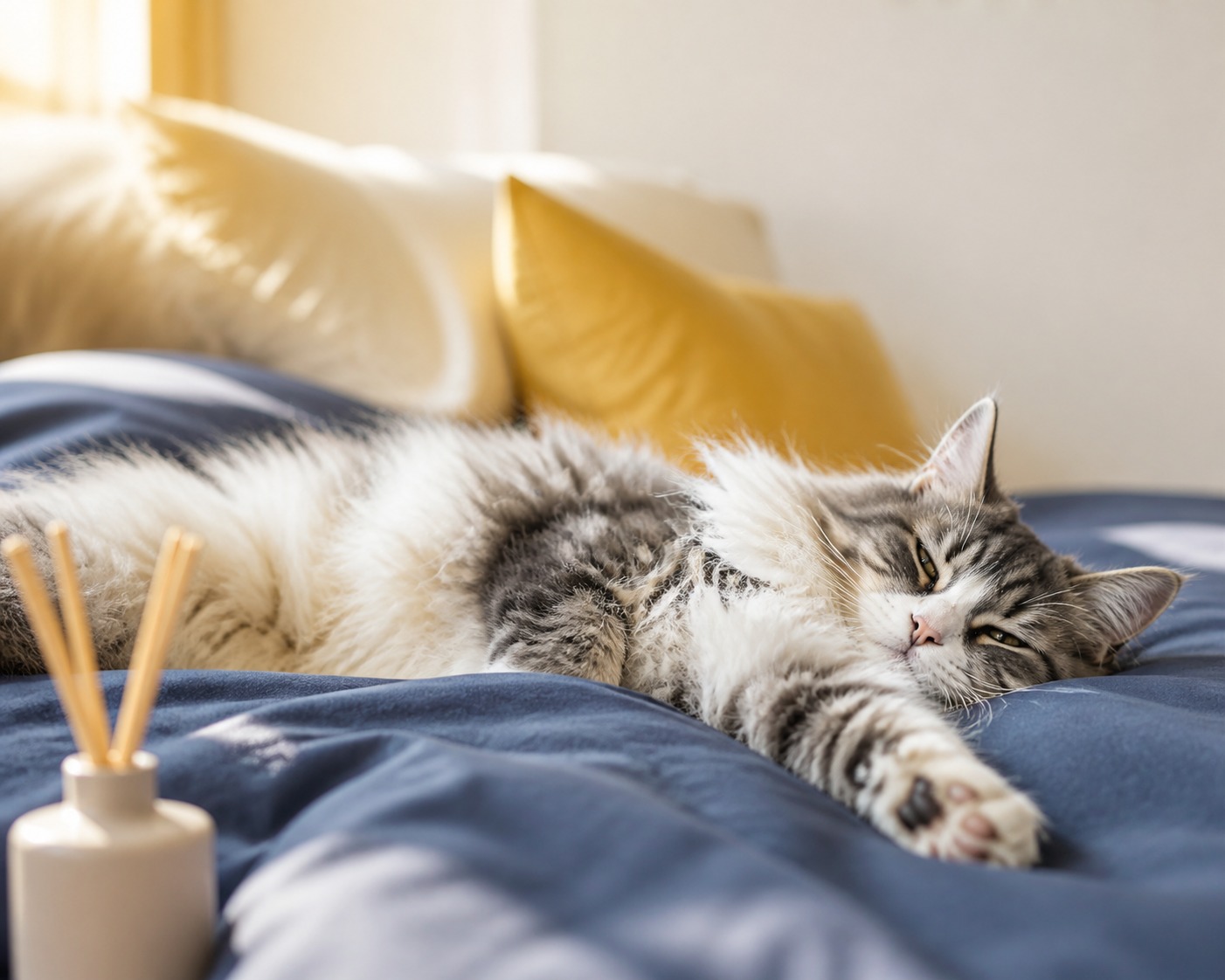
The holidays are a stress test for cats. A doorbell that rings all day, a houseful of unfamiliar voices, a suitcase by the door, and somewhere out the window a neighbor setting off New Year’s fireworks. Cats are territorial creatures of routine, and the season’s whole appeal, novelty and gathering, is exactly the thing that puts them on edge.
So people reach for “calming products,” and the shelves are happy to oblige. Pheromone plug-ins, supplement chews, collars, herbal drops, special litter. Here is the part the product pages will not tell you: these are not equally proven. Some have genuine placebo-controlled studies behind them. Some are plausible but thin on evidence. And at least one popular category has essentially nothing. The smart move is not to buy more calming products, it is to buy the ones that have actually been tested, and to spend your money in that order.
So this guide is sorted by evidence, strongest first, instead of by how cute the packaging is.
Our editors picked these products. They were in stock when we published, but availability and prices change. If you buy through our links, we may earn a commission. None of this is a substitute for veterinary advice.
Tier one: the best-studied option
Pheromone diffusers
Synthetic feline facial pheromones are the calming product with the most research behind it. The idea is biological, not mystical: cats rub their cheeks on furniture to deposit a facial pheromone that marks a space as safe and familiar, and a diffuser releases a synthetic analogue of that signal into the room. The evidence is real if modest. A review of clinical studies found that feline facial pheromone reduced select markers of acute stress, and a 2023 triple-blind, placebo-controlled trial found pheromone diffusers cut unwanted scratching in about 83 percent of cats, versus 68 percent in the placebo group, a real gap.
For a hectic season, the Feliway Optimum diffuser kit is the version to start with; it covers up to about 700 square feet and runs for roughly 30 days per refill, so you plug it in a week before the chaos begins rather than the day of. Two practical notes that matter more than the brand: pheromones work best as prevention, so start early, and a diffuser only treats the room it is in, so put it where your cat actually spends the stressful hours, not in a hallway nobody uses.
Tier two: plausible, with some evidence
Calming chews with alpha-casozepine
The supplement aisle is mostly hope, but one ingredient has actual trial data: alpha-casozepine, a milk-protein derivative sold as Zylkene and folded into several calming chews. In a 56-day placebo-controlled study, cats given alpha-casozepine showed significantly improved anxiety scores compared with placebo, and unlike sedatives it did not increase aggression or leave cats groggy. It is not a knockout drug, and it is not instant, which is the point; it nudges the baseline down over days.
A vet-formulated chew is the easy delivery method for a cat who will eat it, useful for the predictable stressors of the season, an arriving houseguest or a holiday trip. Look for one that actually lists alpha-casozepine or L-theanine (another ingredient with modest supporting data) on the label rather than a vague “natural blend.” And for a cat whose holiday anxiety tips into genuine panic, hiding for days, not eating, this is the moment to call your vet about a short-term prescription anti-anxiety medication, which is a tool, not a failure.
Pheromone collars
A pheromone collar puts the same class of signal as the diffuser right under the cat’s chin, so it travels with the animal instead of staying in one room, which makes it the better pick for car trips and carrier time. A controlled study of a pheromone-impregnated collar found it improved problem urination, scratching, and inter-cat conflict over placebo. Fit is the whole game with any collar: you should be able to slip one finger between the collar and your cat’s neck, and you should check it daily, because a collar that is too loose can trap a paw or jaw. A breakaway safety buckle is non-negotiable on an indoor cat.
Tier three: only if it solves a specific problem
Attractant litter, for litter-box backsliding
Stress is one of the most common reasons a previously tidy cat starts missing the box, so if your cat’s holiday anxiety shows up as accidents, an herbal attractant litter can help draw them back. Dr. Elsey’s Cat Attract combines a hard-clumping clay with a natural herb attractant, and there is a kitten version for training youngsters. Treat it as a targeted fix for a specific symptom, not a general calmer. And know the line: a cat who suddenly stops using the box, especially a male cat straining or crying, can be facing a urinary blockage, which is a true emergency. Litter helps with behavior, not with a medical obstruction.
What to skip: homeopathic “calming” drops
Here is the category to walk past. Homeopathic calming drops, the ones you put on the tongue or in the water bowl, are built on the principle of extreme dilution, and they have no credible evidence of working in cats beyond placebo, a placebo that benefits you, since the cat cannot be reassured by your belief in it. They are unlikely to harm your cat, but the money is better spent one tier up. If a product’s pitch leans on words like “homeopathic” or “energetic” rather than a named, studied ingredient, that is your cue to keep scrolling.
The honest summary for a loud holiday season: start a pheromone diffuser early, add a chew with a real studied ingredient if your cat will take it, use a collar for travel, reach for attractant litter only if the box becomes a problem, and skip the magic drops. Pair any of it with the unglamorous basics that do the heaviest lifting, a quiet room your cat can retreat to with food, water, a box, and a high perch, with the door shut against the party, and most cats will get through the season far calmer than the marketing wants you to believe they need to be.
References
- Frank, Diane, et al. “Systematic Review of the Use of Pheromones for Treatment of Undesirable Behavior in Cats and Dogs.” Journal of the American Veterinary Medical Association, vol. 236, no. 12, 2010. https://pubmed.ncbi.nlm.nih.gov/20550449/. Accessed June 2026.
- Conti, Lela, et al. “Efficacy of the Feliway Classic Diffuser in Reducing Undesirable Scratching in Cats: A Randomised, Triple-Blind, Placebo-Controlled Study.” 2023. https://pmc.ncbi.nlm.nih.gov/articles/PMC10584138/. Accessed June 2026.
- Beata, Claude, et al. “Effect of Alpha-Casozepine (Zylkene) on Anxiety in Cats.” Journal of Veterinary Behavior, vol. 2, no. 2, 2007. https://www.sciencedirect.com/science/article/abs/pii/S1558787807000391. Accessed June 2026.
- Cornell Feline Health Center. “Feline Lower Urinary Tract Disease.” https://www.vet.cornell.edu/departments-centers-and-institutes/cornell-feline-health-center/health-information/feline-health-topics/feline-lower-urinary-tract-disease. Accessed June 2026.
Dr. Chen is a small-animal veterinarian who leads health and safety coverage at The Pet Times. She writes and reviews the bulk of our illness, condition, and safety content, translating clinical guidance into clear, practical advice owners can act on at home.
Meet our experts ↗Keep reading
 Product Picks6 Eco Cat Swaps That Don't Feel Like a SacrificeSara Lim · 5 min
 Product PicksThe Prettiest Litter Box Cover Is Useless If Your Cat Boycotts ItSara Lim · 8 min
 Product PicksThe Litter Box Is the Cheap Part: A Vet-Backed Guide to Getting It RightDr. Lena Park · 5 min
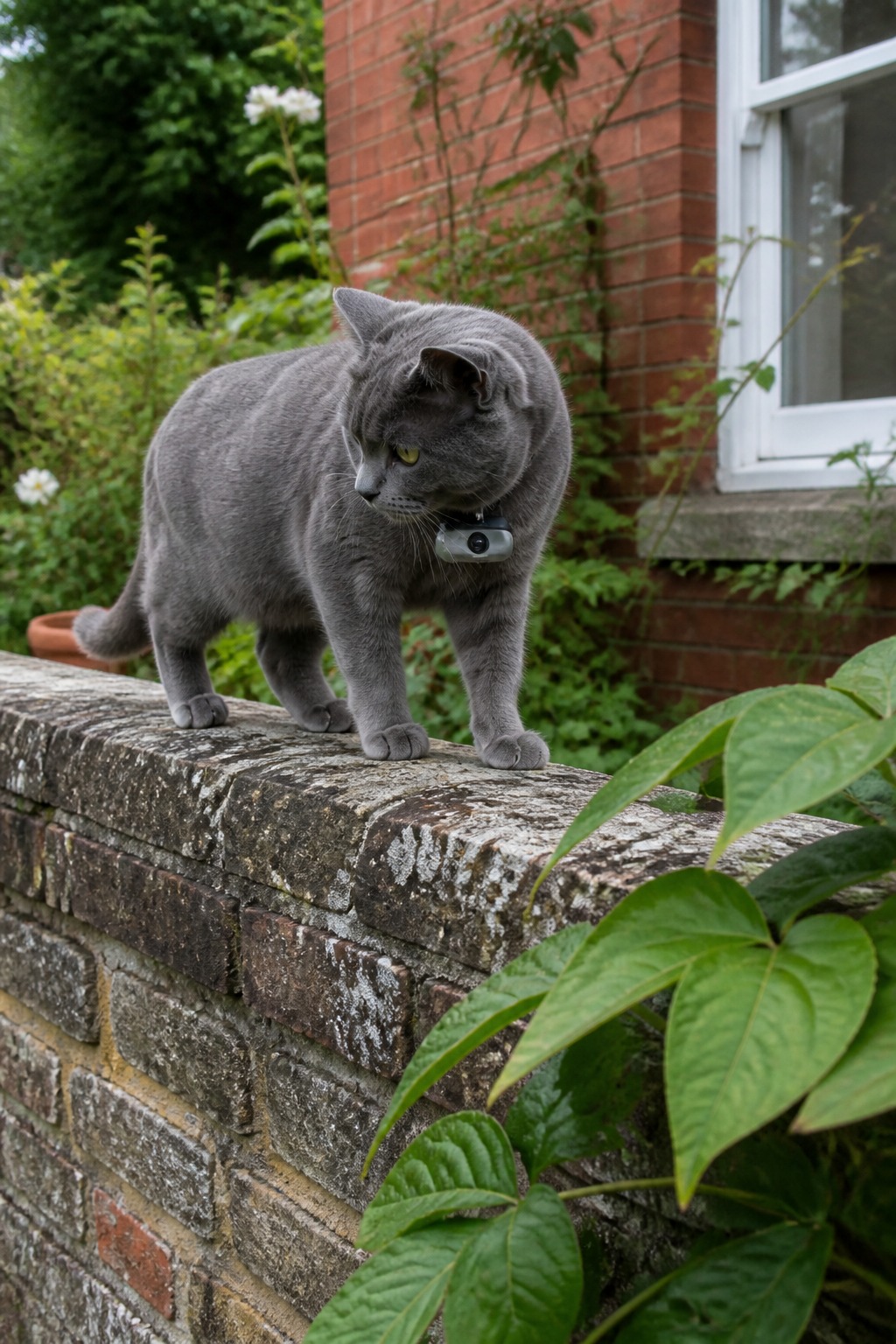 Product PicksShould You Put a Camera on Your Cat? A Weight-First Buyer's GuideJames Okafor · 7 min
 Living"Eco-Friendly" Cat Gear Is Mostly a Sticker. 6 Swaps That Aren't.Nina Vasquez · 8 min
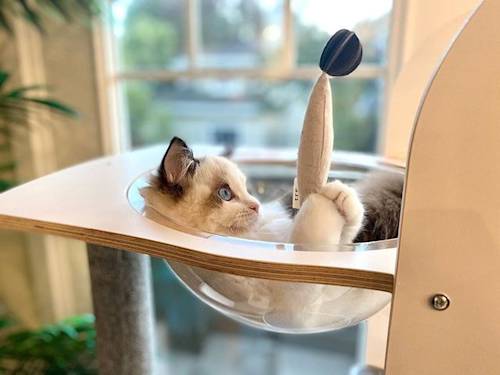 Product PicksThis Brand Tests Cat Furniture in Cat Cafés. One Week There Equals a Year in Your Home.Sasha Ford · 6 min