


The Litter Box Is the Cheap Part: A Vet-Backed Guide to Getting It Right
Most litter-box problems aren't about the box you bought, they're about size, number, and placement. Here's what the veterinary guidelines actually say, plus five boxes worth your money.

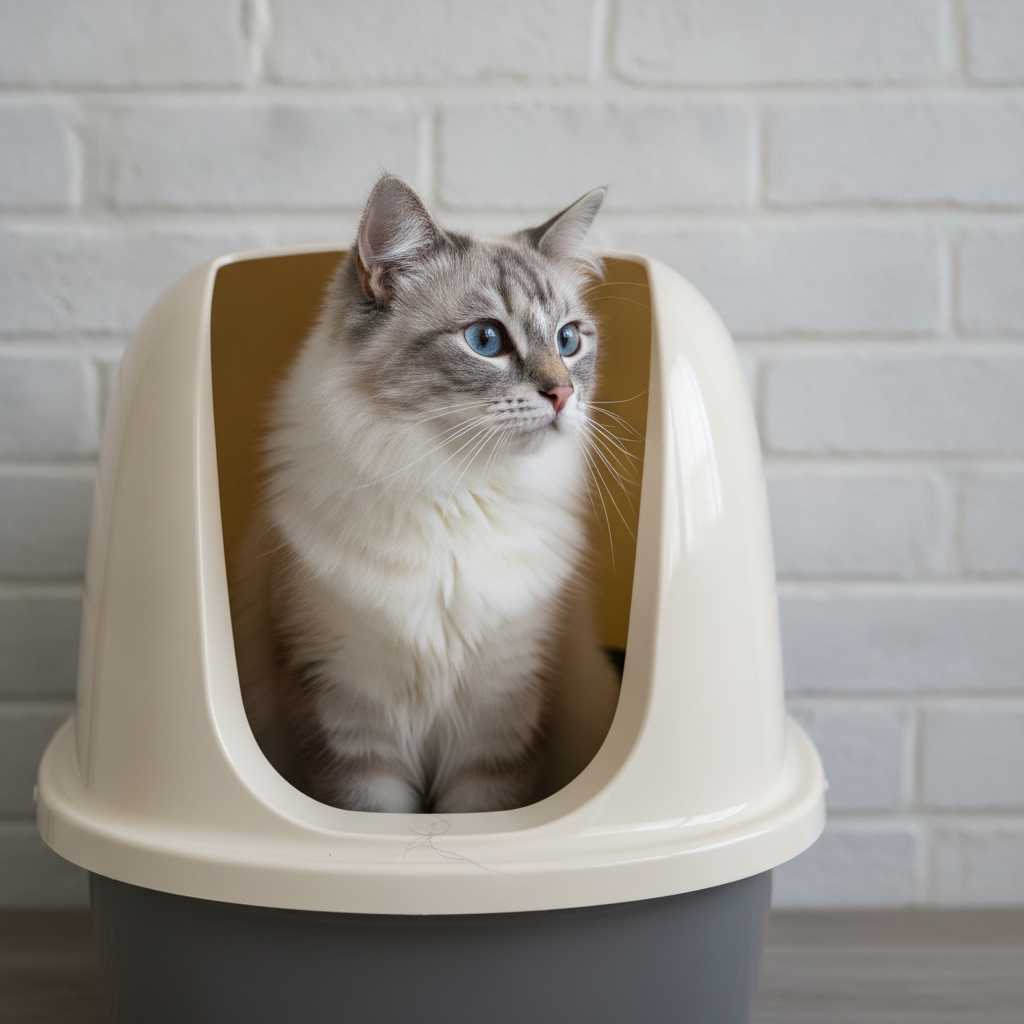
Walk into any pet store and the litter-box aisle is a wall of clever engineering: self-sifting drawers, carbon filters, app-connected robots. It is easy to believe that if your cat is missing the box, the answer is a better box. Usually, it is not. The veterinary research points somewhere much less glamorous and much cheaper to fix: most litter-box failures are about how many boxes you have, how big they are, and where you put them. Get those three right and an ordinary open box outperforms a fancy one. Get them wrong and no gadget will save you.
So before any product, the rules that actually prevent the puddle on the rug, drawn straight from the AAHA and AAFP feline guidelines that vets use.
The three rules that matter more than the box
Rule one: N+1. The single most-skipped rule in cat care is also the most important. Have one more box than you have cats. One cat, two boxes. Two cats, three boxes. The American Association of Feline Practitioners is explicit about this, because cats treat boxes as territorial resources, and competition over a single box is a leading driver of stress-related elimination outside it. There is a real health stake too: providing enough boxes is associated with lower rates of feline lower urinary tract disease, a painful, stress-linked condition. The extra box is not pampering. It is preventive medicine.
Rule two: size up. Your box should be at least one and a half times your cat’s length, measured nose to tail base. Here is the uncomfortable part: most boxes on store shelves do not meet that minimum for an average cat, let alone for the bigger cats that are increasingly common. A cramped box means a cat who cannot turn, dig, and posture comfortably, and a cat who is uncomfortable will eventually vote with their bladder. The cheapest fix in all of cat ownership is a large plastic storage tote with a doorway cut into one side. It is bigger than almost anything marketed as a litter box, and cats love it.
Rule three: spread them out. Boxes lined up side by side read to a cat as one resource, which defeats the entire point of having several. Put them in different, easily accessible locations, ideally on different floors of a multi-story home, away from noisy appliances and dead-end corners where another cat could trap them. Accessibility matters especially for kittens and senior cats with stiff joints; a high-sided box with no low entry can quietly become a no-go zone.
A board-certified perspective ties it together. As Dr. Mara Chen, a feline-focused veterinarian, frames it: “Think like a cat, not like a homeowner. We want the box hidden, lidded, and out of the way. A cat wants it open, roomy, easy to escape from, and filled with unscented, sand-like litter that feels like the ground their instincts expect. Almost every chronic litter-box problem I see traces back to a box chosen for the human’s convenience instead of the cat’s comfort.” She adds the litter note that derails many setups: skip the scented stuff and the pellets, and reach for unscented clumping clay, which mimics the natural substrate cats are wired to seek.
What your cat is trying to tell you
Three quick translations from feline to human, because the rules above all flow from them.
A dirty box is a deal-breaker. Cats are fastidious, and a box that fails their standards gets boycotted. Scoop at least once a day, every day. No box on earth fixes a cleaning-frequency problem.
Surprises are the enemy. The whir of an automatic scooper firing up mid-squat can trip a cat’s flight response, and a single bad scare can create a lasting aversion to the box. If you love the convenience of automation, introduce it slowly and watch your cat’s reaction closely.
Cramped is a hard no. Cats want room to circle, dig, and settle. A box sized for the corner of your bathroom rather than for your cat is rule two’s problem wearing a different hat.
Five boxes worth buying, once the rules are handled
With placement, number, and size sorted, the box itself is the easy part. These five cover the common needs, from minimalist to design-forward.
A manual sifting box, for no-scoop simplicity without the noise. You get the convenience of not scooping, and your cat gets a box that is dead silent and entirely hand-powered, no startling automatic movement. Pull a lever and waste sorts into a drawer for easy disposal.
A hooded box with a carbon filter, for the cat who wants privacy. Some cats genuinely prefer an enclosed, den-like space, and for them a hood is a feature, not a bug. The carbon filter manages the odor that enclosure would otherwise trap, and a built-in bag anchor keeps the liner open and your hands free. The caveat from rule three still applies: hoods are not for every cat, so let your cat’s preference decide.
A stainless-steel box, for longevity and the planet. Stainless steel turns out to be close to an ideal litter-box material: it never absorbs odor, does not scratch or rust, wipes clean, and lasts essentially forever, which keeps a bulky plastic item out of the landfill. A strong long-term buy for a single-cat or low-conflict home.
The Modkat Flip, for design and adaptability. Designed by a cat owner who happens to be a product designer, the Flip has a three-position lid, closed, half-open, or fully open, so you can dial it to your cat’s comfort level instead of guessing. It is genuinely nice to look at, which matters if the box lives somewhere visible.
A furniture-style enclosure, to hide the box in plain sight. Not a box itself but a cabinet that conceals most standard boxes inside a piece of furniture, with room to stash toys. Pick one large enough that the box inside still satisfies rule two, and you get a tidy room without shortchanging your cat.
Whichever you choose, remember the order of operations. The box is the cheap part and the last decision. The number, the size, and the placement are what actually keep your cat using it, and they cost almost nothing to get right.
References
- American Animal Hospital Association and American Association of Feline Practitioners. “2021 AAHA/AAFP Feline Life Stage Guidelines: General Litter Box Considerations.” https://www.aaha.org/resources/2021-aaha-aafp-feline-life-stage-guidelines/general-litter-box-considerations/
- American Association of Feline Practitioners. “Environmental Needs Guidelines.” https://catvets.com/guidelines/practice-guidelines/environmental-needs-guidelines
Common questions
How many litter boxes should I have?
Follow the N+1 rule from the AAHA-AAFP feline guidelines, one box per cat, plus one extra. One cat needs two boxes, two cats need three, and so on. The extra box reduces competition and the stress-related elimination problems that come with it.
How big should a litter box be?
At least one and a half times your cat's length from nose to the base of the tail. Veterinary guidelines are specific about this, and most boxes sold in stores are too small to meet it, especially for larger cats. When in doubt, size up, or repurpose a large storage tote.
Should I get a covered or automatic litter box?
Many cats dislike both. Covers trap odor inside, which can deter use, and automatic boxes can startle a cat mid-use and create a lasting aversion. If your cat already loves theirs, keep it. If you're starting fresh or troubleshooting, a large open box is the safest default.
Dr. Park is a board-certified emergency and critical care specialist. She reviews our health and safety content for clinical accuracy and contributes guides on recognising urgent conditions. Her focus is helping owners act quickly and correctly when it matters most.
Meet our experts ↗Keep reading
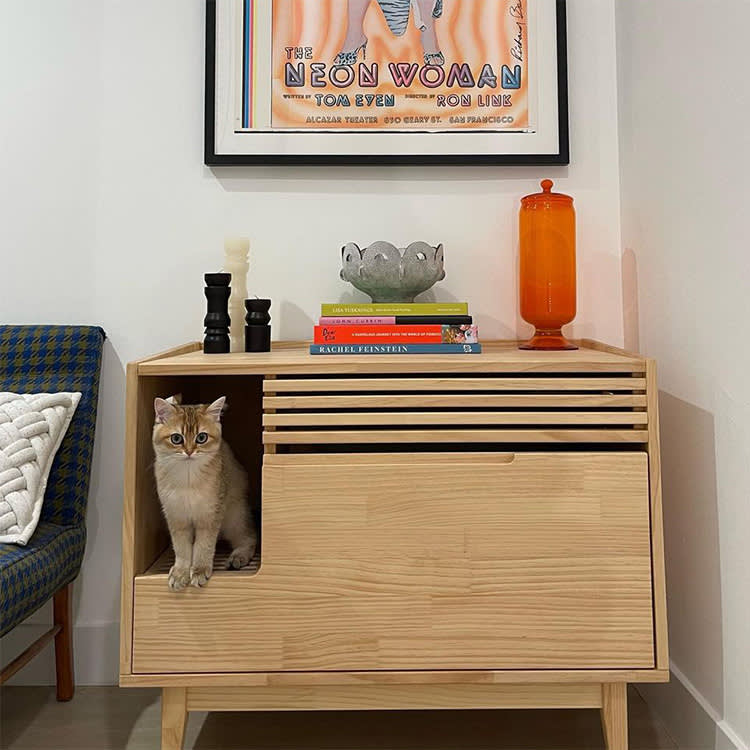 Product Picks8 Litter Box Enclosures That Hide the Box Without a Cat BoycottSara Lim · 8 min
 Product Picks6 Eco Cat Swaps That Don't Feel Like a SacrificeSara Lim · 5 min
 Product PicksHow to Choose a Cat Backpack (Plus 6 We'd Actually Carry)Leila Torres · 5 min
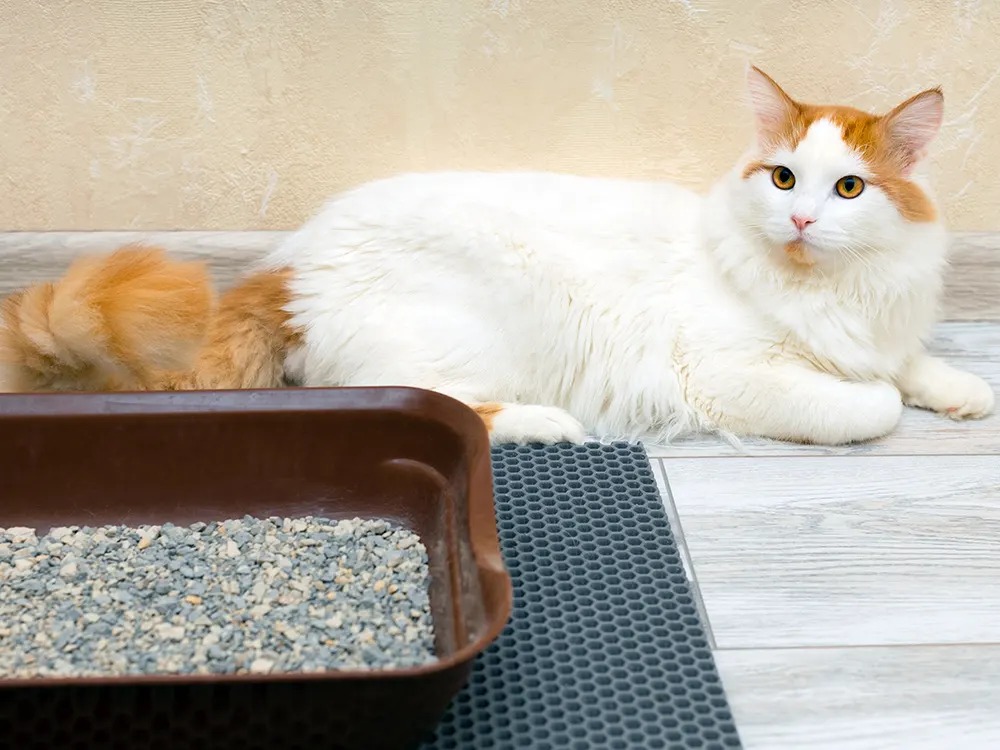 Product PicksLitter Tracking Ends at the Mat. 8 That Actually Trap the MessSara Lim · 7 min
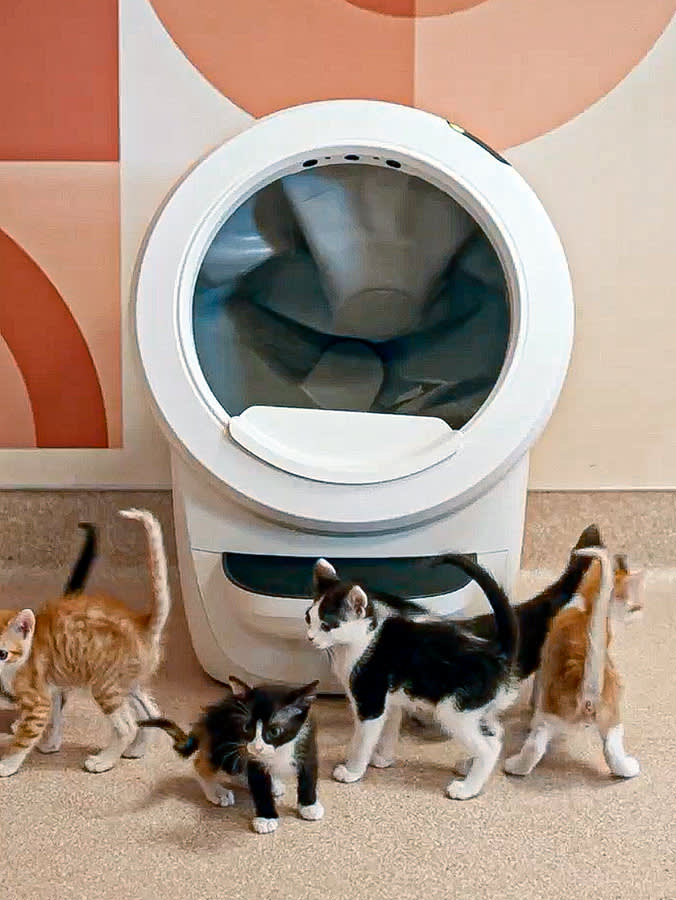 Product PicksThe 'Kitten Litter Box' Is a Trap. Buy for the Cat They'll Become.Dr. Nina Kohl · 8 min
 Product PicksShould You Put a Camera on Your Cat? A Weight-First Buyer's GuideJames Okafor · 7 min