


The 'Kitten Litter Box' Is a Trap. Buy for the Cat They'll Become.
Almost no box is actually labeled for kittens, and the tiny ones you'll be tempted by are money you'll throw out in a month. A vet-informed guide to the first box, matched to your kitten's size, not the marketing.

Affiliate disclosure. This article contains affiliate links. We may earn a small commission if you buy through a link, at no extra cost to you. How we handle recommendations.
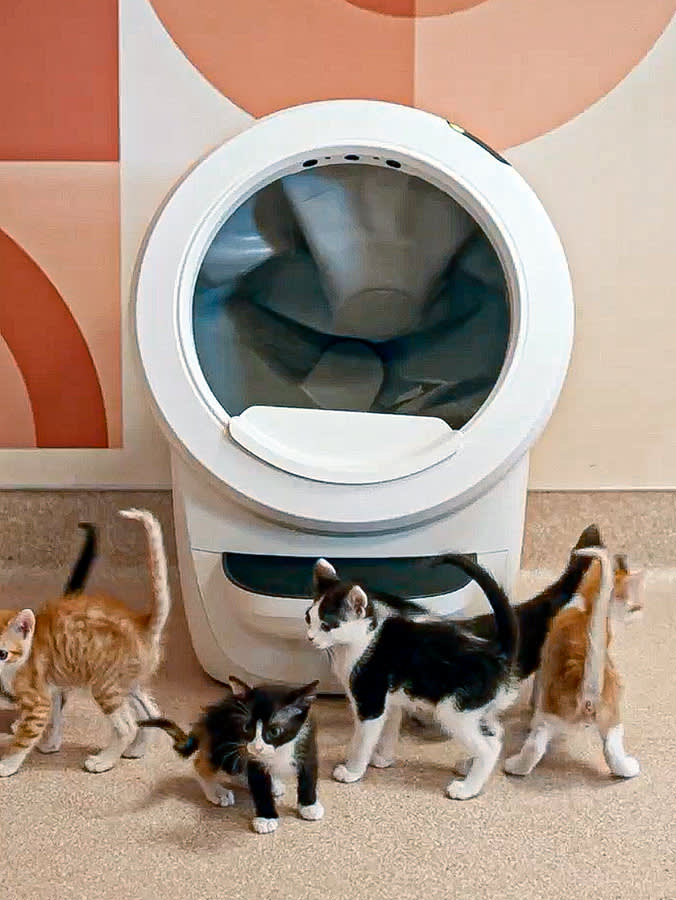
The day I brought home a foster kitten, the shelter sent us off with a cardboard tray for a litter box. It worked fine, for about a week, because she was small enough to fit in one hand. Then she grew, as kittens rudely insist on doing, and we were back to square one. That little arc contains the entire lesson of kitten litter boxes: the box you need on day one is not the box you need on day thirty, and the biggest mistake is spending real money on the day-one version.
Here is the honest framing the product pages won’t give you. The best litter box for a kitten is simply the one they will actually use, and “kitten-specific” is mostly a marketing label. What a kitten genuinely needs is an entry low enough for tiny legs to clear. Everything else is about not buying something you’ll toss when they double in size. So let’s shop by your kitten’s stage instead of by category.
Cats are private and a little paranoid about where they go, which is adaptive, in the wild, eliminating is when you’re most vulnerable, so they want to be able to see in all directions. That instinct is why a covered box or a high wall that a kitten can’t easily escape can quietly become a box they avoid. When a kitten stops using the box, don’t assume they’re being difficult. Assume the box is the problem, and make entry and visibility easier.
Stage one: the tiny kitten (a few weeks old)
At this age, walls are the enemy. Your kitten needs to step in and out with almost no climbing.
- A low-entry senior-and-kitten box. Boxes built for stiff, arthritic seniors who can no longer climb double as perfect first boxes, because the design problem is identical: get in and out without climbing. The Frisco Senior and Kitten Cat Litter Box has low walls and a dropped entry point, wipes clean with soap and water, and is light enough to move. It’s a house-brand box, so it lives at Chewy rather than Amazon. Frisco Senior and Kitten Litter Box at Chewy.
- A cheap, no-frills open tray. Honestly, a plain shallow open box (or, yes, a cardboard lid) is fine for the first week or two. Keep it disposable-cheap because you will be replacing it. This is also the right pick for a foster situation or a litter of kittens without a mom.
Stage two: the growing kitten
Once your kitten can clear a taller lip, move to a standard open-top box, sized up so they can grow into it rather than out of it.
- A large open-top box. Open-top is a genuinely good default for most cats, not just kittens, because it never traps odor and lets a nervous cat keep watch. Go bigger than feels necessary. A cat should be able to turn around fully with room to spare, and a box that’s roomy now saves you a second purchase later.
Stage three: the box you keep
This is where you invest, because these are the boxes your cat will use for years.
- A top-entry box for tracking control. The Modkat is a top-entry cube with a swing lid your cat pops in and out of, designed to cut down litter tracking. Even small kittens often handle top-entry fine, and it looks less like a litter box than anything else you’ll own. Modkat top-entry box on Amazon.
- A self-cleaning box, once they’re big enough. If scooping is your least favorite chore, the Litter-Robot 4 is the splurge that pays off. It’s quieter than older models, the waste drawer and bag are easy to manage, and an app lets you monitor usage, which is genuinely useful for catching health changes early. The one rule: it takes up real space, and for a very small kitten you keep it in manual mode until they reliably trip the safety sensor. Litter-Robot 4 on Amazon.
The rules that matter more than the box
- One box per cat, plus one. Even for a single kitten, more boxes means fewer accidents, especially across multiple floors.
- Don’t over-invest in “kitten size.” It’s the one purchase almost guaranteed to be obsolete in weeks.
- Watch for avoidance. A kitten skipping the box is telling you something: walls too high, hood too enclosing, box too dirty, or location too exposed. Fix the setup before you assume it’s behavioral, and if it persists, rule out a medical cause with your vet, since urinary issues in cats are common and sometimes urgent.
- Multi-cat reality. If you already have cats, don’t stress about a kitten-only box. Cats share whatever’s available whenever they feel like it. Just make sure at least one box is easy for the smallest resident to enter.
Get the entry height right, buy for the cat they’re becoming, and the litter box becomes the least dramatic part of raising a kitten, which is exactly what you want it to be.
References
- American Association of Feline Practitioners. “Environmental Needs Guidelines.” catvets.com
- Cornell Feline Health Center. “Feline Behavior Problems: House Soiling.” vet.cornell.edu
Common questions
Do kittens need a special litter box?
Not really. Kittens need a box with a low entry they can climb into easily, but almost no boxes are sold specifically for kittens. The best choice is a box with low sides for now that your kitten won't outgrow too fast, or a low-entry senior-and-kitten style box.
Can a kitten use an automatic litter box?
Only with caution. Most self-cleaning boxes have a weight sensor that pauses the cycle for small cats, but very small kittens can fall below that threshold. Keep an automatic box powered off between uses for a tiny kitten and run the clean cycle manually until they're big enough to trip the sensor reliably.
How many litter boxes should I have for one kitten?
The standard rule is one box per cat plus one extra, and it applies to kittens too. For a single kitten in a multi-level home, put a box on each floor so they're never far from one while they're still learning.
Dr. Kohl is a board-certified veterinary dentist with a particular interest in preventive oral care. She reviews all dental health content at The Pet Times and contributes practical guides on home dental routines, professional cleaning, and oral disease prevention.
Meet our experts ↗Keep reading
 Health & WellnessA Blind, Paralyzed Cat Isn't a Tragedy. It's a Setup Problem.Dr. Nina Kohl · 7 min
 Living"Eco-Friendly" Cat Gear Is Mostly a Sticker. 6 Swaps That Aren't.Nina Vasquez · 8 min
 LivingFostering a Kitten? Its Age in Weeks Decides Everything.Dr. Priya Nair · 9 min
 TrainingYour Kitten Isn't Kissing You. It's Filing You Under 'Family.'Dr. Amara Solis · 7 min
 First DaysOne Kitten Is Harder Than Two. Here's Why.Dr. Mara Chen · 6 min
 TrainingKitten Biting Has a Closing Window. This Is What You Do in It.Dr. Amara Solis · 6 min