


Can Dogs Eat Black Pepper? Why It's Safe to Skip the Shaker
A stray sprinkle of black pepper won't hurt your dog, but it offers zero benefits and can irritate their nose and stomach. Here's what a vet wants you to know.

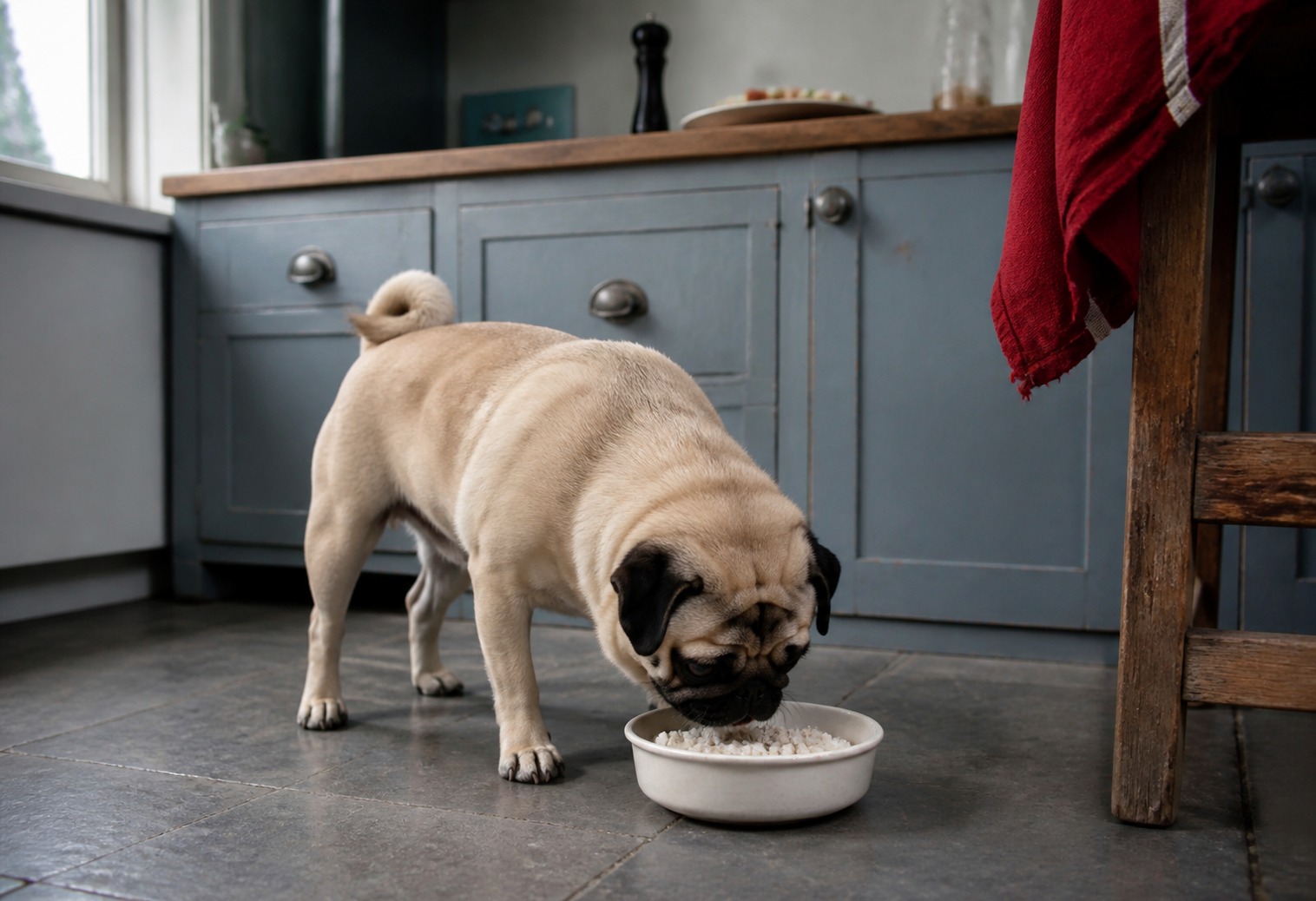
We’re a nation of sharers when it comes to our dogs, and that instinct doesn’t stop at the dinner table. Plenty of pet parents look at a bowl of plain kibble and think, surely a little something would make this more exciting. For us, that “little something” is often a few cracks of the pepper grinder. But the rules that govern your plate don’t automatically apply to your dog’s bowl, and black pepper is a good example of why.
The short version: a stray sprinkle won’t send your pup to the emergency vet, but there’s genuinely no reason to reach for the shaker on their behalf.
What black pepper actually is
Black pepper comes from the dried berries of the Piper nigrum plant and has earned its place as a kitchen staple in American cooking, right alongside salt. The heat and sharpness people love comes from a compound called piperine. For humans, piperine adds welcome flavor (though it irritates some people’s stomachs). For dogs, that same compound can be a real irritant to the digestive tract, and what reads as “mild” to your palate can feel overwhelming to a dog’s far more sensitive nose and gut.
It helps to remember where dogs come from. Their ancestors thrived on relatively plain, prey-based diets, and even after thousands of years of domestication, modern dogs still carry much of that wiring.
Seasonings don’t do anything for a dog nutritionally — they’re for our enjoyment, not theirs. A dog experiences a meal mostly through smell and texture, so a spice that feels subtle to us can be genuinely unpleasant for them, with nothing to show for it.
So can dogs eat black pepper?
Dogs can tolerate very small amounts of black pepper without harm. Larger amounts are where trouble starts: too much can trigger coughing, sneezing, and an upset stomach. Crucially, pepper offers your dog zero nutritional value, so even when it’s tolerated, it’s doing nothing good.
There’s an important distinction between an accidental dusting and deliberately seasoning your dog’s food. Accidents happen constantly, especially in homes with young kids who aren’t shy about sharing. In fact, table scraps are the single most common way dogs end up eating pepper at all. The reassuring news is that those tiny, incidental amounts are unlikely to cause any real problem.
The bigger concern is everything that tends to travel with the pepper. Seasoned human food usually comes loaded with salt (not great for dogs) and frequently includes oils, garlic, or onions, which are outright toxic. The safest rule of thumb is also the simplest: plainer is better for dogs.
The health math: all risk, no reward
When you tally up black pepper’s effects on dogs, the ledger is almost entirely on the negative side.
- No benefits. There are no documented health perks to feeding dogs black pepper.
- Thin research. Piperine has been studied extensively in humans, but there’s very little research on its effects in dogs.
- Real downsides. Many pet parents have seen firsthand that pepper can make a dog drool, vomit, or develop diarrhea, because it irritates the stomach lining.
- Sensitive stomachs suffer most. Dogs already prone to GI issues can have stronger reactions.
The lesson here is one that applies far beyond pepper: just because something is “natural” or shows up in human supplements doesn’t mean it benefits a dog. Your pup simply doesn’t need spices for their health.
What to do if your dog gets into pepper
If your dog laps up something peppery or you spot a sprinkle on their food, here’s the playbook:
- Watch for symptoms like licking, coughing, sneezing, vomiting, or diarrhea.
- Offer fresh water and a little patience. Mild digestive upset often resolves on its own.
- Call your vet if symptoms linger or if a large amount was eaten.
- Seek prompt care if salt or other spices were part of the mix — those raise the stakes.
As always, prevention beats treatment. Keeping the pepper out of reach is easier (and cheaper) than managing the aftermath.
Better ways to make mealtime exciting
Here’s the good news: dogs care far more about aroma and texture than they do about spice, so you have plenty of dog-friendly tricks for livening up the bowl. A small splash of unsalted bone broth over plain cooked vegetables or pumpkin can feel like a genuine treat. Warming food gently to release its smell works wonders for picky eaters, and rotating textures keeps things interesting. A proper dog food topper is another reliable way to add appeal without adding risk. Before introducing any herbs, run them by your vet first.
The bottom line
Black pepper turns up in countless human foods, but your dog has no need for it. An accidental, small sprinkle won’t hurt them. Routinely seasoning their food, or handing over heavily seasoned table scraps, is where digestive problems begin. Spices, salt, and pepper belong on your plate, not in your dog’s bowl. Stick to foods made for dogs and keep things simple — your pup’s GI tract will thank you, both today and over the long haul.
What’s new since this was written
The science on which kitchen ingredients genuinely endanger dogs keeps sharpening, and the headline development isn’t about pepper — it’s about xylitol, the sugar substitute that increasingly hides in “skinny” sweets, baked goods, and nut butters. In 2024, the ASPCA Animal Poison Control Center fielded more than 10,000 calls about dogs ingesting xylitol, a reminder that the riskiest pantry items are often the ones we’d never think to flag. In early 2025, a federal lawmaker even introduced a bill that would require xylitol-containing foods to carry a warning about their danger to dogs.
The takeaway reinforces the case for plain food: the real hazards in seasoned and processed human meals usually aren’t the pepper itself but the company it keeps.
References
- Cortinovis, Cristina, and Francesca Caloni. “Household Food Items Toxic to Dogs and Cats.” Frontiers in Veterinary Science, vol. 3, no. 26, 22 Mar. 2016. https://doi.org/10.3389/fvets.2016.00026.
- Cortinovis, Cristina, and Francesca Caloni. “Epidemiology of Intoxication of Domestic Animals by Plants in Europe.” The Veterinary Journal, vol. 197, no. 2, Aug. 2013, pp. 163–168. https://doi.org/10.1016/j.tvjl.2013.03.007.
- U.S. Food and Drug Administration. “Paws Off Xylitol; It’s Dangerous for Dogs.” https://www.fda.gov/consumers/consumer-updates/paws-xylitol-its-dangerous-dogs.
- ASPCA. “People Foods to Avoid Feeding Your Pets.” https://www.aspca.org/pet-care/aspca-poison-control/people-foods-avoid-feeding-your-pets.
Common questions
Is black pepper toxic to dogs?
Black pepper isn't classified as toxic, but it's never completely risk-free. The compound piperine that gives pepper its bite can irritate a dog's digestive tract, and seasoned table scraps often come with salt, garlic, or onions that are genuinely harmful.
What should I do if my dog eats black pepper?
Watch for licking, coughing, sneezing, vomiting, or diarrhea, offer fresh water, and give mild upset time to settle. Call your vet if symptoms persist, if a large amount was eaten, or if salt or other spices were involved.
Not a substitute for your vet. Our guidance is educational. For urgent symptoms, contact a vet or emergency clinic right away. Editorial standards
Dr. Mehta is a board-certified veterinary nutritionist who evaluates pet food formulations, ingredient quality, and the science behind dietary trends. He writes and reviews all nutrition content at The Pet Times, including our food rankings and feeding guides.
Meet our experts ↗Keep reading
 FoodNot All Bell Peppers Are Equal: Why Red Beats Green in Your Dog's BowlDr. Lena Park · 6 min
 FoodThe People Foods That Actually Do Something for Your DogDr. Amara Solis · 7 min
 Food7 Foods the Internet Swears Are Bad for Dogs. They Aren't.Dr. Amara Solis · 6 min
 Food"Lactose Intolerant" Is the Wrong Question About Your Dog and DairyDr. Ravi Mehta · 7 min
 FoodPork and Dogs: The Meat Is Fine, the Way We Cook It Isn'tDr. Mara Chen · 5 min
 FoodBroccoli for Dogs: Great Snack, Until You Hit the 10% LineDr. Lena Park · 5 min