


Dog Trackers, Decoded: Match the Technology to Where You Live (10 Picks)
A tracker that can't reach a satellite or a phone is jewelry. Here's how the three tracking technologies actually find your dog, which one fits where you live, and 10 collars and tags worth buying.

Affiliate disclosure. This article contains affiliate links. We may earn a small commission if you buy through a link, at no extra cost to you. How we handle recommendations.
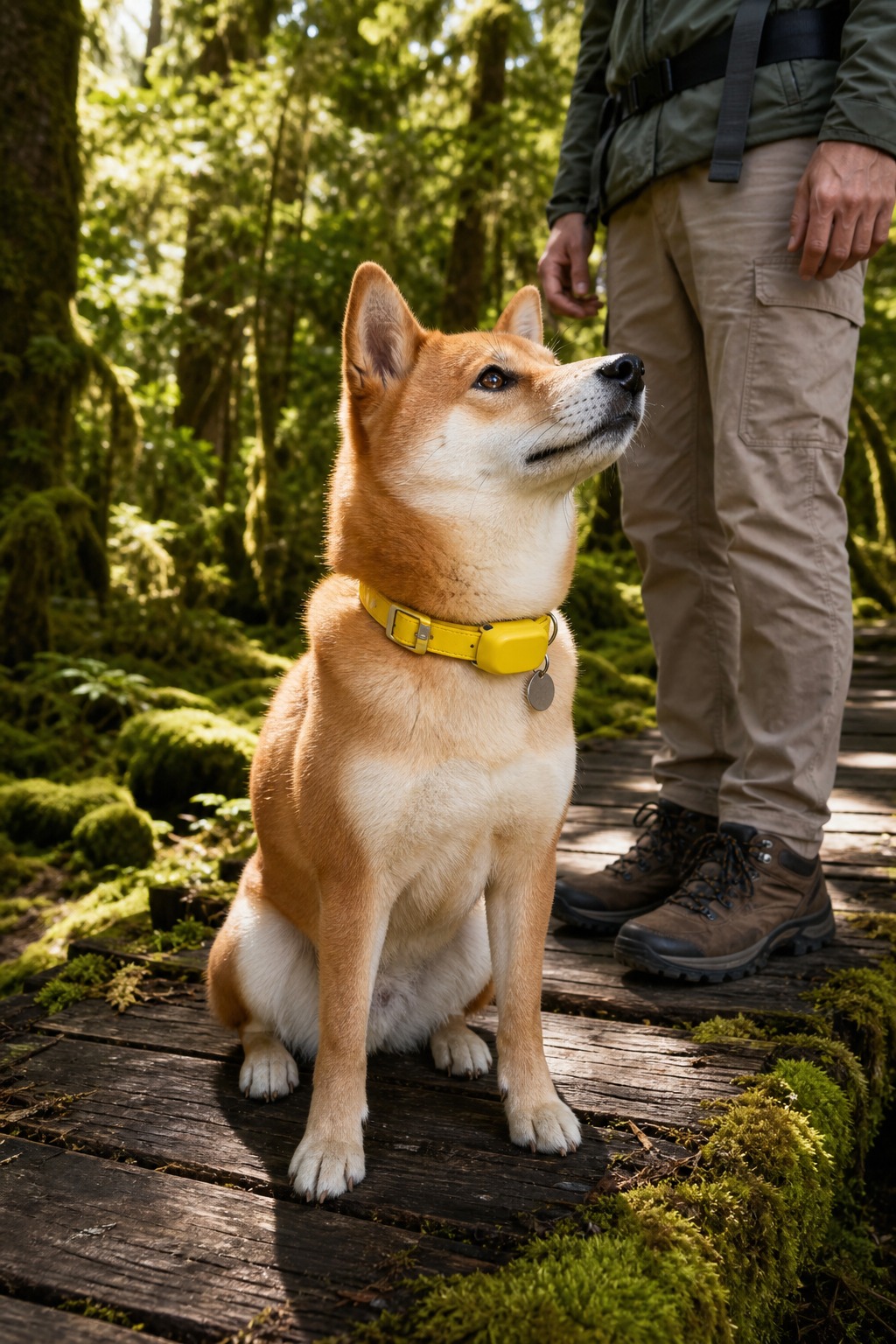
Before you compare battery life or step counters, answer one question: how will this device actually find your dog? Because the three technologies on the market find a dog in completely different ways, and two of them fail badly in the exact places dogs most often get lost.
That is the through-line of this guide. A tracker is only as good as its ability to reach you from wherever your dog ends up. Pick the wrong technology for where you live and you have bought a charm for the collar. So we are going to sort the field by how each device locates a dog, match that to your geography and your dog’s escape style, and then name the best pick in each lane.
The three technologies, and where each one breaks
Bluetooth / Find My (AirTags and the like). These have no GPS at all. The tag pings nearby smartphones and borrows their location to tell you roughly where it is. On a busy sidewalk that works well. In a forest, field, or sleepy rural road with no other devices around, the tag simply reports its last known location, which is wherever it was when it last touched a phone. Apple states outright that AirTags are not designed to track pets. Translation: great urban safety net, useless off-grid.
Cellular GPS (Fi, Whistle, Tractive, Pawfit, Halo, Link). These use GPS satellites to fix the position, then a cellular data connection to send that position to your app. The catch is the cellular half. In a dead zone the collar knows exactly where your dog is and has no way to tell you. This is the technology most of this list uses, and it is the right choice for the majority of owners, as long as you have coverage where your dog roams.
Radio frequency and dedicated fence systems (SpotOn and handheld RF trackers). These talk straight from the collar to a handheld unit or create a self-contained virtual fence, with no dependence on a cell network or a crowd of phones. They are the answer for true backcountry and rural land, and they tend to cost more up front while skipping the subscription.
Now match it to you. Urban or suburban dog who occasionally slips out? A cellular GPS collar or even an AirTag holder is plenty. Rural dog, big property, or a hunting or scent breed who runs the horizon? You need cellular coverage you trust or you skip cellular entirely for radio or a fence system. Hiker who goes where bars disappear? Do not rely on a cellular collar alone.
The mistake I see is buying on features instead of physics. An owner shows me an app full of sleep graphs and step counts, and then their dog gets loose in a canyon with no signal and the whole thing is dead weight. Decide how the device reaches you first. Everything else is a tiebreaker.
A note on philosophy before the picks: several of these collars include shock or static features. We include every collar here purely for its tracking ability and do not endorse using static stimulation to train a dog.
Cellular GPS picks
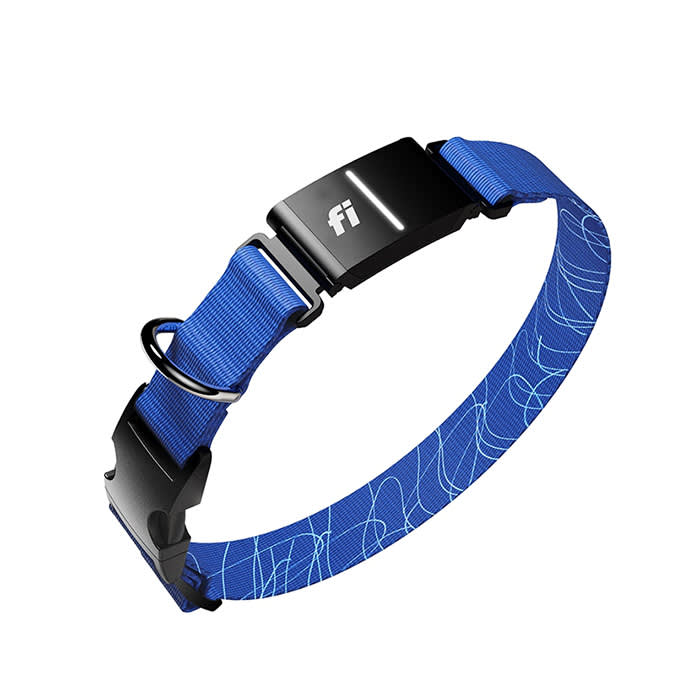
Fi Series 3+ Smart Dog Tracker Collar
The Fi Series 3+ is the all-rounder most people should start with. It updates location every five minutes by default, which sounds slow until you realize it is the reason the battery lasts a couple of weeks instead of a day, so your dog stays findable even if you skip a nightly charge. It drops to every-minute updates in lost-dog mode. The lightweight, waterproof, all-in-one collar comes in five sizes, and the app handles safe zones, step counts, rest monitoring, search parties, and vet records. Downsides: it is expensive, comes in four colors, and needs a subscription (first 12 months free).
One long-term owner has stayed with Fi across three generations of the device, crediting weeks-long battery life, painless tracking the handful of times a dog actually went missing, and a base station portable enough to build a new safe zone at a vacation rental.
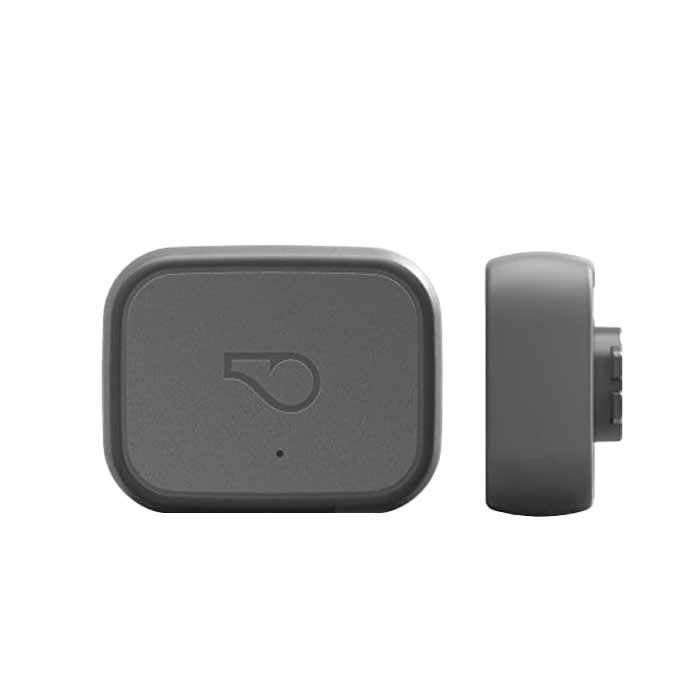
Whistle Go Explore GPS Tracker
The Whistle Go Explore refreshes every 15 seconds and pairs a long 20-day battery with deep activity tracking (meals, scratching, licking) and a built-in flashlight for night searches. The tradeoffs: it is pricey, leans on Wi-Fi plus a subscription, comes in three colors, is only water-resistant rather than waterproof, and the attachment can feel bulky on a small dog.
A two-dog household that burned through three other locators — dead batteries, water damage — reported the Whistle as the one that stuck, singling out the depth of the dog profile, the health reports, and the steady alerts.
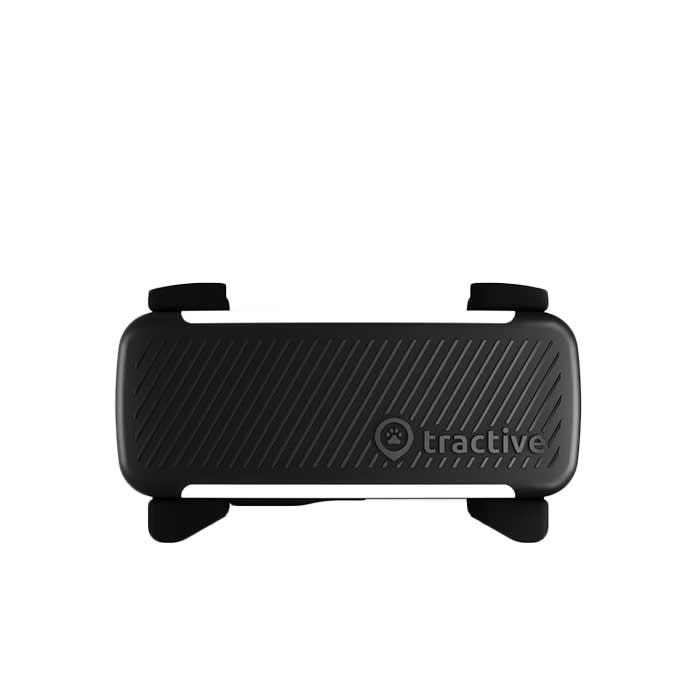
Tractive Smart Dog GPS Tracker
Fi’s closest rival, the Tractive clips onto any collar and pairs unlimited tracking range with a 14-day battery and an unusually deep app: location, activity, steps, sleep, heart rate, respiratory rate, barking, and licking, refreshed every two to three seconds. It is waterproof and more affordable than most, though it still requires a subscription.
One rancher with a scent-obsessed Harrier — the kind of dog whose ears switch off the moment his nose switches on — went through a drawer of failed collars before this one: fast satellite lock, two weeks per charge, boundary alerts to both owners’ phones. The subscription stings, the reviewer conceded, but less than replacing hardware that never worked.
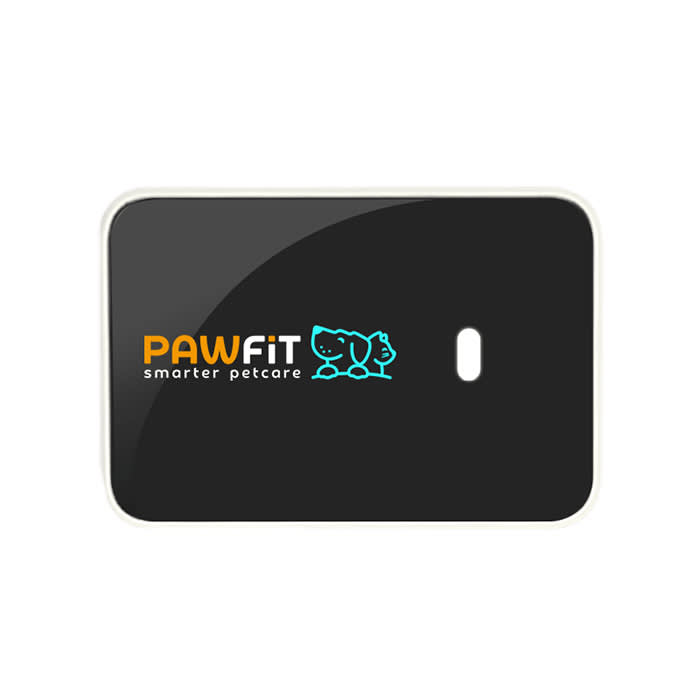
Pawfit 3 GPS Dog Tracker
The Pawfit 3 undercuts its rivals on price while packing a week-long battery, five-second updates, and a genuinely useful voice-recall feature that lets you send a spoken cue from afar. It tracks active and rest hours, calories, and distance, and it is waterproof with flexible subscription tiers.
“Living on a farm, my Great Pyrenees patrols constantly and is often out of sight, so I needed real tracking. This has exceeded expectations: the GPS is the standout, it holds up to rain, mud, and brambles, and I can go several days between charges. A game-changer.” —verified buyer
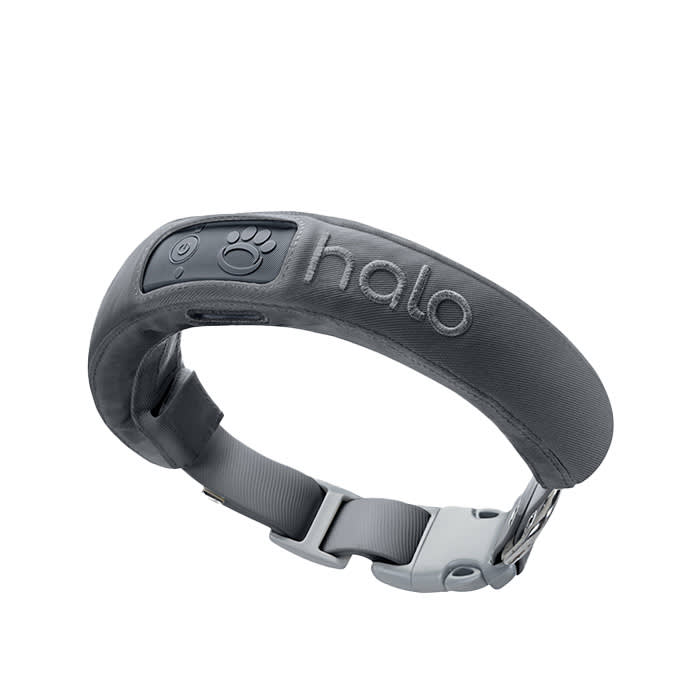
Halo Collar 3
To retire your dog’s regular collar entirely, the Halo Collar 3 is a waterproof all-in-one that updates GPS every single second, the tightest refresh here, and layers on a customizable virtual fence with sound and vibration feedback. It is bulkier, must be charged daily, and comes in two sizes.
“Bought this after our in-ground fence kept failing. It gives live tracking, shows exactly where the dog crosses the boundary, and we can turn the fence off and build a new one anywhere we travel. The GPS works surprisingly well even in our small rural town.” —verified buyer
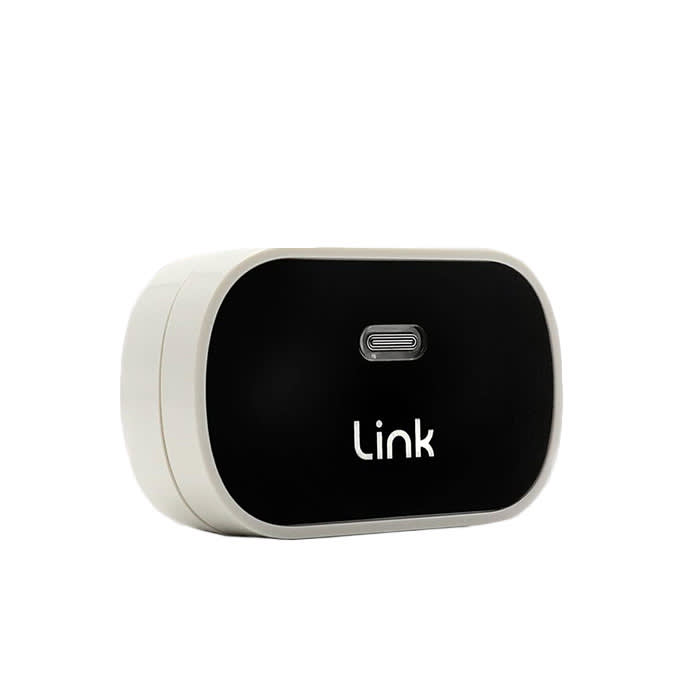
Link GPS Dog Tracker + Activity Monitor
The Link GPS Tracker leans into activity and training: location, steps, miles, calories, active minutes, vet records, a built-in flashlight, and tone and vibration cues. Battery lasts up to 14 days, it is waterproof, needs no Wi-Fi, and the first 12 months of subscription are free. GPS updates every five minutes (every minute in lost-dog mode).
Best for rural land, no subscription: SpotOn GPS Wireless Dog Fence Collar
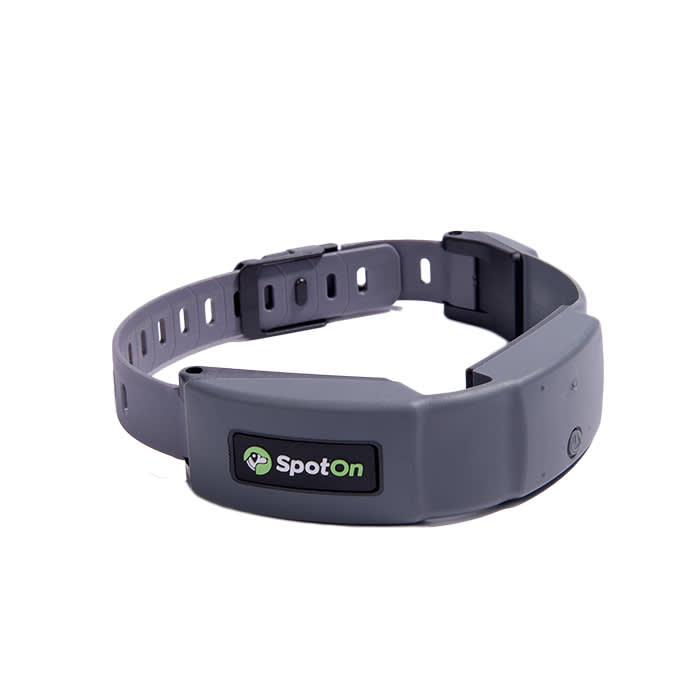
If you own acreage and refuse a monthly fee, the SpotOn is the splurge that pays off. No subscription, a self-contained virtual fence, excellent accuracy, a waterproof build, and even free one-on-one training with purchase. The real limit is battery: up to about 40 hours, so plan to charge every day or two. It comes in three sizes.
Rating: 4.1/5
After a lost-puppy scare and a string of bargain GPS collars that didn’t hold up, one owner of a wanderer unimpressed by 20 acres went top-shelf and, months later, reported no regrets — sharper GPS accuracy than anything previously tried, near-instant alerts, and a log of every boundary crossing with distance and time attached.
AirTag picks (populated areas only)
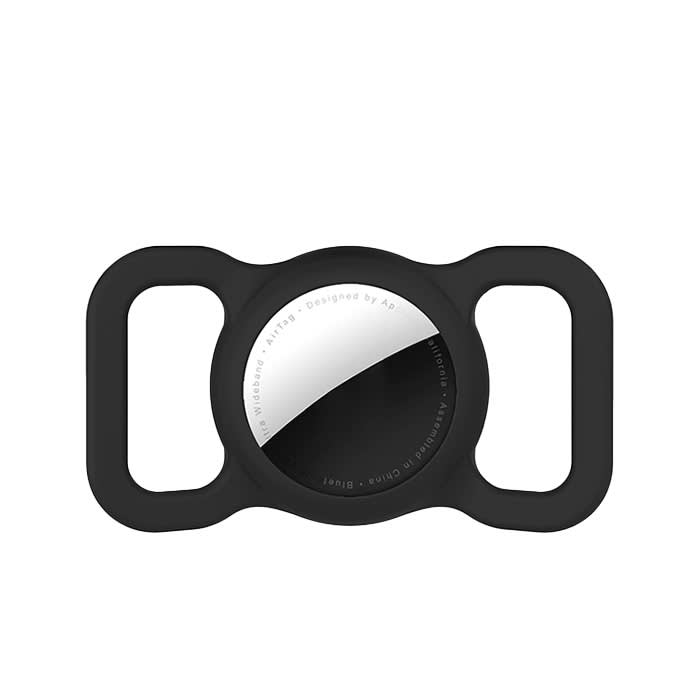
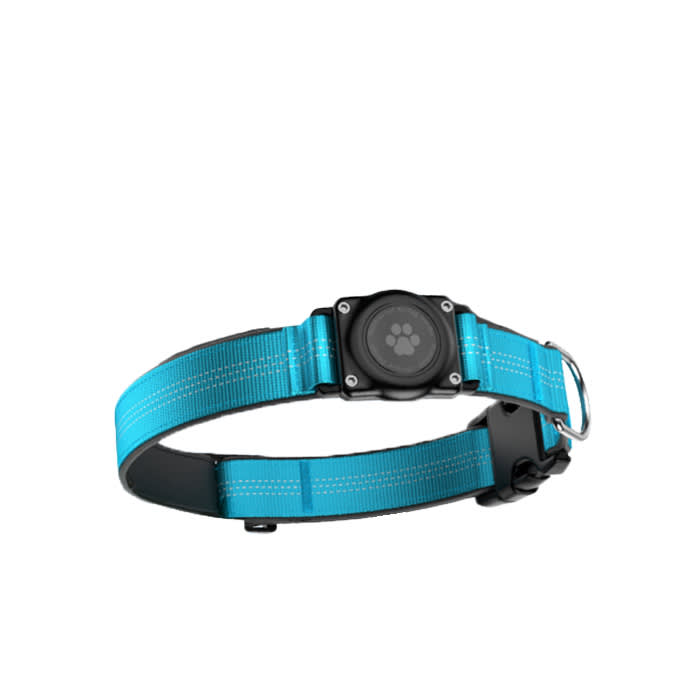
DLENP AirTag Dog Collar Holder
If you already live in AirTag world and your dog roams a busy neighborhood, this slip-on silicone holder keeps the tag snug against the collar instead of dangling. Lightweight, waterproof, fits all collars, six colors, and works on cats too. Remember the network limit: this is for dense areas, and it does not include an AirTag.
“Soft but strong silicone that holds the AirTag securely. It fits both my dog’s and cat’s collars without sliding, adds no bulk, and they don’t notice it. Reliable and comfortable.” —verified buyer
Furrigo Waterproof AirTag Dog Collar
For a single piece of gear, the Furrigo Waterproof AirTag Collar replaces the everyday collar and houses an AirTag securely. It is reflective, comes in five sizes and 15 colors, and shines for low-light walks. Best for populated areas; AirTag not included.
One buyer reported the tag staying planted through full-speed zoomies, praised the build quality of the soft collar, and flagged the reflective strip as the sleeper feature for after-dark walks.
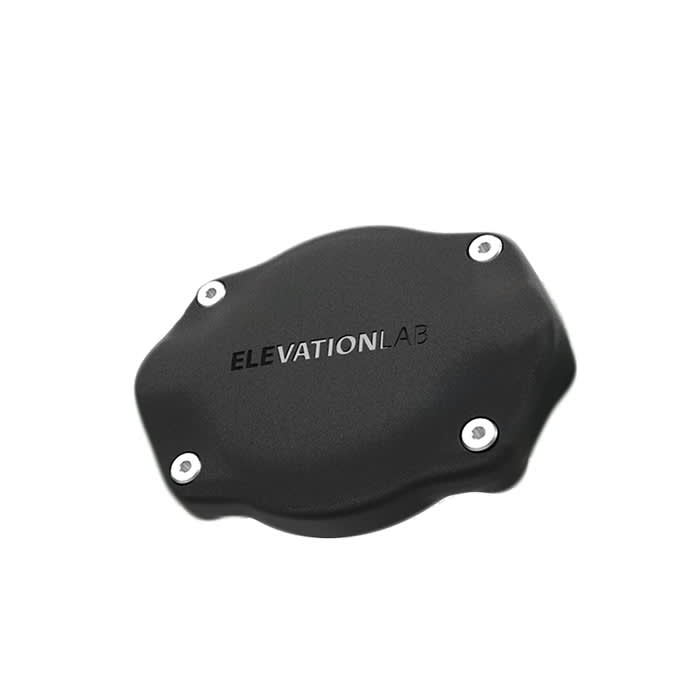
Elevation Lab Waterproof TagVault
The sturdiest AirTag mount here, the TagVault screws firmly shut so a determined dog can’t pop the tag out. It is a bit bulky, so reserve it for medium and large dogs. Affordable, lightweight, waterproof, fits all collars; AirTag not included.
A dangling holder lasted one round with one reviewer’s dog; this screw-in mount survived, stayed put, and went unnoticed by the dog.
The takeaway
Buy the technology that reaches you where your dog gets lost. Crowded city, AirTag holder or cellular GPS. Suburb or town with solid coverage, any of the cellular GPS collars (start with the Fi). Rural land or backcountry with patchy or no signal, lean on coverage you trust or skip cellular entirely for a SpotOn-style fence or a radio tracker. Battery life and waterproofing decide the ties. The step counter is a bonus, never the reason.
References
- Apple. “Using AirTag and Find My accessories safely.” apple.com.
- Aorkuler. “Do Dog GPS Trackers Work Without Cell Service?” aorkuler.com.
- American Kennel Club. “GPS Dog Trackers: How They Work and What to Look For.” akc.org.
Common questions
Do AirTags work for tracking a dog?
Only in crowded places, and Apple itself says AirTags are not designed to track pets. An AirTag has no GPS. It pings nearby Apple devices and relays its location through them, so it works on a city sidewalk full of iPhones and goes silent the moment your dog runs into a field, forest, or quiet rural road where no Apple devices are around. For a suburban or urban escape artist, an AirTag holder is a cheap safety net. For a dog who bolts into the backcountry, it is the wrong tool.
Will a GPS tracking collar work where there's no cell signal?
Most won't, and this is the single most important thing to check. The popular app-based collars (Fi, Whistle, Tractive, and similar) use GPS to find the position but cellular data to send it to your phone. In a dead zone, the collar knows where your dog is and cannot tell you. If you live or hike somewhere with patchy coverage, you need either a collar with strong rural carrier coverage or a radio-frequency tracker that talks straight to a handheld unit without any cell network at all.
What's the safest dog tracking collar?
One that is waterproof, durable, holds a charge long enough to outlast a search, and uses a location technology that actually works where your dog gets lost. Long battery life matters more than people think: a tracker that dies overnight can leave you blind right when you need it. We include these collars purely for GPS tracking and do not endorse using any shock or static feature to train a dog.
Are tracking-collar subscriptions worth it?
For app-based GPS collars, the subscription is usually what powers the live tracking, so without it you get a fraction of the device. Budget for it as part of the cost. If a recurring fee is a dealbreaker, look at subscription-free options: an AirTag holder (you supply the roughly $30 tag) for populated areas, or a one-time-cost radio or fence collar for rural ones.
How much does a dog tracking collar cost?
AirTag holders are cheapest, often $10 to $20 plus the tag and no subscription. App-based GPS collars run $55 to $200 plus a monthly fee. Subscription-free GPS fence systems can run several hundred dollars up front. If you live rural and your dog bolts, that up-front cost is cheap next to a lost dog.
Marcus Webb writes about the gear, gadgets, and everyday choices that make life with a pet easier. His coverage runs from product picks to training and the causes worth paying attention to, always with an eye on what actually earns a place in your home.
Meet our experts ↗Keep reading
 LivingA Dog Invented the Booty Call. Now Science Is Building the Dog PhoneJames Okafor · 4 min
 Product PicksThe Ball Launcher That Started With a Kid Dodging HomeworkMarcus Webb · 5 min
 TrainingAn AI Box Can Drill Your Dog. It Can't Do the Part That Matters.Marcus Webb · 6 min
 Living'Pet-Safe' Is a Marketing Word. Read the Label Instead.Dr. Nina Kohl · 7 min
 Product Picks'Pet-Safe' Bug Spray Isn't Pet Spray. Read That Before You Buy.Sara Lim · 7 min
 LivingWhat a Month of Spoiling My Rescue Pit Bull Costs on $75KNina Vasquez · 9 min