


The 'Best Family Dog Breed' Is a Myth. Here's What Actually Predicts a Great One
Thinking about adding a pup to your gloriously chaotic household? Here are the breeds known for patience, playfulness, and rolling with the family circus.

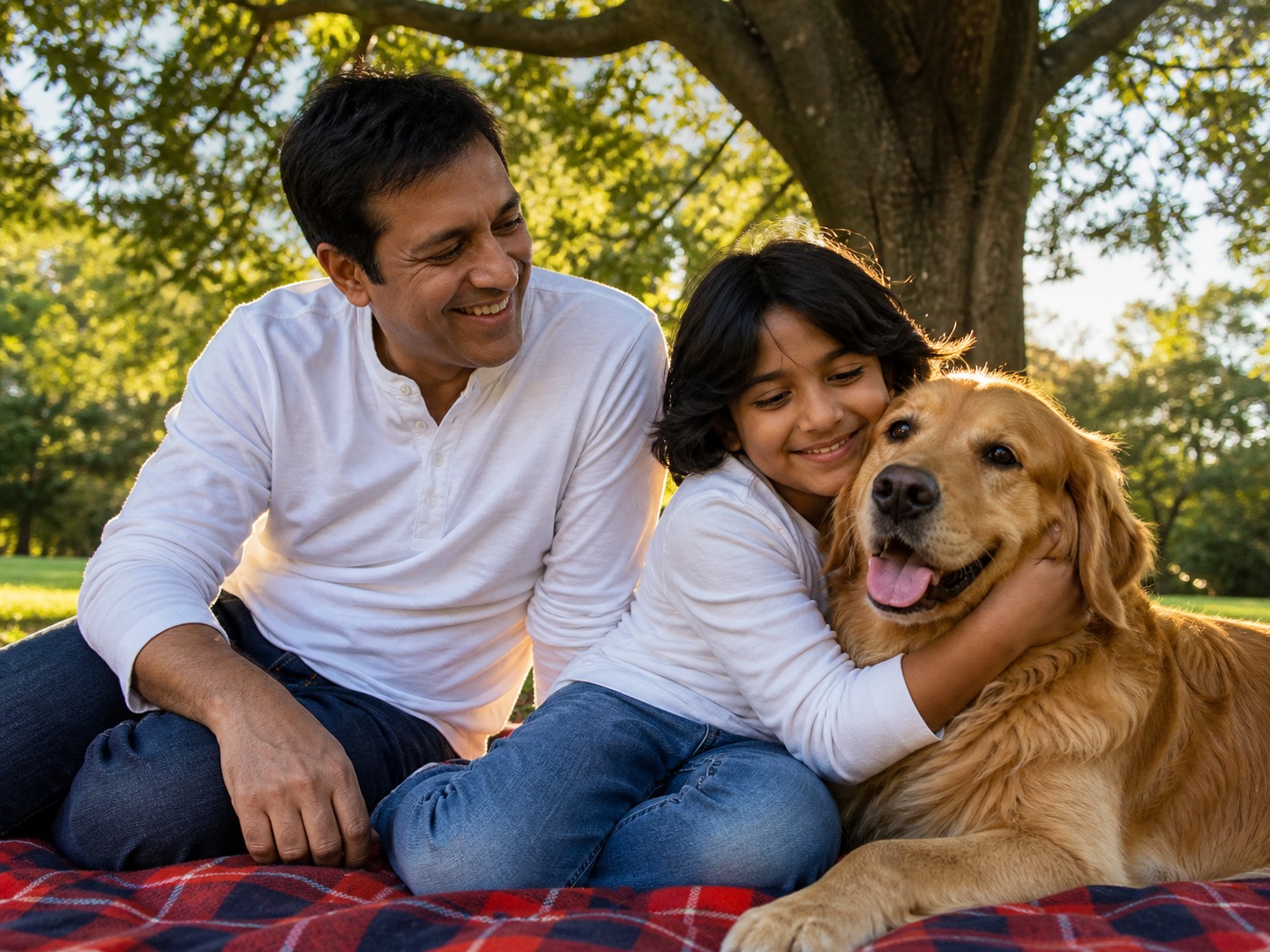
Here is the uncomfortable truth most “best family dog” lists bury: breed is the least reliable predictor of whether a particular dog will be great with your kids. A landmark 2022 study published in Science, drawing on more than 18,000 dogs, found that breed explains only about nine percent of the variation in a dog’s behavior. The other ninety-one percent is the individual animal, their early socialization, and how you raise them. There are anxious Golden Retrievers and angelic Pit Bulls, and a shelter mutt of no particular pedigree can be the steadiest family dog you ever meet.
So read the breed list below the right way. It is not a guarantee, it is a shortlist of breeds that tend to bring the traits family life rewards, a place to start narrowing. The real decision comes after, when you meet an actual dog and watch how that individual handles noise, handling, and chaos. Pick the temperament in front of you over the label on the page, consider mixes and rescues first (purebreds land in shelters constantly), and you will do better than anyone who shopped by breed name alone.
The two traits that actually matter, before breed
Strip away the breed marketing and almost every great family dog shares two things: a high tolerance for unpredictability and an energy level that matches the household. A dog who startles at a dropped toy or a shrieking toddler will be miserable in a busy home regardless of breed, and a high-drive working dog with no outlet will channel that energy into the furniture. Screen for those two first. Everything below is in service of finding them.
What to Look For in a Family Dog
A patient, friendly temperament. This is one of the most important traits to consider. A great family dog handles the whirlwind of emotions and energy that come with little humans, does not flinch at a high-pitched toy alarm, and happily joins a living-room game of fetch even while dodging the occasional rogue Lego. They are the furry equivalent of comfy sweatpants: adaptable, endlessly patient, and game for whatever adventure (or Netflix marathon) the day brings.
Intelligence and trainability. Smart, eager-to-please dogs learn the house rules quickly and master basic commands fast, which means more time enjoying family walks and less time wrestling a leash. A clever pup also adapts to a shifting family dynamic, whether that is a new baby or a houseful of rowdy relatives.
The right activity level. Match a dog’s energy to your family’s. An active Golden Retriever will love hikes and bike rides, while a playful Beagle may be content with backyard fetch. A tired pup is a well-behaved pup, so choose wisely.
Child-safety considerations. You do not need a dog built like a tank, but one resembling a porcelain doll likely will not withstand the bumps, tumbles, and enthusiastic cuddles of young kids. Look for breeds known for gentleness and low aggression. Even so, small children are unpredictable, so supervise closely. The golden rule: never leave even the gentlest dog unattended with a small child.
Top Picks for Family Dogs
Pit Bull-type dogs. Pit Bull is not a single breed but a type, known for muscular builds and blocky heads, and these dogs are wonderful with kids. Despite harmful, media-driven stereotypes, they are gentle, kind, and patient, and they have long been family dogs. They are also in need of rescuing at shelters across the country.
Golden Retriever. Sunshine personified, bounding through the park with your little ones in tow. Their superpower is endless patience and goofball energy, and they are sturdy enough to handle passionate cuddles. Guaranteed smiles, and maybe a little slobber, for everyone.
Labrador Retriever. Living proof that happiness comes with a wagging tail and a bottomless appetite for belly rubs. Labs are built tough enough for the playful chaos of family life, goofy, smart, and eager to please, which makes training a breeze.
Cavalier King Charles Spaniel. For a companion with an air of royalty, these little charmers offer endless cuddles without the boundless energy of a larger breed. Gentle and patient, they are a great fit for families with older children.
Beagle. Bloodhound nose, cuddle-puddle enthusiast. These happy-go-lucky pups bring joyful energy and the odd enthusiastic howl. They are content with a good backyard sniffari, though their independent streak may call for extra patience during training.
Bichon Frisé. Living teddy bears that bring a touch of elegance to family life, content with some playtime and a couch snuggle. Their hypoallergenic coat suits allergy sufferers, though it needs regular grooming.
Havanese. A cuddle champion with a heart of gold and one of the best small breeds for families. Don’t be fooled by their size, they are playful and energetic enough to keep up with the kids, and their coat is hypoallergenic.
English Setter. Equal parts elegance and goofball, these graceful athletes are all about the zoomies, making them perfect for active families. Their gentle nature makes training easy, but they are on the larger side, so be mindful around small children.
Collie. The ultimate family dog, known for intelligence, loyalty, and a protective nature, practically a personal nanny. Eager to please and quick to learn.
Poodle. Do not let the fancy haircuts fool you. Poodles come in three sizes (standard, miniature, and toy) so you can pick the right one for your crew, and their hypoallergenic coat is great for allergy-prone households, though it needs regular grooming.
Evaluate Your Family’s Needs
Before diving headfirst into adorable puppy pictures, consider your own household. A fluffy Saint Bernard may look cuddly, but is your living room ready for a fur avalanche every shedding season? This is not about picking the cutest dog, it is about finding the companion who complements your lifestyle. Are you weekend warriors or couch potatoes? Apartment dwellers may want a lower-exercise pup. Factor in allergies, grooming demands, and any special needs in the family. Take the time to weigh your priorities, and you will find a pack member who brings joy, laughter, and just the right amount of slobbery kisses for years to come.
What’s popular right now
Curious which family-friendly breeds other households are actually choosing? The latest American Kennel Club rankings give a good snapshot. The French Bulldog holds the number one spot for the fourth year running, a small, easygoing dog that fits apartment life well. The Labrador Retriever, long a family classic, sits right behind at number two, and the Golden Retriever stays near the top too.
One mover worth noting: the Dachshund climbed into the top five, nudging the Poodle out. None of this means a popular breed is automatically right for your family, popularity and good fit are different things, but it’s a useful reality check on what’s working in homes like yours.
References
- Morrill, K., et al. “Ancestry-Inclusive Dog Genomics Challenges Popular Breed Stereotypes.” Science, vol. 376, no. 6592, 2022. https://www.science.org/doi/10.1126/science.abk0639
- American Kennel Club. “The Most Popular Dog Breeds of 2025.” https://www.akc.org/expert-advice/dog-breeds/most-popular-dog-breeds-2025/
- American Veterinary Medical Association. “Dog Bite Prevention: Children and Dogs.” https://www.avma.org/resources-tools/pet-owners/dog-bite-prevention
- ASPCA. “Position Statement on Pit Bulls.” https://www.aspca.org/about-us/aspca-policy-and-position-statements/position-statement-pit-bulls
Common questions
What are the best non-shedding family dogs?
Several family-friendly breeds shed minimally, including Poodles (standard, miniature, and toy), Bichon Frisé, Havanese, and even the playful Beagle, though their short fur may still need regular brushing. Even hypoallergenic breeds often require regular grooming.
What are the best small dog breeds for families?
Size doesn't always dictate temperament, but Cavalier King Charles Spaniels, Bichon Frisés, and Havanese offer playful personalities and gentle natures ideal for children. Even smaller breeds have exercise needs, so consider your family's activity level.
What are the best medium-sized family dogs?
Golden Retrievers and Labrador Retrievers are classic choices for their playful spirit, patience, and trainability. For very active families, an English Setter's boundless energy is a great match, while Collies are practically nannies-in-training and Beagles bring happy-go-lucky charm at a manageable size.
What is the most well-behaved dog breed?
Temperament varies within breeds, and training plays a huge role. That said, Golden Retrievers, Labrador Retrievers, and Poodles are known for eagerness to please and intelligence, while Cavalier King Charles Spaniels are gentle and affectionate. Any breed or mix can be a great family dog with the right training and love.
Claire Sutton writes about life with pets, from the first days home to the small daily routines that make a household work. Her reporting spans people-and-pet relationships, training basics, and the practical side of bringing a new animal into the family.
Meet our experts ↗Keep reading
 LivingHe Took a Puppy Out of an Abuser's Hands. A Cop Watched and Shrugged.Nina Vasquez · 6 min
 LivingNobody Designed Your Mutt. That's Their Superpower.Nina Vasquez · 7 min
 LivingThe ADA Has No Breed List. Your Landlord's Insurance Does.Dr. Priya Nair · 6 min
 LivingA 'Soul Dog' Isn't Magic. It's Fluency, and You Can Build It.Jordan Ellis · 8 min
 LivingPenny Survived Abuse, Lost a Leg, and Still Won the Dog LotteryNina Vasquez · 3 min
 LivingA Dog With No Nostrils Became Philadelphia's Most Famous RescueLeila Torres · 6 min