
Behind the Brand is a series about the imaginative people reshaping the pet-product world.
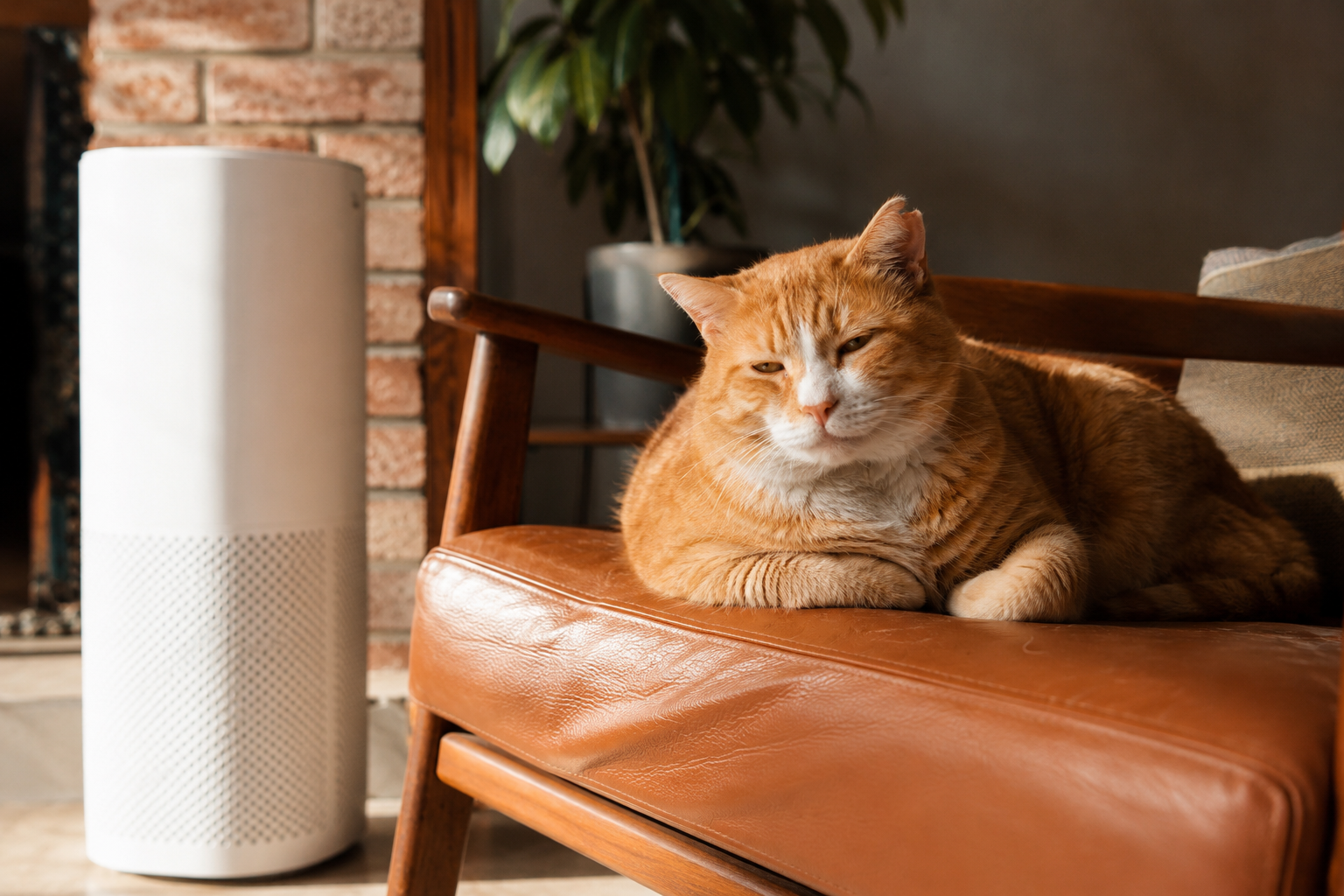
Walk into most pet stores and a quiet hierarchy reveals itself. Dogs get the front, the aisles, the wall of options. Cats get a back corner and, often, a shelf of things that were clearly designed for small dogs and relabeled for cats. That observation, that the cat aisle is essentially a dog store with a smaller font, is the founding insight behind Cat Person, the brand of food and furniture that co-founders Lambert Wang and Jimmy Wu launched in 2020 and that landed in the pages of Vogue barely a year later. What follows is less a product tour than a look at the specific frustrations they decided to engineer their way out of.
The realization: cat people were settling
Wang’s path to Cat Person ran through Harry’s, the men’s-grooming brand, where he worked on strategy and business development. But the idea came from his living room. A longtime cat foster, he kept noticing the same thing every time he shopped for his cats.
“When I walked into a pet store, it almost felt like walking into a dog store,” Wang says. “The cat section was tucked away in the back, the selection wasn’t great, and a lot of what was there wasn’t really designed for cats at all. You’d end up buying products meant for small dogs.” Their own market research confirmed it wasn’t just him: most cat parents reported buying goods designed for small dogs because nothing better existed. Wang took the idea to Jeff Raider, co-founder and co-CEO of Harry’s, who immediately backed it.
Wu came from the food world, most recently leading brand marketing and creative at the meal startup Freshly. “I knew firsthand how badly cat owners had been ignored by the industry,” he says, “and I also knew, from the food side, how central nutrition is to a cat’s health. The chance to fix both at once was the draw.” The shared premise was simple and a little indignant: cats deserve products built for cats, and cat people deserve products that don’t look like an afterthought in their homes.
The details the industry skipped
What makes Cat Person interesting isn’t the mission statement, plenty of brands claim to “put cats first.” It’s the granular, almost finicky design choices that mission produced, the things the rest of the aisle never bothered with.
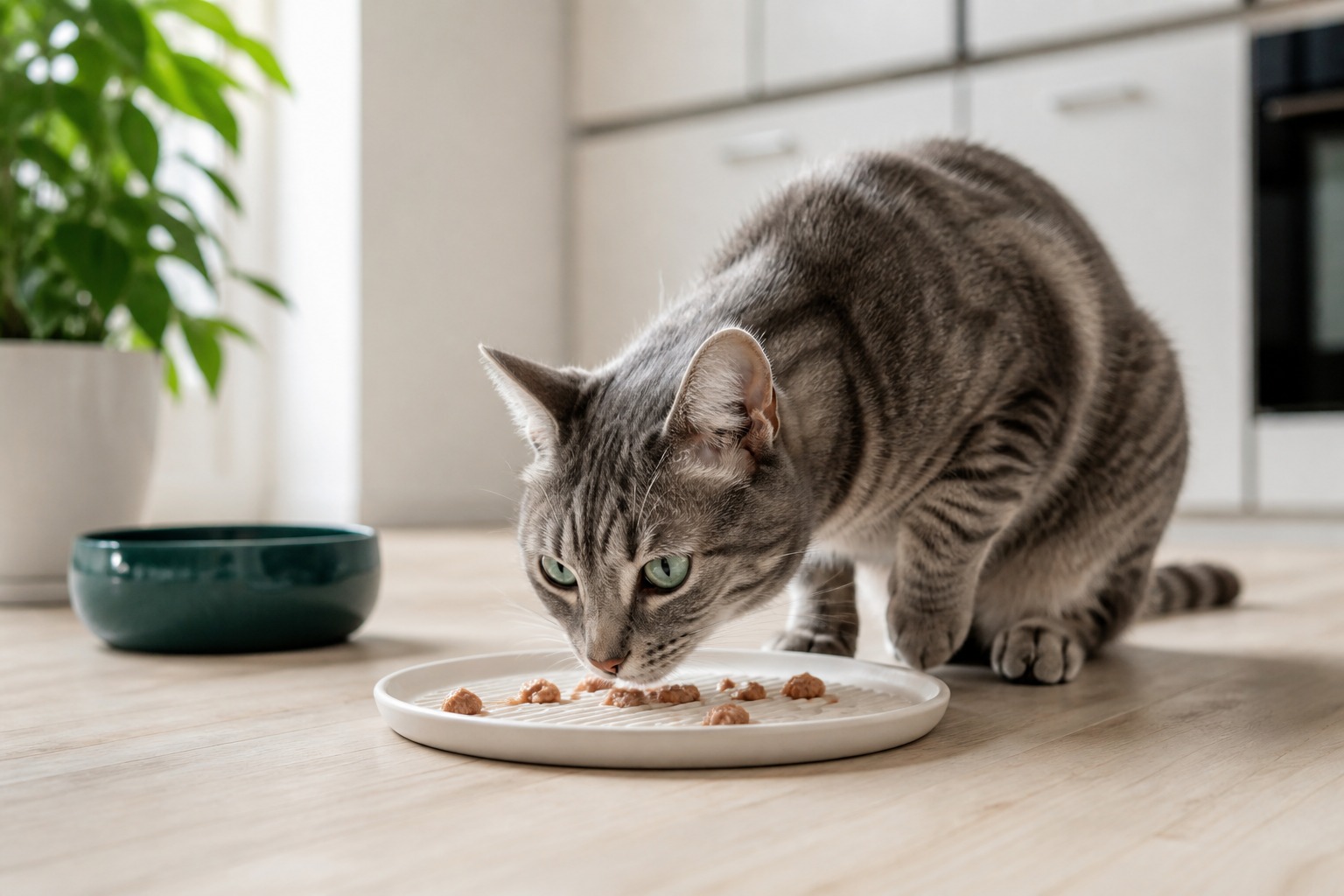
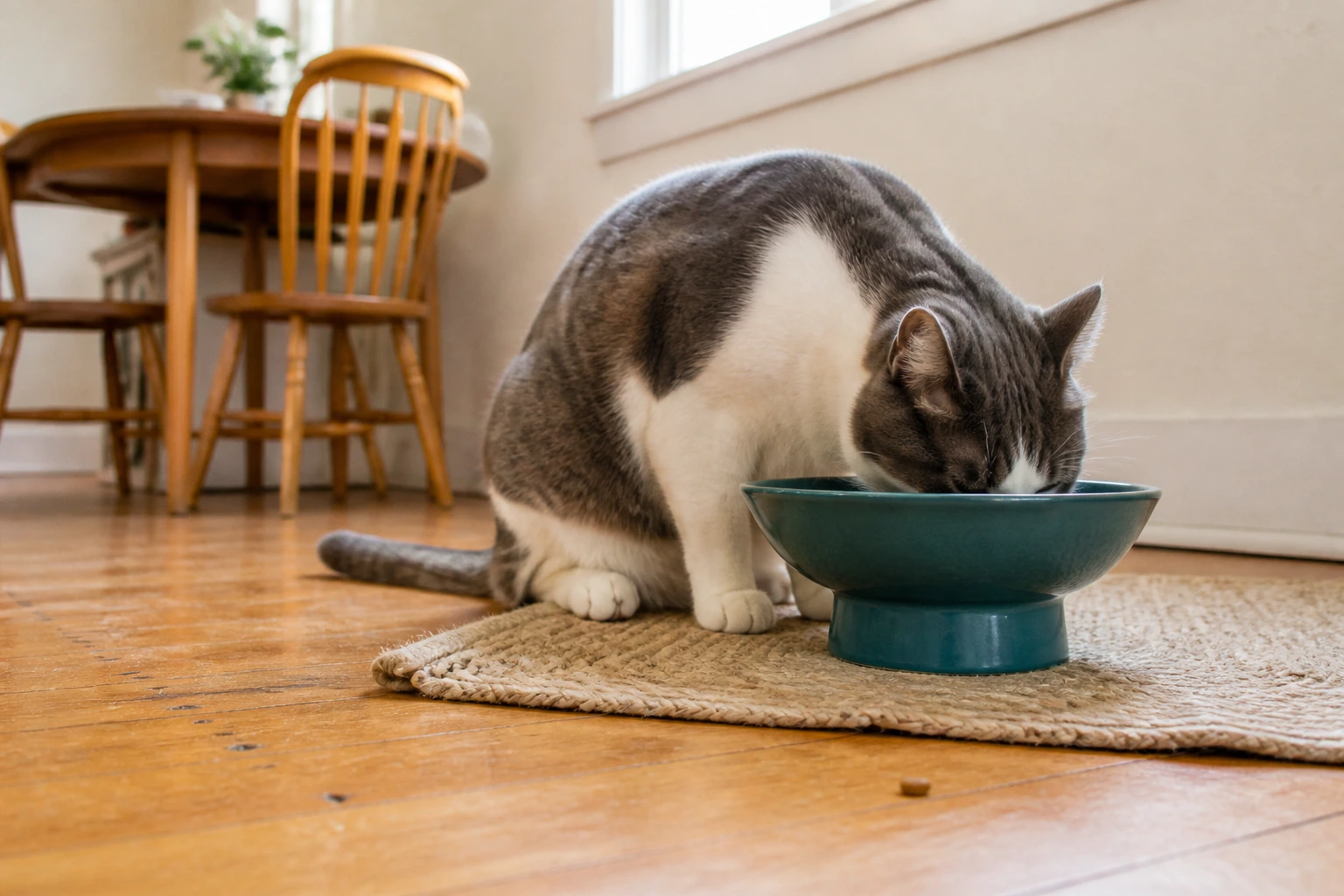
The bowl, and whisker fatigue. Their Mesa Bowl is shallower and raised higher than a standard dish, and the reasoning is more than aesthetic. “Most cat bowls on the market are too deep,” Wang says. A deep, narrow bowl forces a cat to push their face in and bend their whiskers against the sides to reach the food. Cats’ whiskers are densely packed with nerve endings and highly sensitive, and the repeated contact can become genuinely uncomfortable, a phenomenon commonly called whisker fatigue. It can leave some cats pawing food onto the floor to eat it or walking away from a full bowl. A shallow, wide, elevated bowl lets a cat eat in a more natural posture without their whiskers brushing the rim. “We designed it so cats can finally eat in the right position,” Wang says, “and in colors that actually look good in your home.”
The bed, built for how cats sleep. “If you go looking for a cat bed today, you’ll probably end up with a small dog bed, and most of them aren’t attractive,” Wang says. Cat Person’s Canopy Bed was instead shaped around feline behavior: the way cats curl to sleep, and their preference for feeling sheltered and covered rather than exposed. The brand worked with a London design studio whose designers owned cats and tested iterations on their own animals, an unusually literal version of user research.
The food, and a nutritional claim worth understanding. Wu’s frustration was the wet-and-dry-food maze in stores, “a confusing experience” even for a motivated shopper. Cat Person’s recipes lean into the fact that cats are obligate carnivores who need substantial real meat: the brand says its recipes carry at least 50 percent more quality animal protein than AAFCO industry-standard minimums, and that they’re grain-free and low-carb. The packaging was redesigned around freshness too, smaller, resealable bags instead of the giant sacks that go stale, plus a rotation of flavors and textures to keep cats from getting locked into a single food, a real concern given how easily cats fixate.
Who they’re actually designing for
Ask Wu to describe their customer and you get a deliberate rebuke of an old stereotype. “The modern cat person loves cats and sees them as family,” he says. “They want their cat to live a healthier, happier life, and they do not see themselves in the ‘crazy cat lady’ cliché.” Crucially, he adds, this person refuses the trade-off the old cat aisle forced on them: “They value what’s good for their cat and what’s good for them, the convenience, the aesthetics, the design. They don’t want to choose.” That refusal, more than any single product, is what the brand is selling.
The cats are the real product testers
Cat Person’s design process starts, fittingly, with cats, both as the end users and as the testers. “Being a cat-first brand, we always start with the consumer, which for us is cats and their people,” Wang says. The team gathers feedback, partners with field experts to design, then tests extensively with real cats, including the office cats. “We’re up to 16 now,” Wu says. The staff cats have their favorites: “Pebbles loves her Mesa Bowl, Margo is devoted to our Goodness Blends treats, basically a savory smoothie, and George claims the Canopy Bed because he’s always hunting for a cozy hideout.”
The most charming bit of design, though, is the one that costs nothing and delights everyone. Knowing cats’ eternal love affair with cardboard, Cat Person designed many of its shipping boxes to convert into toys, a puzzle box, a chalet hideout, a cat condo. “It sounds mundane,” Wu says, “but watching customers react to the boxes has been genuinely thrilling. People expect a package and get a toy for their cat.” It’s a small thing that captures the whole ethos: assume the cat is the user, and design accordingly.
The part that isn’t about products
For Wang, fostering has always been woven into the business. He’s been a longtime volunteer with the Animal Care Centers (ACC) of NYC, and in July 2020, as the pandemic sent foster applications surging (the shelter received more than 5,000 since mid-March that year), Cat Person teamed up with the ACC to donate 20,000 meals and 1,000 toys to cat fosters.
Wang’s favorite feedback, tellingly, isn’t about design at all. “The most meaningful messages are the ones about how the food changed a cat’s life,” he says, “a diabetic kitty managing his blood sugar better, a senior cat getting her zoomies back.” It’s a fitting close for a brand that started with a simple, slightly stubborn refusal to accept that the cat aisle had to be an afterthought, and decided, bowl by bag by box, to build the front of the store cats never had.