


Don't Clean Healthy Ears: When Your Dog Actually Needs a Cleaner (8 Worth Buying)
Most over-cleaning does more harm than the dirt. Here's the test for when your dog's ears actually need cleaning, the technique that protects the eardrum, and 8 cleaners matched to wax, yeast, and irritation.

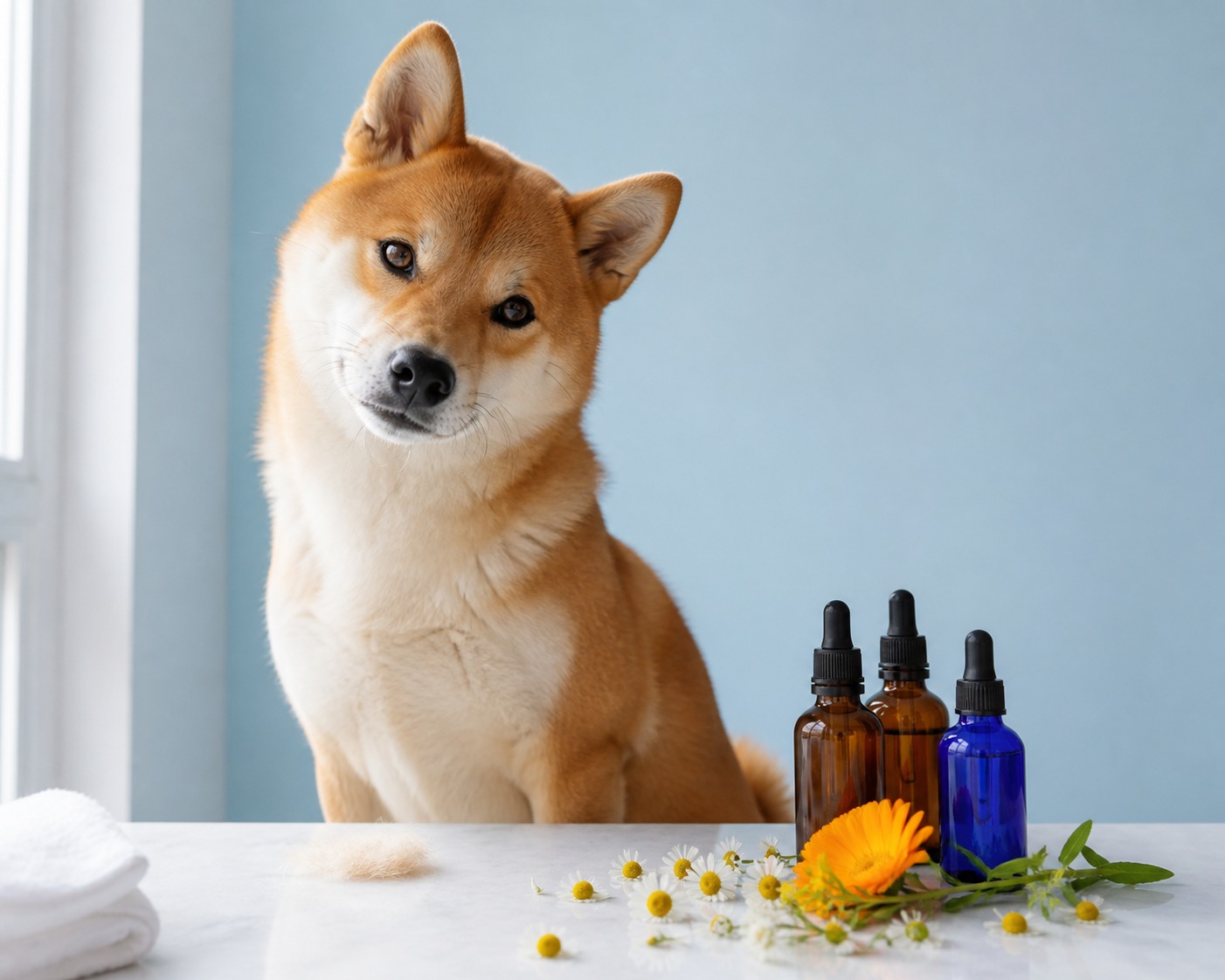
Before we name a single product, here is the advice that will save you the most money and your dog the most misery: most dogs do not need their ears cleaned on a schedule, and routine cleaning of a healthy ear is one of the most common ways owners cause the infections they are trying to prevent. The cleaner is the easy part. Knowing when to reach for it is the part nobody sells you.
So this is a buyer’s guide that starts by talking you out of buying on autopilot. We will give you a simple test for when your dog’s ears actually need a cleaner, the technique that protects the eardrum, and then eight cleaners worth owning, each matched to a specific problem rather than thrown at every ear indiscriminately.
First, the test: does this ear need cleaning at all?
Look and sniff before you flush. A healthy dog ear is pale pink, barely waxy, and basically odorless. Clean it only when you see meaningful debris or wax, notice a yeasty or sour smell, or after a swim or bath leaves the canal damp. If the ear is clean, leave it alone. The canal makes a little wax for a reason, and scrubbing a healthy ear strips that protection and irritates the lining, which is an open invitation to the bacteria and yeast you were trying to avoid.
Two cautions matter more than which bottle you pick. If the ear is red, swollen, painful, hot, or producing dark or pus-like discharge, that is an established infection, and pouring an over-the-counter cleaner into it will not fix it and may hurt. That is a vet visit for a look down the canal and likely a prescription. And if there is any chance the eardrum is ruptured, some cleaning ingredients can damage the inner ear, so a dog with sudden head tilt, balance trouble, or severe pain needs a vet, not a cleaner.
The technique, in four steps
The method matters as much as the product. Never use a Q-tip, which packs debris deeper and can pierce the eardrum. Instead: fill the canal generously with cleaner, massage the base of the ear for fifteen to twenty seconds until you hear a squish, step back and let your dog shake (this is what brings debris up and out), then wipe only the visible parts of the ear flap and opening with a cotton ball or gauze. That is it. If a cleaner is not improving things within a few days, stop and call your vet, because something a cleaner cannot touch is going on.
The mistake I see most is owners cleaning healthy ears every week because they think it is good hygiene, when all they are doing is irritating the canal and seeding the next infection. Allergies are behind the large majority of chronic ear infections I treat, not dirt. So if your dog’s ears keep flaring, the answer usually is not a better cleaner, it is figuring out what they are allergic to. Clean when there is something to clean, use the right product for the problem, and loop in your vet the moment an ear looks angry.
The causes worth knowing, since they tell you whether a cleaner is even the right tool: allergies (by far the most common driver of recurrent infections), ear mites, trapped moisture, excess hair in the canal, foreign material like a grass seed, the narrow or floppy anatomy of certain breeds, and, yes, over-cleaning itself. Each of those lets yeast or bacteria overgrow. A cleaner helps with debris and moisture. It does nothing for an allergy or a foreign body, which is why the products below come with a clear “see your vet if” line.
The Best Ear Cleaners
kin+kind Ear Cleaner. This USDA certified organic formula removes wax buildup without stripping your pup’s delicate skin of its natural oils. It is alcohol- and water-free, so there is no wince-inducing sting, and it is ethically produced with no animal testing. It was formulated by veterinarian Dr. Marc Valitutto and plant specialist Dina Vanwyck. “I’m working closely with the product development team at kin+kind to see how the most powerful plant substances can safely and effectively help our favorite animals,” Vanwyck says.
Skout’s Honor Ear Cleaner. Made to gently clean and soothe dry, waxy, irritated ears in dogs and cats, this non-medicated cleaner helps restore microbial balance and uses aloe vera to quell itchiness. Its probiotics serve as a natural barrier against environmental factors, making it ideal for even the most sensitive pups.
Wondercide Ear Care. Created with neem, lavender, peppermint, tea tree, and lemongrass oils, this helps treat common ailments like redness, swelling, itchiness, and discomfort. It is vegan, cruelty-free, non-GMO, and packaged in recyclable bottles, a win for your pup and the planet.
PetLab Co Therapeutic Ear Cleaner. For a blocked ear canal, you may need something more powerful. This cleaner uses high-quality ingredients like salicylic acid and ketoconazole to maintain the skin’s moisture barrier and support a healthy coat, all while deodorizing and gently cleaning, without harsh ingredients that could irritate vulnerable ears.
Major Darling Ear Wash and Skin Tonic. This all-natural, handcrafted tonic uses an antibacterial and antifungal formula to mitigate itching and loosen debris in the ear canal. With organic aloe vera, witch hazel, neem oil, calendula oil, white willow bark, rosemary, and chamomile extracts, it soothes irritation caused by allergens.
Zymox Ear Solution. This formula contains three natural bioactive enzymes that together form a powerful antimicrobial defense against bacterial, fungal, and yeast infections. Safe for cats and dogs of all ages and non-invasive (no cleaning needed before or after), it includes hydrocortisone to ease pain and itching, making it great for pets with painful ear infections.
A yeast-fighting serum. This serum tackles yeasty ears and all the itching that comes with them. Made with natural ingredients like almond, walnut, and chamomile, it dries up yeast ooze and can also be used on skin with redness, irritation between the toes, dark patches, or that classic corn-chip smell.
Virbac Epi-Otic Advanced. The pick the original lineup was missing, and the one most vets actually reach for. This is the workhorse maintenance and drying cleaner you will see on clinic shelves: a low-pH, alcohol-free formula with a drying agent that flushes wax and pulls moisture out of the canal after swimming or bathing, which is exactly what stops the damp-canal infections so many floppy-eared dogs get. It is gentle enough for regular use on dogs that genuinely need routine drying, and it is the safest default if you are going to own just one bottle. As always, confirm with your vet that the eardrum is intact before using any cleaner in a dog with a history of ear disease.
References
- American Kennel Club. “How to Clean Your Dog’s Ears.” https://www.akc.org/expert-advice/health/how-to-clean-dogs-ears/
- Merck Veterinary Manual. “Ear Infections and Otitis Externa in Dogs.” https://www.merckvetmanual.com/dog-owners/ear-disorders-of-dogs/ear-infections-and-otitis-externa-in-dogs
- VCA Animal Hospitals. “Ear Infections (Otitis Externa) in Dogs.” https://vcahospitals.com/know-your-pet/ear-infections-otitis-externa-in-dogs
- Saridomichelakis, M.N., et al. “Aetiology of Canine Otitis Externa: A Retrospective Study.” Veterinary Dermatology. https://pubmed.ncbi.nlm.nih.gov/17680842/
Dr. Park is a board-certified emergency and critical care specialist. She reviews our health and safety content for clinical accuracy and contributes guides on recognising urgent conditions. Her focus is helping owners act quickly and correctly when it matters most.
Meet our experts ↗Keep reading
 Health & WellnessYou'll Never Stop the Shedding. You Can Stop Finding the Hair.Sasha Ford · 7 min
 Product PicksFlea Shampoo Kills What's on the Dog. The Real Battle Is in Your HouseDr. Priya Nair · 9 min
 Product PicksPick a Golden Retriever Shampoo by What Their Skin Is Actually DoingDr. Nina Kohl · 9 min
 Product PicksThis $59 Board Lets Your Dog File Their Own NailsLeila Torres · 5 min
 Product Picks'Eco-Friendly' Pet Grooming Is Mostly a Marketing Word. This Line Actually Earns It.Sara Lim · 4 min
 Health & WellnessYou're Probably Washing Your Dog Too MuchSasha Ford · 6 min