


10 Drink Brands Where Your Next Pour Helps a Shelter Pet
Buying a bottle won't fix the shelter crisis. But some distillers, breweries, and wineries route real money to rescues, and a few are far more transparent about it than others. Here's how to drink with intention, organized by vodka, beer, and wine.

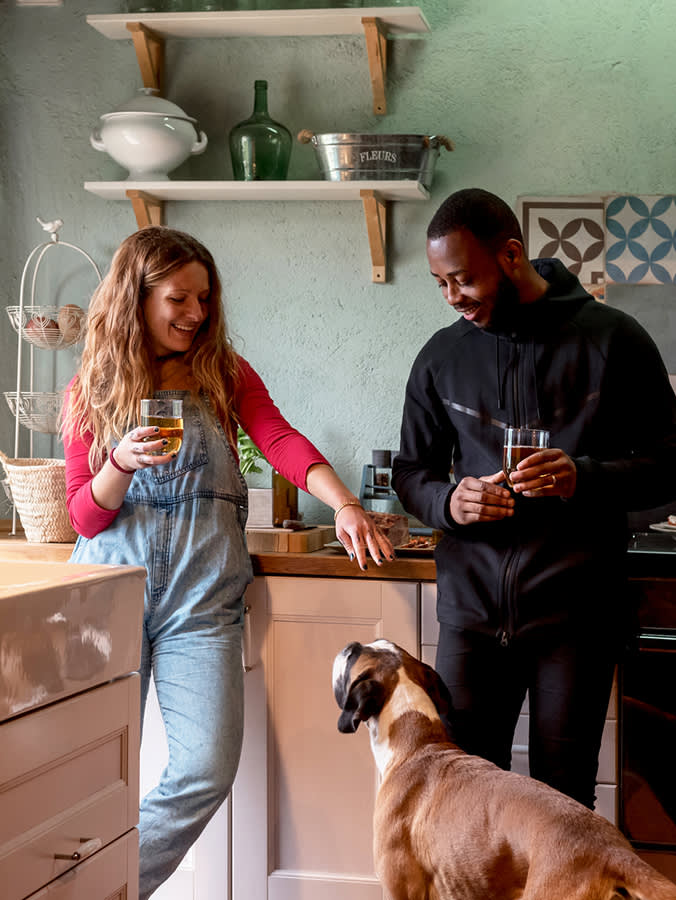
There’s a small, pleasant fantasy that buying the right bottle is a form of activism. It isn’t, quite. A wine label with a dog on it doesn’t rescue anything by itself. But some drink makers do route real, documented money to animal shelters, and the gap between the brands that publish their numbers and the ones that just print a paw print is exactly what’s worth paying attention to. The useful question isn’t “which brands give back,” it’s “which ones can show you the receipts, and how much actually reaches the dogs.”
So instead of a flat list, here’s the same intel sorted by what you’re actually reaching for, wine, beer, or vodka, with the giving model spelled out and a note on transparency for each. Pour accordingly.
If you’re opening wine (the deepest bench)
Wine is where this movement lives, so most of the list lands here. The models vary a lot, and that’s the point, read the giving structure before you assume.
Mutt Lynch Winery
A Sonoma producer that backs local, national, and international rescues by donating wine and time to their missions, earning Sonoma Magazine’s “Most Pet Friendly Winery in Sonoma County” two years running. Transparency: moderate, the giving is real but described more by activity than by audited dollars, so treat it as a feel-good buy rather than a high-accountability one.
Rancho Rossa Vineyards
Founded by self-described “animal-loving hippies” Chris and Breanna Hamilton and inspired by their late dog, Georgie, Rancho Rossa donates 100 percent of the profits from every nonprofit item in its store, raising more than $22,500 in a recent year for pet medical-care grants. Three rescue dogs live and work the vineyard. Transparency: good, with a specific 100-percent-of-nonprofit-items model.
Chateau La Paws
Central California wines made to be affordable and to give back, with proceeds supporting no-kill shelters. The brand has donated more than $100,000 to North Shore Animal League America, which rescues, rehabilitates, and rehomes dogs. Transparency: good, named beneficiary and a stated total.
Rescue Rosé
A California pinot-noir rosé created by LA stylist Nola Singer, drawing on her rescue-world experience. A portion of every bottle goes to Love Leo Rescue, I Stand With My Pack, and A Purposeful Rescue, all saving vulnerable animals around Los Angeles. Transparency: moderate, named beneficiaries, “a portion” left undefined.
See Ya Later Ranch
A British Columbia winery whose “Jimmy My Pal” program sends 25 cents per bottle (plus tasting-room bottle deposits) to the BC SPCA, in memory of the founder’s late dog. The SPCA named it “Caring Company of the Year.” Transparency: good, a clear per-bottle figure you can do the math on.
Rescue Dog Wines
The clearest commitment on this list: 50 percent of profits to animal rescue, since day one. Founders Laura and Blair Lott built a Lodi vineyard where they could harvest grapes and foster dogs side by side, have partnered with 100-plus organizations (Best Friends Animal Society, Muddy Paws Rescue, Paw Works among them), and have donated more than $100,000 to date, recently steering funds to groups recovering animals displaced by Hurricane Helene. Transparency: excellent.
ONEHOPE
A Napa winery built around giving, with the most flexibility for the buyer. ONEHOPE lets you direct 10 percent of your purchase to a charity of your choosing, type in your favorite rescue at checkout, and has donated more than $11 million across causes to date. The catch worth knowing: the giving spans many causes, not pets specifically, so the impact on shelters depends on you choosing one. Transparency: high, with the most user control.
If you’re cracking a beer
Second Chance Beer Co.
A San Diego brewery that gives one percent of profits to local rescues, including Second Chance Dog Rescue, The Animal Pad, and Shelter to Soldier, groups that rehab traumatized dogs and pull animals from high-kill shelters. Its “Seize a Pint, Save a Pup” pledge has put more than $21,000 back into rescues and communities since 2015. Transparency: solid, with a stated percentage and a running total.
If you’re pouring vodka
Tito’s Handmade Vodka
The heavyweight, and for once the marketing matches the money. Tito’s Vodka for Dog People program has donated $250,000 to help more than 100 rescues stock their wish lists, food, collars, beds, blankets, and funds low-cost spay/neuter and affordable veterinary care. It has also partnered with Wings of Rescue and The Sato Project to airlift hundreds of homeless pets out of Puerto Rico. The brand sells dog-themed merch (toys, walk kits, a puppy calendar) to feed the fund. Transparency: high, with named partners and current totals.
What we trimmed, and why it matters
A note on intention, since this is the whole thesis: we pared the roundup down to brands with a stated giving model you can actually evaluate, and dropped a few that lean on a good story without a clear mechanism (a single past donation year, or a “supports rescues” claim with no structure behind it). That’s not a knock on their hearts; it’s a buyer’s filter. When the giving is a fixed percentage or a per-bottle figure, your purchase reliably moves money. When it’s vaguer, you’re mostly buying a vibe, which is fine, just know which one you’re doing.
A worthwhile place to put that intention: PetRescue data shows larger dogs take roughly 58 percent longer than small dogs to get placed once they land in shelters or foster care. So if a brand lets you direct your dollars (ONEHOPE does), a big-dog rescue is a high-impact choice. Drink well, and aim it where it counts.
References
Leila Torres leads our Living coverage, from home life and travel to the products and rescue stories that come with sharing a life with animals. She edits and writes across the section, with a soft spot for pieces about the bond between people and their pets.
Meet our experts ↗Keep reading
 LivingShelters Stopped Guessing: How Science Rebuilt the Modern ShelterClaire Sutton · 10 min
 LivingHe Flies Infrared Drones Into Disaster Zones to Find the Animals Left BehindJames Okafor · 7 min
 LivingThe Internet's Favorite Grief Metaphor Just Got a Real AddressNina Vasquez · 4 min
 LivingShe Was Convicted of Torturing Animals. The Law Still Called Them Hers.James Okafor · 6 min
 LivingA Dam Broke and the Dogs Went to the Rooftops. Three Years Later, the Water Is Still the Story.Jordan Ellis · 8 min
 LivingThe PET Act Closed One Loophole in How Companies Test Chemicals on Dogs and CatsMarcus Webb · 4 min