


Shelters Stopped Guessing: How Science Rebuilt the Modern Shelter
The modern shelter isn't just a kinder holding pen, it's running on cortisol data, evidence-based design, and a recognized veterinary specialty. Here's how it happened.

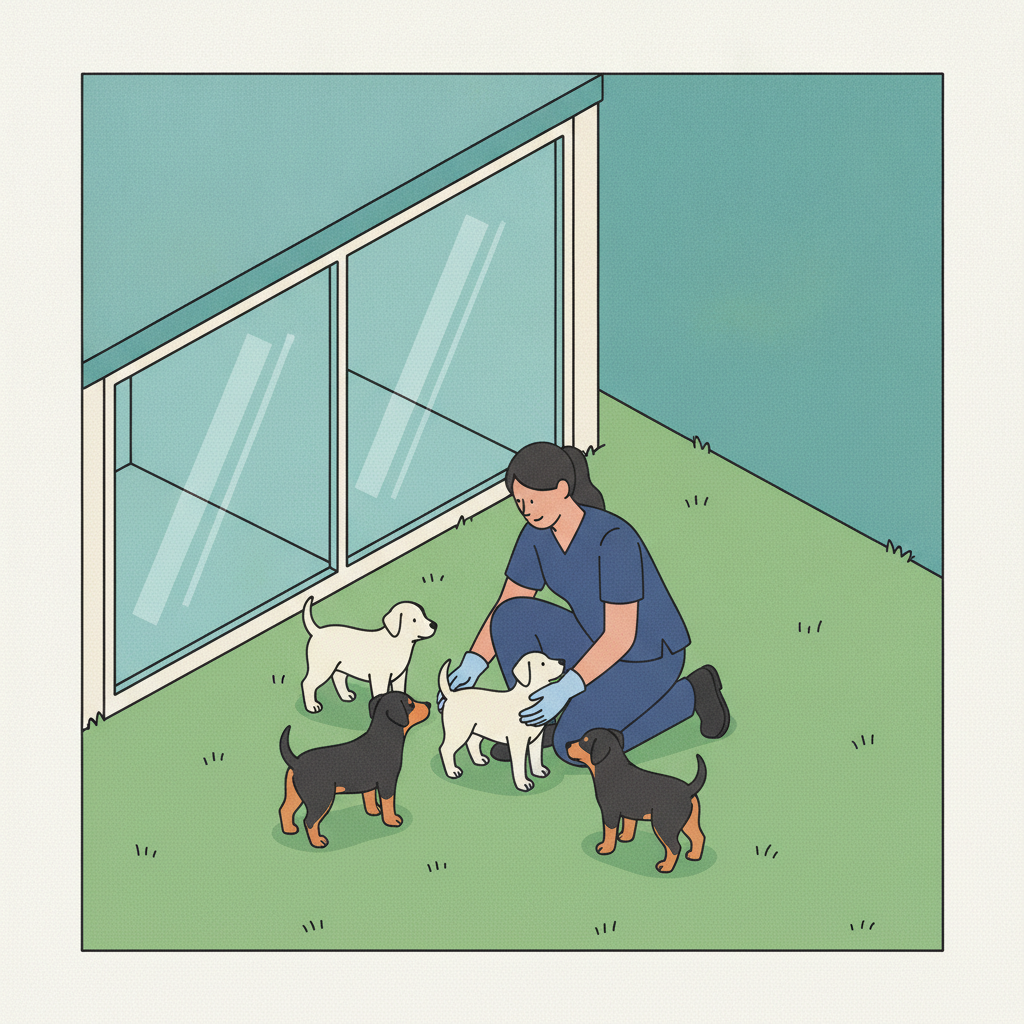
Walk into a well-run animal shelter today and the change is not just that it is kinder. It is that the kindness is now backed by data. The single biggest shift in sheltering over the past two decades is that shelters stopped guessing about what animals need and started measuring it, building facilities, programs, and even a veterinary specialty around the evidence. The comfier bedding and the calming music are real, but they are downstream of something bigger: a field that became a science. Here is how the modern shelter got rebuilt, organized the way an animal actually experiences it: from intake and care, through the building and daily life, out into the wider network, and ending with the evidence that drives the next round of improvements.
Shelter medicine became its own specialty
Start where an arriving animal starts, with medical care: in 2014 the American Veterinary Medical Association formally recognized shelter medicine as a distinct veterinary specialty. This is not small-animal practice relocated to a shelter. Shelter vets follow different vaccination schedules tuned to a shelter’s risk profile and train in herd-health management, balancing the needs of an individual animal against the health of the whole population. That a board specialty exists at all is the clearest sign of how far the field has come, from a place that warehoused animals to a discipline with its own science.
Behavior work became a profession
It is no longer acceptable for an untrained staffer to evaluate a dog for aggression or run a behavior-modification plan. That work now belongs to credentialed behavior experts, who do double duty: rehabilitating animals to make them more adoptable and more likely to stay adopted, and coaching adopters and the public so fewer animals are surrendered for fixable behavior. Given how many animals land in shelters over behavioral challenges, putting a real expert in that role is one of the highest-leverage changes a shelter can make.
The building itself was rethought
For most of the last century, shelters were designed to be cleaned and to hold the maximum number of animals. The first thing the new science changed was the architecture. The priority flipped from ease of hosing down kennels to reducing the stress the building itself creates.
“We design now for the animal’s nervous system, not the mop,” says Dr. Nina Kohl, a shelter-welfare consultant. “Natural light, sightlines that don’t force every dog to stare at every other dog, sound-dampening in the kennel rooms. A better-designed building means less barking, less disease transmission, and a calmer animal who shows better to adopters.”
Newer facilities bake this in from the blueprint, piping natural light through windows and solar tubes into every animal-housing area and laying out kennels to cut the visual and acoustic chaos that ratchets up stress.
Then the amenities followed
Inside those better buildings, the day-to-day got richer. The best shelters now rotate sensory enrichment, run play groups, pipe in calming music, offer manners training, and provide genuinely comfortable bedding. None of this is decoration. Each piece targets a known stressor, and together they turn a holding period into something closer to active care.
Field trips and sleepovers left the building
Some of the most effective programs simply get the animal out of the shelter for a while. Day-trip programs let people take a dog out for a Puppuccino and an afternoon on the couch, which combats the social isolation of kennel life and widens the dog’s network of people who know them.
Sleepovers go further, and they are catching fire across the country. The concept, pioneered more than twenty years ago at Best Friends Animal Society, is simple: send a shelter dog home with a volunteer overnight to practice being a house pet. Many shelter dogs are sweet but green, and ordinary household things, TVs, ceiling fans, stairs, toilets, are brand new to them. A night out lets the dog rehearse home life and lets staff learn how the dog actually behaves in a living room, which no kennel observation can reveal. Some dogs use the time for marathon sleep; others spend it glued to their host.
Volunteering got creative
Shelters also rethought what help looks like. Not everyone wants to walk dogs, so the menu expanded: staffing mobile adoption events, coaching dogs through training classes, prepping enrichment, or dropping by for a fifteen-minute cat-cuddling shift on the way home from work. More kinds of volunteering let shelters do things for animals that would otherwise be too expensive or time-consuming for staff. Running Buddy programs are a vivid example, getting dogs out for exercise in “Adopt Me” vests as their volunteers jog through town, a setup that has turned more than a few runners into adopters.
Transport networks spread the load
The decades-long practice of moving animals from regions with too many dogs to regions with too few continues to mature. It serves both ends, cutting euthanasia where space runs out and meeting demand where shelters would otherwise turn adopters away. Nonprofits like Wings of Rescue and Pilots N Paws fly this work, and the overriding national trends, less euthanasia and more adoption, owe a real debt to it.
The mission widened to the whole community
A defining move of the modern shelter is refusing to be only a destination for surrendered animals. Forward-thinking shelters now aim to be the first place people call when they are struggling with a pet, offering medical help, behavior support, and resources that keep an animal in its home in the first place. Shifting from animal control to surrender prevention is a profound change, and it means the shelter often solves a problem rather than simply absorbing its consequences.
The research caught up, and proved it works
Here is where the field truly became a science. Researchers began measuring stress directly through cortisol, and the findings validated the programs. Studies found that dogs were less stressed during sleepovers than in the shelter, and that their stress levels returned to baseline, no higher, once they were back. In other words, short trips out do not destabilize shelter dogs; they may actively improve their welfare.
“We finally have the tools to ask ‘what is actually best for this animal’ and get an answer instead of an opinion,” says Dr. Mara Chen, a veterinarian who studies companion-animal welfare. “Cortisol data, adoption-outcome tracking, even research on how breed labels slow a dog’s time to adoption. That evidence is now driving decisions that used to run on instinct.”
This research arm has reshaped everything from how enrichment is delivered to how dogs are described on adoption profiles, because the data showed which choices help animals leave faster and stay gone.
Success got redefined
As the science matured, so did the scoreboard. Counting adoptions alone turns out to be a misleading measure, because it ignores the animals returned to their original owners, transferred for specialized care, or kept out of the system entirely through medical and behavioral assistance. The best shelters now also measure surrender prevention and live-outcome rates, which capture the quieter wins, the family that kept their dog because the shelter covered a vet bill, that adoption counts never see.
References
- Gunter, L. M., et al. “Investigating the impact of brief outings on the welfare of dogs living in US shelters.” Animals.
- American Veterinary Medical Association. “Recognized Veterinary Specialty Organizations: Shelter Medicine.” avma.org.
- Association of Shelter Veterinarians. “Guidelines for Standards of Care in Animal Shelters.” sheltervet.org.
- Best Friends Animal Society. “Sleepover and Field Trip Programs.” bestfriends.org.
Claire Sutton writes about life with pets, from the first days home to the small daily routines that make a household work. Her reporting spans people-and-pet relationships, training basics, and the practical side of bringing a new animal into the family.
Meet our experts ↗Keep reading
 LivingWhen Fiona Drowned the Power Grid, Puerto Rico's Dog Rescuers Got in the WaterJordan Ellis · 5 min
 LivingNew York Is Handing Shelters $10 Million. The Real Story Is the Deadline Next Month.Nina Vasquez · 4 min
 LivingUkraine's Animals Are Still in the War. Here's How to Actually Help.James Okafor · 5 min
 LivingPeople Don't Surrender Pets Because They Stopped Loving ThemLeila Torres · 8 min
 LivingThe Easter Bunny Is a 10-Year Commitment. Make Yours Chocolate.Nina Vasquez · 5 min
 LivingHalf of Survivors Won't Leave Without the Dog. Only 12% of Shelters Take One.Nina Vasquez · 9 min