


Your Cat Follows You Everywhere Because You're the Restaurant
That little supervisor outside the shower isn't just clingy. Cats shadow their people for a handful of specific reasons, and learning to read which one is in play tells you whether to relax, play, or call the vet.

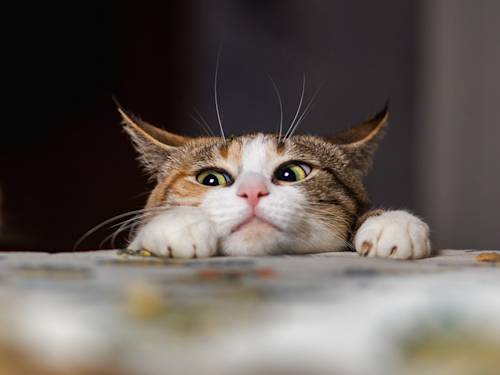
There’s a specific rite of passage in cat ownership: the day you realize you are never, ever alone. A face at the shower door. A judgmental little supervisor on every video call. A warm weight that materializes on your chest at 5 a.m. If your cat trails you from room to room like a furry parole officer, congratulations, you’ve been chosen. The good news is this is rarely the mystery it feels like. It’s your cat being a cat, and the specific flavor of following usually tells you exactly what they want.
The trick is that “why does my cat follow me” doesn’t have one answer, it has several, and they range from adorable to worth-a-vet-visit. Reading which one is in play is the actual skill. So instead of a long list to memorize, start with the frame that explains most of it: to your cat, you are the source of nearly everything good, food, warmth, play, safety, and they are keeping tabs on the supply.
You are, functionally, the restaurant
Strip away the sentiment and a lot of following is logistics. Somewhere under your cat’s cushy indoor life runs the ancestral wiring of a small predator who had to track down every meal, and in your home, you are where meals come from. That reframes the toe-biting at dawn and the insistent ankle-weaving before dinner: your cat has learned that you are the restaurant, and they are not shy about noting that service has been slow.
Cats are also built to eat several small meals across a day, and most house cats are stuck on our two-a-day human schedule, which runs against that grain. A cat who feels underfed on their own internal clock will follow, vocalize, and generally lobby, popping up wherever you are to file the complaint.
The other reasons they stick close
Hunger explains a lot, but not everything. A few other drivers show up constantly:
They want your attention. Even aloof cats will tail you to flag something, a toy trapped under the couch, or just a general request to be acknowledged. Cats are clever and persistent about this, escalating from a stare to a paw-tap to knocking your pen off the desk.
They’re bored. Cats nap hard but wake up with bursts of energy, and when playtime hits, you’re the entertainment. Your meeting or your dinner prep does not factor into their scheduling.
They’re bonded to you. Following is one of the clearest signs a cat considers you part of their group. They want to be near you, involved in whatever you’re doing, even if “whatever you’re doing” is going to the bathroom.
You taught them to, without meaning to. If sticking near you has ever produced treats, scritches, or play, your cat filed that away. Following becomes a bet that good things happen when they stay close.
They’re curious, or territorial. Cats want to know what’s going on, and a moving human might do something interesting. Some cats also seem to feel you need supervising as you lumber around their home, large, clumsy, and unable to groom yourself properly.
The versions that mean “check on me”
Two reasons on the list are different in kind, because they’re your cat telling you something is off.
The first is pain or illness. A cat who suddenly ramps up attention-seeking, or changes their behavior in any noticeable way, may be seeking comfort because they don’t feel well. Cats hide illness by instinct, so a shift in how much they cling can be one of the few outward signals you get.
The second is stress or anxiety. Cats run on routine, food, play, and rest at predictable times, and disruptions rattle them. Some anxious cats hide; others glue themselves to their safe person, which is often you. New pet, new home, houseguests, a change in your schedule: any of these can turn an independent cat into a shadow.
The behavior itself isn’t the alarm, the change in it is. A cat who has always trailed you around is just being themselves. A cat who suddenly starts, or suddenly stops, or does it with a new intensity, is giving you information. That’s the one worth paying attention to, ideally with a vet if anything else seems off.
Following changes as cats age
The behavior isn’t fixed for life. Kittens follow because everything is new and thrilling and they’re still sorting out what deserves their attention, so they tag along for all of it. Older cats who know your routine cold tend to get selective; they’ve learned to read a quick bathroom trip differently from a trip toward the food bowl, and they’ll only bother rousing themselves for the one that pays.
If the shadowing is too much
You can love your cat and still want a little privacy. The hard part of attention-seeking behavior is that almost any response feeds it, petting to reassure, scolding to stop it, even a glance, all read as attention and all keep it coming. So the counterintuitive move is to give nothing when they’re pestering, and reward them once they’ve settled.
Around that, build a life that doesn’t route entirely through you. Rotate puzzle feeders, toys, and catnip so a bored cat has an alternative to supervising you. Set up vertical space, cat trees and high perches, plus cozy hiding spots, so your cat can watch the household from a lookout instead of your heels. Keep the litter box clean and the water fresh, because a following, complaining cat is sometimes just reporting that a basic need has slipped. And book a daily play session with a wand toy; a cat who gets to stalk and pounce on a real schedule is a calmer, more secure cat the rest of the day.
The bottom line is kinder than the “aloof, independent cat” myth suggests. Your cat follows you because they’ve decided you’re family, and family is who you keep an eye on. Keep the food coming, give them something better to do now and then, and enjoy your small, devoted stalker.
What newer research adds
The old stereotype of the self-sufficient cat keeps losing ground to actual data. Studies of the cat-human bond have found that cats form real attachments to their people, and that a securely attached cat uses their owner much the way a child or a dog does, as a source of comfort and a safe base to explore from. In one line of research, most cats tested showed this secure-attachment pattern, staying connected to their person while still confident enough to venture off.
That’s the useful lens for all this shadowing. Your cat trailing you isn’t neediness or a character flaw; for a securely bonded cat it’s the normal expression of a genuine relationship. It also underlines the earlier point: because the following is rooted in that bond and routine, a sharp change in it is meaningful, and worth a look rather than a shrug.
References
Common questions
Is it normal for a cat to follow you everywhere?
Yes. Following is common and usually reflects hunger, a bid for attention, boredom, or a genuine bond. It becomes worth a closer look only when it's sudden, paired with other changes, or accompanied by signs of distress.
How do I get my cat to stop following me?
Any reaction, even scolding or a glance, rewards the behavior with attention. Instead, ignore the shadowing, reward your cat when they settle calmly, and give them enrichment like puzzle feeders, toys, and good perches so they have something to do besides supervise you.
Dr. Kohl is a board-certified veterinary dentist with a particular interest in preventive oral care. She reviews all dental health content at The Pet Times and contributes practical guides on home dental routines, professional cleaning, and oral disease prevention.
Meet our experts ↗Keep reading
 TrainingYour Cat Sleeps Sitting Up Because Part of It Never Clocks OutDr. Nina Kohl · 6 min
 First DaysKittens Litter-Train Themselves. Here's How Not to Ruin It.Dr. Amara Solis · 5 min
 TrainingYour Cat Is Not Judging You. Your Cat Cannot Judge You.Dr. Mara Chen · 9 min
 TrainingYour Cat Is Talking Nonstop. Most of It Isn't Aimed at You.Dr. Mara Chen · 9 min
 TrainingYour Cat Can Fake a Purr. They Can't Fake This.Dr. Nina Kohl · 6 min
 First DaysYour Older Cat Doesn't Hate the Kitten. It Hates the Energy.Dr. Priya Nair · 7 min