


Kittens Litter-Train Themselves. Here's How Not to Ruin It.
Most kittens arrive already knowing how to use a box. Your real job is the setup, the safety, and staying out of the way, plus the one litter mistake that can land a kitten in surgery.

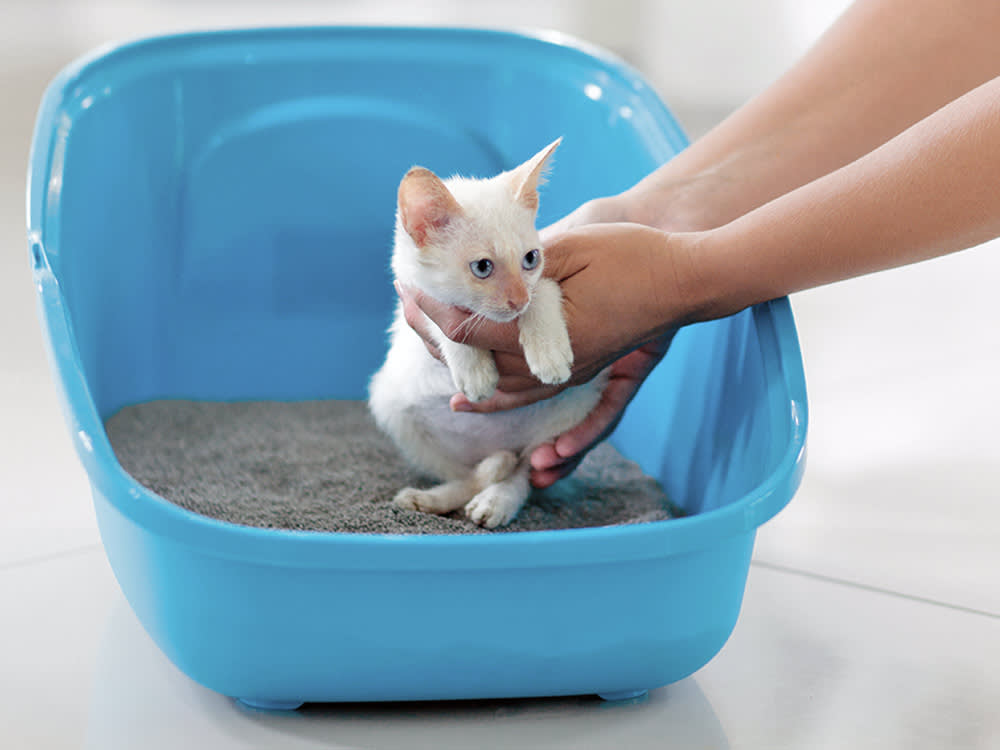
Here is the reassuring truth almost no new kitten parent believes until they see it: your kitten probably came pre-installed with this skill. Using a box to pee and poop, then scratching to bury it, is not a trick you have to drill into a cat. It is hardwired behavior that shows up on its own, often before the kitten is even old enough to come home with you.
So the real question is not “how do I teach my kitten to use the litter box?” It is “how do I set things up so I don’t accidentally get in the instinct’s way?” That reframing changes everything about how you approach the first few weeks, and it takes most of the pressure off.
Your kitten was probably already training before you met them
Kittens stay with their mother until they are around eight or nine weeks old, and in those weeks a lot happens. In the very beginning the mother handles all of the cleanup herself. But the digging-and-burying instinct starts to switch on much earlier, around three or four weeks, right as kittens wean and begin learning about the world through their paws and noses. Many kittens are quietly using a tray well before they are adopted out.
If yours is not there yet, do not worry, and do not think it is too late. You have not missed a window. You are simply going to give the instinct a clean, obvious place to express itself.
With kittens, you are not really the teacher, you are the stage manager. Give them a box they can climb into, litter that feels right under their toes, and a calm corner to use it in, and the behavior shows up almost on its own. The failures I see are almost always a setup problem, not a stubborn cat.
The setup that makes or breaks it
A few decisions up front do most of the heavy lifting.
Size the box to the kitten, then size up. A good box measures roughly one and a half times as long as your cat, nose to tail-base, so they can turn a full circle and stand tall inside. This is exactly where a lot of boxes fall short: the ones marketed as “kitten size” are frequently too cramped for the adult cat your kitten is becoming. At least one low side makes entry easy for short legs, and if the box has a swinging flap door, take it off. A flap is one more obstacle between a kitten and the toilet.
Open or covered is your call, within reason. An open box ventilates better and lets a cat keep an eye on the room, which many of them want while they are in a vulnerable position. A hood gives a shy cat privacy. Neither is wrong. Watch your individual kitten and let their behavior break the tie.
Put it where a kitten can find it, not where you’d hide it. The instinct to tuck the box into the farthest, most out-of-sight corner is understandable and slightly backward. The box should be private but not isolated, quiet but genuinely easy to reach, and away from the food bowls and the rumbling washing machine. A cat who has to embark on a journey to reach the bathroom will eventually pick somewhere closer.
The one litter choice that is a safety issue, not a preference
Most litter debates come down to convenience. Clumping clay scoops cleanly and controls odor, which is why so many people prefer it. Non-clumping is cheaper and simpler. For an adult cat, it is largely down to taste.
For a very young kitten, it is not just a preference, and this is the part the old advice glosses over. Clumping litter is usually made with sodium bentonite clay, which is designed to absorb liquid and lock into a firm mass. That is exactly what you want in the box and exactly what you do not want inside a kitten. Young kittens explore by mouthing things, and some will actually eat litter. If a kitten swallows enough clumping clay, it can swell and consolidate in the stomach or intestine into a hard plug, a blockage serious enough to require emergency surgery.
The practical rule from most veterinarians: skip clumping clay while your kitten is little and still tasting the world. Use a soft, unscented non-clumping litter, or a kitten-safe plant-based option like corn, wheat, grass, or paper pellets, until they are around four months old and clearly past the phase of trying to eat everything. Then you can graduate to clumping if you like. It is a small swap that closes off a genuinely dangerous, and genuinely avoidable, ER visit.
What’s actually going wrong when a kitten won’t use the box
Because the behavior is instinctive, a kitten who refuses the box is almost always telling you something is off with the setup. Run down the list. Is the box clean? Cats are fastidious, and a dirty box is the single most common reason a cat opts for your rug instead. Scoop daily. Is the litter a texture or scent they dislike? Some kittens hate a high-sided box, others insist on one; some object to a strong fragrance. Is the location too busy, too hidden, or too close to their food? Change one variable at a time, watch the response, and you will usually find the answer within a few days.
Two things never help. Do not punish an accident. A kitten does not connect a scolding to a squat that happened minutes ago, and fear around the box makes the problem worse, not better. And do not reward mid-use. A treat while they are still going is a distraction; wait until they have finished, then praise calmly. If you reward too enthusiastically every single time, be warned, you may end up with a cat who expects a snack after every pee for life.
The multi-cat math
Add cats and you add politics. Cats can be territorial, especially when an established resident suddenly has to share with a newcomer. The fix is boring and effective: one litter box per cat, plus one extra. Two cats, three boxes. It sounds like a lot of scooping, and it is, but spreading the resource out lowers the odds of one cat guarding the only bathroom and another having an “accident” that is really a protest.
How long it takes
Every kitten runs on their own clock. Some take to the box on day one and never look back. Others need a week or two of small adjustments. There is no meaningful way to rush it, and trying to tends to backfire. Keep the box clean and inviting, stay consistent, and let your kitten arrive at the obvious conclusion on their own: no animal really wants to soil the place they live, and a welcoming box is plainly the best option in the house.
What’s new since this was written
The clumping-litter caution for kittens has gotten sharper, not softer. Veterinary sources now put a rough age on it, generally advising non-clumping litter until a kitten is about four months old and past the stage of eating things they shouldn’t, specifically because swallowed sodium bentonite can swell into an intestinal blockage. If you have a kitten under four months at home right now, that is the one setup detail worth getting right today.
The other quiet shift is in litter itself. Plant-based, kitten-safe litters made from corn, wheat, grass, and tofu are far more widely available than they used to be, which gives you a low-risk way to get soft texture and decent odor control without the clumping-clay worry during those first months.
References
- Companion Animal Parasite Council and veterinary consensus summarized in Dr. Elsey’s, “Clumping Litter Debunked: Everything You Need to Know About Kitten Safety.” https://drelseys.com/clumping-litter-debunked-everything-you-need-to-know-about-kitten-safety/
- Boxiecat Litter Learning Center, “Is Clumping Clay Litter Safe for Kittens?” https://boxiecat.com/blogs/litter-learning-center/is-clumping-clay-litter-safe-for-kittens
- PetMD, Lovejoy, Jamie, “How to Litter Train a Kitten.” https://www.petmd.com/cat/general-health/how-to-litter-train-kitten
Common questions
How soon can a kitten start using a litter box?
Very early. Kittens begin developing the motor skills and the instinct to dig and bury around three to four weeks old, right as they wean. Many are already reliable with a box before they leave their mother at eight or nine weeks.
Is clumping litter safe for a young kitten?
Not for the youngest ones. Kittens who still mouth or eat litter can swallow clumping clay, which swells with moisture and can form a blockage. Most vets suggest a non-clumping litter until a kitten is around four months old and past the tasting phase.
How many litter boxes do I need?
One per cat, plus one extra. In a two-cat home that means three boxes. It cuts down on territorial standoffs and keeps every box cleaner.
What's the fastest way to litter-train a kitten?
There's no trick. A clean box with the right litter, in a quiet but easy-to-reach spot, does almost all the work. Patience and consistency do the rest.
Dr. Solis is a board-certified veterinary dermatologist with over twelve years of clinical experience. She advises on skin conditions, allergies, and grooming practices that affect coat and skin health. All dermatology and allergy content at The Pet Times is reviewed by her team before publication.
Meet our experts ↗Keep reading
 TrainingKitten Biting Has a Closing Window. This Is What You Do in It.Dr. Amara Solis · 6 min
 TrainingThe Cat Your Kitten Becomes Is Mostly Decided by Week SevenDr. Nina Kohl · 7 min
 First DaysYour Older Cat Doesn't Hate the Kitten. It Hates the Energy.Dr. Priya Nair · 7 min
 TrainingLittermates Don't Replace a Mother Cat. The Study Is Blunt About It.Dr. Amara Solis · 6 min
 First DaysYour New Cat Isn't Aloof. They're Running a Background Check.Dr. Nina Kohl · 8 min
 First DaysYou Want a Dog. You Have a Cat. Here's How to Not Blow It.Dr. Nina Kohl · 10 min