


'You Don't Look Blind': How One Waiter's Words Broke the Law
A blind artist was turned away from a Seattle restaurant because of his guide dog, then threatened with the police. His viral video is a crash course in what the ADA actually says, and what every business gets wrong.

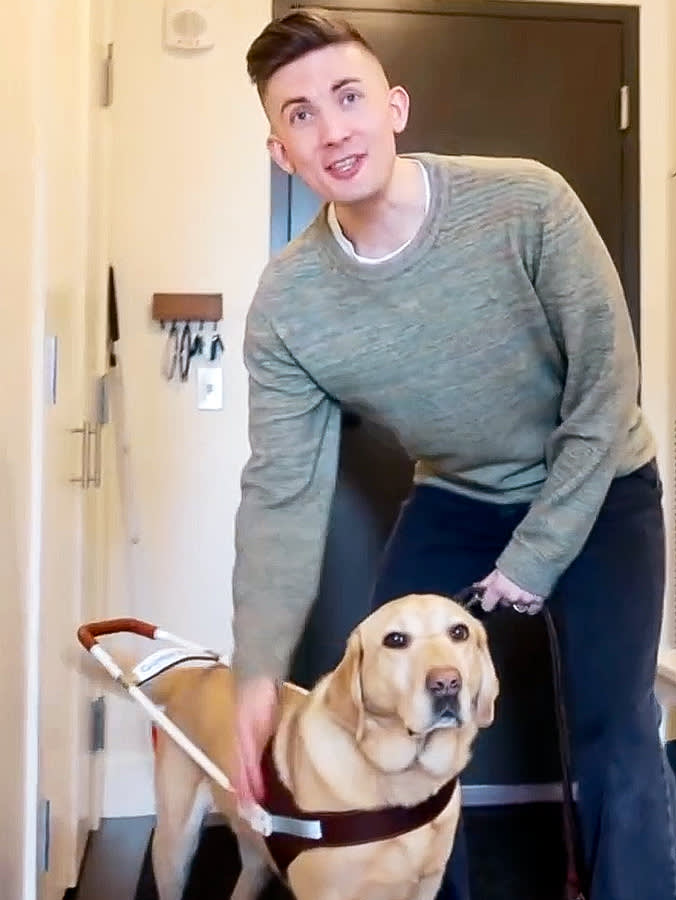
Paul Castle went out for a meal and ended up teaching millions of people federal disability law. In May 2024, the Seattle author and illustrator, who has built a large online following, posted a video describing how a restaurant in his own city refused to seat him because of his guide dog, Mr. Maple. The clip raced past three million views, and for good reason: almost everything the restaurant did was against the law.
What happened at the door
Castle is legally blind. Retinitis pigmentosa has taken about 90 percent of his vision, leaving him what he describes as a pinhole of sight. When a waiter stopped him and said no pets were allowed, Castle did more than the law requires. He explained that Mr. Maple was a working service dog and even pointed out the harness marked “Guide Dogs For The Blind.”
The waiter’s reply became the line everyone remembers: “You don’t look blind.” Castle patiently explained that many blind people retain some vision, that he could see the waiter through that pinhole. It didn’t matter. He offered to come back with Mr. Maple’s paperwork, again, more than any law asks of him, and was still refused. The encounter ended with the waiter threatening to call the police if Castle returned with the dog.
That threat is the part that turns a bad interaction into an illegal one.
What the ADA actually allows a business to ask
Here is the thing the waiter clearly did not know. Under the Americans with Disabilities Act, a business owner or employee is allowed exactly two questions when it is not obvious what a service animal does. They may ask whether the dog is a service animal required because of a disability, and they may ask what work or task the dog has been trained to perform. And that is the entire list.
What a business may not do is nearly everything the Seattle restaurant tried. It cannot ask about the nature of a person’s disability. It cannot demand medical records, a special ID card, or training certificates. It cannot require the dog to prove itself by performing its task on command. A handler carrying “paperwork” at all is already going beyond what the ADA requires, because no registration or documentation is legally necessary for a service dog in the first place.
“The two-question rule exists to protect a disabled person’s privacy, and most access problems come from staff who never learned it,” says Leila Torres. “If you run a business, train your team on those two questions and nothing more. If you’re a handler, you are allowed to simply answer them and walk in. You do not owe anyone your medical history or a folder of certificates.”
A business can lawfully ask a service-dog team to leave in only narrow circumstances: if the dog is out of control and the handler cannot regain control, or if the dog is not housebroken. There are rare settings where a service animal can be excluded because its presence would fundamentally change the nature of a program, the ADA’s own example is a zoo area where a dog might provoke the animals on exhibit, but an ordinary restaurant is nowhere near that exception.
Service dogs are not emotional support animals
Part of the confusion in the wild comes from lumping two very different things together. Service dogs are individually trained to perform specific tasks for a person with a disability, and they receive full public-access rights under the ADA. Emotional support animals, however comforting, are a separate category and do not carry the same right to enter restaurants, shops, and other public spaces. Mr. Maple is unambiguously the former.
This is not a rare story
Castle’s experience is common enough to be its own quiet crisis. In one Guide Dogs for the Blind survey, 83 percent of the people polled said they had been turned away from a service, rideshares in that particular study, on account of their working dog, and those refusals left handlers stressed, frustrated, and worn down. The organization has warned that the pattern is frequent enough that some people are second-guessing whether to get a guide dog at all, which is a heartbreaking place for a safety tool to land.
Castle chose education over punishment. He deliberately did not name the restaurant, and instead went back to speak with the waiter and the manager himself, framing it as a chance to teach rather than to shame.
What came next
The follow-up is the hopeful part. After the video spread, the restaurant’s manager met with Castle in person, apologized sincerely, and said he would do better at training his staff, which is exactly the outcome Castle said he wanted. The video kept working long after the meal: it has been used ever since as a plain-language explainer of service-dog rights, reaching far more people than any single restaurant’s policy ever could.
The lesson is simple and worth carrying into any doorway. If a person tells you their dog is a trained service animal, the law gives you two questions and no more. “You don’t look blind” is not one of them.
References
- ADA National Network. “Service Animals and the ADA.” Accessed July 2026. https://adata.org/publication/service-animals-booklet
- U.S. Department of Justice, ADA.gov. “Frequently Asked Questions about Service Animals and the ADA.” Accessed July 2026. https://www.ada.gov/resources/service-animals-faqs/
- KIRO 7 News. “Restaurant turns away man with guide dog.” May 2024. https://www.kiro7.com/news/local/guide-dog-blind-owner-face-discrimination-seattle/CK5GIWLHLJG4TLJOCT3BIXCQIY/
- Guide Dogs for the Blind. “Rideshare Access Survey.” Accessed July 2026. https://www.guidedogs.com/
James Okafor covers rescue, adoption, and the causes shaping animal welfare. His work follows the people and organisations working to give more pets a home, and the issues owners and advocates care about most.
Meet our experts ↗Keep reading
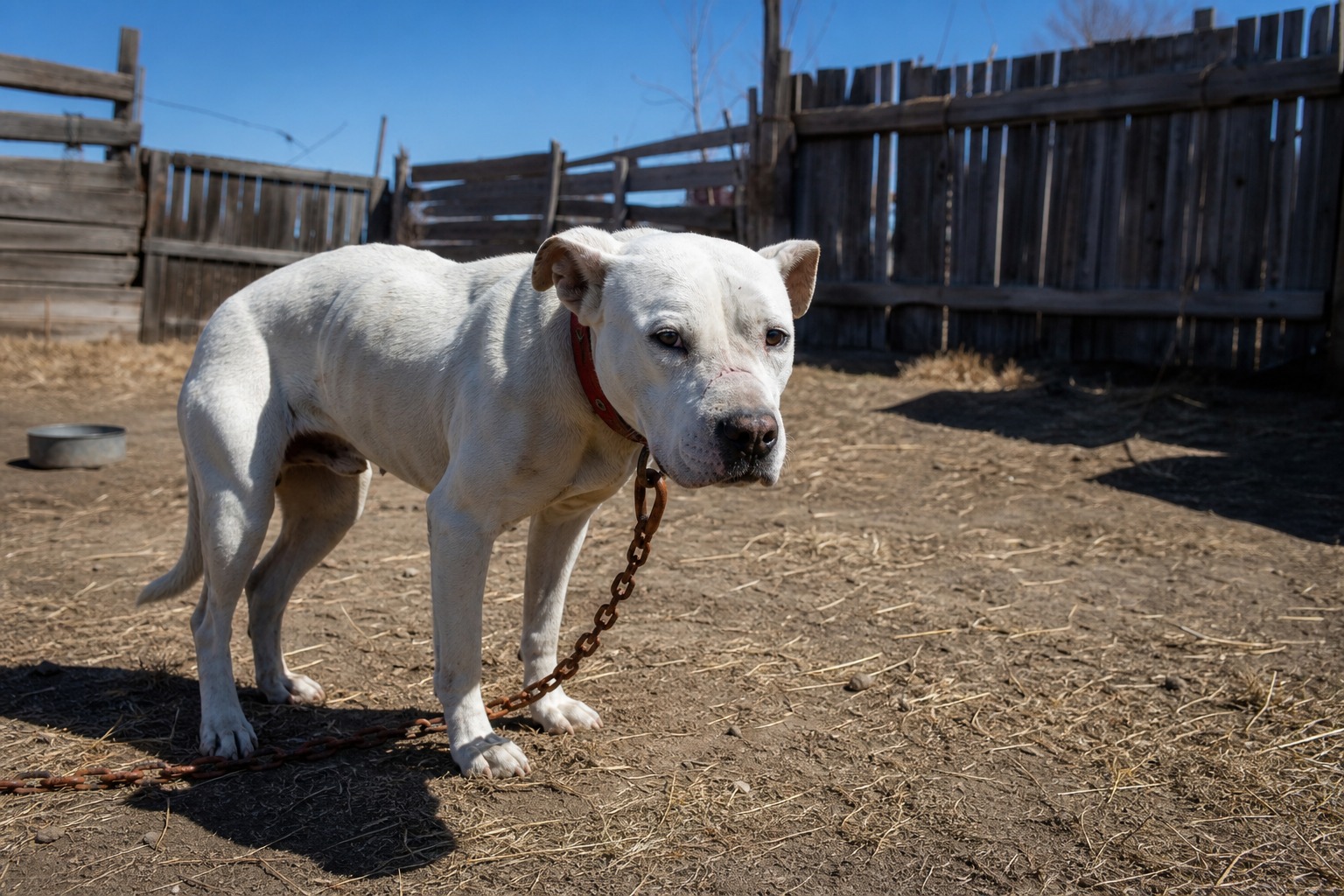 LivingA Drug Raid Opened a Door. Behind It: a Dogfighting Ring and a 9-Foot Alligator Fed on the EvidenceJames Okafor · 5 min
 LivingWhy Kids Read Better to a Dog Than to YouClaire Sutton · 5 min
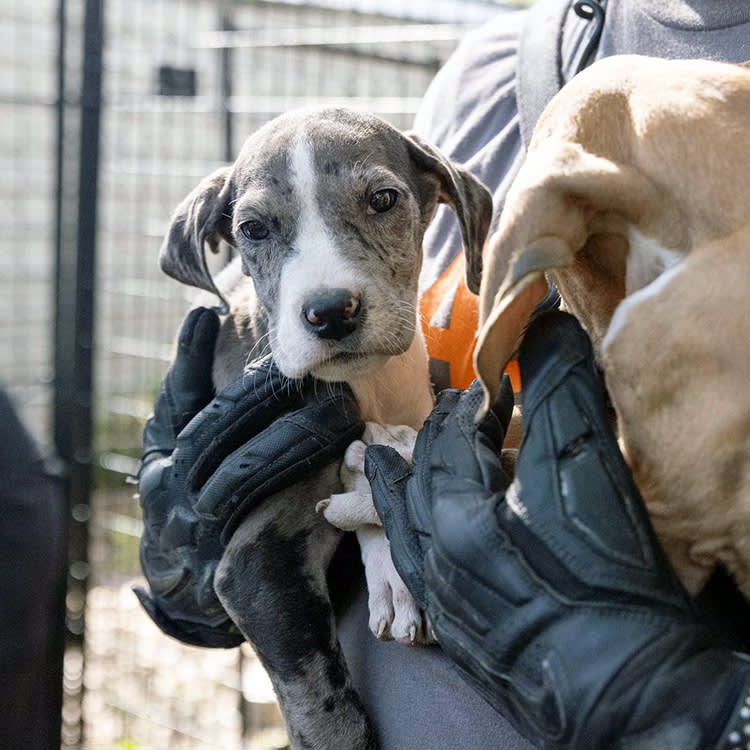 Living300 Dogs, Four States, One Month: The Rescue Machine Behind the HeadlinesLeila Torres · 5 min
 LivingOne Sleepover Makes a Shelter Dog 14 Times More Likely to Get AdoptedLeila Torres · 5 min
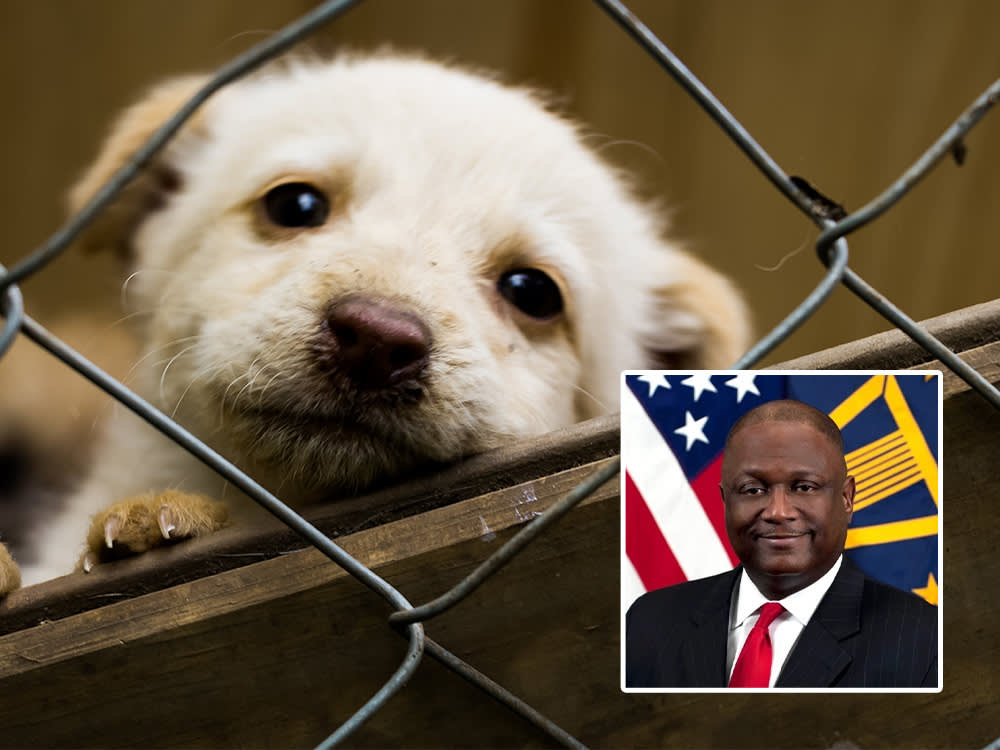 LivingHe Ran the Pentagon's Networks and a Dogfighting Ring. He Got 18 Months.Marcus Webb · 7 min
 LivingA Comment on Instagram Got a Two-Legged Street Dog a Mercedes WheelchairJames Okafor · 5 min