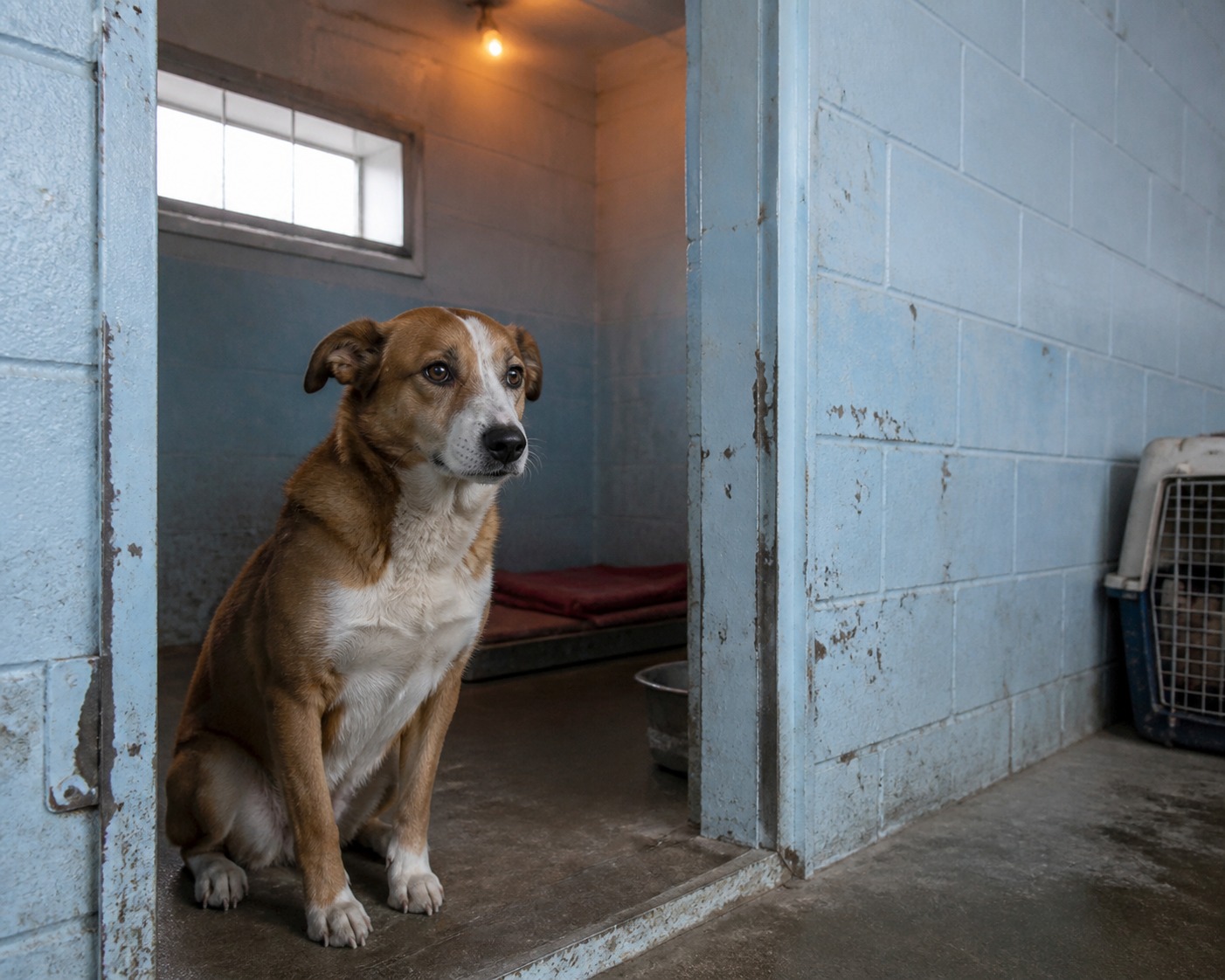
The phrase “less adoptable” describes a problem with us, not with the cat. The cats who wear that label are not lower quality, harder to live with, or less loving. They are simply the ones who lose a popularity contest run on first impressions, age, appearance, a scary-sounding diagnosis, or the inconvenience of coming as a pair. The cruel irony is that the very traits that get these cats overlooked are often the ones that make them exceptional companions.
Held the third week of September, Adopt a Less-Adoptable Pet Week exists to push back on exactly this. Its real value is not guilt; it is correcting a misconception, one that shelters themselves sometimes absorb, that nobody wants these animals. The data on adopter behavior says otherwise. Plenty of people actively seek out the cat with the harder story, once someone gives them the honest picture instead of the scary label.
“Shelters keep guessing on adopters’ behalf, quietly writing off the cats they assume nobody will ask about, and the guess keeps being wrong,” says Dr. Amara Solis, a feline-medicine veterinarian on our advisory roster. “Adopters are far more willing to take on a cat with a hard history or a special need than the shelter world gives them credit for. They just need accurate information, not a warning sticker.”
Below are the categories that most often get cats stuck in a kennel longer than they should be, along with what is actually true about each, and how to decide if one is right for you.
Senior cats: the most underrated adoption you can make
Kittens get scooped up fast, which leaves cats seven years and older waiting, often for the two reasons adopters say out loud: a worry about having less time together, and a fear of looming vet bills. Both deserve a real answer rather than a brush-off.
On time: cats are long-lived, and many sail well into their late teens or beyond, especially indoor cats with good care. A “senior” cat at seven or eight may have a decade ahead of them. On cost: it is true that any cat will eventually need medical care, but adopting a senior is not signing up for guaranteed expense. It is signing up for a known quantity, which is its own advantage.
That known quantity is the real selling point. A senior cat’s personality is already formed and on display. They are typically litter-trained, socialized to people and often to other animals, and a fraction as frenetic as a kitten. If you want a calm, affectionate lap cat, the surest way to get one is to adopt an adult who is already being a calm, affectionate lap cat in their kennel, rather than gambling on a kitten and hoping they turn out that way.
A practical note for anyone adopting any cat, but seniors especially: pet insurance is easier and cheaper to secure before a condition is diagnosed, so enrolling soon after adoption is a smart hedge against the bills people worry about.
”Special needs,” and the gap between fear and reality
The label “special needs” covers everything from a missing limb to mobility issues to a condition requiring daily medication, and it scares off more adopters than almost any other category. The fear, in nearly every case, is bigger than the reality. Cats are remarkable adapters. A three-legged cat or a cat with a chronic condition adjusts to their body and their home, and settles into a routine that, once established, is just a routine.
“Talk to adopters a year in, and almost all of them will tell you the special-needs cat was the best decision they made,” says Dr. Amara Solis. “The day-to-day is almost always more manageable than the diagnosis sounds on paper. And shelters, rescues, and foster homes are usually a goldmine of practical, this-actually-works advice, because they have been doing the care themselves.”
One condition unique to cats deserves a clear-eyed explanation, because the misinformation around it costs cats homes: feline immunodeficiency virus, or FIV.
What FIV really means
FIV is often confused with a death sentence. It is not. The virus is fragile and does not survive long outside the body, and it is not spread through shared food bowls, litter boxes, mutual grooming, or casual contact. It is transmitted almost exclusively through deep bite wounds, the kind that happen in territorial fights between unneutered outdoor cats. That means an FIV-positive cat kept indoors, or kept with non-aggressive housemates, poses very little risk to other cats, and FIV-positive and FIV-negative cats who get along can often live together safely. FIV-positive cats frequently stay symptom-free for many years and live long, full lives with normal care and a watchful eye for secondary infections. The diagnosis asks for sensible management, not heartbreak.
Bonded pairs: two cats, half the work
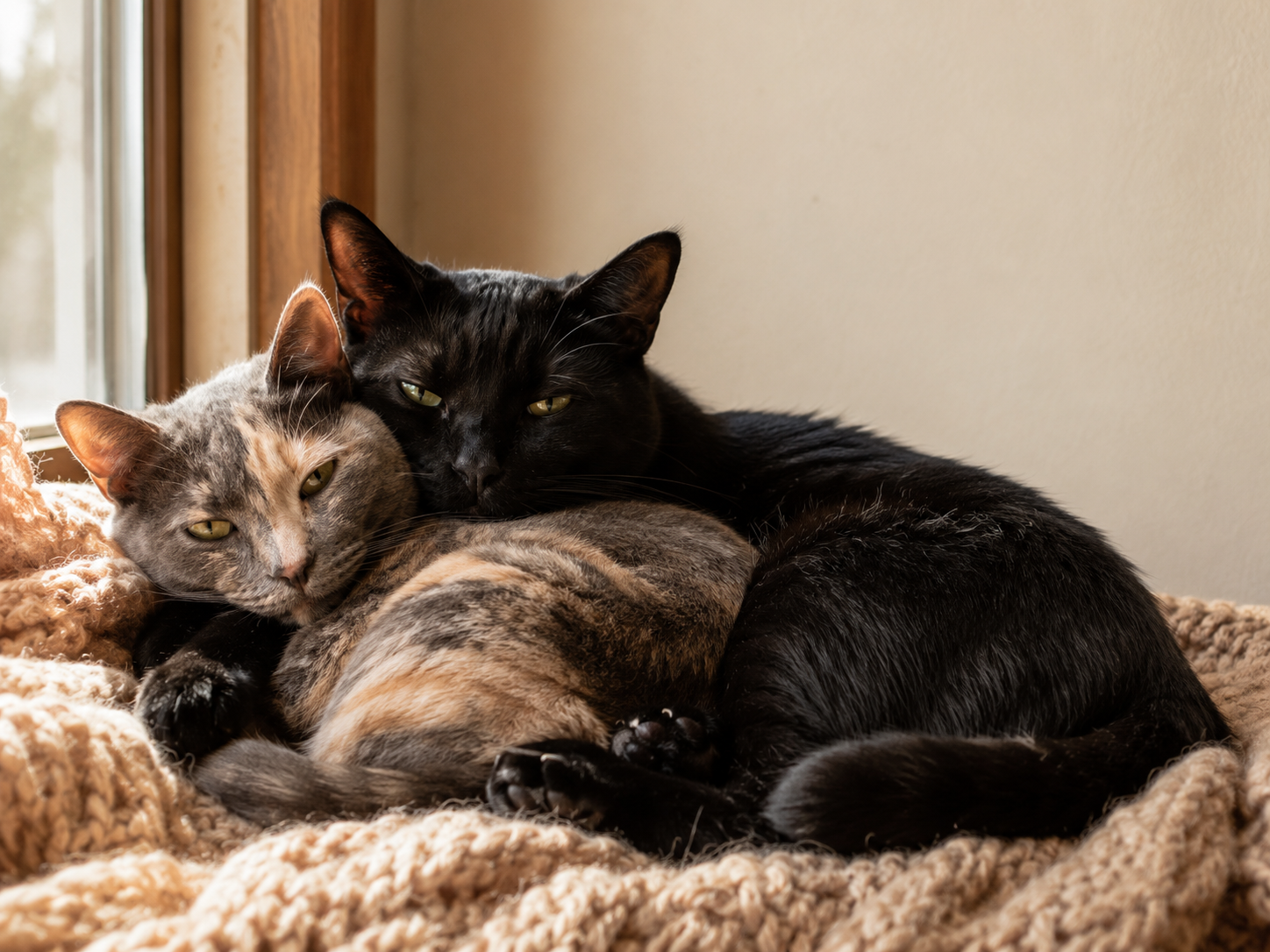
When two cats raised together, or who have lived together for years, become deeply attached, they form what shelters call a bonded pair. They spend most of their time in contact, and they often rush to each other in moments of stress. Good shelters work hard to rehome bonded pairs together, and this is not sentimentality.
“When two cats have fused their lives like that, separation is a medical event, not just a sad one,” says Dr. Amara Solis. “I have watched a cat refuse food and slide downhill fast after losing its other half. When a shelter insists a pair stays together, believe them.”
If you are unsure about doubling the cats you planned on, weigh the upsides honestly. A bonded pair entertains and comforts each other while you are out, which can mean less loneliness, less anxiety, and fewer behavior problems than a single cat home alone all day. They also tend to settle into a new home faster, because they arrive with their most important relationship already intact. And you get to empty two kennels instead of one.
Black cats: a stigma with no basis
Statistically, black cats and black dogs are adopted at lower rates, a pattern informally called “Black Cat Syndrome.” The causes are a mix of old superstition, pop-culture portrayals, and a surprisingly mundane modern factor: black fur is genuinely harder to photograph well, so a scroll through a shelter’s website skips quickly past the underexposed, hard-to-read photos. None of it reflects anything about the cats themselves.
There is a small, concrete thing that helps here, whether you are a shelter volunteer or a prospective adopter looking past the photos: black cats photograph beautifully in soft, indirect natural light, against a light background, with a catchlight in the eyes. Many a “plain” black cat in a bad kennel photo turns out to be striking in person. If a listing photo is doing a cat no favors, that is a reason to visit, not to scroll on.
What to actually ask before you adopt
The antidote to a scary label is good information, so go get it. Before committing to any cat the shelter has flagged, ask:
- What is this cat’s full medical history, and what does ongoing care realistically cost and involve?
- For a special-needs cat, what does a normal day look like, and what does this specific cat need from me?
- For an FIV-positive cat, what are the housing requirements, and can they live with my current cats?
- For a senior, what is their current health status and what should I watch for?
- For a bonded pair, how attached are they, and what happens if I can only take one (the answer should usually be that you take both or neither)?
- What support does the shelter or rescue offer after adoption, and can I reach back out with questions?
A shelter that answers these openly is handing you the picture you need to make a confident choice. That picture, not the label on the kennel card, is what should decide it.
Every cat is a special-needs cat, eventually
The deepest truth about the “less adoptable” framing is that it is temporary and universal. Every cat is an individual with their own quirks, and every cat, given a long enough life, will need something extra at some point. The cats waiting longest in shelters are not a separate, lesser category. They are just cats whose particular needs are visible upfront instead of arriving later. When you are ready for your next companion, look past the adorable kittens and consider the ones who have been waiting to be seen. One of them may be the best cat you ever have.