


Your Dog Has a Perfect Recall. It's Just Not to the Word 'Come.'
Your dog comes running for the can opener, the treat bag, and the word 'walk' every single time. That's a flawless recall you trained by accident. Here's how to reverse-engineer it into a reliable 'come', and the mistakes that quietly poison the cue.

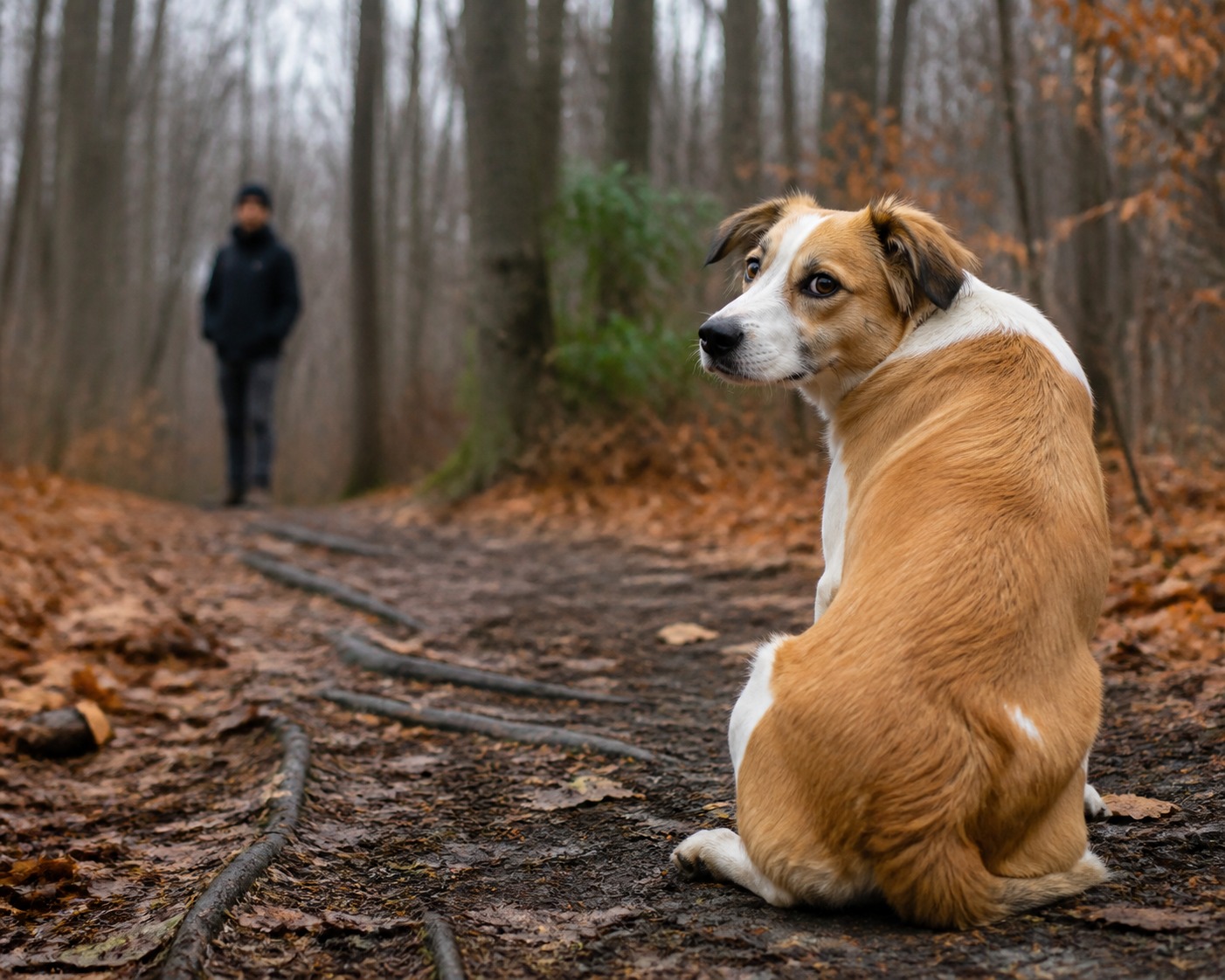
Ask most owners whether their dog knows how to come when called and they’ll sigh no. Then watch what happens when someone opens a bag of chips, picks up a leash, or says the word “walk.” The dog materializes instantly, from a dead sleep, across the house, every time. That is a flawless recall. Your dog absolutely has one. It just isn’t attached to the word you keep shouting across the park.
This is the reframe that changes everything about recall training. You don’t have a dog who can’t come when called. You have a dog who has already learned, with perfect reliability, to come to the cues that pay off, and you built that training without meaning to. Once you see how those accidental recalls got so strong, you can copy the recipe on purpose.
Why the accidental recalls work
Dogs do what works for them. That cheerful, joy-seeking approach to life is half of why we love them, and it’s exactly the lever recall training runs on. When your dog learned that the leash coming off the hook means a walk follows, approaching you the moment you touch the leash became automatic. When they learned the crinkle of the treat bag reliably ends in a treat, that sound started launching them across the room. The common thread is dependability: the signal predicts a good outcome, without exceptions.
Nobody is born knowing that the word “come” means “trot to my human, happily, right now.” It takes many repetitions for a dog to learn what the cue means and to respond the way we want. Expecting a dog to come simply because they’re a dog and you’re a person who wants them to is, when you say it out loud, a little unreasonable. The accidental recalls prove the point: they worked because they were trained well, even though no one was trying to train them.
The mistakes that quietly break “come”
Most recall failures aren’t the dog’s fault. They’re a slow poisoning of the cue, usually in one of a few ways.
The payoff is a letdown. When you don’t have a treat handy, it’s tempting to skip it and offer a flat “good girl, good girl” plus a pat on the head, which, worth knowing, most dogs don’t actually enjoy. Or you reward with plain kibble or a dry biscuit when your dog was hoping for something meaty and rich. Think of your own reaction to a stalk of celery versus a warm brownie. Only one of those changes your day.
Coming leads somewhere worse. A dog will race in beautifully only to be led from the fun of the yard into a long, dull stretch alone indoors. Or you call them and then produce a bath or a nail trim. Do that a few times and “come” stops meaning “good things” and starts meaning “warning: this is your last chance to avoid something you hate.” A smart dog responds accordingly, by keeping their distance.
In these cases the word isn’t broken so much as it’s been taught to mean the opposite of what you want. The dog isn’t defiant. They’re paying attention.
Reverse-engineer the good recall
Two moves rebuild it. The first is simply to train an intentional recall the same way the accidental ones happened: pick a cue and make something genuinely good follow it, consistently, until the association is airtight.
The second is a shortcut trainers call transferring a cue, which means teaching a new signal by pairing it with one the dog already obeys. If your dog reliably comes to the sound of the treat bag opening, start saying “come” every single time, just before you open it, then reward them when they arrive. After enough repetitions, “come” predicts the treat-bag sound, which predicts the treat, until the word alone carries the whole meaning and you no longer need the bag at all. The cue has been transferred.
Here’s the short version to keep in your head.
Do:
- Make recall training a real priority, not an afterthought.
- Figure out what genuinely motivates your dog, and use it.
- Pair the cue with your dog’s favorite things aiming for a 100 percent link between the word and something great.
- Reward with top-quality payoffs, and keep them varied. Sometimes a treat, other times a toy, a walk, a chew, or a total surprise.
Don’t:
- Assume your dog will come without being taught.
- Use your dog’s name as the recall signal, since it carries no real instruction.
- Ever call your dog to come for something they’ll find unpleasant.
What newer research adds
The old debate over how to enforce recall has largely been settled in favor of the reward-based approach, and it’s worth knowing why. A University of Lincoln study compared electronic (shock) collar training against reward-based methods for dogs with recall and chasing problems, and the reward-based training reached the same results without the welfare concerns that come with delivering shocks. Several countries have since restricted or banned e-collars outright.
What has replaced the shock collar in modern training isn’t a gadget but a rope. A long training line, typically around 30 feet for parks and general practice and 50 to 100 feet for open fields and advanced proofing, gives a dog the feeling of freedom while you keep a physical safety net. The method is consistent with everything above: you build the recall on a known cue up close, add distance and distractions gradually on the long line, and pay generously every time, rather than punishing the misses. Reliability comes from making yourself worth returning to, not from making leaving hurt.
When an owner tells me their dog is stubborn about coming, I ask what happens right after the dog gets to them, and nine times out of ten the answer is the problem. If ‘come’ has ever meant the fun stopped or a bath started, you’ve taught your dog that the smart move is to stay away. Fix the payoff, protect the word, and use a long line while you rebuild trust, and the stubbornness usually evaporates.
References
Common questions
Why does my dog come for the treat bag but ignore me when I call?
Because the treat bag reliably predicts something great and the word 'come' often doesn't. Your dog learned the crinkle means food, with no exceptions. If 'come' sometimes means a treat and sometimes means the fun ends or a bath begins, it's a gamble, and your dog plays the odds.
Should I use my dog's name to call them?
Not as the recall cue itself. A name is attention-getting but carries no instruction, so it doesn't tell your dog what to do. Use a dedicated word like 'come' that you pair specifically with returning to you, and keep it clean of any bad associations.
Is a shock collar the fastest route to a reliable recall?
Research doesn't support that. A University of Lincoln study found reward-based training reached the same recall results as electronic collars without the welfare downsides, and several countries have restricted the devices. A long line plus high-value rewards is the safer, well-evidenced path to off-leash reliability.
Dr. Park is a board-certified emergency and critical care specialist. She reviews our health and safety content for clinical accuracy and contributes guides on recognising urgent conditions. Her focus is helping owners act quickly and correctly when it matters most.
Meet our experts ↗Keep reading
 TrainingYour Dog Isn't Being Bad. Your Christmas Tree Just Looks Like an Indoor Bush.Dr. Nina Kohl · 6 min
 TrainingYour Dog Isn't Stubborn. Your House Has Six Sets of Rules.Dr. Priya Nair · 7 min
 TrainingYour Dog's Side Should Be the Best Seat in the HouseDr. Nina Kohl · 8 min
 TrainingYour Dog Doesn't Fail at Restaurants. They Fail in the First 90 Seconds.Dr. Nina Kohl · 7 min
 TrainingYour Dog Pulls Because Pulling Works. Stop Paying for It.Dr. Mara Chen · 6 min
 TrainingAnti-Bark Devices Don't Stop Barking. They Punish a Sentence You Can't ReadSasha Ford · 7 min