


Your Cat's Paws Feel Everything. That's Why the Tin Foil Trick Fails.
Cats aren't being fussy about textures, they're reading the floor with paws packed full of nerve endings. Here's what your cat is actually feeling underfoot, and why the famous tin foil hack usually flops.

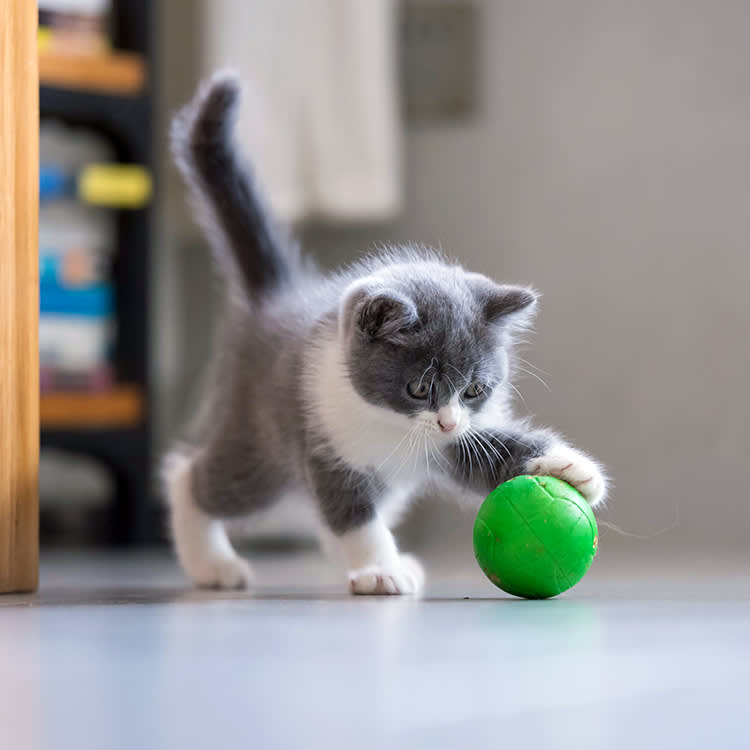
Ask the internet how to keep a cat off the counter and someone will tell you to lay down a sheet of tin foil. Then you try it, and your cat strolls across it like it owes them rent. The trick fails so often for one reason: it misreads what a cat’s paw is doing. A paw is not just a foot. It is one of the most sensitive instruments your cat owns, and once you understand what it is picking up, their so-called pickiness starts to look like plain good sense.
The paw is a sensor, not just a foot
The pads on the bottom of a cat’s foot are dense with nerve endings, which is why cats reach out and tap something unfamiliar before committing to it, the way we poke at a mystery object with a fingertip. Their skin and coat run sensitive too. That sensitivity is the same reason a slow chin scratch can send one cat into a puddle of purrs while an identical touch sends another skittering off, over-stimulated.
A cat’s paw is closer to a hand than a hoof. They are gathering real information every time they step, so when a cat refuses a surface, they are not being difficult, they are telling you the surface fails some test that matters to them.
So texture, to a cat, is rarely about fashion. It is about two things: can I trust my footing here, and does this feel safe against my skin.
What cats reach for
Given the choice, most cats gravitate toward soft, forgiving materials, fleece, a folded blanket, a down duvet, a plush rug, anything they can knead into without a fiber snagging their claws. They also like surfaces they can grip. A cat wants to be able to launch in any direction on a half-second’s notice, and a claw-catching surface lets them do that. A slick floor takes that option away, which is why a nervous cat will sometimes hug the walls of a shiny hallway or freeze at the edge of a tile floor rather than trot across the open middle.
Cool matters too. A cat sprawled on the hardwood or a stretch of cardboard may not love the texture so much as the temperature; smooth surfaces shed heat, and a warm cat will happily trade grip for a cool belly.
What makes them recoil
The flip side is a short, consistent list of textures cats tend to avoid. Anything unstable or slippery reads as a threat to their footing. Plastic gets a hard pass from a lot of cats, even ones who will happily gnaw on it, so a strip of plastic carpet-runner spikes or a smooth plastic mat can genuinely discourage scratching in a spot. And sticky, pointy, or nubby things are deeply unpleasant against those loaded pads. Even rounded bumps can feel sharp to a foot that sensitive, which is exactly why people scatter spiky mats on windowsills and counters.
Here is the catch, and the reason the tin foil hack is hit or miss. Deterrents only work if the cat finds them genuinely aversive, and cats disagree. Crumpled foil is crinkly and sharp-edged, and some cats hate that. Laid flat, foil is just a cool, smooth sheet, which is to say, not remotely offensive to a creature that likes cool, smooth things. If half the internet says foil works and the other half says it does nothing, both halves are right, they just have different cats.
Litter is the highest-stakes texture in the house
If there is one texture worth getting right, it is the one your cat stands in several times a day. When a cat starts eliminating outside the box, the litter itself is one of the first things to interrogate. Cats descend from desert animals, and the fine, sandy, small-grain textures echo the substrate their ancestors dug in. Coarse pellets, crystals, or big gravel feel wrong under a paw built for sand, and plenty of “behavior problems” evaporate the moment the litter gets softer.
One more litter-box detail earns its own warning: the ridged plastic grate at the mouth of many hooded boxes, the one meant to knock stray granules off exiting paws. Most cats hate stepping on it. They will often hop it on the way out, defeating the point, and a few will resent the whole box because of it. A washable plush mat in front of the box does the same job on a texture your cat will actually tolerate.
They’re picky eaters for the same reason
The texture rule extends to the food bowl. Pâté, shreds, chunks, gravy, kibble, raw, each has a mouthfeel, and a cat who adores one will frequently snub the rest, even the same flavor from the same brand. A lot of that preference is set in kittenhood, so the fix for a picky adult is often to widen the menu early. If a formerly enthusiastic eater goes lukewarm, try switching the texture before you assume they are sick, though a sudden, lasting appetite change is always worth a vet call.
What newer research adds
Feline sensory science keeps confirming what attentive cat owners already suspected: cats are individuals, and their tactile and flavor preferences vary widely from cat to cat rather than following one universal rulebook. Recent work on feline taste and texture preferences has pushed pet-food makers to formulate for that fussiness rather than against it, which is why “texture variety” packs now exist. The practical takeaway has not changed, though. Watch your own cat, offer them soft places to land and grippy places to climb, and let their paws vote.
The upshot is simple. A cat who avoids a surface, dodges a mat, or boycotts the box is not staging a protest. They are running the numbers with equipment far more sensitive than yours, and once you give them textures that pass the test, most of the drama quietly disappears.
References
- Cornell Feline Health Center. “Feeding Your Cat.” Cornell University College of Veterinary Medicine. https://www.vet.cornell.edu/departments-centers-and-institutes/cornell-feline-health-center
- International Cat Care. “Litter and Litter Trays.” https://icatcare.org/advice/litter-and-litter-trays/
- ASPCA. “Litter Box Problems.” https://www.aspca.org/pet-care/cat-care/common-cat-behavior-issues/litter-box-problems
Dr. Kohl is a board-certified veterinary dentist with a particular interest in preventive oral care. She reviews all dental health content at The Pet Times and contributes practical guides on home dental routines, professional cleaning, and oral disease prevention.
Meet our experts ↗Keep reading
 TrainingYour Cat Remembers More Than You Think, Especially the Things You Wish They'd ForgetDr. Mara Chen · 6 min
 TrainingYour Cat Isn't Aloof, Waterproof, or Low-Maintenance: 8 Myths to RetireDr. Nina Kohl · 8 min
 TrainingYour Sleeping Cat Is Twitching. Dream, or Something to Worry About?Dr. Priya Nair · 6 min
 TrainingScientists Pitted Kittens Against Puppies at Math. The Kittens Won.Dr. Mara Chen · 4 min
 TrainingCalico 'Cattitude' Is Half Myth. Science Found the Other Half.Dr. Nina Kohl · 5 min
 TrainingIntroducing Two Cats? Go Slower Than You ThinkDr. Nina Kohl · 7 min