


Your Cat's Litter Box Is a Daily Health Report. Learn to Read It.
Color, consistency, contents, and smell each tell you something different about your cat's insides. Here's how to read the scoop like a vet.

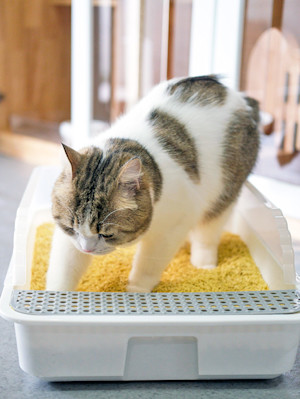
Nobody scoops the litter box for fun. But since you are already down there twice a day, you are sitting on one of the most useful, most overlooked health tools you have. Your cat cannot tell you their stomach hurts or that something is off in their gut, so their poop does the talking. The trick is knowing how to read it, and the good news is that it follows a logical order: color, consistency, contents, size and shape, then smell. Work through those four or five signals and you can often catch a problem days or weeks before it becomes an emergency.
The baseline: what normal looks like
Before you can spot trouble, you need to know what healthy looks like. Normal cat poop is medium to deep brown, shaped like a small sausage, and formed but not so firm that your cat has to strain to pass it. A little day-to-day variation is expected. What you are watching for is a consistent, meaningful change from your cat’s own normal.
Signal 1: Color
The shade of brown can shift a little depending on the individual cat, their diet, and how long the poop has been drying in the box. But clear color changes are worth paying attention to.
- Black or tarry: This is melena, the medical term for digested blood. It points to bleeding higher up in the digestive tract, such as the esophagus, stomach, or early small intestine, where blood gets darkened as it travels. Causes include bleeding ulcers, tumors, hookworms, or clotting problems.
- Red streaks: Bright red blood, called hematochezia, means bleeding lower down, in the colon, rectum, or anus. It can signal severe inflammation, intestinal parasites, cancer, or trauma.
- Gray: Gray, greasy stool can indicate a problem with the pancreas or gallbladder. Gray and dry stool sometimes shows up in constipated cats.
- Green, yellow, or orange: A tinge of these colors can point to liver or gallbladder disease, parasites, or an infection.
Signal 2: Consistency
Poop should be firm enough to come out in formed pieces but soft enough to pass easily. Stress or a diet change can loosen things up briefly, and that should resolve quickly. Persistent changes are the concern.
- Watery: When the digestive tract is inflamed, it cannot absorb water well, which leads to diarrhea. Causes include intestinal parasites, digestive disease, and bacterial or viral infections.
- Soft or mushy: Often the result of a mild upset stomach from stress, a diet change, or eating something they shouldn’t have.
- Hard: Dry, hard stool suggests dehydration or constipation. Dehydration is the number one cause of constipation in cats, and it can stem from low water intake, fluid loss from vomiting or diarrhea, certain medications, too little fiber, or box avoidance. For senior cats especially, arthritis pain can make a cat skip the box, which raises constipation risk.
Signal 3: Contents
Healthy poop contains poop and nothing else. Anything extra is a flag.
- Worms: Tapeworms and roundworms can show up in the stool, especially with a heavy burden. Tapeworm segments look like small, white, rice-like pieces and are linked to flea ingestion. Roundworms are long, thin, and spaghetti-like.
- Foreign material: Non-food objects mean your cat is eating things they shouldn’t, which risks a dangerous obstruction that often requires surgery. Prevention is far better than the alternative, so tighten up what your cat can reach.
- Hair: A little swallowed hair from grooming is normal. Noticeable wads of fur, especially alongside hair loss, can signal overgrooming driven by allergies, parasites, stress, or anxiety.
Signal 4: Size and shape
Poop should generally hold a cylindrical shape.
- Small pellets: Straining that only produces little pellets can mean constipation.
- Ribbon-shaped: Thin, flat strips can indicate a narrowed colon, which can occur with severe inflammation, anal gland issues, or cancer.
Signal 5: Smell
No one loves the smell, but it should not be so offensive that it makes you gag. A strong, foul odor often points to intestinal parasites or bacterial overgrowth. Certain protozoal infections, in particular, produce a distinctly worse smell than ordinary cat poop.
When it adds up to a problem
Abrupt changes in stool often signal an underlying digestive issue. When the poop looks off, widen your attention to your cat’s food and water intake, energy level, and litter box habits. The signs worth acting on include color changes, consistency changes, foreign material, visible parasites, unusually frequent defecation, and straining to go.
What causes these changes
Not every digestive problem starts in the gut. Common causes include:
- Dietary changes: Any diet change can upset digestion, even switching between two high-quality foods. Ease the transition over seven to 10 days.
- Food allergies or intolerances: Sensitivity to specific proteins or ingredients can cause diarrhea, vomiting, gas, and itchy skin.
- Parasites: Any intestinal parasite can inflame the gut and cause soft stool or diarrhea, the most common sign of worms. Some, like hookworms, feed on blood and change stool color; roundworms and tapeworms can be visible.
- Stress: Stress can cause temporary stomach upset, especially in cats prone to irritable bowel issues. New people, new pets, and big routine changes are frequent triggers.
- Dietary indiscretion: Cats are not as innocent as their reputation suggests. Insects, plants, garbage, and random objects can all cause gastroenteritis.
- Inflammatory bowel disease: Chronic inflammation of the digestive tract can cause diarrhea, bloody stool, vomiting, and weight loss.
- Organ disease: Kidney disease, liver disease, and pancreatitis can all cause loose stool, vomiting, and poor appetite.
- Cancer: Certain cancers invade the digestive tract walls or form tumors that impair digestion and the passage of stool.
How vets get to the bottom of it
When changes are persistent or dramatic, it is time for a vet, and this is where your at-home observations become genuinely valuable. Knowing that your cat went from normal habits to foul, loose stool five times a day is exactly the history that guides testing. Because so many issues can cause the same symptoms, your vet may recommend a physical exam, a fecal exam, blood work, imaging such as X-rays or ultrasound, endoscopy, or an intestinal biopsy.
The single most useful thing an owner can bring me is a clear before-and-after. A photo of what changed and a sense of when it started narrows my search dramatically. You are the one seeing every deposit in that box, so you are effectively the first line of screening for a lot of serious disease.
Keeping digestion healthy
Prevention beats diagnosis. To support steady digestion:
- Feed a high-quality, balanced diet suited to your cat’s age, lifestyle, and health.
- Keep fresh water available at all times.
- Scoop and clean the box regularly so your cat does not start avoiding it.
- Watch the color, consistency, and contents each time you scoop.
- Stay current on deworming and preventive care.
- Keep your cat’s environment as low-stress as you reasonably can.
- Offer a low-sided box for cats with arthritis or other orthopedic issues.
What newer research adds
If your cat has chronic diarrhea that just will not clear up, one parasite deserves a specific mention because it is more common than many owners realize and easy to miss. Tritrichomonas foetus is a single-celled protozoan that causes recurrent, cow-pie-like diarrhea often streaked with fresh blood and mucus. A study of feline stool samples collected between 2020 and 2024 detected it in about 10.6 percent of cats tested, with the highest rate, nearly 15 percent, in cats under a year old. It is frequently confused with Giardia on a routine fecal smear, and the two can even occur together, so a cat that does not respond to Giardia treatment is a candidate for further testing.
The practical update is about diagnosis. The most reliable way to identify T. foetus is a specialized fecal PCR test, and it is most accurate when the cat has been off antibiotics for at least two weeks, because antibiotics can temporarily suppress the organism and cause a false negative. If you have a young cat or a multi-cat home battling stubborn diarrhea, it is worth asking your vet specifically about PCR testing rather than assuming a standard fecal check has ruled everything out.
Bottom line
Your cat’s poop is a surprisingly detailed status report on their health. Healthy stool is well-formed, medium brown, and free of anything but poop. Changes in color, consistency, contents, or smell can be your earliest warning of a digestive, dietary, or deeper health problem. You do not need to become squeamish about it, just observant, and to loop in your vet whenever something looks genuinely off.
References
- Branam, Ed. “Symptomatic Management of Primary Acute Gastroenteritis in Dogs and Cats.” Today’s Veterinary Practice, 28 Nov. 2015. todaysveterinarypractice.com/gastroenterology/6716-2
- Gookin, Jody L., et al. “Feline Tritrichomonas foetus Infection.” Today’s Veterinary Practice. todaysveterinarypractice.com/parasitology/feline-tritrichomonas-foetus-infection
- “Prevalence of Tritrichomonas foetus Among Cats in Poland Between 2020 and 2024.” Pathogens, 2025. ncbi.nlm.nih.gov/pmc/articles/PMC12114666
- “Fecal PCR Test for Tritrichomonas foetus.” Texas A&M Gastrointestinal Laboratory. vetmed.tamu.edu/gilab/service/assays/tritrichomonas
Common questions
What does black cat poop mean?
Black or tarry stool, called melena, can mean digested blood from the upper digestive tract, such as the stomach or early small intestine. It can be caused by bleeding ulcers, tumors, hookworms, or clotting problems, and it warrants a prompt vet visit.
When should I take my cat to the vet about their poop?
See a vet if changes in color, consistency, or smell persist beyond a day or two, if you see blood, worms, or foreign material, or if the poop change comes with vomiting, low appetite, low energy, or straining. Sudden dramatic changes are worth investigating even if your cat seems otherwise fine.
Not a substitute for your vet. Our guidance is educational. For urgent symptoms, contact a vet or emergency clinic right away. Editorial standards
Dr. Kohl is a board-certified veterinary dentist with a particular interest in preventive oral care. She reviews all dental health content at The Pet Times and contributes practical guides on home dental routines, professional cleaning, and oral disease prevention.
Meet our experts ↗Keep reading
 FoodYour Senior Cat Isn't Picky. The Food Is the Wrong Temperature.Dr. Mara Chen · 7 min
 Health & WellnessCats Are America's Most Rabid Pet. The Indoor Ones Aren't Exempt.Dr. Ravi Mehta · 8 min
 Health & WellnessCat Anal Gland Leaks Are a Symptom, Not the DiseaseDr. Lena Park · 8 min
 Health & WellnessYour Cat's Rusty Eye Stains Aren't Cosmetic. And the Popular Fix Can BackfireDr. Ravi Mehta · 7 min
 Health & WellnessYour Cat Isn't Being Spiteful. Almost Every 'Bad Cat' Behavior Is Anxiety.Dr. Priya Nair · 9 min
 Health & WellnessYour Cat Is Scooting: Is It Really the Anal Glands?Dr. Mara Chen · 13 min