


The 6 Cities With More Dogs Than Kids Share One Thing (Not What You Think)
It's easy to read 'more dogs than children' as a generation opting out of parenthood. The census data tells a quieter story about space and housing. Here are the six cities, and what actually explains them.

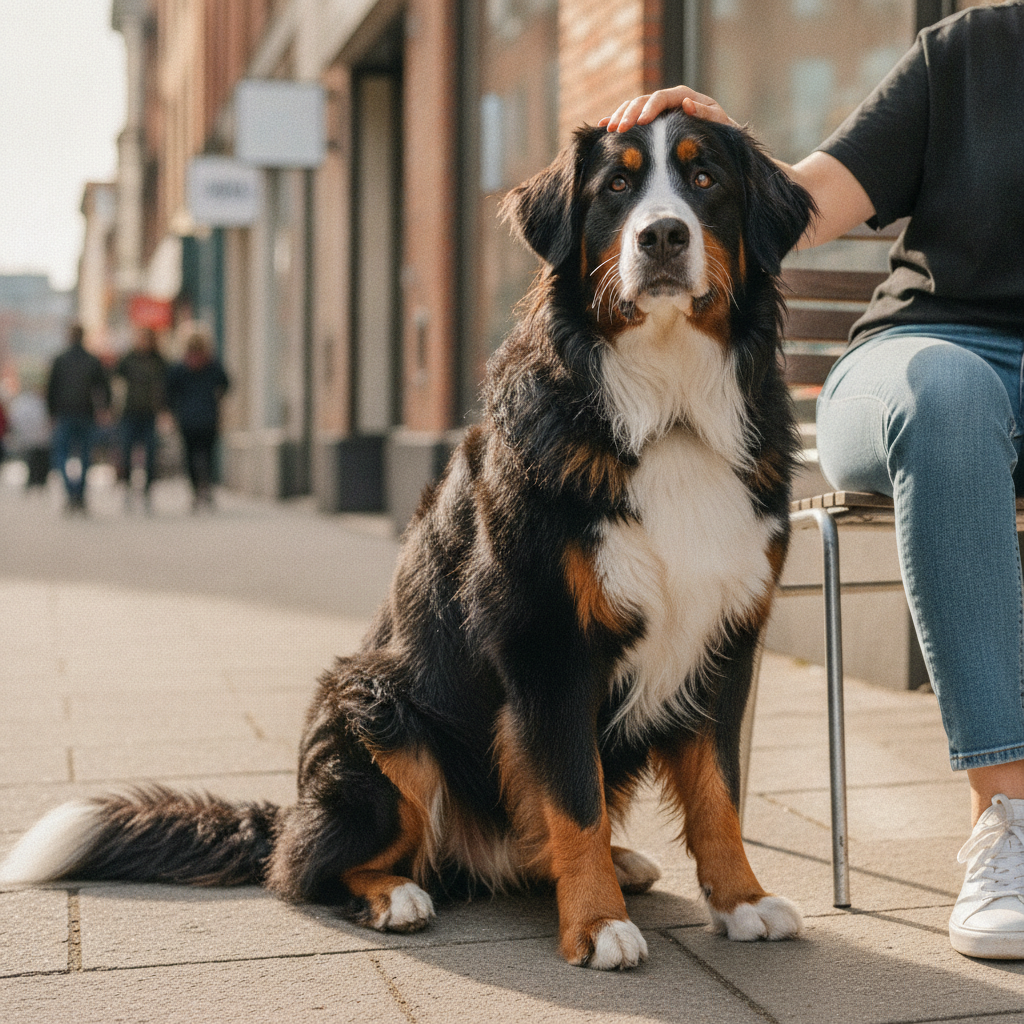
“More dogs than children” is the kind of statistic that writes its own headline: a generation swapping strollers for leashes, choosing pups over parenthood. It is a tidy story, and it is mostly wrong, or at least it explains the wrong thing. When analysts pulled census data for 15 of the country’s largest metro areas, comparing households with kids under 18 to households with dogs, the six cities that tipped toward dogs were not united by a rejection of family life. They were united by something far more boring and far more predictive: room. Specifically, the kind of room a single-family home with a yard provides.
That is the quiet finding underneath the viral one. The cities where dogs outnumber kids are the cities where it is easy to have a dog, because the housing stock leans toward houses rather than apartments. Falling birth rates are real, and the U.S. rate did hit its lowest point since 1976 in 2020, but demographers are clear that pets are not the cause. The drivers of fewer children are economic and social. What the dog-versus-kid map actually charts is geography. Keep that in mind as you read the list, because the ranking makes a lot more sense as a story about space than as a story about choices.
The six cities where pups outnumber kids
Riverside, California
Riverside took the top spot, and it fits the theory perfectly. About 50 miles from downtown Los Angeles, it is sprawling and house-heavy, so its dogs have room to roam. Almost half of Riverside residents have dogs, while under 40 percent have kids.
Phoenix, Arizona
Phoenix has fewer dogs overall but an even wider gap, roughly 45 percent of residents with dogs versus just over 30 percent with kids. A famously spread-out, single-family metro, exactly the profile the housing theory predicts.
Dallas, Texas
The race is tighter in Dallas: over 40 percent of residents have dogs, but nearly 40 percent have kids too. A big, growing metro with room for both.
Detroit, Michigan
Detroit lands fourth. Fitting for the Motor City, and fitting for the pattern, a region defined by detached homes rather than dense apartment blocks.
Seattle, Washington
Seattle ranks fifth. Rainier and greener than the Sun Belt entries, but still a metro where a lot of households have the yard space a dog wants.
Philadelphia, Pennsylvania
Philly had a close race, just over 30 percent of households with dogs and about 30 percent with kids, the narrowest margin on the list.
The San Francisco myth, corrected
You have probably heard that San Francisco has more dogs than children. It is one of the most-repeated pet stats in America, and the data did not back it up. San Francisco actually landed tenth, behind Los Angeles, with more households reporting kids (about 30 percent) than dogs (about 25 percent). New York City has fewer dogs still, around 22 percent of households. The reason tracks the same theme in reverse: dense, apartment-heavy cities make dog ownership harder, so their dog numbers run lower even when their residents adore dogs. The myth persists because it feels true in a city full of dog-friendly cafés, but felt-true and measured-true are not the same thing.
What the map is really telling you
Read this way, the list stops being a referendum on parenthood and becomes a map of American housing. The cities at the top share detached homes and yards; the cities that miss the cut skew toward apartments. That does not make the cultural shift imaginary, more than half of American households now include a dog, and the “pet parent” identity is thoroughly mainstream, showing up in workplace policies and soaring pet-health spending. But the specific fact that certain cities cross the dogs-beat-kids line is best understood as a story about square footage, not sentiment. The analysis also only measured metro areas, so smaller, roomier towns might out-dog every city on this list. Wherever you land, if you are leaning kibble over formula, you are in very common company, and probably in a place with a decent backyard.
References
- The Economist. “These American Cities Are Obsessed With Dogs.” https://www.economist.com/united-states/2024/02/22/these-american-cities-are-obsessed-with-dogs
- U.S. Census Bureau. “American Community Survey.” https://www.census.gov/programs-surveys/acs
- American Veterinary Medical Association. “U.S. Pet Ownership Statistics.” https://www.avma.org/resources-tools/reports-statistics/us-pet-ownership-statistics
Jordan Ellis is a certified professional dog trainer with a decade of experience working with rescue organisations and private clients. They specialise in anxiety, reactivity, and positive reinforcement methods, and review all training and behaviour content at The Pet Times.
Meet our experts ↗Keep reading
 LivingYour Dog Is Not Your TherapistDr. Ravi Mehta · 7 min
 LivingYou Want a Lapdog, Your Partner Wants a Mount. The Dog You Fight Over Is Rarely the One You GetLeila Torres · 8 min
 LivingWhat Happens When a Furniture Designer Decides Your Dog's Gear Is Built WrongLeila Torres · 5 min
 LivingMeet Luna, the Dachshund Who Runs Security at NYC's Most Radical JewelerJordan Ellis · 5 min
 LivingThey Came to Shoot a TV Show. They Left Having Saved 14 Dogs.Sara Lim · 6 min
 Training'Gentle Parenting' Your Dog Isn't Permissive. That's the Part People Get Wrong.Dr. Nina Kohl · 9 min