


Before You Get a Second Dog, Let Your First Dog Cast the Deciding Vote
A second dog is usually pitched as a gift to your current dog. Sometimes it is, and sometimes it is the opposite. Here is an honest decision framework, the real ongoing costs, and the introduction method that gives a new pairing its best shot.

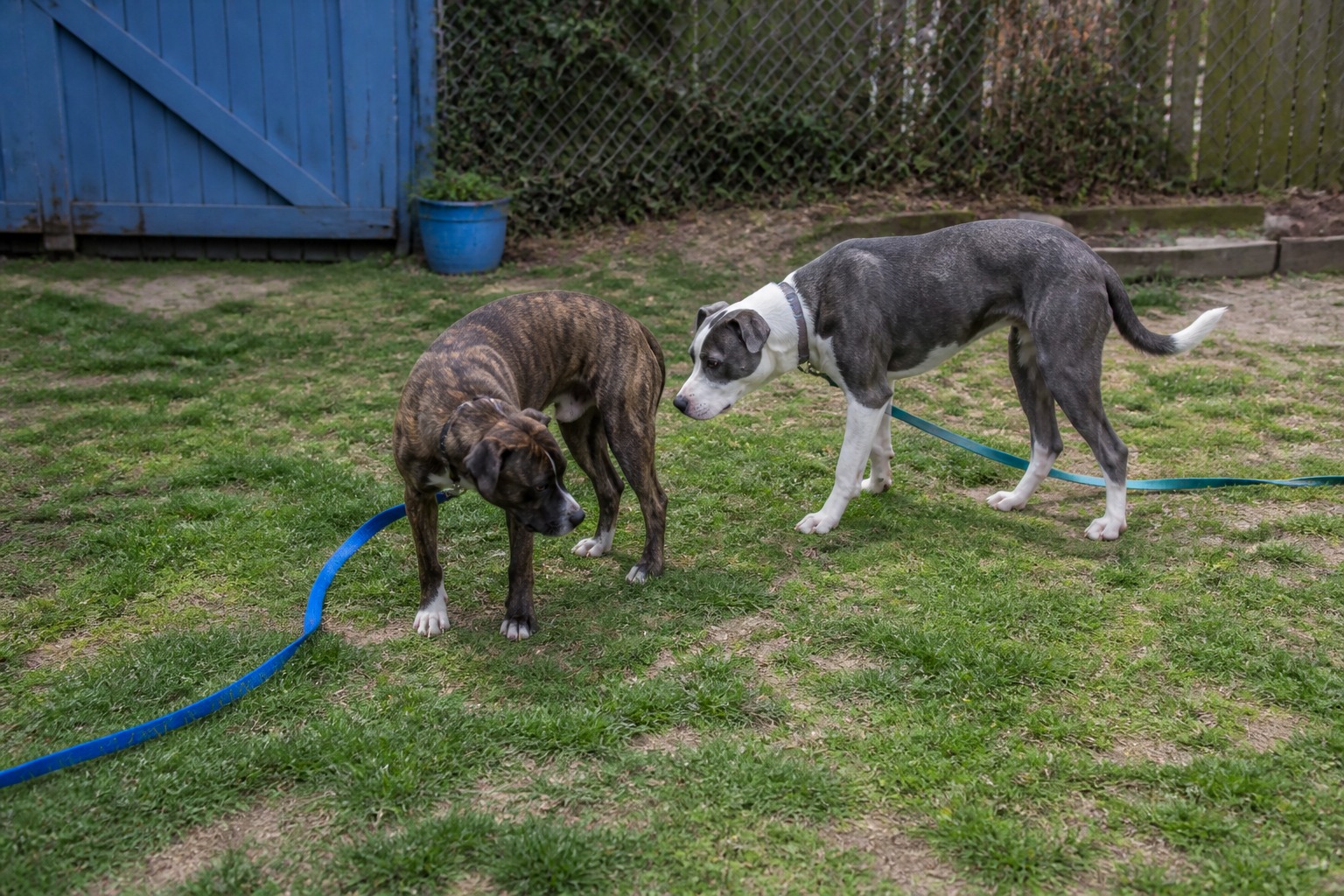
The case for a second dog almost always centers on the dog you already have: company for them, a playmate, someone to keep them busy while you work. Often that is exactly right. But the honest version of this decision flips the camera around and asks what your current dog actually wants, because the resident dog is the one who pays the daily cost or reaps the daily reward, and they get the deciding vote. Here is how to read that vote, count the real costs, and, if it is a yes, give the new pairing its best possible start.
First, the costs nobody puts on the cute list
A second dog roughly doubles the obvious expenses, food, toys, vet care, boarding, and adds a less obvious one: your first dog’s share of your attention gets cut in half. That “resident dog tax” is real, and for a bonded dog who loves one-on-one time, it can register as a loss even if the new dog is delightful. None of this is a reason not to adopt. It is a reason to go in clear-eyed rather than swept up, because a second dog is a years-long commitment made in an afternoon of good feelings.
Let your first dog vote
Your current dog’s temperament is the single biggest predictor of whether this works, so test it honestly before you fall for a face online.
If you do not already know your dog is the life of the dog park, arrange a meeting with a friend’s outgoing, dog-savvy pup in a safely fenced, neutral space, and watch. Loose body language, a waggy back end, play bows, and easy give-and-take are green lights. Stiffness, freezing, snarling, or pointed avoidance are not a verdict that your dog can never have a sibling, but they are a clear “not yet, and not without help.” A trainer or behavior consultant can often warm up a dog who is wary of others, but that work should happen before a second dog moves in, not after.
People treat the first dog’s reaction as a formality, and it is actually the whole assessment. A dog who is genuinely uneasy around other dogs is telling you something. Adopting anyway and hoping they will ‘just adjust’ is how you end up with two stressed dogs instead of one happy one.
Pick the second dog on purpose, not on heartstrings
If the vote is a yes, choose the second dog to complement the first rather than compete with them.
Start with temperament. If your current dog is assertive and likes being in charge, a second confident “top dog” is a recipe for friction; look instead for a dog who will happily defer. If your first dog is timid, a more confident second dog can work, as long as you are honest with yourself about whether watching your softer dog get gently bossed around will bother you.
Size deserves real weight, not a footnote. A three-pound dog and a large-breed dog can absolutely share a home, but even friendly play can cause serious, sometimes fatal, injury to a toy-size dog, so a big gap means committed, close supervision indefinitely. Then weigh energy and grooming. A perpetual-motion Border Collie mix might be thrilled by an equally athletic partner, or you might end up with a two-dog tornado; a high-maintenance coat plus a wash-and-go second dog is easier than two grooming schedules. Match for a life you actually want to live every day.
The introduction, step by step
Do the first meeting on neutral ground, ideally before you commit to adopting, so a poor match does not become your problem to manage. Have a friend hold one leashed dog at the far side of the fenced area while you enter with the other. Watch the body language: alert and slightly tense is fine, waggy and loose is great, but lunging, frenzied barking, snarling, or snapping means stop the meeting and get professional help.
When the dogs notice each other, calmly feed both treats until each is focused on the person handing them out. Then slow the treat rate until the dogs glance at each other and look back to you for more, a sign they are relaxed enough to proceed. If both seem happy or at least loose, drop the leashes while still at a distance and let them greet. Leave the leashes trailing for a moment in case you need to separate them, but unclip fully once they are clearly getting along, since a tangled leash can itself spark a scuffle. Tense leash restraint can make otherwise compatible dogs act aggressive, so the goal is to take tension out, not add it.
At home, reintroduce them in your fenced yard, and to keep the indoor stress low, do not bring them inside until they have played themselves tired.
Set the house up so there is nothing to fight over
Most early conflict is about resources, so remove the triggers. Use baby gates and tethers in strategic spots, and separate the dogs when you are out until they are solidly comfortable. If mealtimes cause tension, feed them well apart, in separate rooms or crates if needed. Make sure there are enough toys to go around and plenty of beds in low-traffic corners so neither dog has to guard a scarce good thing.
And know that two dogs raise the stakes on training. You can muddle through with one ill-mannered dog; two will make everyone miserable. Calm, consistent, fair leadership is what keeps the peace in a multi-dog house, and it is also what helps all three of you bond into the pack you were hoping for when you started thinking about a second dog in the first place.
References
- American Kennel Club, “Introducing Your Dog to a New Dog.”
- ASPCA, “Introducing Your New Dog to Your Resident Dogs.”
Claire Sutton writes about life with pets, from the first days home to the small daily routines that make a household work. Her reporting spans people-and-pet relationships, training basics, and the practical side of bringing a new animal into the family.
Meet our experts ↗Keep reading
 First DaysThe 20-Minute Task That Gets a Lost Dog HomeTom Hadley · 9 min
 First DaysYour Teenage Dog Didn't Forget Their Training. Science Explains What HappenedSara Lim · 8 min
 Health & WellnessThe '1 Dog Year = 7 Human Years' Rule Is Made Up. Here's the Real Math.Dr. Mara Chen · 9 min
 Living12 Questions a Shelter Won't Volunteer, But Will AnswerDr. Priya Nair · 6 min
 First DaysThe Best Dog for a Senior Isn't a Breed, It's a Match. How to Find YoursDr. Amara Solis · 8 min
 First DaysThe Ride Home Is Your New Dog's First Lesson. Don't Blow It.Dr. Lena Park · 6 min