


The Best Dog for a Senior Isn't a Breed, It's a Match. How to Find Yours
Picking a dog in later life is less about the breed list and more about honestly matching energy, size, and grooming to your day. Here's a framework, the breeds that tend to fit, and why an older dog is often the best answer.

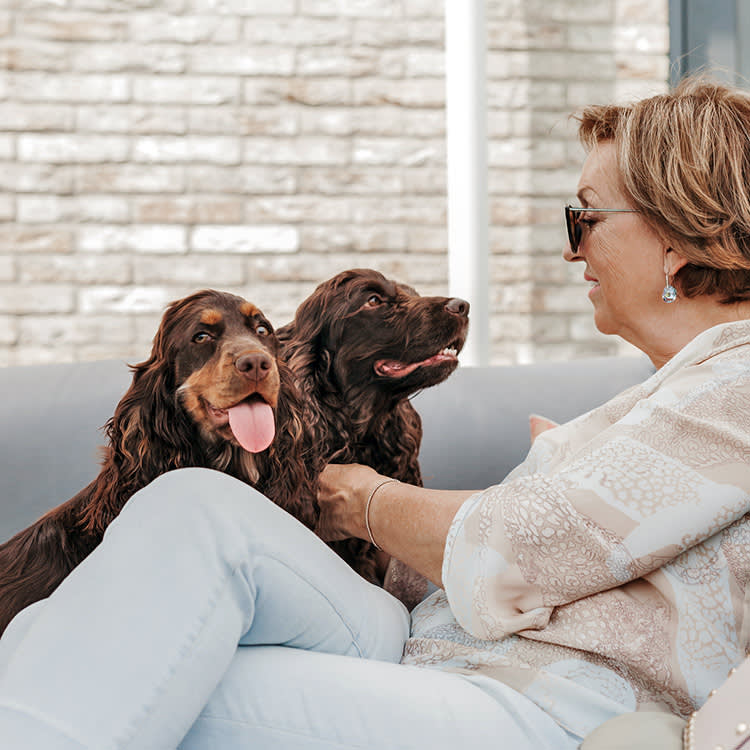
Most “best dogs for seniors” articles hand you a breed list and call it done. That gets it backwards. The happiest senior-and-dog pairings do not come from picking the right breed; they come from honestly matching a dog’s daily demands to your real day, your energy, your space, your budget, your body. A calm Cavalier is a disaster for the wrong person, and a “high-energy” Lab can be perfect for the right one. So before any breed names, here is the framework that actually predicts a good match, then the breeds that tend to fit it, and one piece of advice that matters more than any of them.
And the benefits are worth getting right. Research links dog ownership in later life to more movement, more social connection, a stronger sense of purpose, and, in some studies, slower cognitive decline and lower anxiety. The catch is that those benefits only land when the dog’s care fits comfortably into your life rather than straining it.
The best dog for an older adult is the one whose daily needs they can meet on their hardest day, not their best day. I would rather see someone adopt a settled seven-year-old who already walks nicely on a leash than a darling puppy who will need eighteen months of training and three walks a day. Match the energy and you set both of you up to thrive.
The five-question match, before you fall in love with a face
Run any dog you are considering through these. They predict fit far better than the breed name.
How much exertion can you reliably give? Be honest about a typical day, including bad-weather and low-energy days. A dog’s exercise need has to fit your floor, not your ceiling. Match a relaxed dog to a relaxed routine and an active dog to an active one.
Can you physically handle this dog? A 70-pound dog who lunges at a squirrel is a fall risk if you cannot hold them. Smaller and medium dogs are easier to walk, lift, and bathe, though a calm large dog with good leash manners can work fine.
Does your home suit them? Apartments and condos favor smaller, lower-energy dogs who do not need a yard. A high-energy dog in a small space without exercise becomes a destructive, frustrated dog.
What grooming can you sustain in time and money? Some coats need only a bath and nail trim; curly and silky coats need professional grooming every few weeks, which adds up. Pick a coat you can keep up with.
What temperament do you actually want? A quieter companion or an outgoing buddy? Choose a personality that matches yours, and meet the individual dog, since temperament varies within every breed.
The breeds that tend to fit a senior’s life
These are starting points, not guarantees, judge the dog in front of you.
Cavalier King Charles Spaniel. Small to medium, affectionate, low-exercise, and often happiest curled beside you. Fewer grooming demands than other spaniels.
Cocker Spaniel. Gentle and easy-going at a manageable size, with a coat that needs regular but not extreme upkeep.
Shih Tzu, Maltese, and Bichon Frisé. Lower-energy small dogs ideal for limited space and a relaxed pace, with the one caveat that their coats need routine grooming.
Toy Poodle. Bright and less active than the standard, but the signature coat means frequent groomer visits, budget for it.
A senior Retriever or Labrador. For an active older adult who wants a larger companion, an older, already-calm Lab or Retriever who loves a gentle walk or lounging in the garden can be a wonderful fit, often more so than a high-octane puppy of the same breed.
The breeds that are usually a harder match
Not bad dogs, just demanding for a quieter routine.
High-drive working breeds like Border Collies and Australian Shepherds need more daily exertion and mental work than most relaxed homes provide. Very large or powerful dogs such as Huskies and Great Danes need space and physical strength to manage safely. Strong-prey-drive dogs can be hard to control in public and harder to train out of it. And high-maintenance coats mean ongoing grooming cost and effort. If you love one of these, go in clear-eyed about the commitment.
The advice that beats any breed list: adopt an older dog
Here is the part the breed-first lists bury. For most older adults, the single best decision is to adopt an adult or senior dog rather than a puppy. An older dog usually arrives house-trained, spayed or neutered, and past the relentless chewing-and-energy stage, which means far less work and far fewer surprises. Crucially, their personality is already on display, so you can meet the calm, leash-trained dog you actually want instead of gambling on who a puppy will become. Senior dogs are also the least likely to be adopted from shelters, so the dog who fits your life best is often the one who needs you most.
There is a myth that you have to start with a puppy to bond deeply, and it is simply not true. Older dogs bond hard and fast with the person who gives them a soft place to land. For someone who wants companionship without the chaos, an adopted senior is the most underrated choice in the shelter.
The bottom line
Skip the instinct to shop a breed and start with your real day. Match the energy, the size, the space, and the grooming you can sustain, lean toward an adult or senior dog, and meet the individual before you commit. Do that, and you will not just pick a good dog, you will pick the right one for the life you are actually living.
References
- University of Michigan National Poll on Healthy Aging. “How Pets Contribute to Healthy Aging.” https://www.healthyagingpoll.org/reports-more/report/how-pets-contribute-healthy-aging
- Harvard Health Publishing. “Pets may help fend off cognitive decline in single seniors.” https://www.health.harvard.edu/healthy-aging-and-longevity/pets-may-help-fend-off-cognitive-decline-in-single-seniors
- Human Animal Bond Research Institute (HABRI). “The Health Benefits of Companion Animals.” https://habri.org/research/
- ASPCA. “Senior Pets.” https://www.aspca.org/pet-care/general-pet-care/senior-pet-care
Common questions
What is the best small breed for a senior to adopt?
Cavalier King Charles Spaniels, Maltese, Bichon Frisés, and Toy Poodles tend to suit the senior lifestyle: small, affectionate, and content with modest exercise. Just remember the grooming bill on the curly and silky coats, and that an individual dog's temperament matters more than its breed label.
Is it better for a senior to adopt a puppy or an older dog?
For most older adults, an adult or senior dog is the easier match. They often arrive house-trained, spayed or neutered, and past the high-energy chewing stage, and their personality is already visible, so there are fewer surprises than with a puppy. Senior dogs are also the least likely to be adopted, so you would be helping the dog who needs it most.
What dog breeds should seniors usually avoid?
High-drive working breeds like Border Collies and Australian Shepherds, very large or powerful dogs that are hard to physically manage, dogs with a strong prey drive, and high-maintenance coats that demand frequent professional grooming. None are bad dogs, they are just a poor match for a quieter, lower-exertion routine.
Can a dog really help with health in later life?
Research links dog ownership in older adults to more physical activity, more social connection, a greater sense of purpose, and in some studies slower cognitive decline and reduced anxiety. A dog is not a medical treatment, but the daily walks, routine, and companionship have measurable benefits. Match the dog to your abilities so the care stays joyful, not a strain.
Dr. Solis is a board-certified veterinary dermatologist with over twelve years of clinical experience. She advises on skin conditions, allergies, and grooming practices that affect coat and skin health. All dermatology and allergy content at The Pet Times is reviewed by her team before publication.
Meet our experts ↗Keep reading
 First DaysThe 3-3-3 Rule Is Two-Thirds Made UpDr. Mara Chen · 10 min
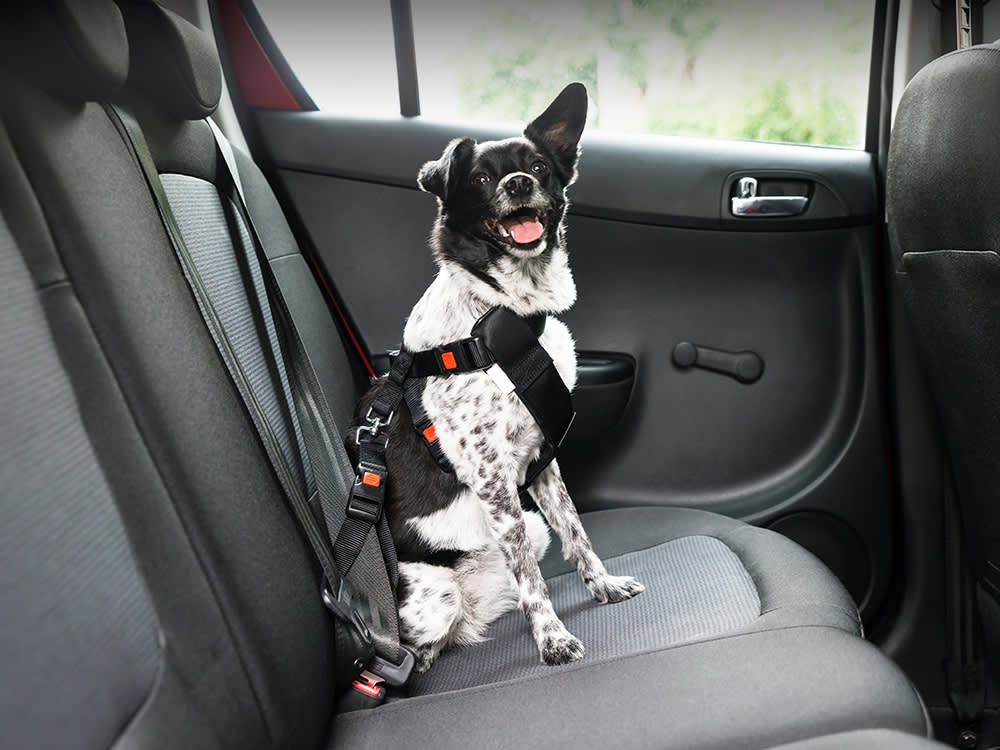 First DaysThe Ride Home Is Your New Dog's First Lesson. Don't Blow It.Dr. Lena Park · 6 min
 First DaysPick the Dog Your Life Can Support, Not the One You Fell ForClaire Sutton · 9 min
 First DaysThe 8 Questions That Make Your Dog's First Vet Visit CountDr. Lena Park · 6 min
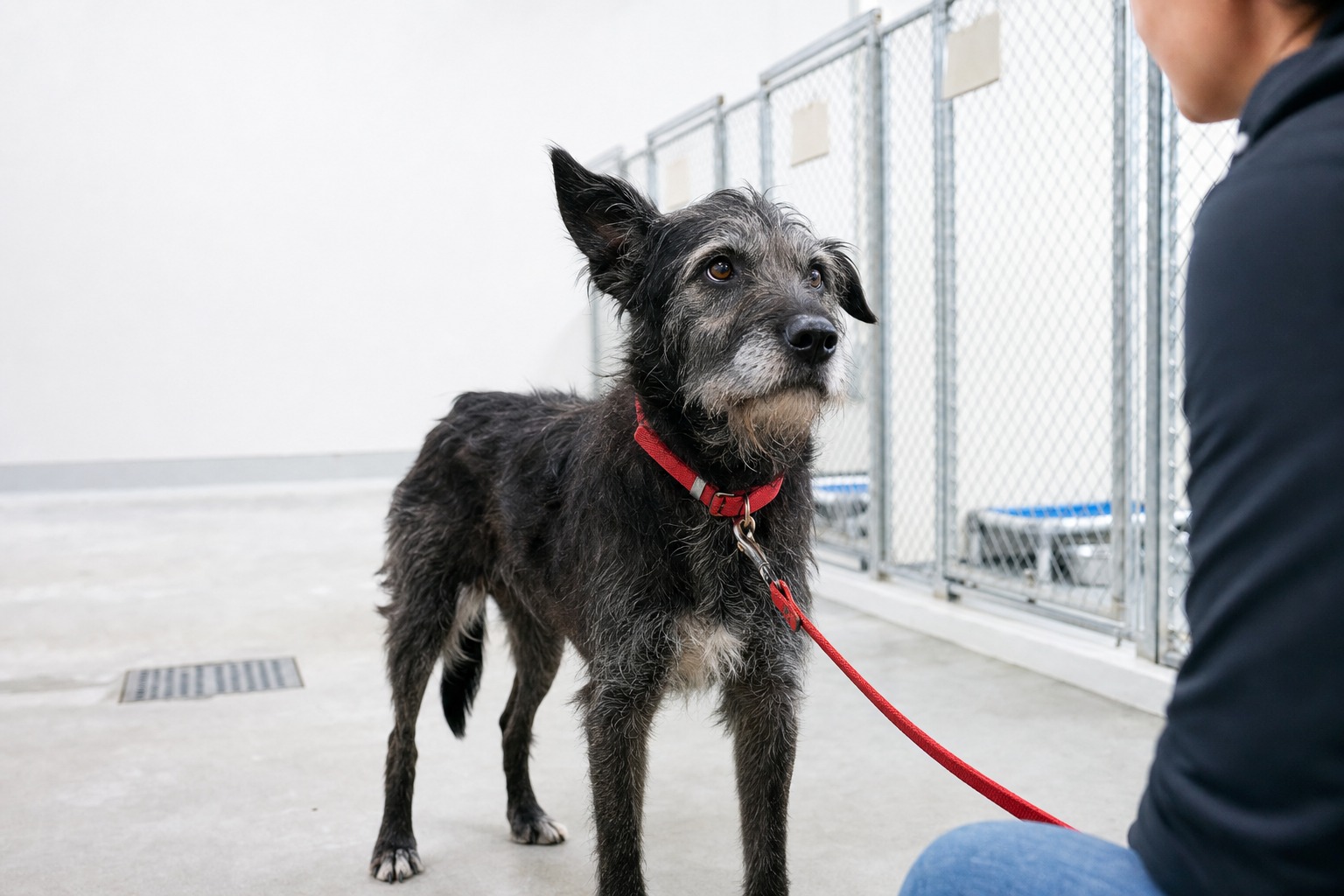 First DaysForget the Socialization Window. An Adult Shelter Dog Is the Safer BetClaire Sutton · 6 min
 First DaysYour Teenage Dog Didn't Forget Their Training. Science Explains What HappenedSara Lim · 8 min