


Summer Grooming Isn't About the Haircut. It's a Health Check.
The brush, the bath, the once-over before a hike: in warm weather these aren't about looks. They're the cheapest early-warning system your dog has, and one popular summer 'fix' can actually make your dog hotter.

Affiliate disclosure. This article contains affiliate links. We may earn a small commission if you buy through a link, at no extra cost to you. How we handle recommendations.
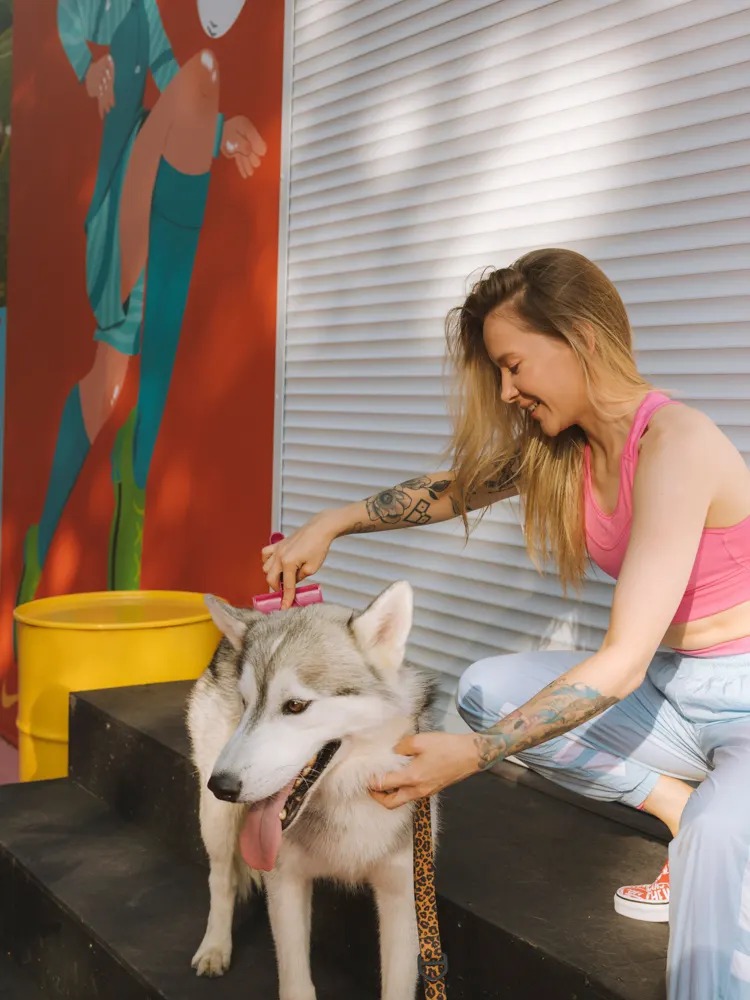
When the weather turns hot and buggy, it is tempting to think of grooming as a summer beauty routine, a trim to look sharp, a bath to smell nice. That framing sells your dog short. In summer especially, the real job of grooming is not cosmetic. It is surveillance. Every brush-out, bath, and once-over is a chance to lay hands on your dog and catch a small problem, a tick, a hot spot, a foxtail, a swollen paw, while it is still small. The good looks are a side effect.
And there is one widely believed summer “kindness” that often does the opposite of what people intend. So before you reach for the clippers, let’s get the season right.
The brush is a diagnostic tool
You do not need to be a professional to do the single most valuable grooming task, which is a regular, thorough brushing with a tool suited to your dog’s coat. Brushing strips out loose hair so air can move against the skin, and it prevents mats, which are not just unsightly. A mat is painful, it traps heat and moisture against the skin, and it can seed a skin infection underneath where you cannot see it.
But the deeper value is what your hands notice while you work. Running a brush and your fingers over every part of your dog turns up the things a glance misses: a new lump, a tender spot, a patch of irritated skin, a burr working its way in, a tick that has latched on. Do it often enough and you build a mental map of your dog’s normal, which is exactly what lets you spot the abnormal early.
I tell owners the brush is really a stethoscope with bristles. The tidy coat is nice, but the reason to groom every week in summer is that it puts your hands on the whole dog. Half the issues I get asked about, the hot spot, the tick, the thing between the toes, would have been caught days earlier if someone had been brushing and actually feeling as they went.
The shave-down myth
Here is the summer mistake worth unlearning. When it gets hot, people look at a fluffy, double-coated dog, a husky, a golden, an Australian shepherd, and think the humane thing is to shave them down. It usually is not.
A double coat is not a heavy sweater trapping heat. It is built-in climate control. The coat insulates against heat as well as cold, and it shields the skin from sunburn, twigs, and stickers. Shave it off and you strip away that protection, exposing skin that has never seen the sun and removing the air-trapping layer that helps regulate temperature. A well-maintained double coat, brushed out so air can circulate, keeps most dogs comfortable in the heat far better than bare skin does. Groom the coat; do not remove it. (Single-coated and continuously growing breeds are a different story and may genuinely benefit from a professional trim, so match the plan to the coat.)
Baths, ears, and the swimming problem

Summer is a fine time to add a bath or two, especially for a dog who is outside and grubby. Brush before and after, pick a shampoo matched to your dog’s skin and coat, lather once, and rinse thoroughly, leftover soap is itself an irritant. A good reference for the basics of at-home care is the long-trusted Dog Owner’s Home Veterinary Handbook, which is worth having on the shelf if you like to handle small things yourself.
Ears deserve special summer attention, particularly for water dogs. Moisture in the ear canal is a leading cause of infection, and dogs whose ears fold over are especially prone. After any swim, gently wipe the inside of the earflap with a cotton ball, and if your vet approves, use a drying-agent ear solution. Resist the folk urge to pluck ear hair; vets generally advise against it, because plucking can prompt the follicles to secrete more, giving infection yet another medium to grow in. One old trick that does hold up: with your vet’s okay, a drop of plain white vinegar can help fend off “swimmer’s ear.”
Don’t skip the ends
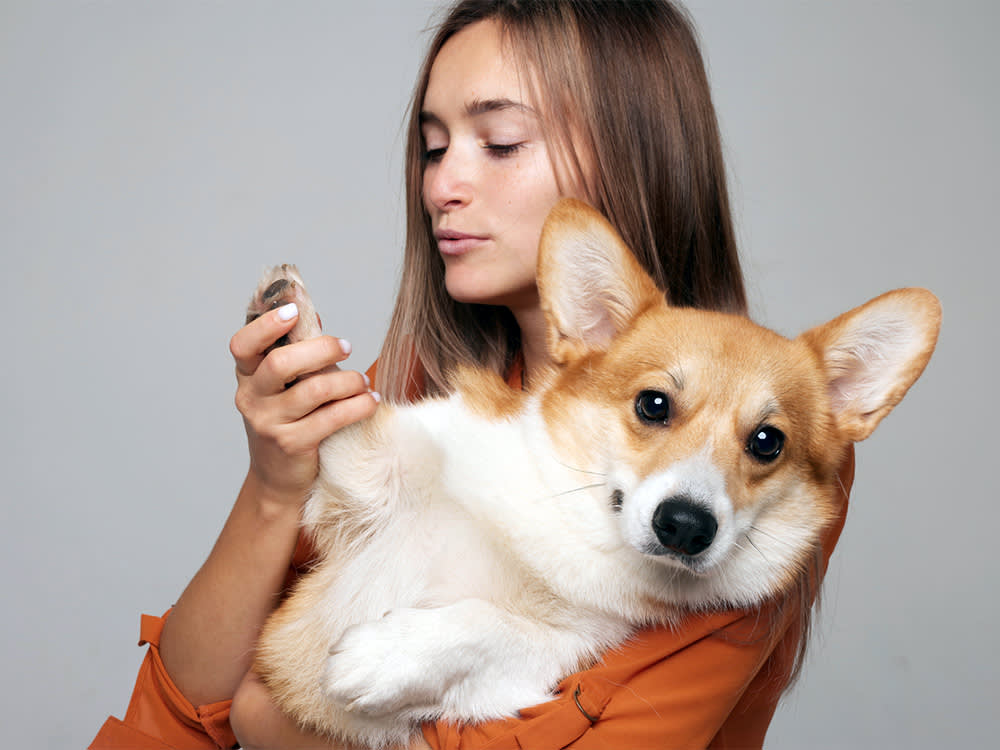
Two easy-to-forget spots earn their keep in summer. Keep brushing your dog’s teeth, heat does not pause dental disease, and pay real attention to the paws. Hot-weather walks bring your dog into contact with all sorts of debris, so check between the toes for ticks, foxtails, brambles, and grit after outings, and keep the nails trimmed. Foxtails in particular are a summer menace: those barbed grass awns burrow into skin, paws, ears, and noses and migrate inward, and the paw check after a walk is how you catch one before it becomes a vet visit.
The payoff
None of this is complicated. It is old-fashioned conscientiousness: brush regularly and feel as you go, bathe when needed, dry the ears after swims, resist the shave-down, and check the paws and teeth. Do it and you get the obvious reward, a dog who looks and smells good and sheds less across your floors. But the real reward is the one you rarely notice: the tick you pulled before it fed, the hot spot you caught at day one, the foxtail you found in the fur instead of in the emergency room. In summer, grooming is the least glamorous and most valuable checkup your dog gets, and you are the one giving it.
Not a substitute for your vet. Our guidance is educational. For urgent symptoms, contact a vet or emergency clinic right away. Editorial standards
Tom Hadley writes about training and behavior, helping owners understand what their pets are trying to tell them. His work covers everyday manners, decoding common behaviors, and the small changes at home that make dogs and cats easier to live with.
Meet our experts ↗Keep reading
 Health & WellnessThe Sidewalk Salt Burning Your Dog's Paws Can Also Poison ThemDr. Amara Solis · 8 min
 Health & WellnessThe Hardest Part of Dog Grooming Isn't the Clippers. It's Vetting the Groomer.Dr. Ravi Mehta · 8 min
 Health & WellnessSkip the Tomato Juice. The Real Skunk Fix Is Chemistry.Dr. Ravi Mehta · 6 min
 Health & WellnessYour Dog's Cracked Paws Are Trying to Tell You SomethingDr. Lena Park · 8 min
 Health & WellnessRainbow Dogs Are Everywhere. Two Products Separate Art From an ER Visit.Dr. Priya Nair · 7 min
 LivingConan's Cohost Let Her Husband Cut the Dog's Hair. Once.Leila Torres · 8 min