


Should You Spay or Neuter Your Dog? Yes, but 'When' Is the Real Question Now
The health case for spaying and neutering is strong and settled. What's changed is the timing: 'six months for everyone' is out, and for some breeds the age you choose can shift the odds on joint disease and cancer. Here's how to decide.

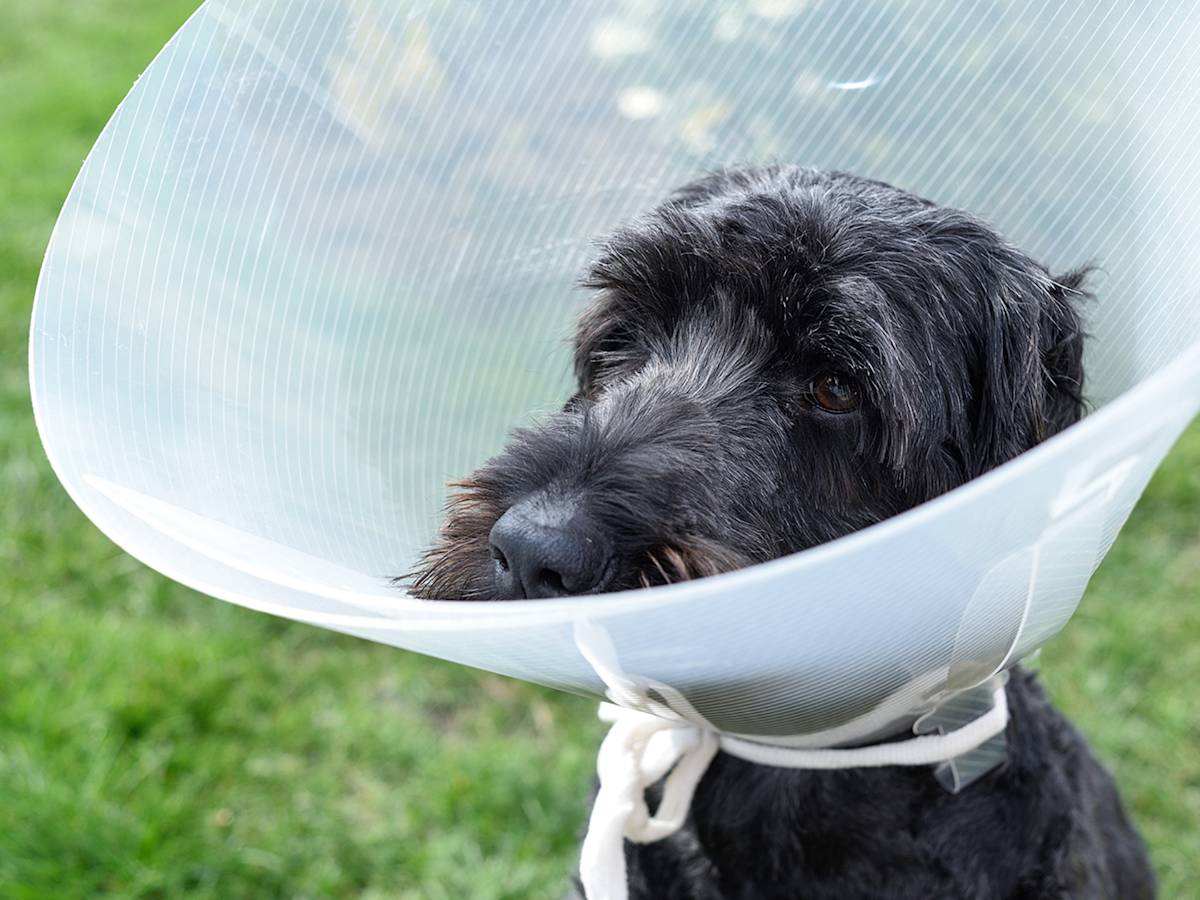
If you just brought home a puppy, spaying or neutering is one of the big early decisions on your list, somewhere between choosing a food and picking a vet. And the top-line answer is refreshingly simple: yes, in the vast majority of cases, you should. The harder, more modern question is not whether. It is when, and on that point the advice has genuinely changed.
For years the standard line was “around six months, for every dog.” That is no longer the best guidance. A growing body of research shows that the ideal age depends heavily on your dog’s breed and size, and for some dogs the timing can nudge the lifetime odds of joint problems and certain cancers up or down. So the goal of this piece is not to talk you into surgery, that part is well established, but to help you and your vet get the timing right.
Why spay and neuter in the first place
The benefits are real and well-documented, spanning both health and behavior. Neutering a male dog takes prostate and testicular cancers largely off the table. Spaying a female prevents pyometra, a dangerous uterine infection that often turns into emergency surgery, and sharply lowers the risk of mammary (breast) cancer, which dogs get too. Intact females cycle into heat about twice a year, roughly three weeks each time, with the mess and the parade of interested males that entails, while intact males are more prone to marking and roaming.
Laid out plainly, the upside includes a drastically reduced chance of mammary cancer, the elimination of testicular cancer risk, protection against that serious uterine infection, no birth-related complications, lower prostate cancer risk in males, an end to heat cycles, a reduction in some forms of aggression, and, studies suggest, less desire to roam. Altered dogs also tend to live longer, by an average of up to three years compared with intact dogs. And beyond your own dog, every spay and neuter chips away at overpopulation, which remains a serious problem despite rising adoption rates.
The health argument for spaying and neutering is one of the clearest in preventive veterinary medicine. What’s evolved is the nuance around timing. For a small dog it barely moves the needle, but for a big, slow-maturing breed, giving those growth plates time to close before surgery can matter for their joints. That’s a conversation to have dog by dog, not a rule to apply blindly.
The risks, kept in proportion
No surgery is risk-free, and it is only fair to name the downsides, while keeping them in scale. Spayed or neutered dogs may carry a somewhat higher risk of certain cancers, cranial cruciate ligament disease, hip dysplasia, obesity, and urinary incontinence. Most of these are uncommon.
The glaring exception is obesity, which is genuinely common in altered dogs. The good news is that it is also the risk you have the most direct control over. Watching what and how much you feed keeps your dog lean, and a lean dog is less prone to the other joint and health problems on that list too. Few things you do for your dog pay off as broadly as keeping them at a healthy weight.
What the surgery actually involves
A neuter removes a male dog’s testicles, halting testosterone production and rendering him sterile; most vets remove the whole package, though low-cost and shelter clinics sometimes leave the scrotum. A spay removes a female’s ovaries, or the ovaries and uterus together, so she cannot become pregnant. Both are done under anesthesia, so your dog feels nothing, and both are very safe with low complication rates. Recovery is usually quick and uneventful, and many dogs who go in for a morning procedure head home the same day to be watched over.
What it costs
Prices vary by where you live, and most clinics scale the fee to your dog’s size, since a bigger dog needs more anesthetic, IV fluids, and surgical materials. As a rough guide, neuters run about $200 to $500 and spays about $300 to $700, the spay costing more because it is more invasive. Some vets offer laparoscopic surgery, which is even less invasive but pricier. If the cost is a barrier, some pet insurance plans help, and options like CareCredit or local low-cost and mobile spay/neuter services can bring it within reach.
The timing question, by size
Here is where the old six-month rule breaks down, because age and breed change the math.
As a general starting point, six months is the traditional benchmark, roughly when females become fertile and their mammary cancer risk begins. Shelters typically alter puppies earlier, around three to four months, which is standard and safe and prevents litters among dogs housed together; if you adopted, your dog was probably already fixed, and that is fine.
For small-breed dogs, the main constraint is size, not age. Anesthesia is safer once a dog tops roughly five pounds, so a very small puppy may need to put on a little size first. The serious-but-rare risks that concern large breeds are much less of a factor for little dogs, so they can often be neutered younger.
For large-breed males, patience tends to pay off. Big dogs are more prone than small ones to joint problems after neutering, and research has tied holding off until large-breed dogs (over about 65 pounds) reach at least a year old to a reduced chance of bone cancer; since skeletal development is driven by hormones, a giant breed still has far more growing left to do than a toy dog does.
For females, breed and age are less the drivers than heat cycles are. Every heat a female goes through nudges up her risk of major problems like uterine infection, which factors into the timing calculus. Ultimately, when to spay or neuter is a decision to make with your veterinarian, who can weigh your individual dog’s breed, size, and risk factors and help you choose well.
What newer research adds
The single biggest reason “six months for everyone” fell out of favor is a landmark line of research from the University of California, Davis. In a study led by Dr. Benjamin Hart, veterinarians analyzed data on 35 dog breeds and found enormous variation in how neutering age relates to the risk of joint disorders and certain cancers, no one-size-fits-all answer, in the researchers’ words. The team turned the findings into breed-by-breed guidelines that owners and vets can use to time the procedure.
The differences can be striking. In some breeds, spaying or neutering at the traditional six months carries no added joint or cancer risk, while in others, neutering a male before a year of age significantly raises it. Female golden retrievers are a much-cited example: earlier work found that spaying them at any age raised the risk of one or more cancers from about 5 percent to as high as 15 percent. Newer options are emerging too, including ovary-sparing and vasectomy-style procedures that sterilize a dog while preserving some hormones, though these are not right for every dog and remain a specialist conversation.
None of this changes the core message. Spaying and neutering remains among the highest-value decisions you can make for your own dog and for the wider dog population. The update is simply that the when now deserves as much thought as the whether, and the best plan is one you build with your vet around the specific dog in front of you.
References
- Hart, Benjamin L., et al. “Assisting Decision-Making on Age of Neutering for 35 Breeds of Dogs: Associated Joint Disorders, Cancers, and Urinary Incontinence.” Frontiers in Veterinary Science, vol. 7, 2020.
- University of California, Davis. “When Should You Neuter Your Dog to Avoid Health Risks?” UC Davis School of Veterinary Medicine.
- American Animal Hospital Association. “Spaying and Neutering.”
- ASPCA. “Spay/Neuter Your Pet.”
Common questions
How much does spay or neuter surgery cost?
Costs vary by region and dog size. Neuters generally run about $200 to $500 and spays about $300 to $700, since a spay is more invasive. Laparoscopic options cost more. Low-cost clinics and mobile units can bring the price down.
Will my dog get fat after being fixed?
It's the most common real risk. Altered dogs are prone to weight gain, but it's the one complication you control directly, through portion size and diet. Keeping your dog lean also lowers the odds of the other rarer risks.
Not a substitute for your vet. Our guidance is educational. For urgent symptoms, contact a vet or emergency clinic right away. Editorial standards
Dr. Solis is a board-certified veterinary dermatologist with over twelve years of clinical experience. She advises on skin conditions, allergies, and grooming practices that affect coat and skin health. All dermatology and allergy content at The Pet Times is reviewed by her team before publication.
Meet our experts ↗Keep reading
 Health & WellnessYour Nose Can Tell You Something Is Wrong. It Can't Tell You What.Dr. Priya Nair · 8 min
 Health & WellnessYour Dog Owns the Dark. Here's the Price They Paid for It.Dr. Ravi Mehta · 8 min
 TrainingYour Dog Dreads the Vet. The Fix Starts Long Before You Get ThereDr. Lena Park · 6 min
 Health & WellnessThe Puppy Shot Schedule, Minus the PanicDr. Lena Park · 8 min
 Health & WellnessYour Dog's Nose Predicts Their Lifespan. Nobody Wants to Hear It.Dr. Mara Chen · 7 min
 TrainingYour Dog's Sleeping Position Is Mostly a Thermostat. One Pattern Isn't.Dr. Nina Kohl · 6 min