


The Real Danger of Rib Bones Isn't the Bone. It's Both Ends of It
People worry about rib bones splintering. That's half the story. The fat before the bone and the seasonings on it put dogs in the ER just as often. Here's the full picture.

Affiliate disclosure. This article contains affiliate links. We may earn a small commission if you buy through a link, at no extra cost to you. How we handle recommendations.
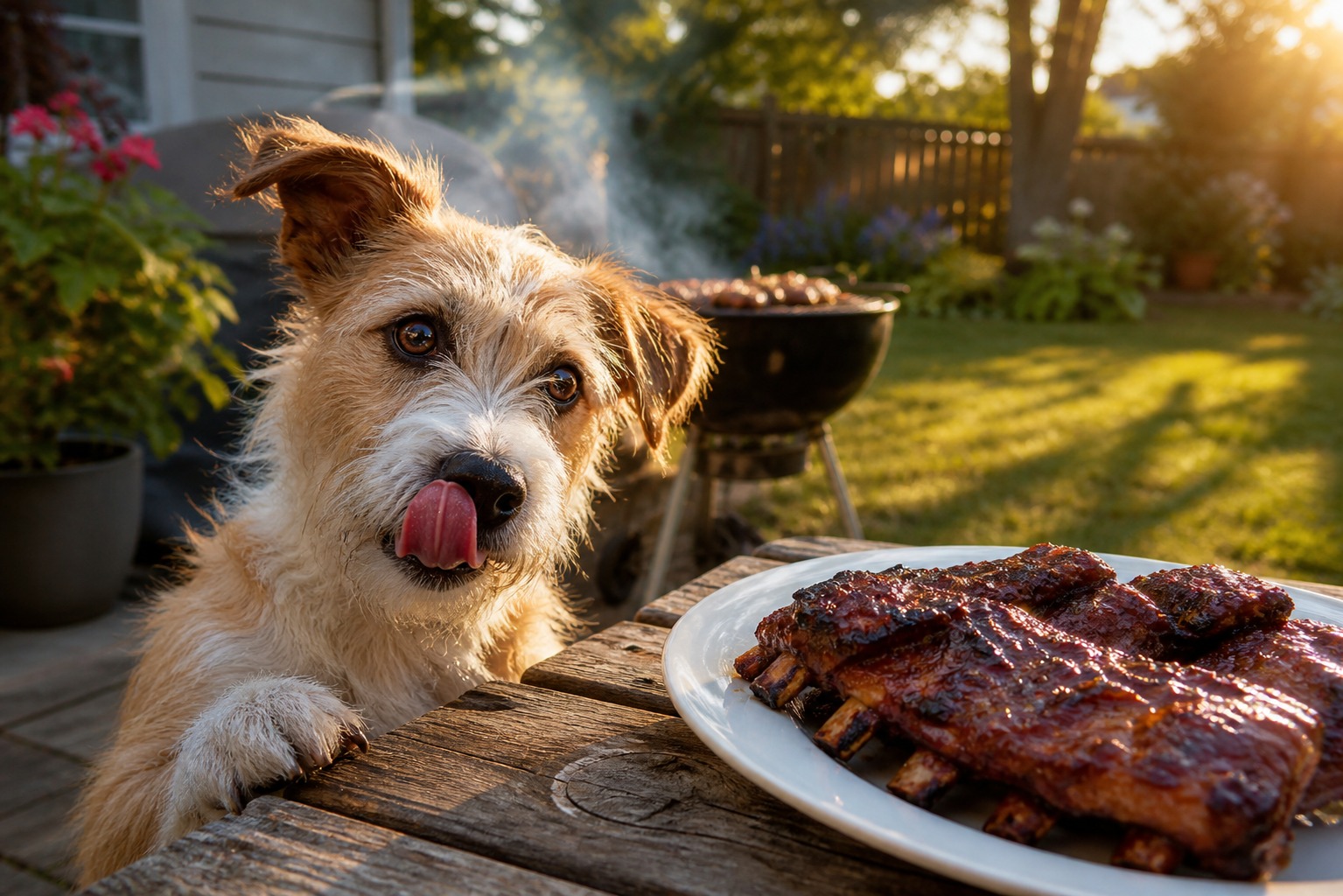
Ask most people why they keep rib bones away from their dog and you will hear the same answer: the bones splinter. That is true, and it is dangerous. But it is only the last third of the problem. By the time a dog reaches the bone, they have already eaten the fat wrapped around it and the seasoning smeared across it, and either of those alone can land a dog at the vet before a single splinter ever enters the picture.
That is the honest way to think about a rack of ribs. It is not one hazard, it is three stacked on top of each other: a fatty cut, a toxic seasoning profile, and a bone engineered by slow cooking to break into knife-edged shards. Understanding all three is what turns “keep it away from the dog” from a vague rule into something you actually enforce at a summer cookout.
Hazard one: the fat, before the bone ever matters
Rib cuts, whether pork spare ribs, beef short ribs, baby backs, or flanken, are prized by people for exactly the trait that makes them risky for dogs. They are marbled with fat and tough connective tissue, which is why they need long, low cooking to turn tender. That fat does not cook away. A single rich, fatty helping can cause vomiting, diarrhea, and gas in a mild case, and in a worse one it can set off pancreatitis, an inflammation of the pancreas that is painful, expensive to treat, and occasionally fatal.
This is the part of the rib story that has actually gotten sharper with new research. A 2026 review in the Journal of the American Veterinary Medical Association re-examined the long-assumed link between a sudden high-fat meal and acute pancreatitis in dogs. The takeaway for owners is nuanced but practical: a fatty scrap is a well-recognized trigger in susceptible dogs, particular breeds and individuals with a history of pancreatitis or obesity carry more risk, and the danger is real enough that “just one rib” is not a safe bet when you cannot know which dogs are primed for a flare. If your dog is a breed prone to pancreatitis, or has had it before, treat rib fat as you would treat a genuine toxin.
Hazard two: the seasonings, which are often outright poison
Here is the layer people forget entirely. What makes ribs taste like ribs is the rub and the sauce, and those recipes lean hard on salt, sugar, and fat, none of which a dog needs. Worse, a huge share of barbecue seasonings are built on onion and garlic powder, both of which are toxic to dogs. They damage red blood cells and can cause anemia, and powdered forms are more concentrated than the fresh vegetable, so it takes surprisingly little.
So even a “clean” bite of rib meat, pulled off the bone and handed over with good intentions, can carry a dose of something genuinely harmful. The seasoning is not a minor footnote to the fat problem. For many ribs, it is a separate poisoning risk riding along on top.
Hazard three: the bone, the part everyone already fears
Now the famous one. The same slow heat that makes ribs fall off the bone also dries and weakens the bone itself, so it snaps into sharp fragments instead of crumbling. A dog chewing a cooked rib bone is at risk for a cascade of injuries: choking, lacerations to the mouth and throat, an obstruction lodged in the esophagus or intestine, a perforation that leaks gut contents into the abdomen, or a colon packed with bone fragments into a rock-hard, painful impaction that can require hospitalization to clear.
People picture the choking moment, but the cases that scare me most are the quiet ones, a dog who ate a rib bone two days ago and is now off their food and hunched in pain. That is a fragment moving through the gut, and by then we are often talking about imaging and sometimes surgery. Do not wait for a dramatic sign.
Raw rib bones are sometimes offered as a loophole, and they do splinter less. But they are still nearly indigestible, still a choking hazard, still capable of fracturing a tooth, and depending on the source they carry the same pathogens as raw meat, which puts the whole household, not just the dog, at risk. Less bad is not the same as safe.
What to actually do at a cookout
Because the risk is layered, the defense has to be too. Keeping ribs off your dog’s plate is only step one.
- Tie off and secure any trash that holds bones, sauce-soaked napkins, or scraps. A determined dog will work a garbage can that is not latched.
- If guests are eating ribs, tell them plainly not to slip the dog a bone, and if you cannot supervise, give the dog a safe room of their own for the duration.
- Watch the ground. Dropped bones at a backyard party are the single most common way a dog gets one.
If your dog already got a rib bone
Do not induce vomiting, and do not adopt a wait-and-see posture. Call your vet or an emergency clinic right away, describe what was eaten and when, and follow their guidance. A bone that comes back up can tear tissue on the return trip, and a fragment already in the gut is better tracked with imaging than with hope. Early intervention is the difference between a monitored night and an operating table.
Safer ways to say yes
The urge behind sharing ribs, giving your dog a satisfying, meaty treat, is a good one. It just needs a better delivery. Plain, lean, unseasoned turkey or chicken breast in small amounts scratches the meat itch without the fat and spice. A crunchy slice of apple or a few cubes of butternut squash makes a fine snack. And for the actual gnawing instinct, a durable rubber or nylon chew toy sized to your dog, or a vet-approved dental chew, gives them something to work on that will not splinter, poison, or block anything. Meanwhile, keep cheese, avocado, chocolate, and anything seasoned firmly off the menu.
The bottom line
A rib bone is not one danger, it is three: the fat you have to get through, the onion-and-garlic seasoning smeared over it, and the splintering bone at the center. Any one of them can send a dog to the vet, which is why “no ribs” holds even for the meat pulled cleanly off the bone. Keep the whole rack out of reach, redirect the chewing urge to something built for it, and if a bone does disappear down your dog, call your vet immediately rather than waiting for the trouble to announce itself.
References
- Williams, S., et al. “High Fat, High Risk? Evaluating the Strength of Evidence Linking Dietary Fat and Pancreatitis in Dogs.” Journal of the American Veterinary Medical Association, 2026. https://avmajournals.avma.org/view/journals/javma/aop/javma.25.11.0773/javma.25.11.0773.xml
- ASPCA Animal Poison Control Center. “People Foods to Avoid Feeding Your Pets.” https://www.aspca.org/pet-care/animal-poison-control/people-foods-avoid-feeding-your-pets
- Merck Veterinary Manual. “Constipation and Obstipation in Small Animals.” https://www.merckvetmanual.com/digestive-system/diseases-of-the-rectum-and-anus-in-small-animals/constipation-and-obstipation-in-small-animals
- Centers for Disease Control and Prevention. “Pet Food Safety.” https://www.cdc.gov/healthy-pets/keeping-pets-and-people-healthy/pet-food-safety.html
Common questions
Is it OK to give dogs rib bones?
No. Rib bones fail on three separate fronts: the meat is too fatty, the seasonings often contain onion or garlic, and the cooked bone splinters. There is no version of a rib bone that a vet would call safe.
What about the meat with the bone removed?
Still a poor choice. Rib meat is one of the fattier cuts, and a single fatty, salty, garlicky helping is enough to trigger digestive upset or pancreatitis in a susceptible dog.
Are raw rib bones safer than cooked ones?
Raw bones splinter less, but they are still hard to digest, can crack teeth, can choke a dog, and can carry the same bacteria as raw meat. Safer than cooked, but not safe.
What can my dog chew instead?
A durable rubber or nylon chew toy sized to your dog, or a vet-approved dental chew. These satisfy the urge to gnaw without the fat, the seasoning, or the splinters.
Not a substitute for your vet. Our guidance is educational. For urgent symptoms, contact a vet or emergency clinic right away. Editorial standards
Dr. Chen is a small-animal veterinarian who leads health and safety coverage at The Pet Times. She writes and reviews the bulk of our illness, condition, and safety content, translating clinical guidance into clear, practical advice owners can act on at home.
Meet our experts ↗Keep reading
 FoodBaked Sourdough Is a Fine Dog Snack. Raw Dough Is a 911 Call.Dr. Amara Solis · 6 min
 FoodSkittles Aren't the Candy That'll Send Your Dog to the ERDr. Lena Park · 6 min
 FoodYour Dog Ate Grapes and Was Fine. That's the TrapDr. Lena Park · 5 min
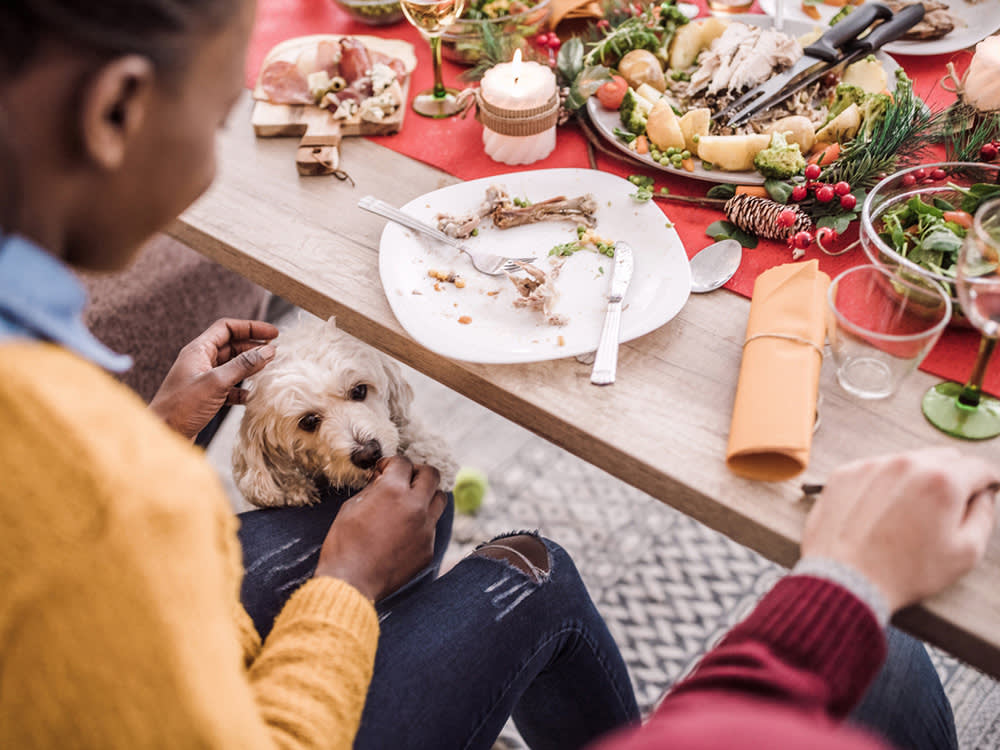 FoodThe Christmas Food That Sends Dogs to the ER Isn't Chocolate. It's the Gravy.Dr. Priya Nair · 8 min
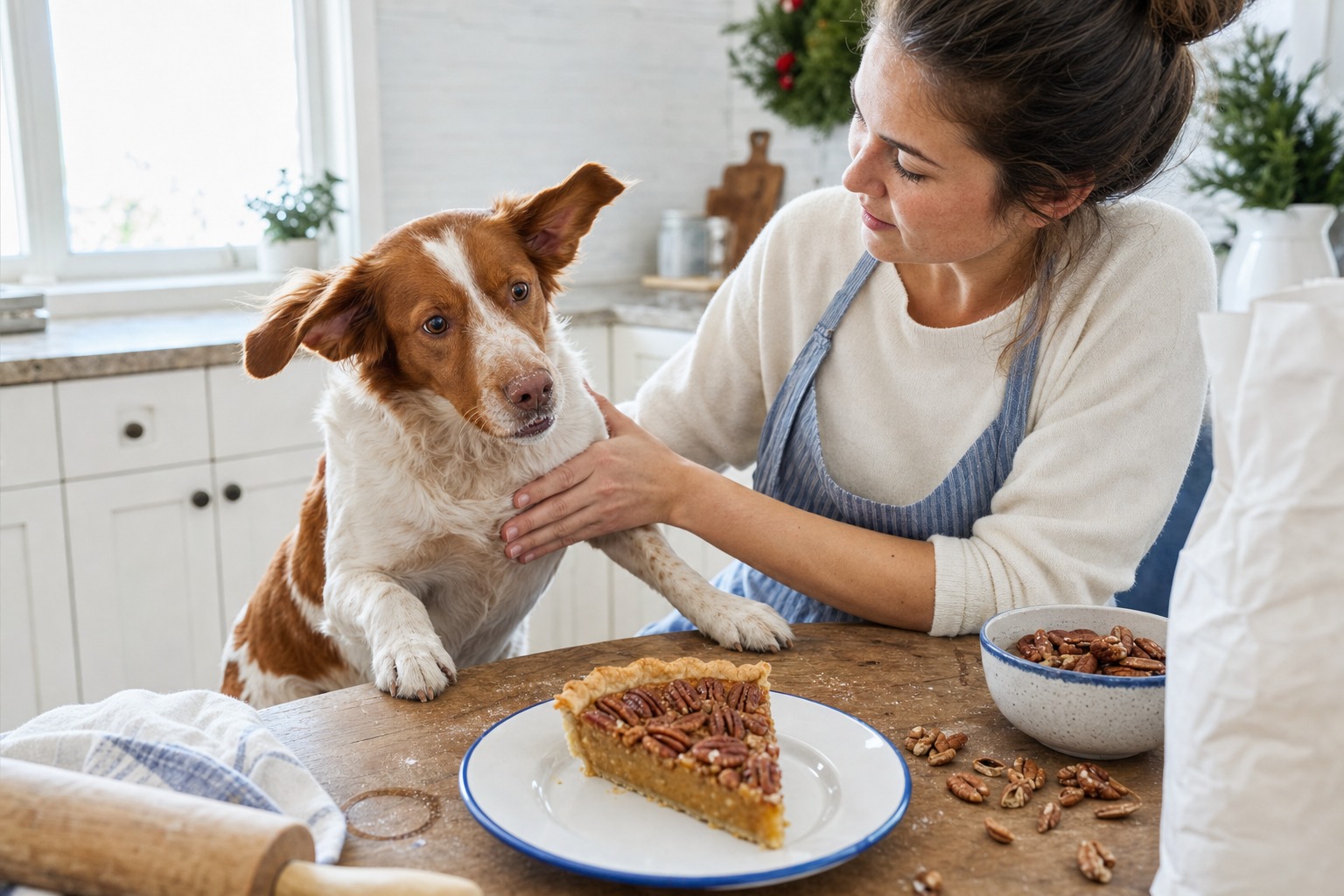 FoodPecans and Dogs: The Real Risk Isn't the One You've Read AboutDr. Mara Chen · 5 min
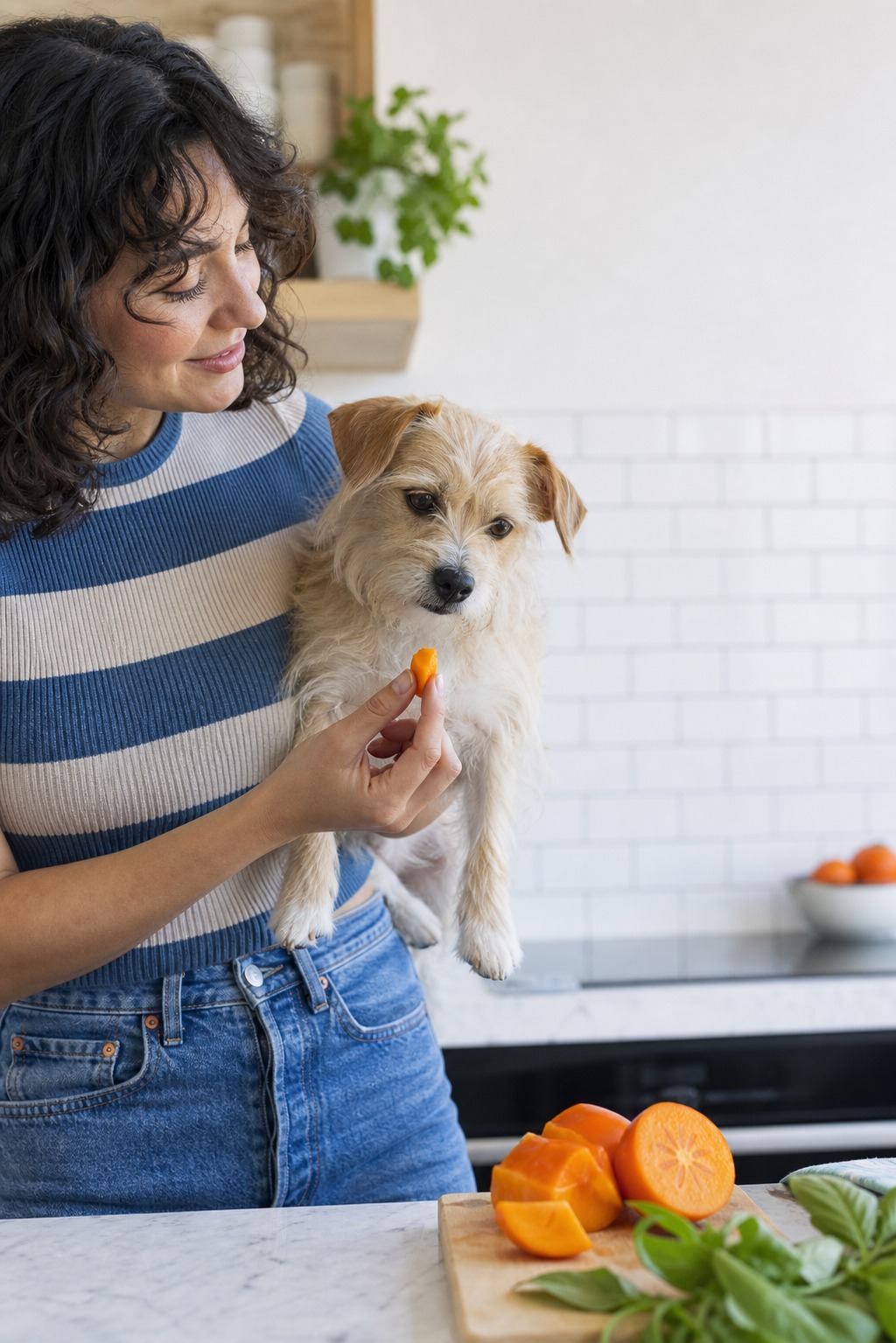 FoodThe Persimmon Rule for Dogs: Flesh Yes, Everything Else NoDr. Priya Nair · 7 min