


Rehoming Isn't Surrender. Done Right, It's an Adoption You Run Yourself.
Giving up a pet feels like failure. Reframed as a careful, screened placement you control, it becomes the most responsible thing you can do for an animal who does not fit your life.

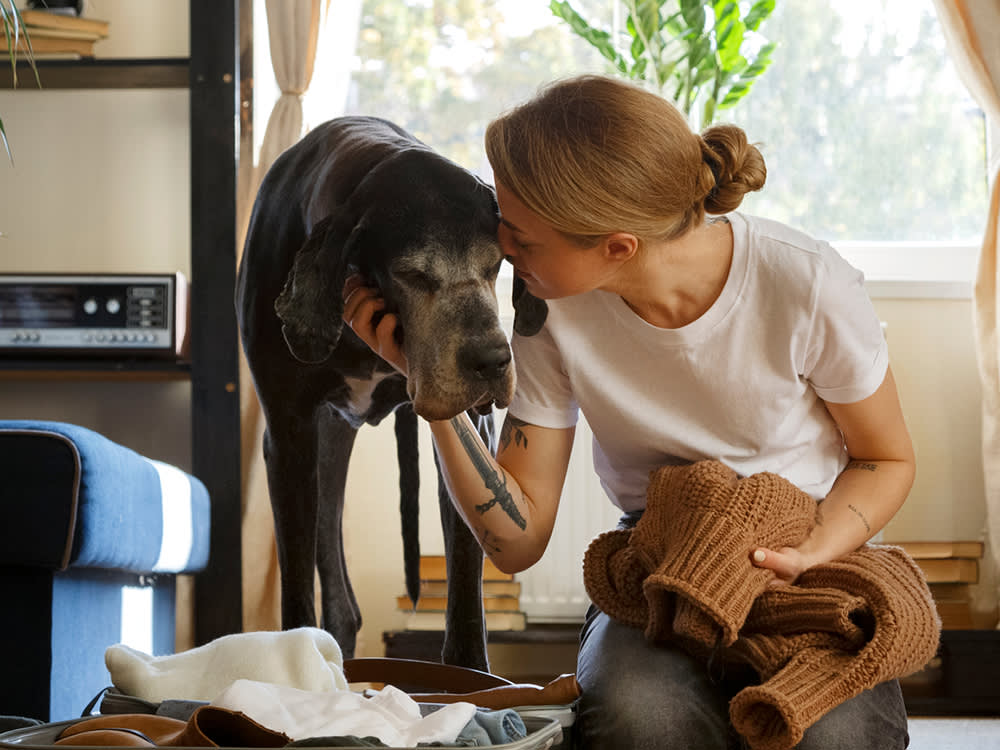
Few decisions carry more private shame than deciding you cannot keep a pet. It reads, in your own head, as a moral failure. It is not. When a home genuinely is not the right fit, the animal does not need your guilt. They need a plan. And the best plan is not a rushed drop-off at a shelter. It is a screened, unhurried placement that you personally run, the same careful process a good rescue would use, applied by the person who knows the animal best.
Before any of that, though, comes an honest gate: is this a bad fit, or a fixable problem?
First, rule out the problems you can actually solve
A lot of “we have to rehome” situations are really “we hit a wall and did not know there was a ladder.” Walk through the common ones before you accept the premise.
If housing is the pressure, get ahead of it: research pet-friendly rentals now, before a lease ends or rent jumps, and if your dog or cat is a legitimate emotional support animal, a letter from your therapist can open doors that no-pet policies would otherwise close. If the wall is a medical bill, ask your vet about a payment plan, look into a medical credit line such as CareCredit, and check whether your local shelter runs an assistance fund or whether a crowdfunding option fits. Pet insurance, bought before the next emergency, is the version of this you set up in advance. And if the problem is behavior, a trainer or a certified behaviorist can resolve far more than most owners expect, from house-training regressions to fear of strangers. Your local shelter can usually point you to someone reputable.
“Before anyone rehomes a pet over behavior, I want a real assessment, because so much of what looks like a dealbreaker is a fear response we can actually work with,” says Dr. Mara Chen. “Sometimes the honest answer is still that the fit is wrong, and that is okay. But you owe the animal one good try at the problem before you decide the problem is the animal.”
Sometimes you do that try, and the answer is still no. A dog too anxious to enjoy the adventurous life you can offer, a cat whose needs your household cannot meet, a schedule that keeps setting an animal back. Recognizing that clearly, without drowning in guilt, is itself a form of good care.
Start early, and start with the people who already know your pet
The single biggest mistake in rehoming is waiting until the last possible minute, which turns a manageable transition into an emergency. Move early instead.
If you adopted from a shelter or rescue, call them first and tell them you are struggling. Do not brace for judgment; most are responsive and genuinely want to help, and many would far rather coach you through a rough patch than take the animal back. Ask a key question, too: whether you can hold onto your pet while they help you look, so the animal can move directly from your home to the next one instead of spending stressful days in a kennel. A shelter can often post about an animal who is still living comfortably with you.
Run the placement like an adoption
If you are finding a new family yourself, treat it as an adoption you are administering, not a giveaway. Free national tools exist specifically for this: Rehome, the program run by Adopt-a-Pet, walks owners through building a pet profile, adding photos, and vetting applicants, and it is free for the person placing the pet, with only a small adopter fee that mirrors a shelter’s.
The screening is where your judgment matters most. Write an honest, warm profile, then prepare questions that open conversations rather than close them. A yes-or-no question like “can you afford vet care?” invites a reflexive yes. A framed one does the real work: tell an applicant your dog has a chronic condition that costs about a hundred dollars a month, and ask whether that is something they are prepared to manage for the rest of the animal’s life. You learn far more from the answer.
When it works, it really works. Owners who take this route often describe finding a family so right that the animal warms to them on the spot, and who stay in touch for years afterward with updates. That is the payoff of patience over panic.
If you do surrender to a shelter, set your pet up to succeed
Sometimes a shelter or rescue surrender is the realistic path, and that is not a failure either. Read the organization’s process on their website and call with questions first; you may need to submit a form or talk through your pet’s history before an appointment. Be fully honest about quirks, even the unflattering ones, the occasional accident, the wariness of certain people, because that information is exactly what helps staff care for your pet and match them well. There may be a surrender fee to offset costs, though many shelters waive it for owners in financial hardship. On the day, bring what smooths the handoff: their medical records, a couple of well-loved toys, the blanket they sleep on, some photos, and a written rundown of your pet’s personality and quirks.
Take care of yourself, too
Rehoming is emotionally draining, and grief, guilt, and second-guessing are all normal responses, not signs you did the wrong thing. You may not feel much support from the people around you, who cannot fully stand in your shoes. Remember that plenty of people, including professional trainers, have made this same hard call. Doing it thoughtfully, on the animal’s behalf rather than your own convenience, is the mark of a responsible owner, not a bad one.
What’s new since this was written
The infrastructure for owner-directed rehoming has only gotten stronger and easier to use. Adopt-a-Pet’s Rehome program remains free for owners placing a pet and continues to handle the awkward parts, application review and safe meeting logistics, so you are not doing it alone. Animal-welfare groups have also leaned harder into “diversion” programs in recent years: pet food banks, temporary boarding help, and behavior hotlines designed to keep an animal in its home when the barrier is a solvable one. Before you conclude that rehoming is the only road, it is worth asking your local shelter what keep-your-pet resources they now offer, because that list is longer than it was even a couple of years ago.
References
- Adopt-a-Pet. “Rehome by Adopt-a-Pet.” www.adoptapet.com
- ASPCA. “Rehoming Your Pet Responsibly.” www.aspca.org
- The Humane Society of the United States. “Keeping Pets for Life.” www.humanesociety.org
Leila Torres leads our Living coverage, from home life and travel to the products and rescue stories that come with sharing a life with animals. She edits and writes across the section, with a soft spot for pieces about the bond between people and their pets.
Meet our experts ↗Keep reading
 LivingDon't Be a Hero. Be a Witness.Leila Torres · 7 min
 LivingSkip the Donation Bin. Here's What Shelters Actually Run Out Of.Jordan Ellis · 5 min
 Living8 'Foster Fails' Who Were Never Really Going AnywhereNina Vasquez · 9 min
 LivingThe Unlikely Shelter Marketing That Works: Kids With PaintbrushesLeila Torres · 5 min
 LivingHe Lured a Feral Kitten Out With a Fast-Food Sandwich. Now 3 Million People Watch His Animals.Jordan Ellis · 8 min
 LivingCharlotte's Two Dogs Are the Most Damning Thing in "Sex and the City"Nina Vasquez · 6 min