


Skip the Donation Bin. Here's What Shelters Actually Run Out Of.
Shelters drown in old blankets and mystery toys and run out of the boring stuff, paper towels, pee pads, kitten formula, that actually keeps animals fed and cared for. Nine things worth donating, and one rule that makes any donation twice as useful.

Affiliate disclosure. This article contains affiliate links. We may earn a small commission if you buy through a link, at no extra cost to you. How we handle recommendations.
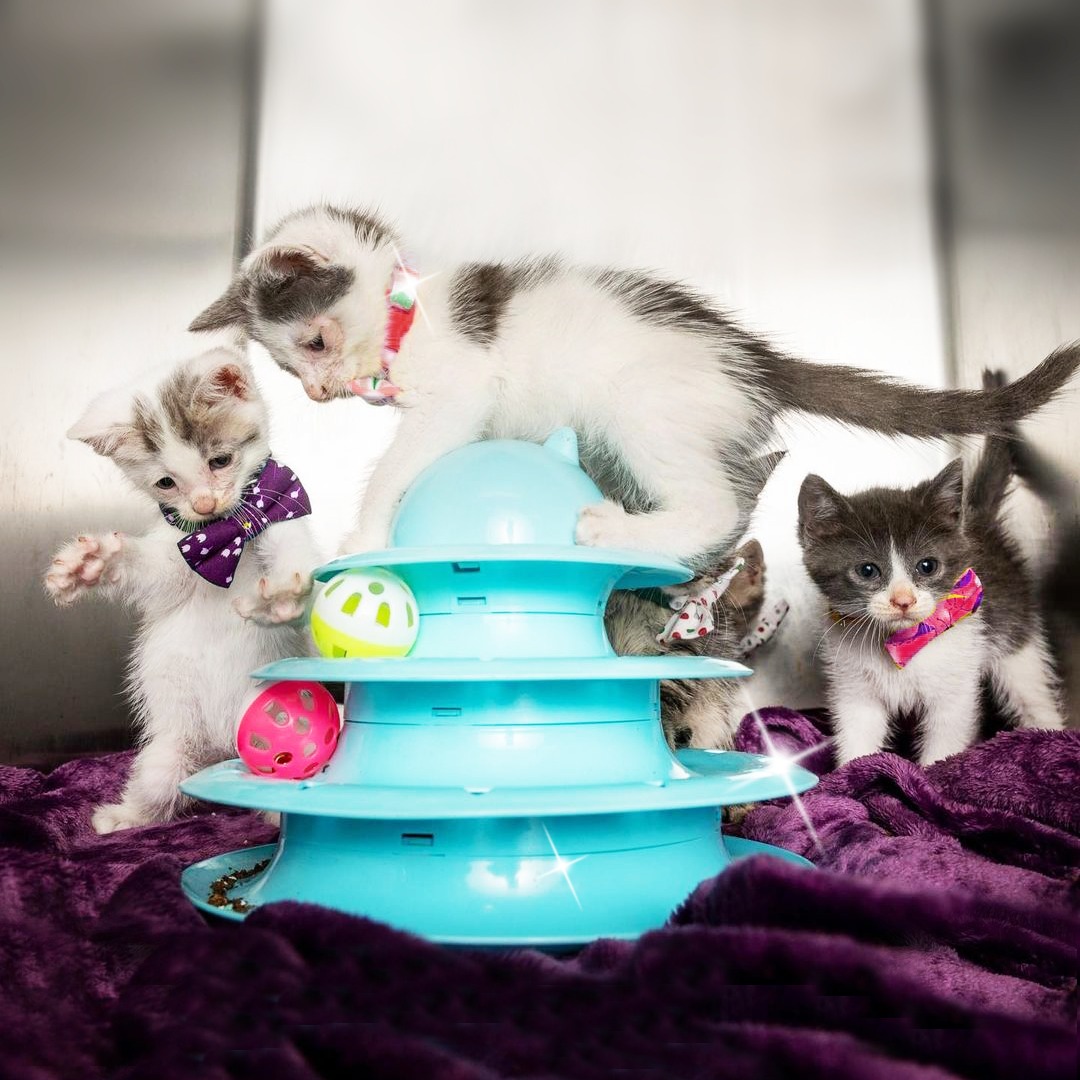
Few causes deserve a spare-cash, just because gift more than your neighborhood animal shelter, and the holidays are a natural time to add one to the cart. The pups and kitties still waiting for a home deserve to be spoiled as much as anyone’s house pet. But there’s a right way and a wrong way to give, and the difference is bigger than people realize.
Here’s the thing shelters won’t always say out loud: they get buried in some donations and run out of others. Well-meaning people drop off worn blankets and random toys by the truckload, while the unglamorous consumables, the things that get used up and thrown away every single day, are perpetually short. So before we get to the list, the single most useful move: check the shelter’s actual wish list first. Most keep a current one on their website or an Amazon or Chewy registry, and it tells you exactly what they’re out of right now. Give that, and your donation does double the work.
With that rule in mind, here’s what’s almost always needed.
1. Pet food
Feeding a building full of animals eats through an astonishing amount of food. Even shelters that receive donations directly from pet-food companies often keep a pantry for owners who need temporary help feeding their own pets. Their wish list will name the exact brands and formulas most in demand, so buy to that rather than guessing.
2. Cleaning supplies and paper towels
Shelter life means constant cleanup, animals learning to potty outside, spilled food and water, and the endless work of keeping everyone healthy. Staff and volunteers can never have enough of the basics: paper towels, hand sanitizer, bleach, and dish soap. Deeply unexciting, always in demand.
3. Towels, and the laundry supplies to wash them
Shelters run laundry more or less nonstop, and clean towels are the workhorse of the whole operation, bedding, cleanup, drying off a scared new arrival. Gently used towels are welcome, but the thing that quietly runs dry is laundry detergent. A big jug of it is one of the most genuinely useful things you can drop off.
4. Kitten bottles and milk replacer
Every year, newborn kittens land in shelters and rescues, some not yet able to eat solo, some with a mother who can’t nurse the whole litter. Despite the old myth, kittens can’t survive on cow’s milk; they need a proper formula and the bottles to deliver it. These supplies carry the tiniest residents through their first four to six weeks.
5. Pee pads
Puppies are heart-stealers and total messes. Disposable pee pads are always useful, both inside the shelter and for the foster homes that take animals in.
6. Interactive puzzle toys and lick mats
Waiting for a family is boring and stressful, and enrichment helps time pass. Kong toys are the classic, they get a dog’s brain working and hide a treat in the middle. Lick mats are another favorite, because shelter dogs often bolt their food out of uncertainty about the next meal, and a smeared, textured mat slows eating down while turning it into an activity.
“Enrichment isn’t a luxury in a shelter, it’s medicine for stress,” says Tom Hadley. “A lick mat with something soft smeared across it, and frozen so it lasts, gives an anxious dog a job to do and a way to settle. For cats, an easy, entry-level toy they can actually win at does the same thing. Donate the beginner version, not the hardest one, a puzzle a stressed animal keeps losing just adds to the stress.”
For shelter cats, a simple interactive track toy can be surprisingly powerful, keeping them engaged enough to ease litter-box avoidance, overgrooming, and anxiety. Just aim for an easy level so they win rather than get frustrated.
7. Hidey cat beds
It sounds backwards, but a scared cat with a safe place to burrow comes out of its shell faster, not slower. Covered, enclosed “hidey” beds give anxious cats somewhere to retreat, and there are endless styles to choose from.
8. Orthopedic dog beds
Shelters take in plenty of senior animals separated from their families, along with dogs recovering from orthopedic surgery. A high-quality, cleanable orthopedic bed gets them up off a cold concrete floor and eases sore, arthritic joints.
9. Sturdy leashes and martingale collars, not the wrong kind
When a dog goes home in solid gear, everyone can trust their safety, and shelters churn through equipment fast. The good stuff to donate: martingale collars and front-clip harnesses that keep a puller or a slippery escape artist secure, gentle-leader head collars for leash-reactive dogs, and a simple, sturdy six-foot nylon leash, which works for just about any dog. What not to buy: choke or prong collars and retractable/flexi leashes. Those aren’t helpful donations, and most shelters won’t use them.
The bottom line
The most generous donation isn’t the fanciest one, it’s the one your shelter is actually out of this week. A jug of detergent, a case of kitten formula, or the specific dog food on their registry does more good than a pile of things they’ll have to sort, store, or turn away. Ask first, give to the list, and your money goes exactly where the need is, all year long, not just in December.
Jordan Ellis is a certified professional dog trainer with a decade of experience working with rescue organisations and private clients. They specialise in anxiety, reactivity, and positive reinforcement methods, and review all training and behaviour content at The Pet Times.
Meet our experts ↗Keep reading
 Product PicksSenior Dogs Don't Have a Pity Problem. They Have a Visibility Problem.Nina Vasquez · 7 min
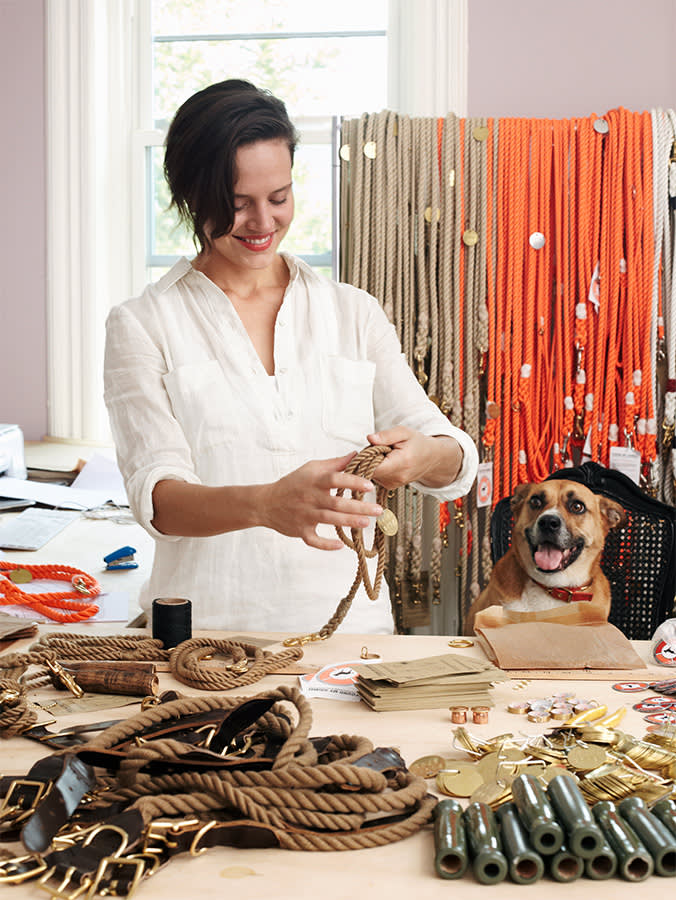 LivingThe Rescue-Chihuahua Coincidence That Built a Cult Leash BrandMarcus Webb · 5 min
 Product Picks"A Portion of Proceeds" Means Nothing. This Rosé Says 20%.Sasha Ford · 8 min
 Product PicksYour Pet Already Runs the House. Give Them the Christmas Tree, Too.Jordan Ellis · 6 min
 Product PicksThe Pet Travel Gear That Actually Earns a Spot in the Bag, Ranked by SafetyLeila Torres · 9 min
 Product PicksHow to Pick the Right Custom Pet Gift, Not Just the FlashiestSara Lim · 4 min