


How to Redirect Your Dog's Digging: Yard-Friendly Fixes That Actually Work
Digging is hardwired into a lot of dogs, especially Terriers. Here's how to channel the urge into one spot you both can live with, instead of trying to stamp it out.

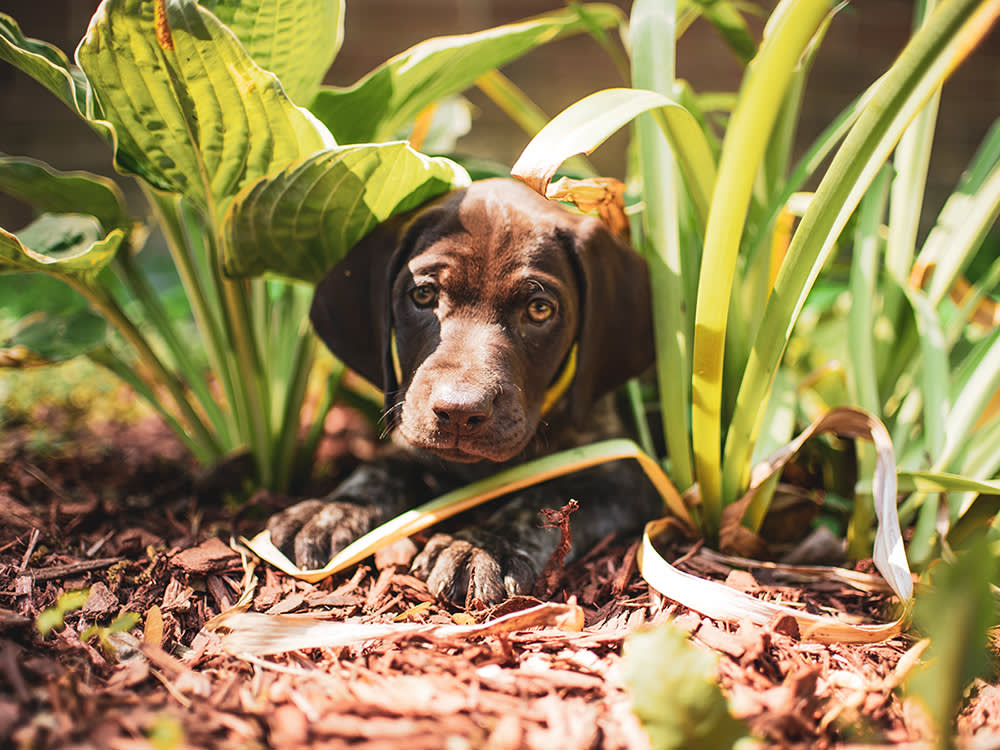
Picture this: you adopt your first Terrier mix, a charming two-year-old, and within a week your missing socks turn up half-buried in the flower bed alongside your favorite perennials, which are now uprooted. Welcome to life with a digger. It’s one of the most common questions trainers hear, and the good news is that you can absolutely change the behavior. The trick is understanding why it’s happening in the first place.
Plenty of dogs dig, and Terriers are the reigning champions, which makes sense when you remember that many of them were bred specifically to tunnel after vermin. Dogs dig to bury treasures, to burn off boredom, to cool down on a hot day, for the sheer fun of it, and sometimes to plot an escape. Once you know which itch your dog is scratching, you can give them a better way to scratch it.
Read the hole before you fix the habit
Before you build anything, spend a day noticing where and when your dog digs, because the pattern points straight at the cause and the fix.
- Digging shallow pits in the shade, then lying in them, especially in summer, is a dog trying to cool off. The answer is shade and water, or a raised cot, not a training program.
- Frantic digging along the fence line or at the gate is usually an escape attempt or a reaction to something on the other side. That’s a containment-and-boredom problem, and it can be a safety issue.
- Focused digging at one spot in a bed or lawn often means something is moving down there: moles, voles, grubs, or chipmunks. Deal humanely with the critters and the digging frequently stops on its own.
- Post-mealtime digging near the patio can be a dog caching food or a chew. Pick up high-value items and the burying instinct has nothing to act on.
- Scattered, joyful, tail-up digging is play and boredom, the classic case the rest of this article solves.
Match the fix to the pattern and you’ll skip weeks of fighting the wrong battle.
Give them a “yes” spot before you give them a “no”
Because digging is such a deeply natural behavior, it’s almost always easier to redirect the urge than to erase it. So instead of fighting the instinct, build your dog a place where digging is not just allowed but encouraged.
Set up a designated digging zone with loose sand or soft dirt, then seed it with treasure. Half-bury a bone, a stuffed rubber toy, or another prized item so your dog learns there’s a payoff for digging there. Make those early wins easy. You want your dog to hit the jackpot fast so they’re motivated to come back. Over time, you can bury things deeper and make the hunt more challenging, but a string of quick successes up front is what builds the habit.
I tell clients to think of it as relocation, not prohibition. The dog isn’t being defiant. The instinct is going to come out somewhere, so your job is to decide where. A sandbox stocked with buried goodies almost always beats your tomato bed in your dog’s mind.
Tire out the body and the brain
A huge share of nuisance digging is just boredom looking for an outlet. Dogs with enough to do often skip the flower-bed excavation entirely, so building enrichment into the day is one of the most effective things you can do. Think about it in two tracks: work the body and work the mind.
Physical exercise makes an enormous difference, especially the kind that genuinely wears your dog out. A longer leashed walk helps, but running off-leash until they’re truly tired, whether that’s chasing a ball or wrestling with a dog buddy, tends to change behavior far more reliably.
Mental exercise matters just as much. A bored brain invents its own entertainment, and that’s where socks and shrubbery come in. Rotate through chew toys, food puzzles, stuffable toys, hide-and-seek games with treats around the house, and short training sessions. A dog who’s been asked to think is a dog who’s less interested in digging up the yard.
Manage the situation so mistakes can’t happen
Prevention is half the battle, and honestly, this is true for nearly every behavior problem. The idea is simple: don’t give your dog the chance to practice the thing you don’t want.
That might mean physical barriers, like fencing or chicken wire around the beds you want to protect. It can also mean scent deterrents around off-limits zones, and many dogs genuinely dislike citrus, so a citrus scent is worth a try. If your yard is hosting mice, shrews, or other little critters that make the ground smell irresistible, deal with them using humane, non-toxic methods. And keep the socks and other buried-treasure favorites well out of reach.
Don’t let them rehearse the wrong thing
While you’re teaching the new habit, don’t leave your dog outside unsupervised or without something better to do. When you’re out in the yard together, hand them a frozen stuffed toy and time how long it keeps them busy. Once you know they’ll happily work on it for, say, twenty minutes, you know roughly how long they can be outside without you hovering. If you catch them digging where they shouldn’t, react every time, calmly redirecting them to their own spot or swapping in another activity.
One more quiet rule: dogs are champion mimics. Many will watch you turn soil in the garden and conclude that this is clearly the family hobby. Until your dog has the new habit down and is content to dig only in their special zone, try not to let them watch you dig. What looks like misbehavior to you may just be your dog enthusiastically joining in.
Digging is part of who your dog is, especially if you’ve got a Terrier in the family. It can be maddening, but it’s also one of the most workable behaviors out there. With a dedicated dig zone, plenty of enrichment, and a little management, you can teach your dog to dig less, and to dig on your terms.
Tom Hadley writes about training and behavior, helping owners understand what their pets are trying to tell them. His work covers everyday manners, decoding common behaviors, and the small changes at home that make dogs and cats easier to live with.
Meet our experts ↗Keep reading
 TrainingYour Dog Isn't Stubborn. Your House Has Six Sets of Rules.Dr. Priya Nair · 7 min
 TrainingYour Dog Isn't Being Bad at the Door. They're Winning a Game You Keep Playing.Dr. Nina Kohl · 6 min
 TrainingThe Viral 'Run Away From Your Dog' Trick Works. You Get to Use It Once.Dr. Mara Chen · 7 min
 TrainingYour Dog Isn't Being Stubborn About the Snow. They're Confused.Dr. Amara Solis · 7 min
 Training"My Dog Only Listens When I Have a Treat." Here's the Fix You Skipped.Dr. Nina Kohl · 6 min
 TrainingYou Don't Have a Bad Dog. You Have a Ceiling, and Here's How to Spot ItDr. Nina Kohl · 5 min